 New to Shopify? Free trial, then $1/month for your first 3 months. Start free trial →
 Where is your store?
Ryviu works with both – pick yours to continue.








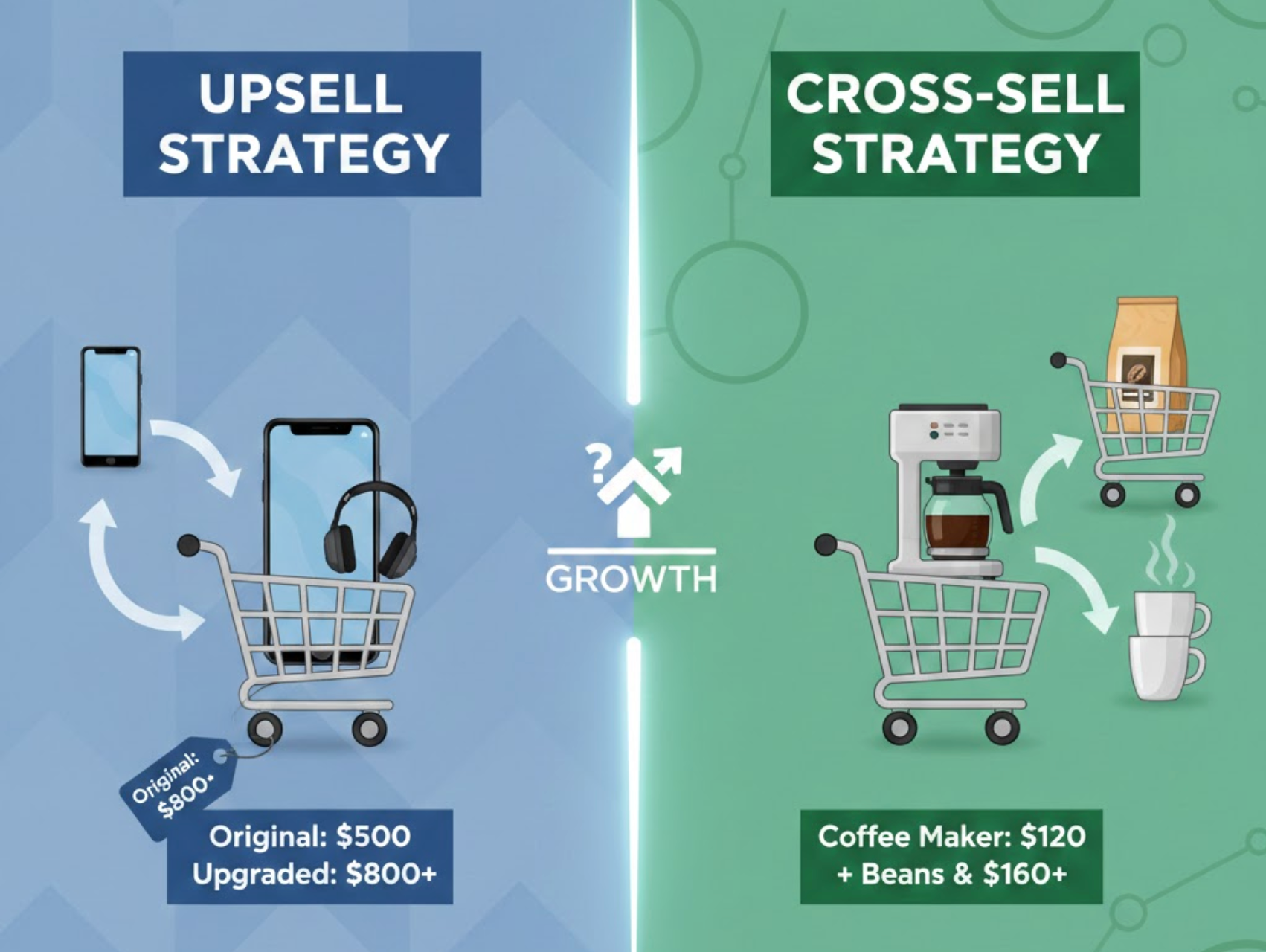
For ecommerce businesses in a competitive digital landscape, increasing revenue is no longer just about generating more traffic or running more ads. Acquisition costs continue to climb, customer attention spans continue to shrink, and stores must extract maximum value from every shopper who lands on their website. This makes upselling and cross-selling two of the most important strategies in ecommerce growth.
Although these tactics are often mentioned together, they are not interchangeable. They influence customer behavior differently, impact revenue at different points in the buying journey, and deliver different results depending on product type, pricing psychology, and store setup.
To fully unlock their potential, brands must understand how they differ, how they complement each other, and which one performs better in various scenarios.
This deeply detailed guide compares every major aspect of upselling and cross-selling and provides a final verdict for each point, offering clarity on which approach drives the most revenue and when.
Understanding the foundation of each strategy is essential before diving into their differences.
Upselling encourages customers to buy a higher-quality, larger, or more premium version of the product they already intend to purchase. The customer’s intent is clear, they want the item. The upsell simply elevates that intent to a more valuable transaction.
Examples include:
Core Goal: Increase revenue by maximizing the value of the original item.
Cross-selling suggests complementary or relevant add-ons that enhance the main purchase. Instead of improving the primary product, it broadens the order by adding related items.
Examples include:
Core Goal: Increase revenue by expanding the cart with additional items.
The psychological difference between upselling and cross-selling plays a major role in their conversion rates.
Upselling works because customers already have:
The upsell doesn’t change their goal; it just reframes it as a better-choice option. This makes the upsell feel:
When the benefits are framed clearly, “more durable,” “better value per ounce,” “our most popular choice”, customers often perceive the upsell as a smarter decision rather than an extra expense.
Cross-selling introduces entirely new items, so customers must:
This increases the cognitive load, but when the suggested add-on:
For example, if a customer buys a camera, suggesting a memory card is almost expected, making the cross-sell feel necessary rather than optional.
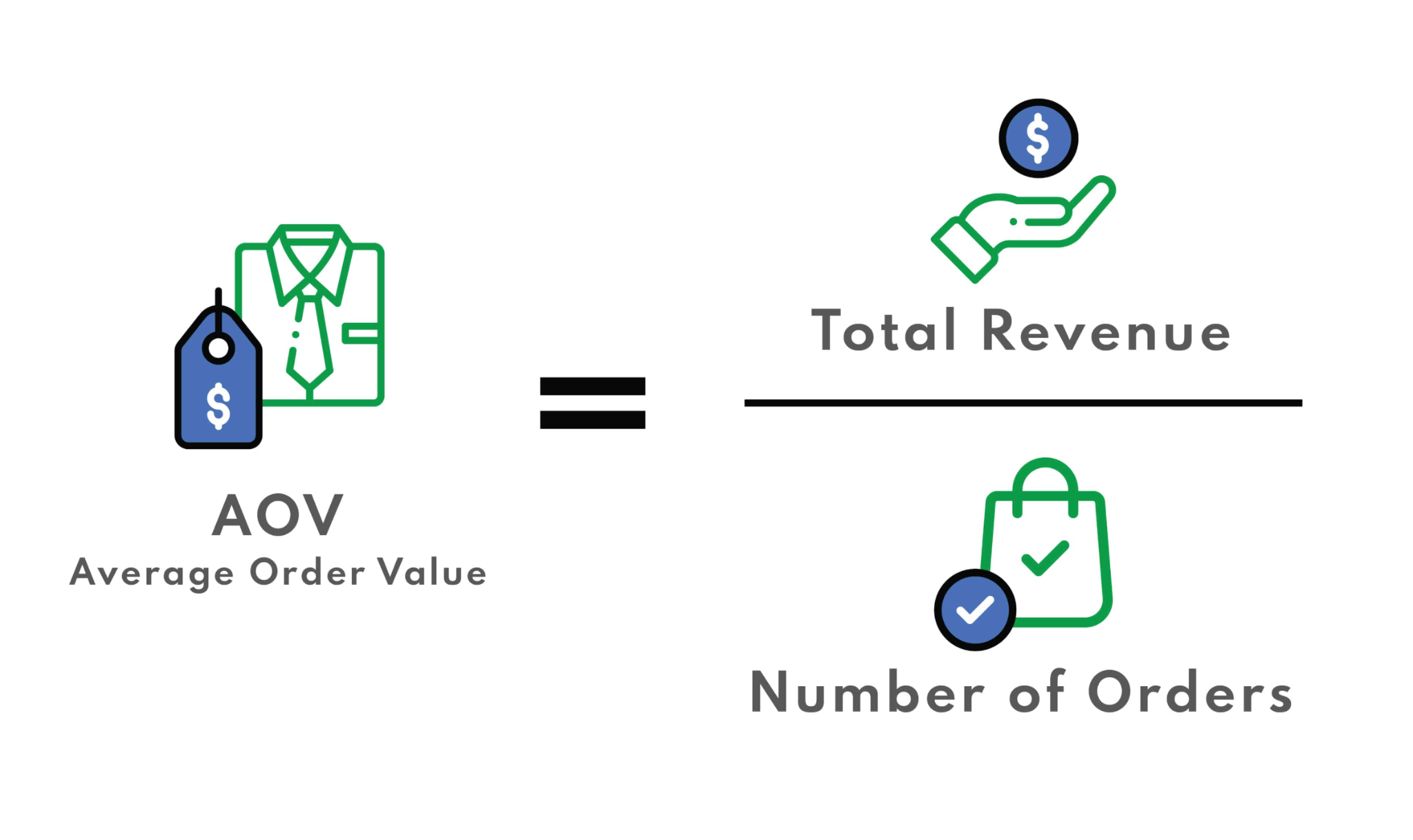
AOV is one of the most important metrics in ecommerce, and both strategies influence it differently.
Upsells boost AOV by increasing the value of a single product. Even small percentage increases can lead to dramatic improvements over time.
Example:
Upsells deliver large and immediate AOV increases because they shift customers into a more profitable product tier.
Cross-sells increase AOV by adding additional items to the order. Each add-on may be inexpensive, but multiple add-ons accumulate quickly.
Example:
Cross-sells allow shoppers to build their own bundle, increasing total cart value over multiple items rather than one.
Minimizing friction is essential for maximizing conversions.
Because upsells keep focus on the same product, friction remains low:
Upsells feel like part of the product-selection process rather than a separate sales attempt.
Cross-sells can add complexity if not implemented carefully:
However, well-timed cross-sells, like in-cart or post-purchase suggestions, can feel smooth and logical.
Different product types favor different strategies.
Upselling works best when your catalog contains:
Industries where upsells excel:
Cross-selling shines when products have:
Industries where cross-sells excel:
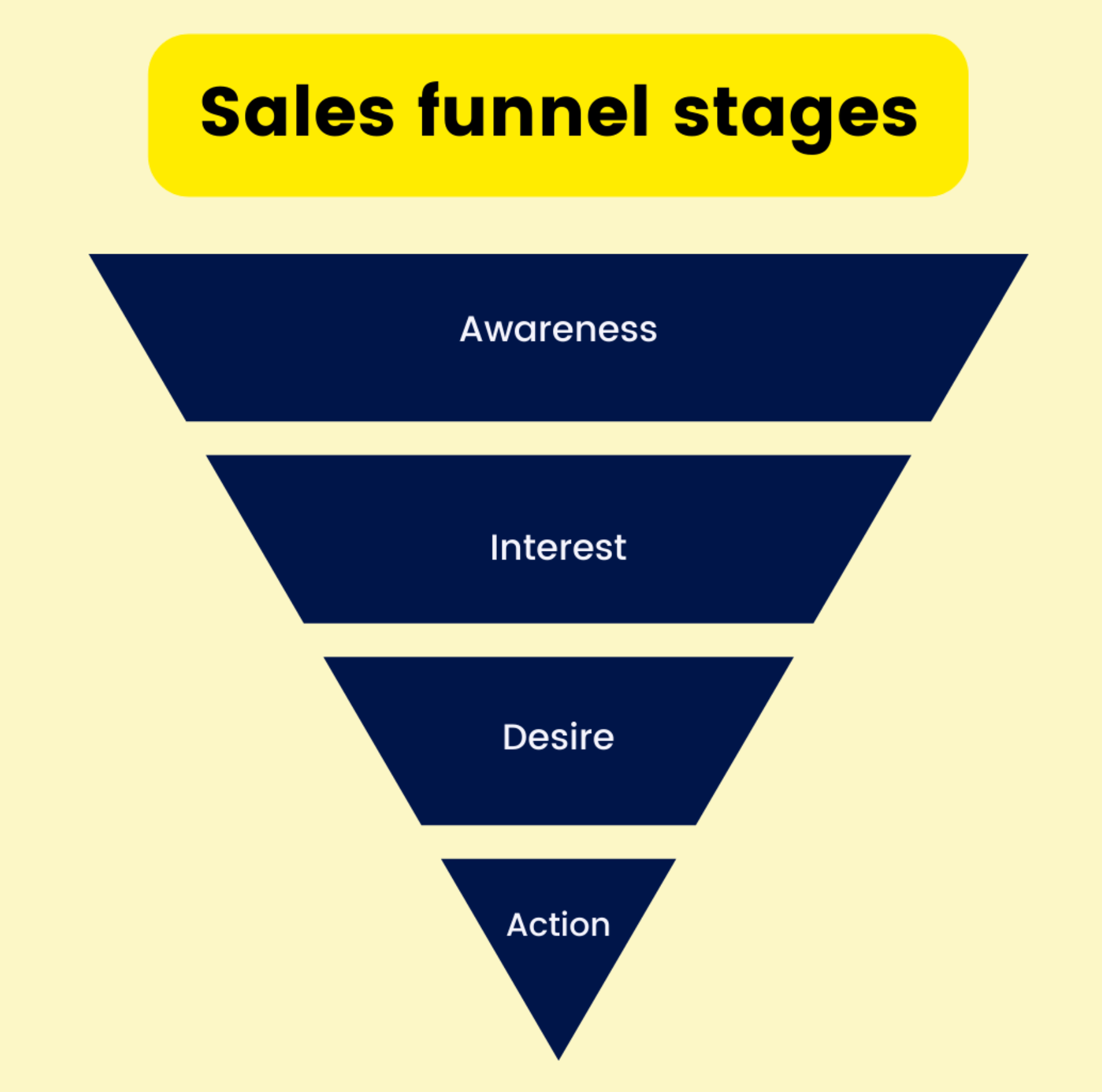
Upsells and cross-sells appear at different optimal points in the customer journey.
Upsells work at almost every stage because they reinforce the original purchase decision:
Upsells work best when customers are deciding between product variants.
Cross-selling requires strategic placement to feel relevant rather than distracting:
Cross-sells perform best when customers are already committed to the main item.
Revenue growth isn't only about the present, it’s also about developing profitable long-term relationships.
Upselling increases transaction value immediately, but may not encourage additional product discovery. Customers who buy a premium product may stick with that one product and not branch out.
Cross-selling exposes customers to more of your catalog, increasing:
Customers who own more complementary products have higher lifetime value (CLV).
Conversion rate outcomes vary by audience, industry, and product type.
Upsells typically convert strongly because:
High conversion rates make upselling a reliable tactic, especially for low-ticket or mid-ticket products.
Cross-sell acceptance varies:
For example:
Profitability is a major factor when deciding which strategy to prioritize.
Upsells often provide excellent margins because:
For example, upgrading from a 100ml to 150ml version may only cost the brand $1 more but can sell for $4–$6 more.
Cross-sell items vary in margin:
However, cross-selling improves inventory movement, cash flow, and product discovery.
Shoppers judge stores not only by product quality, but also by how recommendations feel.
Upsells feel smooth, helpful, and predictable when implemented well:
Poor upsells, however, can feel pushy, especially when the upgrade cost is too high.
Cross-selling can drastically improve the customer’s experience when it helps them:
But irrelevant cross-sells can:
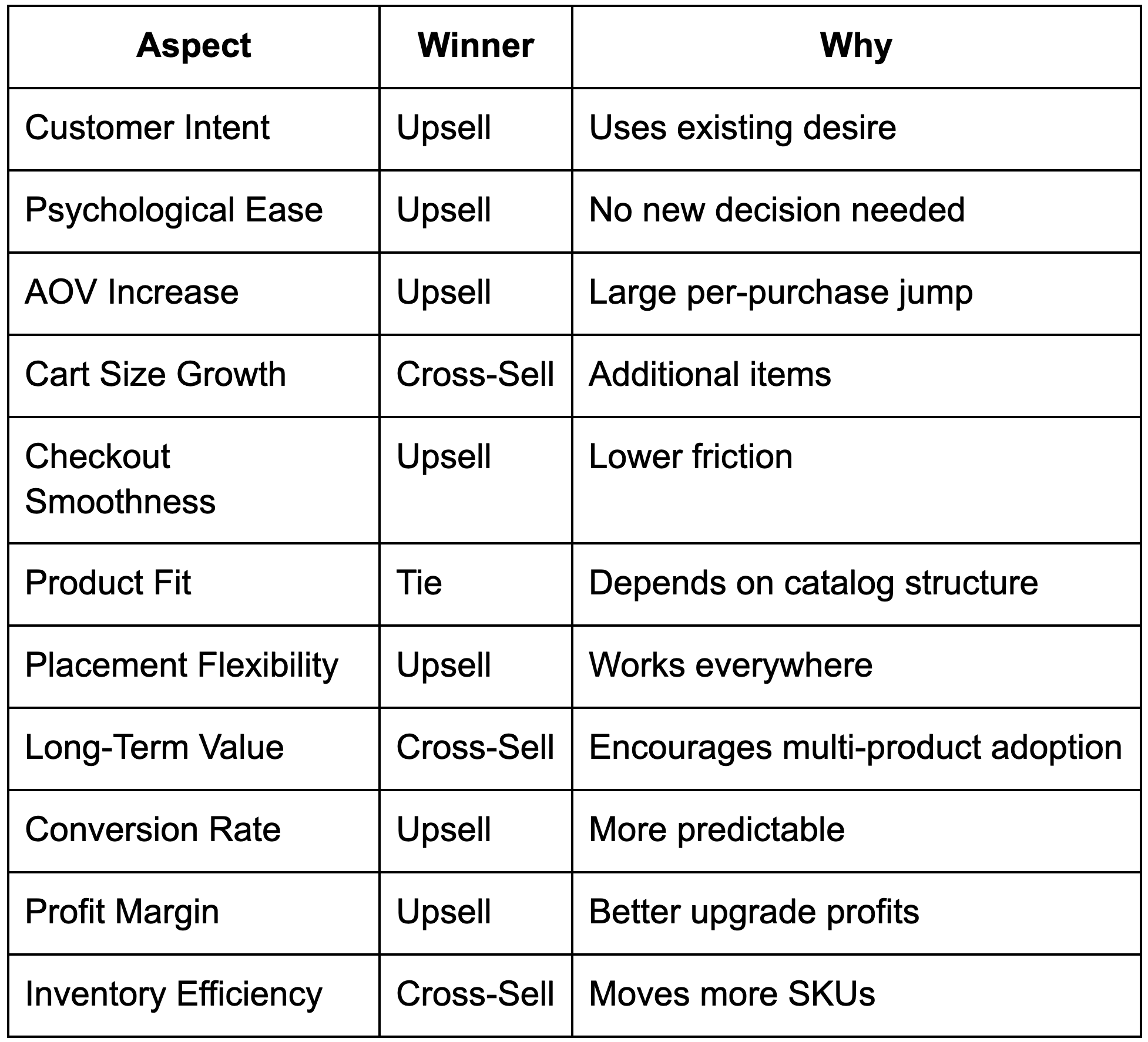
Both strategies are powerful, and the most profitable stores combine them. However, if you must choose based on revenue priorities:
If you want fast, immediate revenue gains, upselling is the hands-down winner. It boosts AOV quickly, converts easily, and causes minimal friction. If you want long-term growth and customer loyalty, cross-selling becomes more valuable. It expands cart size and increases lifetime value by exposing customers to more products.
If you want the highest revenue potential overall, use upselling first to improve the item they already want, then cross-selling to enrich the cart with relevant add-ons. This sequence mirrors natural buyer psychology. This two-step system consistently delivers the highest possible AOV, CLV, and total revenue per customer.




