New to Shopify? Free trial, then $1/month for your first 3 months. Start free trial →
 Where is your store?
Ryviu works with both – pick yours to continue.









Every great brand tells a story. It’s not just about selling a product — it’s about sharing a lifestyle, a feeling, and a purpose that customers connect with. In the digital age, where visuals rule and attention spans shrink, lookbooks have become one of the most powerful storytelling tools for eCommerce. A well-designed lookbook doesn’t just show products; it weaves them into a visual narrative, turning browsing into an emotional experience. But how exactly do lookbooks help brands communicate identity, evoke emotion, and inspire action? Let’s explore how to design lookbooks that tell a story — one that keeps customers not just buying, but believing.
Before diving into lookbooks, it’s essential to understand why visual storytelling matters so much in online retail.
In an environment saturated with product listings and ads, shoppers crave authenticity and meaning. They don’t just want to know what you sell — they want to understand why you sell it.
Storytelling through visuals works because humans process images 60,000 times faster than text. More importantly, visuals evoke emotion, and emotion drives decisions. When a customer feels something, they remember the brand behind it.
Lookbooks offer the perfect format for this. Unlike product grids or catalog pages that focus on details, lookbooks invite shoppers into a narrative world. Each page, image, and layout element communicates part of the brand’s voice — minimalist and calm, bold and youthful, or timeless and sophisticated.
This is storytelling in motion — not through words, but through visual rhythm, tone, and atmosphere.
Traditional lookbooks were once fashion-exclusive — glossy magazine spreads that showcased seasonal collections. But in modern eCommerce, lookbooks have evolved into digital narratives across industries — fashion, lifestyle, furniture, beauty, and beyond.
What sets a lookbook apart from a product gallery is its intent. A lookbook doesn’t just display products; it creates context. It places the item in a moment, environment, or feeling that resonates with your audience.
For instance:
In essence, every image becomes a chapter in your brand’s story. The tone, color palette, typography, and flow all contribute to the narrative. Unlike product pages that say, “Here’s what it costs,” lookbooks whisper, “Here’s how it feels.”
Designing a storytelling lookbook requires more than stunning visuals. It’s about building a cohesive narrative arc — just like a film or novel. The key is to think in story terms: theme, characters, emotion, and resolution.
Every story starts with a message. What’s the emotion you want to evoke? Is it the freedom of summer, the calm of simplicity, or the excitement of new beginnings? Your lookbook’s tone, colors, and photography should align around that core feeling.
A strong narrative has a rhythm. Start with an introductory spread that sets the mood. Gradually introduce your products within that world — in lifestyle scenes, action shots, or detailed close-ups. Conclude with a memorable image or call-to-action that ties it all together.
Human stories create emotional depth. Including models or real customers brings life to your products — their expressions and gestures tell stories of confidence, comfort, or aspiration. This human touch builds relatability.
Link your lookbook to a broader theme — a holiday, product launch, or social cause. This makes the narrative timely and shareable, reinforcing brand consistency across marketing channels.
When executed well, a storytelling lookbook becomes more than a visual asset. It becomes a brand statement, a memorable experience that communicates values, aesthetics, and emotion all at once.
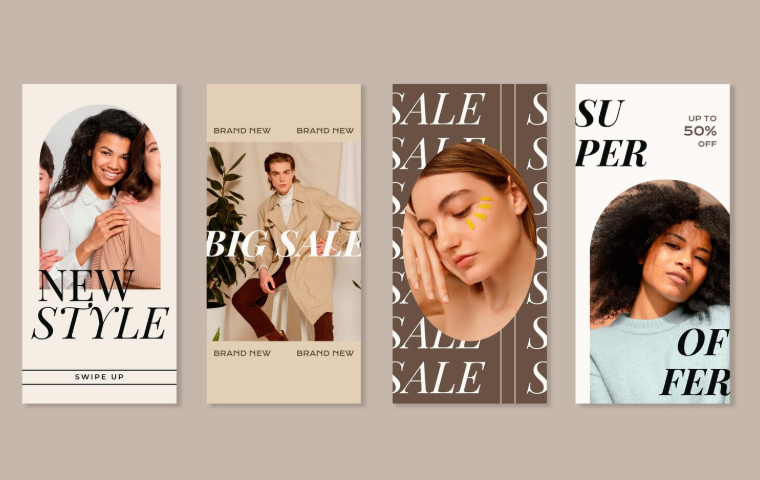
A lookbook is an artistic expression of your brand identity. The design choices — colors, fonts, layout, and imagery — must reflect your brand language consistently. Let’s break down how to ensure your lookbook feels authentically yours.
Every photo should share a similar tone or editing style. A luxury brand may lean into minimal lighting and monochrome tones, while a bohemian brand might prefer earthy textures and natural backdrops. Visual coherence strengthens recognition.
Typography sets the emotional temperature. Bold, sans-serif fonts evoke confidence and modernity, while serif or script fonts convey elegance and tradition. Keep layouts clean and balanced — too many elements distract from the story.
Empty space is powerful. It draws attention to key visuals and creates breathing room for the viewer. A clutter-free lookbook invites focus and calm, enhancing emotional impact.
In eCommerce, the best stories adapt to every screen. Optimize lookbooks for mobile viewing — ensure quick loading times, swipeable navigation, and clickable product links. Your story shouldn’t lose its power on smaller screens.
Modern lookbooks can be interactive, with clickable “Shop Now” buttons, hover animations, or embedded videos. These features transform your story from passive viewing to active engagement.
When design and storytelling blend seamlessly, the lookbook feels less like marketing — and more like art that happens to sell.
Storytelling isn’t valuable unless it connects. The true strength of a lookbook lies in how it encourages interaction, curiosity, and emotional loyalty.
A great lookbook doesn’t just show what your brand offers — it makes the audience feel something. The emotion could be excitement for adventure, comfort in simplicity, or admiration for craftsmanship. Emotion builds brand recall.
Visually stunning lookbooks are inherently shareable. They perform well on social platforms like Pinterest, Instagram, or TikTok. Each image becomes an opportunity for user engagement and organic reach.
When your storytelling is compelling, customers naturally want to explore more. Include shoppable links or “Shop the Look” buttons so the emotional response leads directly to action.
Customers who connect with your story aren’t just buyers — they become advocates. They return for new collections, recommend your brand, and participate in your community. Story-driven engagement fuels long-term loyalty.
In essence, the lookbook is not only a creative showcase but also a conversion funnel disguised as inspiration. It makes shopping emotional — and that’s where engagement thrives.
Let’s see how some leading brands use lookbooks as storytelling tools to strengthen their identity and engagement.
Gucci’s digital lookbooks are like art films. Each campaign unfolds with surreal imagery, cinematic direction, and strong narrative arcs. Instead of focusing on the product, they emphasize mood and message — from nostalgia to rebellion. This elevates their brand beyond fashion into cultural storytelling.
Glossier’s lookbooks and campaign visuals feature real customers, not models. Their “you-look-good” approach tells a story of authentic beauty and confidence, aligning perfectly with their brand promise. It feels real, relatable, and community-driven.
Every Patagonia lookbook tells a story of environmental activism and sustainability. Images of hikers, rivers, and rugged landscapes aren’t just backdrops — they’re symbols of the brand’s values. This transforms each product into part of a bigger mission.
Nike’s lookbooks merge athleticism with storytelling. Each image conveys energy, diversity, and empowerment. The focus isn’t only on sportswear — it’s on personal achievement. Their narrative inspires customers to move, strive, and believe.
These examples show that storytelling isn’t just design — it’s identity. The best lookbooks don’t imitate trends; they reflect truth.
Beautiful storytelling is inspiring, but it must also drive results. To evaluate effectiveness, brands can measure engagement both qualitatively and quantitatively.
Beyond numbers, also consider qualitative feedback — comments, user testimonials, and influencer mentions. When customers describe your brand in emotional terms (“beautiful,” “inspiring,” “authentic”), your storytelling has succeeded.
As digital experiences evolve, lookbooks are becoming more interactive, immersive, and intelligent. The next generation of lookbooks will combine AI, personalization, and virtual storytelling.
Imagine a lookbook that adapts to each visitor — showcasing outfits based on browsing history, or home decor tailored to climate and lifestyle data. Or immersive AR lookbooks where users can virtually “step into” a scene or try products in 3D.
In this future, storytelling won’t be linear — it’ll be dynamic. Brands will move beyond presenting a narrative to co-creating it with their customers. Lookbooks will remain at the center of this evolution, bridging the gap between imagination and commerce.
In an online world overflowing with noise, lookbooks bring back emotion, artistry, and identity. They let brands tell stories that words alone can’t capture — stories that customers can see, feel, and remember. More than a marketing tool, a storytelling lookbook is a declaration of who you are and what you stand for.
When crafted thoughtfully, it transforms passive shoppers into active believers — people who don’t just buy your products, but share your vision. That’s the magic of storytelling through lookbooks: it turns commerce into connection, and every image into a moment of meaning.