New to Shopify? Free trial, then $1/month for your first 3 months. Start free trial →
 Where is your store?
Ryviu works with both – pick yours to continue.








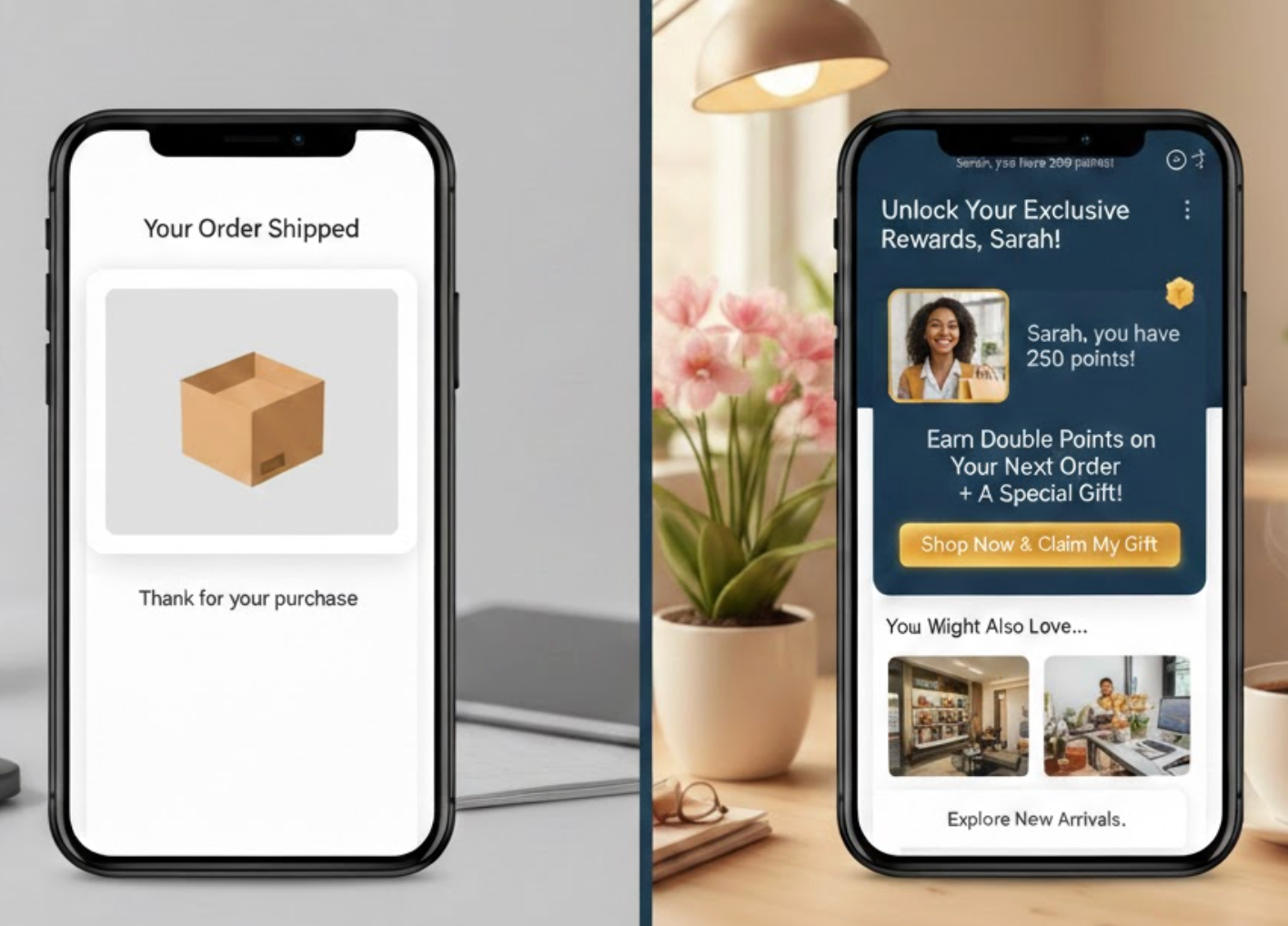
In a time when consumers are constantly bombarded with marketing messages, loyalty emails offer brands a chance to stand out in a more meaningful way. Rather than competing for attention with short-term promotions, these emails focus on long-term value and relationship-building. When customers feel acknowledged and rewarded, repeat purchases become a natural outcome instead of a forced decision.
Well-executed loyalty emails combine strategy, timing, and personalization to reinforce why staying loyal matters. By emphasizing progress, recognition, and exclusivity, brands can turn everyday email communication into a reliable driver of retention and revenue.
As acquisition costs continue to climb, retaining existing customers has become one of the most efficient ways to grow profitably. Loyalty emails provide a consistent channel to engage customers beyond the point of purchase, helping brands remain top-of-mind without relying on aggressive discounting. This ongoing connection plays a critical role in shaping how customers perceive your brand over time.
More importantly, loyalty emails shift the focus from selling to rewarding. When customers receive updates that highlight earned value, rather than generic promotions, they feel appreciated and understood. This emotional connection is often what separates brands customers return to from those they forget.
High-performing loyalty strategies are built on variety. Different customers are motivated by different triggers, such as achievement, recognition, or urgency. By using a mix of loyalty email types, brands can address these motivations throughout the customer lifecycle and encourage repeat purchases at multiple touchpoints.
These emails are designed to maintain momentum by reminding customers that every interaction brings them closer to something valuable. Instead of pushing a sale directly, they highlight progress already made, which naturally encourages customers to continue the journey.
To be effective, these emails should deliver clarity at a glance, customers should instantly understand where they stand and what’s within reach next.
Effective elements include:
Recognition-based emails focus on celebrating loyalty rather than promoting products. By acknowledging a customer’s status or tier upgrade, these messages reinforce the idea that loyalty is noticed and rewarded in meaningful ways.
When customers clearly understand the privileges that come with their status, they’re more likely to stay engaged and continue shopping to maintain or elevate that level.
High-impact tier emails often include:
Reminder emails work because they protect value customers have already earned. Rather than creating pressure, these messages serve as timely prompts that help customers avoid missing out on rewards they rightfully deserve.
The most effective reminders strike a balance between urgency and helpfulness, making it easy for customers to act without feeling rushed.
Strong expiration emails typically feature:
Personalized loyalty emails guide customers toward rewards that feel relevant, not random. By aligning recommendations with individual preferences, brands reduce effort on the customer’s side and make redemption feel intuitive.
Modern email platforms like Klaviyo and Mailchimp enable this level of personalization by using behavioral data to tailor content at scale, without sacrificing efficiency.
Common personalization approaches include:
Loyalty emails should feel like a conversation, not a campaign. Unlike traditional promotional emails, their purpose is to strengthen trust and reinforce appreciation rather than push immediate conversions. This shift in tone can significantly impact how customers respond.
Thoughtful language, warm messaging, and a customer-first mindset help loyalty emails feel genuine. When customers sense sincerity, they’re more likely to engage and return willingly.
Best practices for loyalty email copy include:
Relevance is just as important as content. Loyalty emails are most effective when they arrive at moments that naturally align with customer behavior, rather than following a rigid schedule. Timely messages feel helpful; poorly timed ones feel intrusive.
Automation makes it possible to deliver these emails consistently while still feeling personal. For brands operating on Shopify, behavior-triggered loyalty flows ensure customers receive the right message exactly when it matters most.
High-performing loyalty email triggers include:
To truly understand the impact of loyalty emails, brands need to look beyond basic engagement metrics. Opens and clicks offer surface-level insight, but retention-focused metrics reveal whether emails are influencing long-term behavior.
By consistently analyzing performance data, brands can refine both messaging and reward structures to better support repeat purchasing.
Key loyalty email metrics to monitor include:
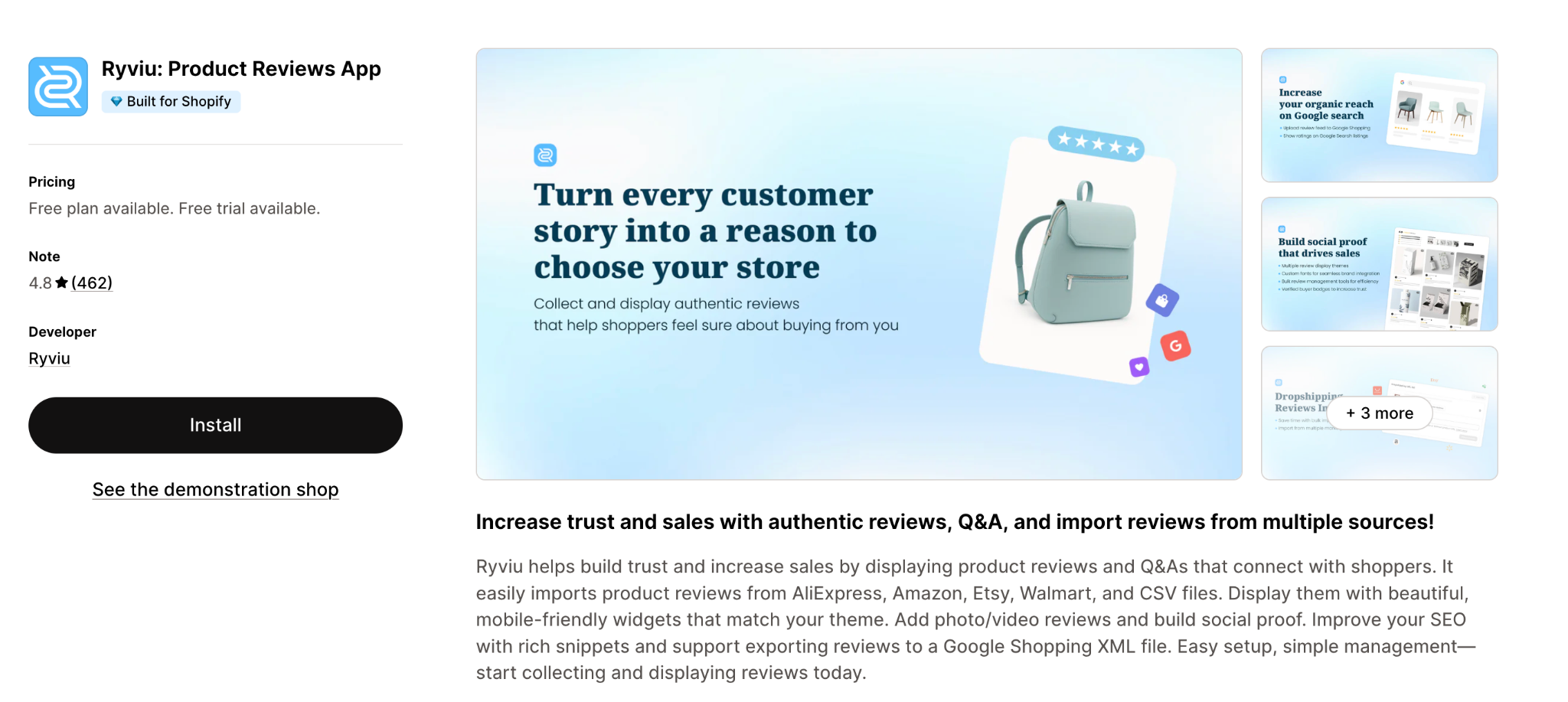
Loyalty emails become even more effective when they’re backed by real customer trust and meaningful rewards. By combining Ryviu and Reton, brands can create loyalty emails that not only incentivize repeat purchases but also reinforce credibility.
Ryviu strengthens loyalty emails by adding social proof, such as product reviews, ratings, and user-generated content, directly into email messaging. When customers see that others trust and love your products, they feel more confident redeeming rewards or making another purchase. This trust-driven reassurance reduces hesitation and increases conversion rates.
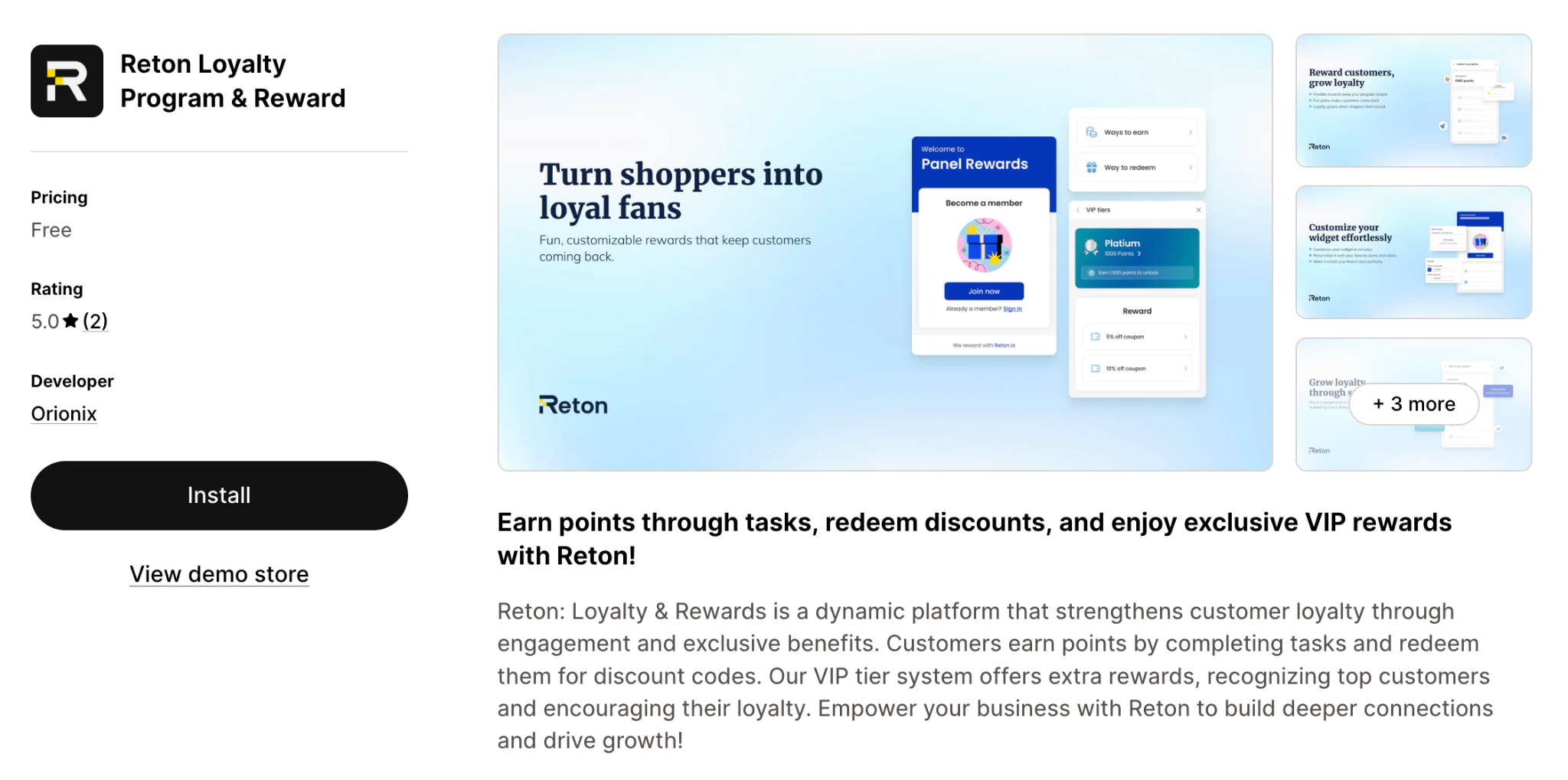
At the same time, Reton provides the reward logic behind the email. Points balances, tier upgrades, cashback offers, and VIP perks give customers a clear reason to return. When loyalty emails showcase both what customers earn (Reton) and why products are worth buying (Ryviu), they create a compelling, full-funnel experience.
Together, Ryviu and Reton enable loyalty emails to:
Loyalty emails that drive repeat purchases succeed because they prioritize the customer experience over short-term gains. When emails consistently recognize progress, deliver relevant rewards, and respect timing, they reinforce trust and encourage long-term engagement.
Ultimately, loyalty emails work best when they feel earned rather than promotional. By focusing on value, appreciation, and relevance, brands can turn everyday emails into lasting relationships, and repeat customers into loyal advocates.