New to Shopify? Free trial, then $1/month for your first 3 months. Start free trial →
 Where is your store?
Ryviu works with both – pick yours to continue.








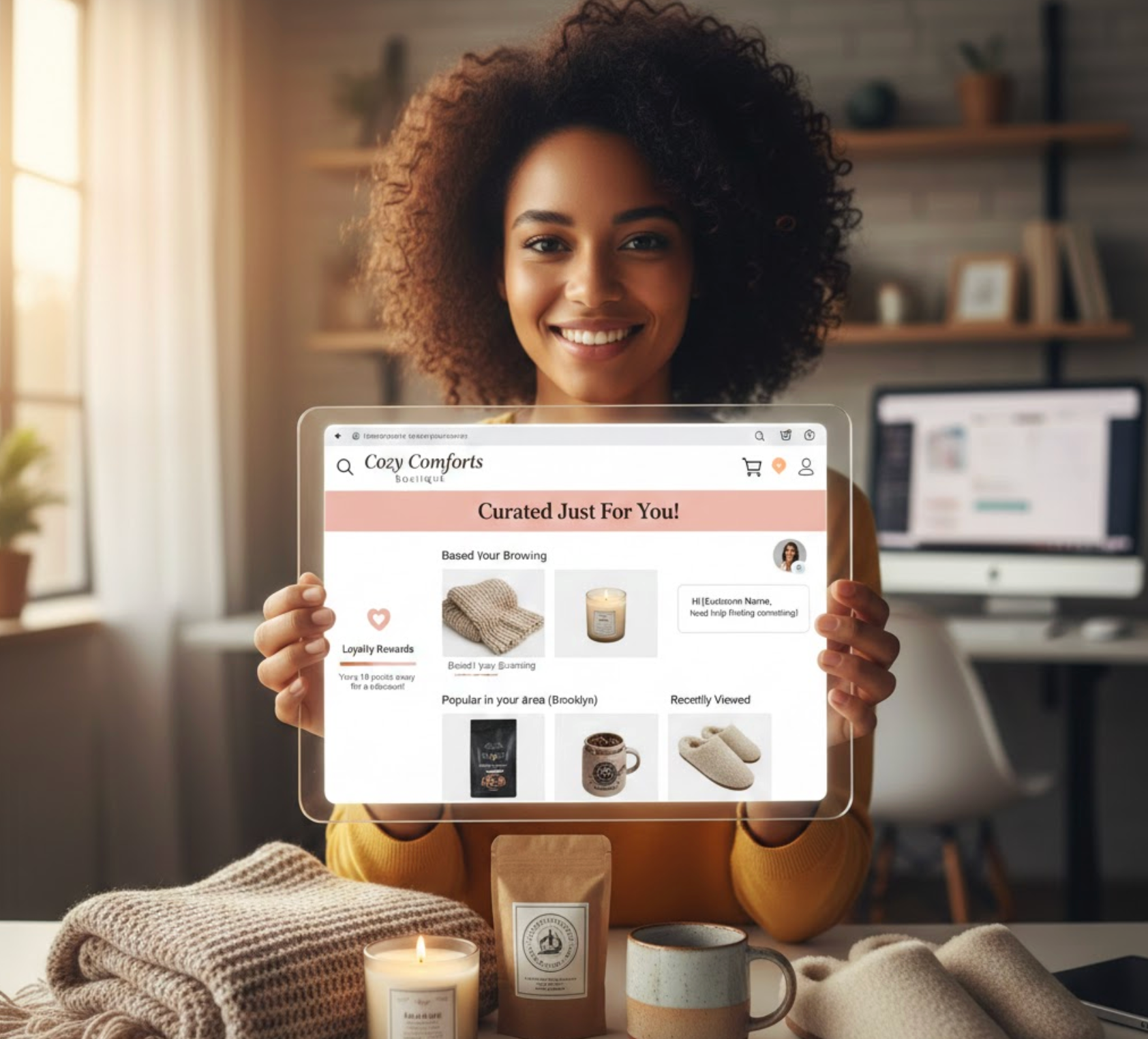
As eCommerce becomes increasingly competitive, small businesses can no longer rely solely on great products or competitive pricing. Customers now expect experiences that feel relevant, timely, and personal. This is where eCommerce personalization becomes a powerful growth lever.
Once seen as a strategy only available to large brands like Amazon or Netflix, personalization is now accessible to small businesses thanks to modern eCommerce platforms, automation tools, and data-driven marketing.
This article provides a detailed breakdown of eCommerce personalization strategies specifically tailored for small businesses, explaining not only what to do, but why it works and how to implement it effectively.
eCommerce personalization is the process of customizing the online shopping experience for each visitor or customer based on available data. This data can include browsing behavior, purchase history, location, device type, referral source, or engagement with emails and ads.
Instead of offering a single, static storefront for all visitors, personalization allows your eCommerce store to adapt in real time. For example, a returning customer might see products related to their previous purchases, while a first-time visitor might see a welcome message or best-selling items.
For small businesses, personalization doesn’t require complex algorithms or massive datasets. Even simple rule-based personalization, such as recommending products from the same category or sending follow-up emails after a purchase, can create a noticeable improvement in customer experience.
Personalization has a direct impact on key eCommerce metrics, which is especially important for small businesses operating with limited budgets and traffic.
When customers see products, content, or offers that match their interests, they are more likely to take action. Personalized experiences reduce friction in the buying journey and help customers make decisions faster.
Personalization makes customers feel recognized rather than treated as anonymous shoppers. This emotional connection encourages repeat purchases and long-term loyalty, which is often more profitable than constantly acquiring new customers.
By recommending complementary products, bundles, or upgrades, personalization naturally increases basket size without aggressive selling tactics.
Personalized post-purchase experiences, such as tailored follow-up emails or loyalty rewards, encourage customers to return, increasing overall customer lifetime value.
For small businesses, these benefits compound over time, helping them compete with larger brands through experience rather than scale.
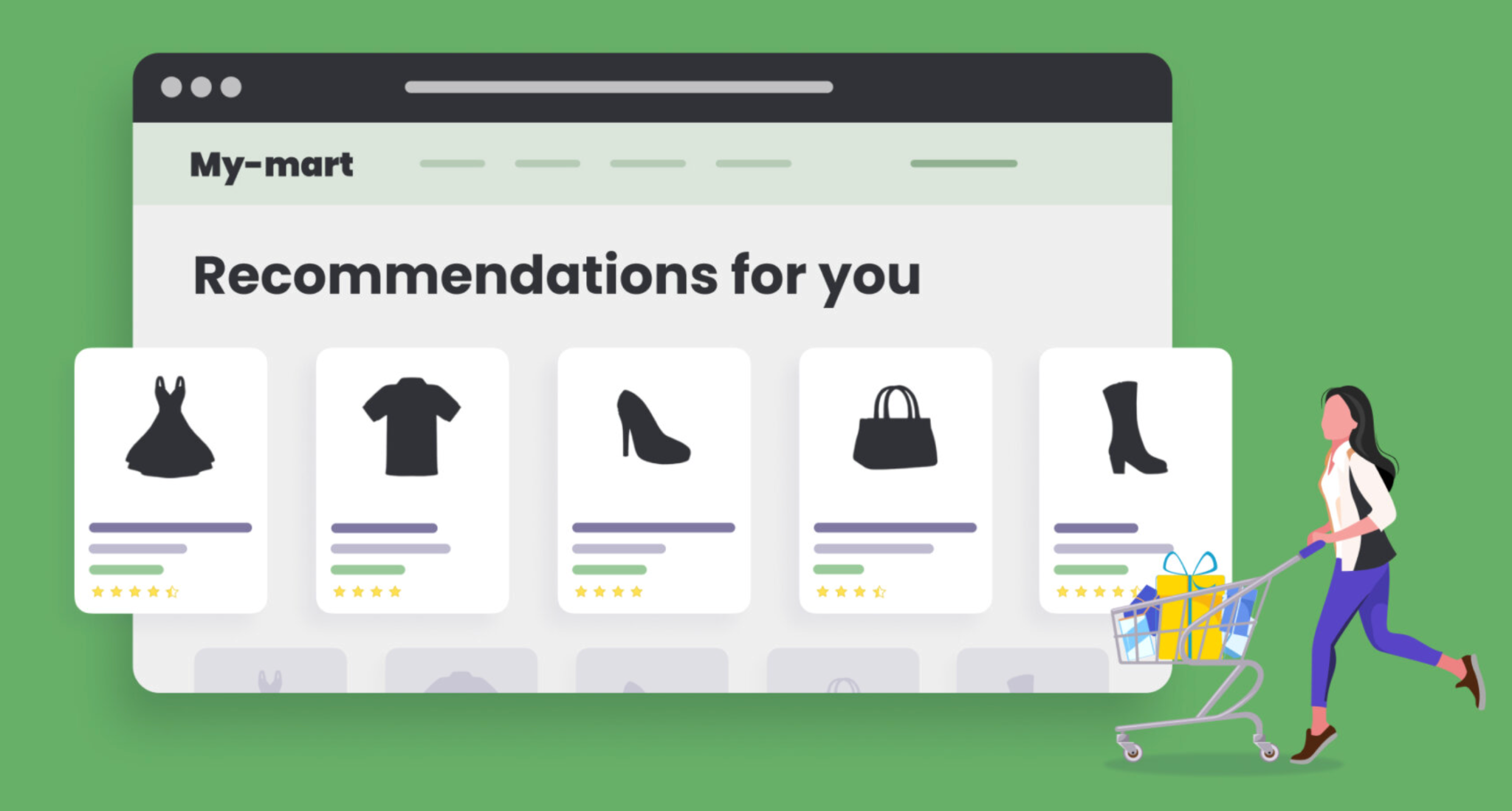
Product recommendations are one of the most effective and widely used personalization tactics in eCommerce. These recommendations can be based on browsing behavior, past purchases, or popular product combinations.
Examples include:
Small businesses using Shopify can easily enable these features through built-in tools or apps. Even basic recommendation logic can significantly improve engagement and drive additional sales, especially when placed on product pages, cart pages, or post-purchase screens.
Email marketing becomes far more effective when it’s driven by customer behavior instead of generic broadcasts. Behavior-based email personalization allows businesses to send messages that align with where customers are in their buying journey.
Common examples include:
These emails feel timely and relevant, which leads to higher open rates, better click-through rates, and increased revenue compared to standard newsletters.
Dynamic on-site personalization changes website content depending on who is visiting and how they interact with your store. This helps create a smoother, more intuitive shopping experience.
Examples of dynamic content include:
For small businesses, even subtle changes can have a big impact by making the site feel more responsive and customer-centric.
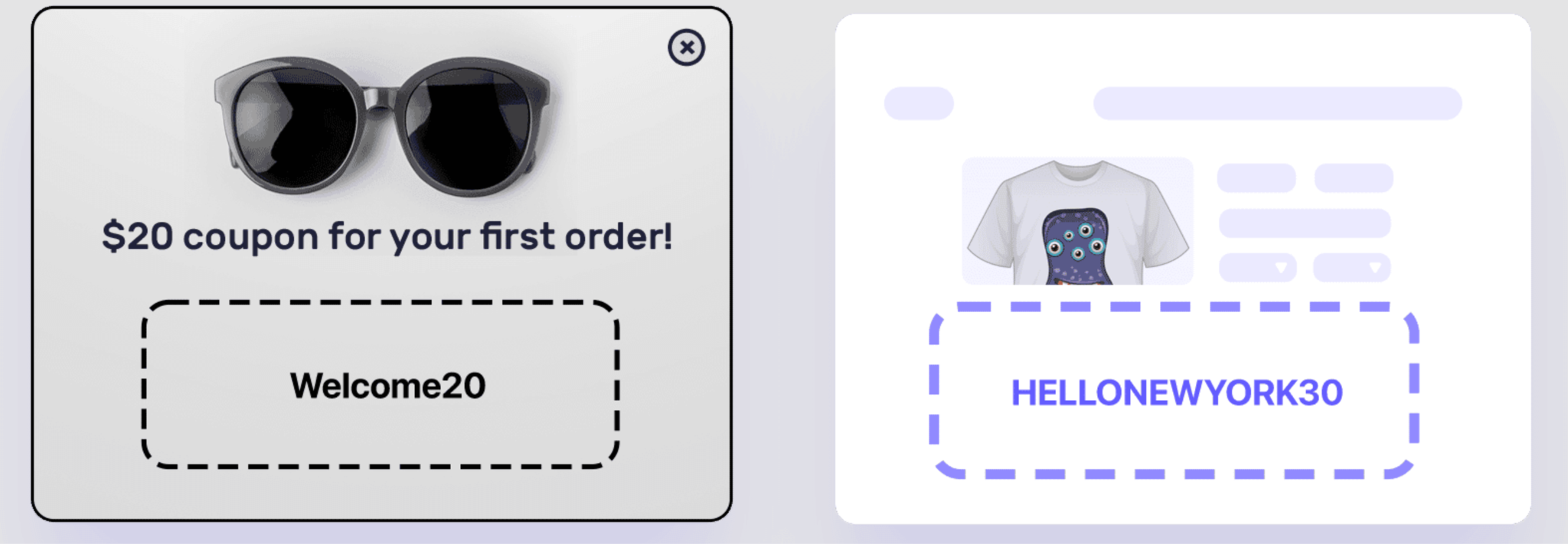
Instead of offering the same discount to everyone, personalized promotions target specific customer segments with tailored incentives. This makes promotions more effective while protecting profit margins.
Examples include:
By aligning promotions with customer behavior, small businesses can encourage conversions without training customers to expect constant discounts.
Segmentation is the backbone of all personalization efforts. It involves grouping customers based on shared characteristics or behaviors, such as:
Once segmented, businesses can tailor messaging, recommendations, and offers to each group. Even simple segmentation, such as separating new customers from returning ones, can dramatically improve relevance and performance.
Personalized search and navigation help customers find what they want faster, reducing frustration and abandonment. This form of personalization is subtle but extremely effective.
Key examples include:
When customers can quickly find relevant products, they are more likely to complete their purchase.
Implementing eCommerce personalization doesn’t have to be complicated or resource-intensive for small businesses. With a clear strategy and customer-focused mindset, even simple personalization efforts can deliver strong, measurable results.
To succeed, small businesses should follow these proven best practices:
ECommerce personalization is no longer optional for small businesses, but it’s a competitive necessity. By implementing thoughtful personalization strategies, small brands can create meaningful customer experiences that drive conversions, loyalty, and long-term growth.
With the right approach, small businesses don’t need massive budgets or advanced AI to succeed. By focusing on relevance, simplicity, and customer needs, personalization becomes a powerful tool that levels the playing field in modern eCommerce.