New to Shopify? Free trial, then $1/month for your first 3 months. Start free trial →
 Where is your store?
Ryviu works with both – pick yours to continue.








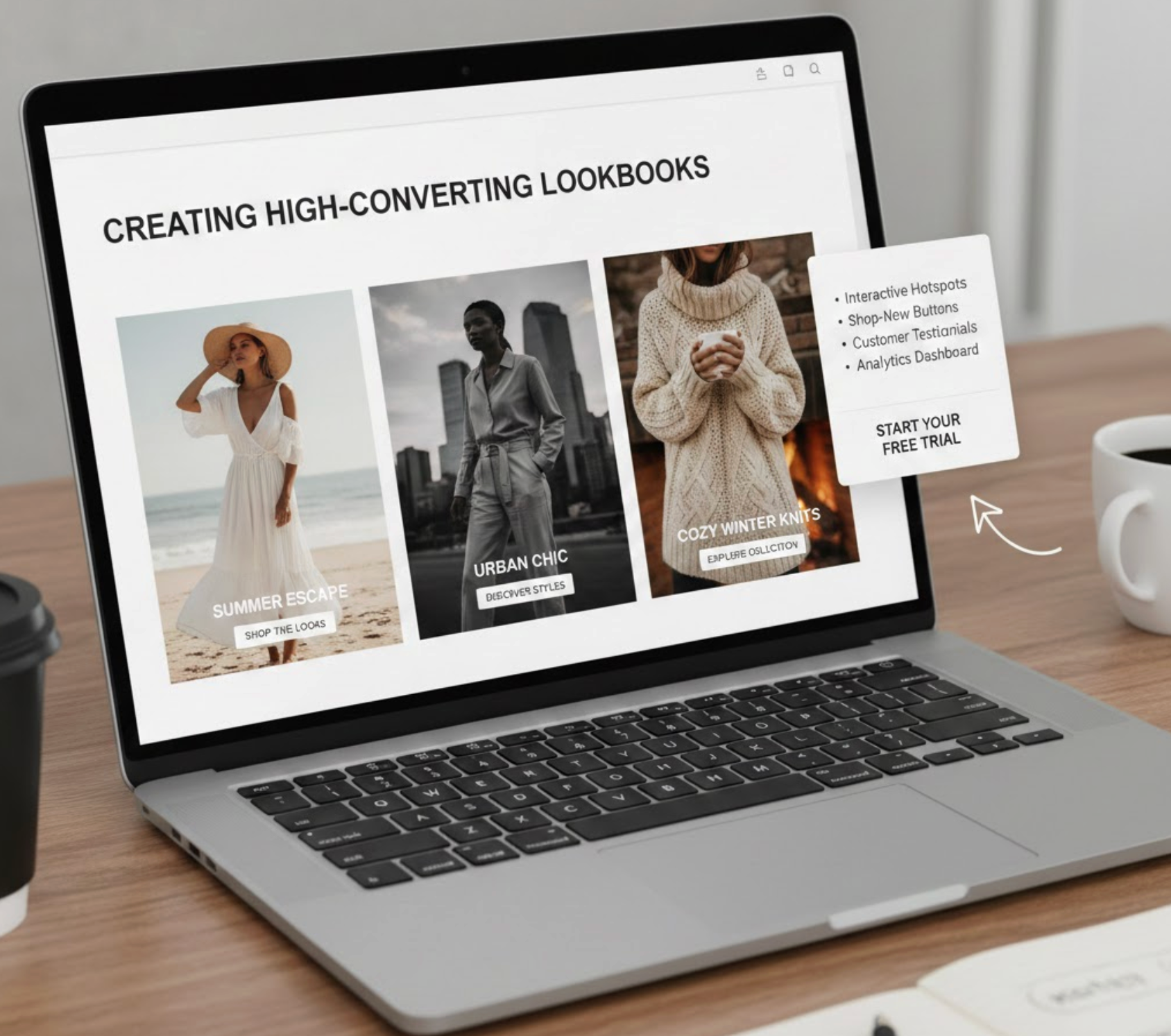
Lookbooks have become a core component of modern visual commerce, helping brands blend inspiration with seamless purchasing. Unlike static product grids, lookbooks guide shoppers through styled scenarios that feel aspirational, relatable, and easy to shop. When executed strategically, they reduce decision fatigue while increasing engagement, average order value, and conversions.
Below are the essential best practices that turn lookbooks from visual assets into revenue-driving tools.
Every successful lookbook begins with a clearly defined objective. Without a specific goal, lookbooks often become visually appealing but commercially ineffective. A strong objective ensures that imagery, product selection, and messaging work together to guide customers toward a single desired outcome. It also provides a clear benchmark for measuring performance.
With the goal established, every creative and strategic decision should reinforce that purpose.
Lifestyle imagery transforms products from standalone items into part of a larger experience. Instead of focusing solely on features, these visuals show how products fit into real-life moments and routines. This emotional connection plays a crucial role in purchasing decisions, especially in fashion, beauty, and home décor. The stronger the narrative, the longer customers stay engaged.
Story-driven visuals create context that naturally encourages exploration and action.
High-converting lookbooks remove friction between inspiration and purchase. When customers see something they love, they should be able to act immediately without searching or navigating away. Instant shoppability preserves buying momentum and minimizes drop-offs. The shorter the path to purchase, the higher the conversion rate.
This approach is especially effective for stores built on Shopify, where seamless cart integration is essential.
Most customers browse lookbooks on mobile devices, making mobile-first design essential. Overcrowded layouts, small tap targets, or slow-loading images can quickly frustrate users. Clean design helps shoppers focus on the outfits rather than figuring out how to navigate. A smooth experience builds trust and encourages deeper engagement.
Simplicity and usability directly support higher conversion rates.
Customers often struggle to visualize how individual items work together. Grouping products into complete looks removes this mental barrier by offering ready-made combinations. This simplifies decision-making and makes the purchase feel more confident and intentional. It also positions your brand as a trusted style authority.
Complete looks naturally encourage higher basket sizes.
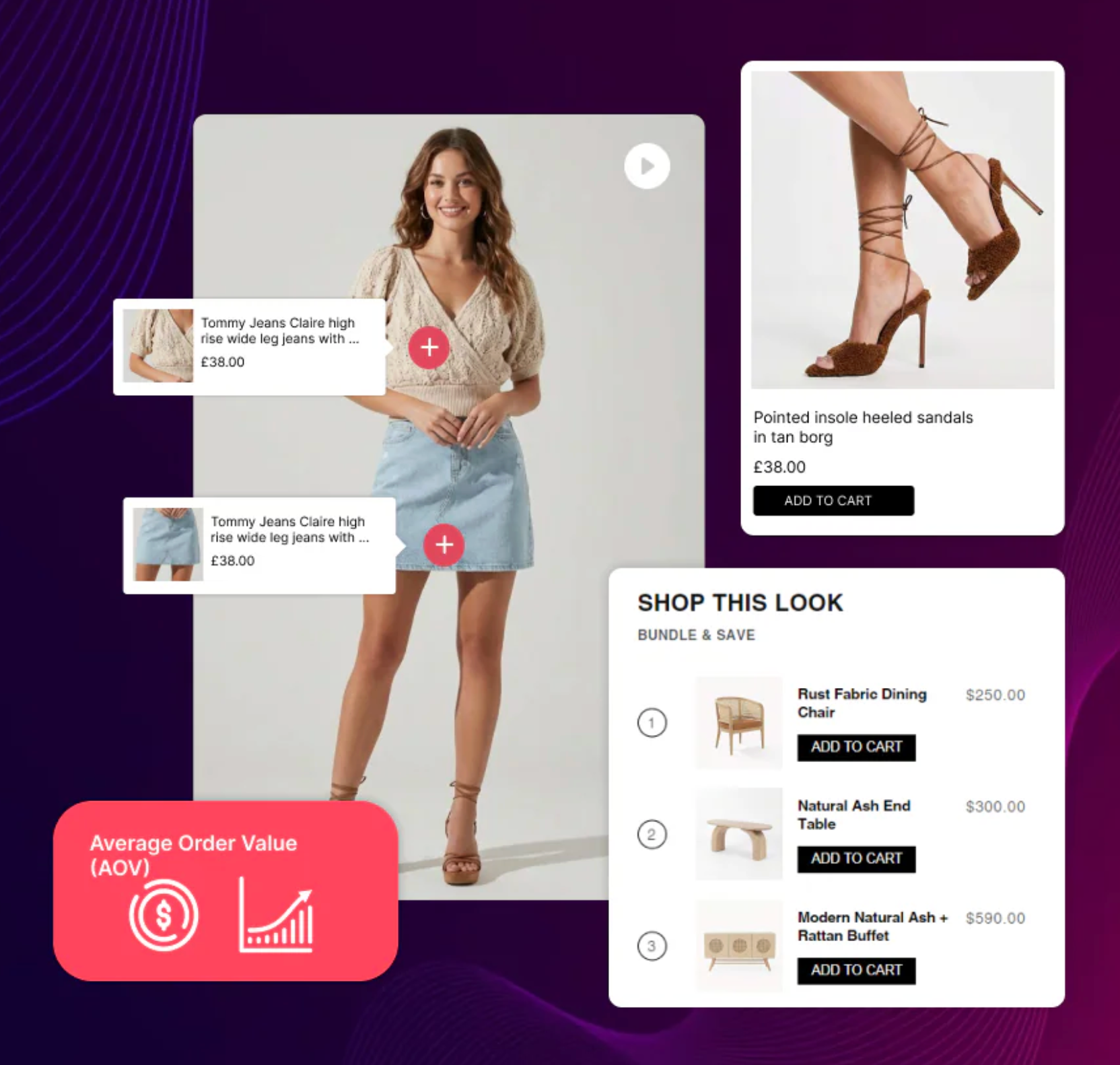
Even the most visually appealing lookbook needs guidance to convert. Without clear calls to action, customers may browse passively without taking the next step. Effective CTAs provide direction while reinforcing ease and value. They help move customers smoothly from inspiration to checkout.
Well-placed CTAs turn engagement into measurable results.
Trust plays a decisive role in conversion, particularly for first-time visitors. Social proof reduces uncertainty by showing that others have already purchased and enjoyed your products. Seeing real people using or wearing items increases confidence and lowers perceived risk. This reassurance often makes the difference between browsing and buying.
Social validation strengthens credibility at key decision points.
Lookbooks should be treated as evolving content, not static pages. Trends shift, inventory changes, and customer expectations grow over time. Outdated visuals or unavailable products can reduce trust and damage the shopping experience. Regular updates keep your brand relevant and engaging.
Fresh content signals professionalism and ongoing care.
A lookbook can only convert if customers can easily find it. When hidden deep in navigation, its impact is significantly reduced. Strategic placement ensures lookbooks influence shoppers during key moments of consideration. Visibility directly affects engagement and conversion potential.
Placement should align with the customer journey.
Publishing a lookbook is just the beginning. Ongoing optimization is what separates average results from high performance. Data reveals how customers interact, where they hesitate, and what drives action. Without tracking, improvements become guesswork.
Continuous refinement turns insights into sustainable growth.
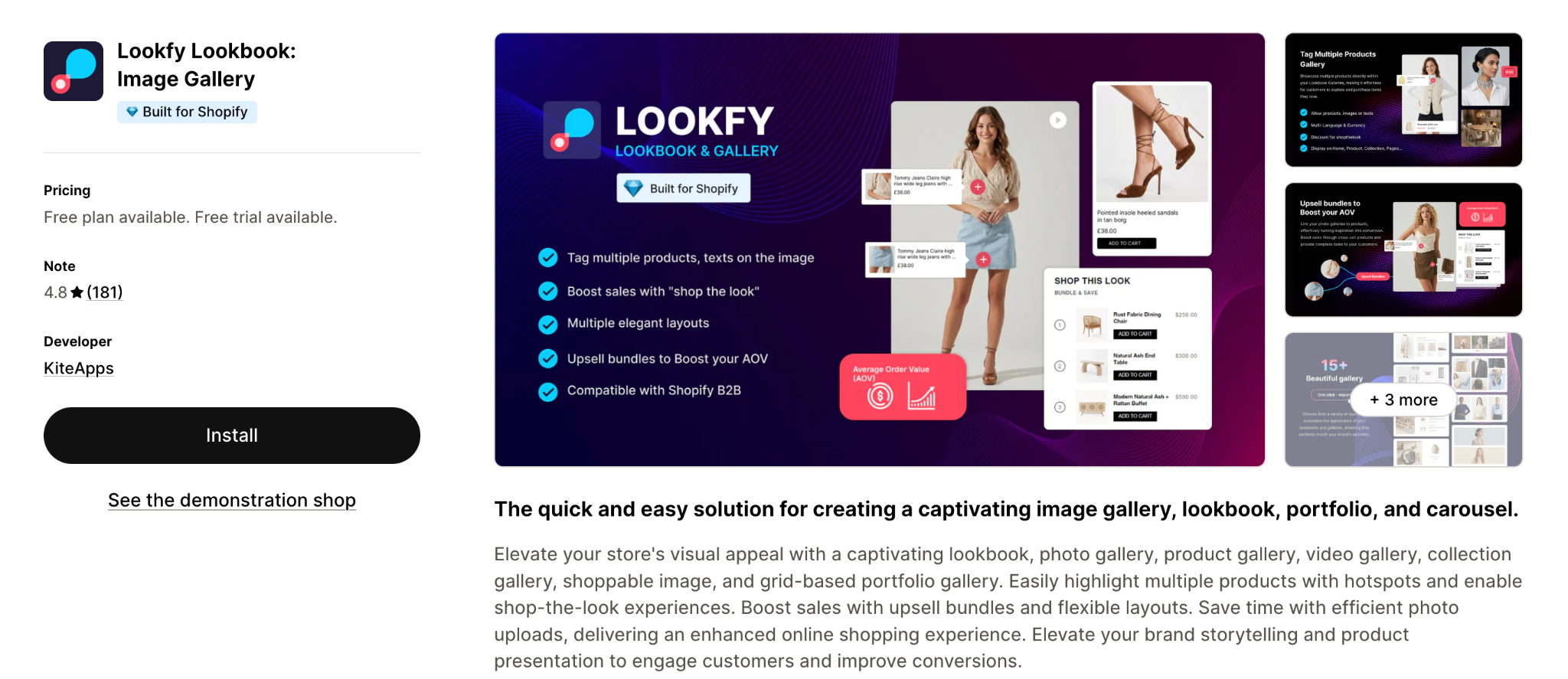
Creating a high-converting lookbook requires more than attractive visuals, yet it demands seamless interaction, flexible design, and smooth purchasing flows. This is where Lookfy plays a critical role by turning visual inspiration into an actionable shopping experience. Instead of relying on custom development or complex setups, Lookfy empowers merchants to build professional, shoppable lookbooks directly inside their store. The result is faster implementation, better user experience, and higher conversion potential.
With the right tools in place, Lookfy helps bridge the gap between inspiration and purchase.
High-converting lookbooks succeed because they balance inspiration with clarity and usability. They reduce friction, guide customers visually, and make purchasing feel natural rather than forced. When structured with intention and optimized over time, lookbooks become a powerful sales channel, not just a visual feature.
By applying these best practices consistently, brands can transform visual storytelling into long-term, scalable revenue growth.