New to Shopify? Free trial, then $1/month for your first 3 months. Start free trial →
 Where is your store?
Ryviu works with both – pick yours to continue.








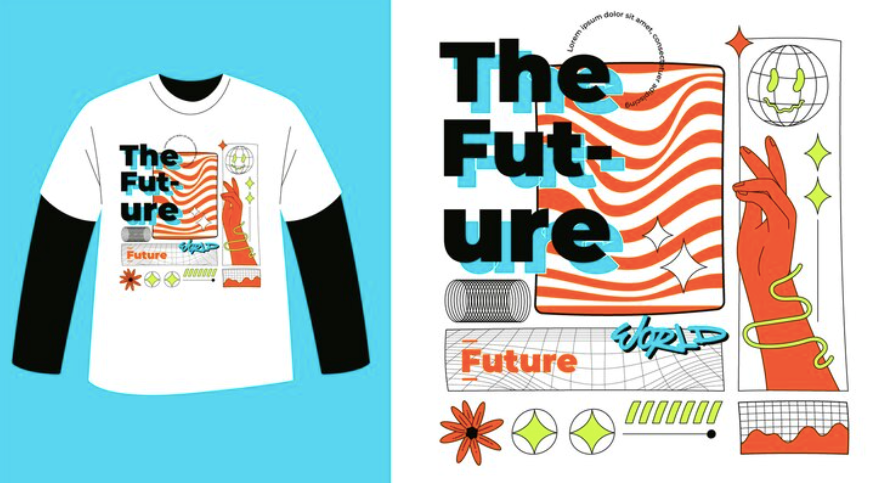
Print-on-demand offers incredible flexibility, allowing brands to launch products without inventory risk. But that flexibility comes with a hidden challenge: you rarely see the product until your customer does. That’s where sample ordering becomes essential. Ordering samples isn’t just about checking design placement—it’s about uncovering potential issues before they turn into costly returns, negative reviews, or brand damage. From fabric quality to print durability, small surprises can have big consequences.
This guide explores how to approach print-on-demand sample ordering strategically, so you can spot problems early, set realistic expectations, and confidently scale without unpleasant surprises from your suppliers.
Mockups are polished, controlled, and idealized. They show products in perfect lighting, with flawless alignment and vibrant colors. Real products, however, behave differently. Fabrics absorb ink differently, seams affect design placement, and certain colors shift depending on material and print method. Sample ordering bridges this gap. It allows you to see how your design behaves in real-world conditions rather than relying on digital previews that rarely reflect actual production results.
Not all POD suppliers interpret files the same way. Even when using identical artwork, two suppliers can produce noticeably different results due to printing technology, garment sourcing, curing processes, and quality standards. Sample orders help you understand how each supplier operates in practice. Without testing, you may assume consistency that simply doesn’t exist, leading to unexpected variations once customers start ordering.
At first glance, a sample may look acceptable. But quality evaluation goes deeper than appearance. Print thickness, edge sharpness, and ink saturation all influence how a product feels and performs over time. A sample allows you to check whether prints crack when stretched, fade after washing, or feel stiff against the skin. These details are critical in categories like apparel, where comfort and durability strongly influence repeat purchases.
The garment itself is just as important as the design. Samples help you evaluate fabric weight, softness, stretch, and stitching quality. A shirt that looks great on a model may feel rough or flimsy in person. Fit can also vary by supplier, even when sizes are labeled the same. Trying on samples reveals whether sizing runs small, large, or inconsistent—insights that help you write more accurate product descriptions.
One of the most common surprises in POD is color inconsistency. Colors that appear bold on-screen may look muted on fabric, especially on darker garments. Some inks blend differently depending on material type, causing unexpected shading or dullness. Sample ordering lets you identify which color palettes translate well and which need adjustment before public launch.
Print placement often differs slightly between mockups and real production. Seams, collars, zippers, and garment cuts can shift designs higher, lower, or off-center. While minor shifts may be acceptable, larger misalignments can affect product appeal. Seeing a physical sample helps you decide whether to resize or reposition designs to maintain visual balance.
Packaging is part of the customer experience, especially for gifts or premium products. Samples reveal how items are folded, protected, and labeled. You may discover wrinkling issues, minimal protection, or unbranded packaging that doesn’t align with your brand image. Identifying this early gives you time to upgrade packaging or manage customer expectations.
Not every product needs immediate sampling. Start with best-selling designs, high-ticket items, or products central to your brand identity. These items carry the highest risk if quality falls short. Sampling strategically ensures you allocate budget where it matters most while still gaining meaningful insights.
Ordering one version of a product may not reveal the full picture. Colors, sizes, and materials can behave differently. Sampling multiple variants helps you understand which combinations perform best and which should be avoided. This approach is especially valuable for apparel, where fabric color dramatically affects print appearance.
If you’re deciding between suppliers, order the same design from each one. Comparing results side by side reveals differences in print clarity, fabric quality, and finishing. This direct comparison removes guesswork and allows you to choose partners based on real outcomes rather than promises or pricing alone.
To truly evaluate a sample, step into your customer’s shoes. Unpack the item as they would. Touch the fabric, inspect the print, and notice any odors or wrinkles. Wear or use the product in normal conditions. These small details shape customer perception more than technical specifications.
A single inspection isn’t enough. Wash apparel samples multiple times, following recommended care instructions. Observe how prints age, whether colors fade, and if fabric loses shape. For non-apparel items, test exposure to heat, moisture, or friction. Durability testing reveals whether products can withstand everyday use without degrading quickly.
Samples often change how you describe products. You may realize that a shirt is softer than expected, slightly thinner, or more fitted than standard sizing. Incorporating these details into descriptions builds trust and reduces returns. Honest descriptions attract customers who are more likely to be satisfied with their purchase.
If the sample doesn’t perfectly match your mockups, adjust the visuals. It’s better to show slightly muted colors than oversell vibrancy. Authentic visuals reduce post-purchase disappointment and improve review quality. In the long run, accurate representation protects your brand reputation.
Sample ordering opens the door to clearer communication with suppliers. Once you identify what you like and dislike, you can establish quality expectations. Share feedback, request adjustments, and confirm whether changes are scalable. Suppliers who respond positively to feedback are better long-term partners.
Not all issues can be fixed. Some suppliers may have limitations in color accuracy, material sourcing, or finishing options. Sample testing helps you understand these boundaries so you can design within them rather than fighting against them. Successful POD brands adapt designs to supplier strengths instead of forcing unrealistic outcomes.
Most returns happen when products don’t match expectations. Samples help you anticipate customer reactions and adjust before launch. When customers receive exactly what they expected, satisfaction rises, and refund requests drop. This not only protects revenue but also strengthens platform trust signals.
Launching ads or influencer campaigns without sampling is risky. Samples give you confidence that what you promote matches reality. When your marketing aligns with actual product quality, campaigns perform better, and customers feel reassured rather than misled.
Sample ordering shouldn’t be a one-time event. It should be part of your ongoing workflow, especially when introducing new products or suppliers. Regular sampling ensures consistency as suppliers update materials, equipment, or processes over time. It also helps you catch gradual quality shifts before customers do.
Keep records of sample results, including photos, notes, and comparisons. This documentation becomes invaluable as your catalog grows. It helps you avoid repeating mistakes and speeds up decision-making when testing new designs or expanding into new categories.
Print-on-demand sample ordering is more than a precaution—it’s a strategic investment in brand trust and long-term growth. By testing products before customers ever see them, you uncover hidden issues, refine your designs, and align expectations across marketing, fulfillment, and customer experience. Samples give you clarity in a business model built on flexibility and speed.
When used intentionally, they transform uncertainty into confidence and help you scale without unpleasant surprises. In a competitive POD landscape, brands that sample smartly don’t just avoid mistakes—they build stronger, more reliable businesses from the start.