New to Shopify? Free trial, then $1/month for your first 3 months. Start free trial →
 Where is your store?
Ryviu works with both – pick yours to continue.









As a business owner, you already know that staying relevant, producing high-quality content, and consistently targeting the right keywords are essential for long-term SEO success. However, there’s another powerful but often overlooked element of SEO that can dramatically amplify your traffic and visibility: seasonal SEO.
Seasonal SEO allows you to take advantage of predictable fluctuations in search behavior based on holidays, annual events, and seasonal changes. Whether you’re running an eCommerce store, a blog, or a service-based business, tapping into these recurring trends allows you to ride the wave of increased interest, giving you more visibility, more traffic, and ultimately more conversions during peak periods.
In this comprehensive guide, we’ll break down what seasonal SEO is, why it matters so much, how to implement it effectively, and the best practices you can follow to maximize your results every year.
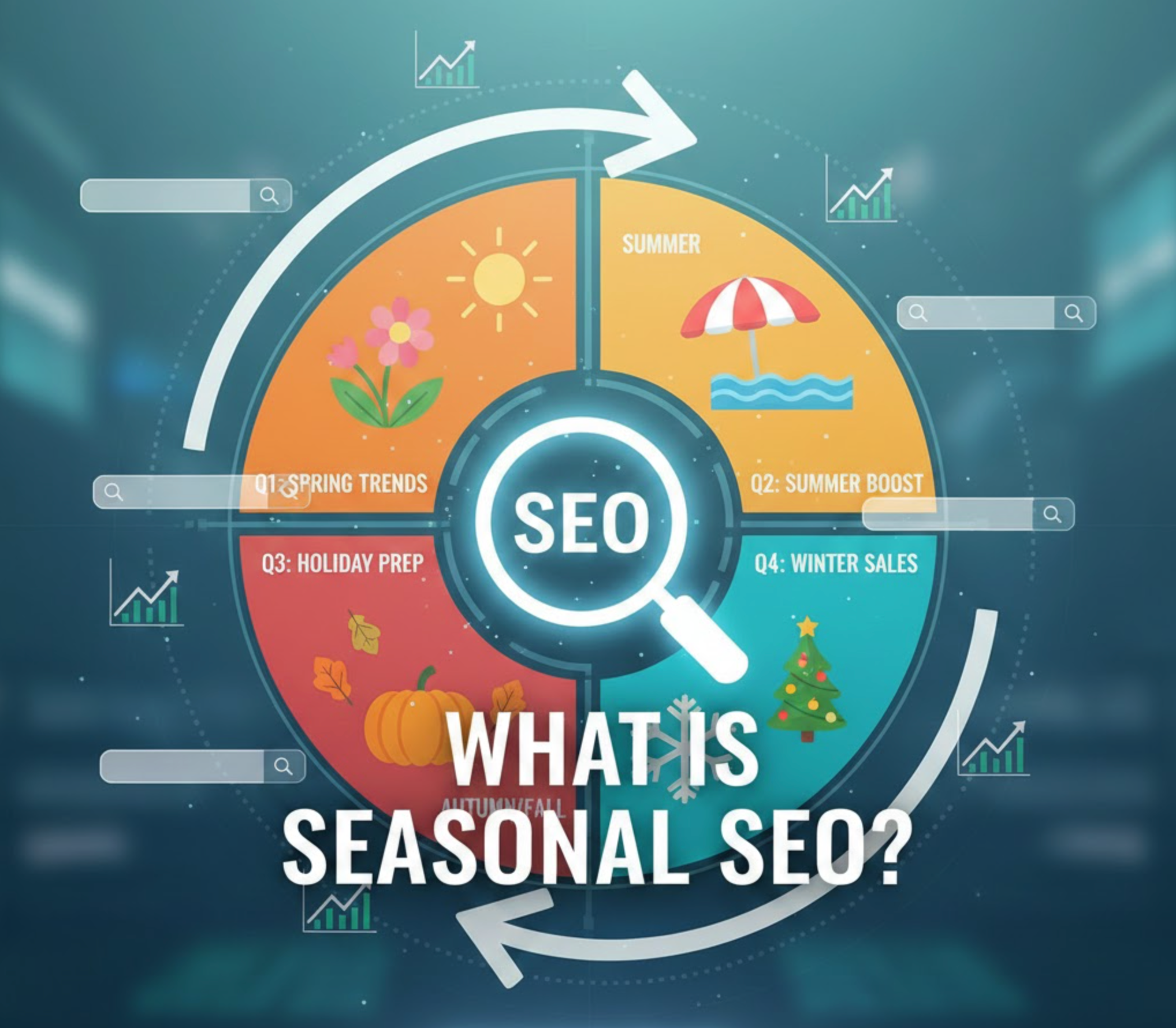
Seasonal SEO refers to the process of optimizing your website content, keywords, and overall search strategy to align with trends that occur at specific times of the year. These might include global holidays, cultural events, weather patterns, or industry-specific busy seasons.
For example:
While traditional SEO focuses on long-term growth and evergreen relevance, seasonal SEO is designed to capitalize on short-term surges in demand by matching what users are actively searching for at precise moments.
Key Components of Seasonal SEO Include:
When you strategically align your content and optimization efforts with predictable search trends, you put your business in a perfect position to capture surges of organic traffic and convert seasonal interest into sales or leads.
Seasonal SEO is about being timely and meeting customer intent at the exact moment they are ready to take action. This makes it one of the most effective ways to boost visibility and maximize conversions. Here’s why it matters so much.
Search volumes often spike dramatically around certain keywords during specific times of the year. If your website isn’t optimized for those keywords, you’re likely missing out on potential visitors who are searching with clear intent. Seasonal SEO allows you to tap into this heightened activity precisely when demand is at its highest.
Users searching for seasonal terms tend to be highly motivated. Someone searching for “Black Friday laptop deals,” for example, is already planning to buy. When your content matches their seasonal needs, you create a frictionless path from search to action, resulting in far better conversion rates compared to non-seasonal searches.
For local businesses, restaurants, salons, event venues, and more, seasonal searches can be critical. Queries like “holiday brunch near me” or “spring spa packages in [city]” are driven by immediate needs. Optimizing for seasonal local keywords ensures your business appears when customers nearby are actively searching.
Many competitors ignore seasonal SEO entirely or wait until it’s too late to make meaningful updates. By thinking ahead and executing early, you can outrank businesses that fail to prepare, giving you a strategic advantage in visibility and market share.
To get the best results, your seasonal SEO strategy should be proactive, structured, and data-driven. Below is a refined and expanded version of the implementation guide blending your provided content with additional details.
Begin by mapping out the holidays, events, and seasonal patterns that matter most for your industry. Examples include:
Once you identify relevant events, use tools like: Google Trends, Google Keyword Planner, Hike SEO, Semrush, Ahrefs
These tools help you uncover trending keywords, search spikes, and user intent patterns.
A well-organized calendar ensures your content goes live early enough to rank. Search engines need a few weeks to index and understand your pages, so early planning is critical.
Here’s a good timeline:
Example workflow:
This proactive approach ensures your content appears just as interest peaks.
Once your seasonal themes and keywords are ready, optimize your site:
Seasonal SEO should enhance user experience—not just stuff keywords. Provide practical tips, examples, comparisons, gift guides, checklists, or visuals that genuinely help the reader.
After the seasonal event concludes, review your performance:
Use Google Analytics, Search Console, and Hike SEO to track year-over-year improvements. This data becomes your blueprint for the next seasonal cycle.
This section is now significantly boosted with more actionable guidance and smoother transitions.
Seasonal SEO works best when you combine long-term preparation with strategic timing. Below are the most essential best practices, now expanded with deeper explanations and practical examples so you can implement them immediately.
A critical best practice is to begin preparing well before search demand starts rising. Many brands mistakenly wait until the season is already here, which limits how quickly Google can crawl, index, and rank the updated content.
Why this matters:
Google requires time to understand your updated pages, evaluate internal links, gather user engagement signals, and compare your content to competitors. The earlier you optimize, the better chance you have to rank when search volume hits its peak.
Look at historical trend spikes and set internal deadlines. For example:
Early preparation gives you a strong competitive edge.
Instead of creating new URLs annually, maintain consistent evergreen URLs and simply update the content each season. This tactic is essential because it allows the page to build domain authority, accumulate backlinks, and preserve ranking history.
Why it matters:
A page that has been active for multiple years often outranks a brand-new page, even if the new page has similar content, because Google values established authority.
For example: Use: /black-friday-deals in stead /black-friday-2024-deals
You can add the current year in titles and H1s, but keep the URL clean and timeless.
Even if your URL stays the same, your content must evolve. Seasonal search behavior changes slightly every year, and new competitors always enter the market.
Why this matters:
Fresh content signals relevance. It also improves click-through rates because searchers naturally prefer up-to-date information.
Each year, you should add:
This approach keeps your page both competitive and comprehensive.
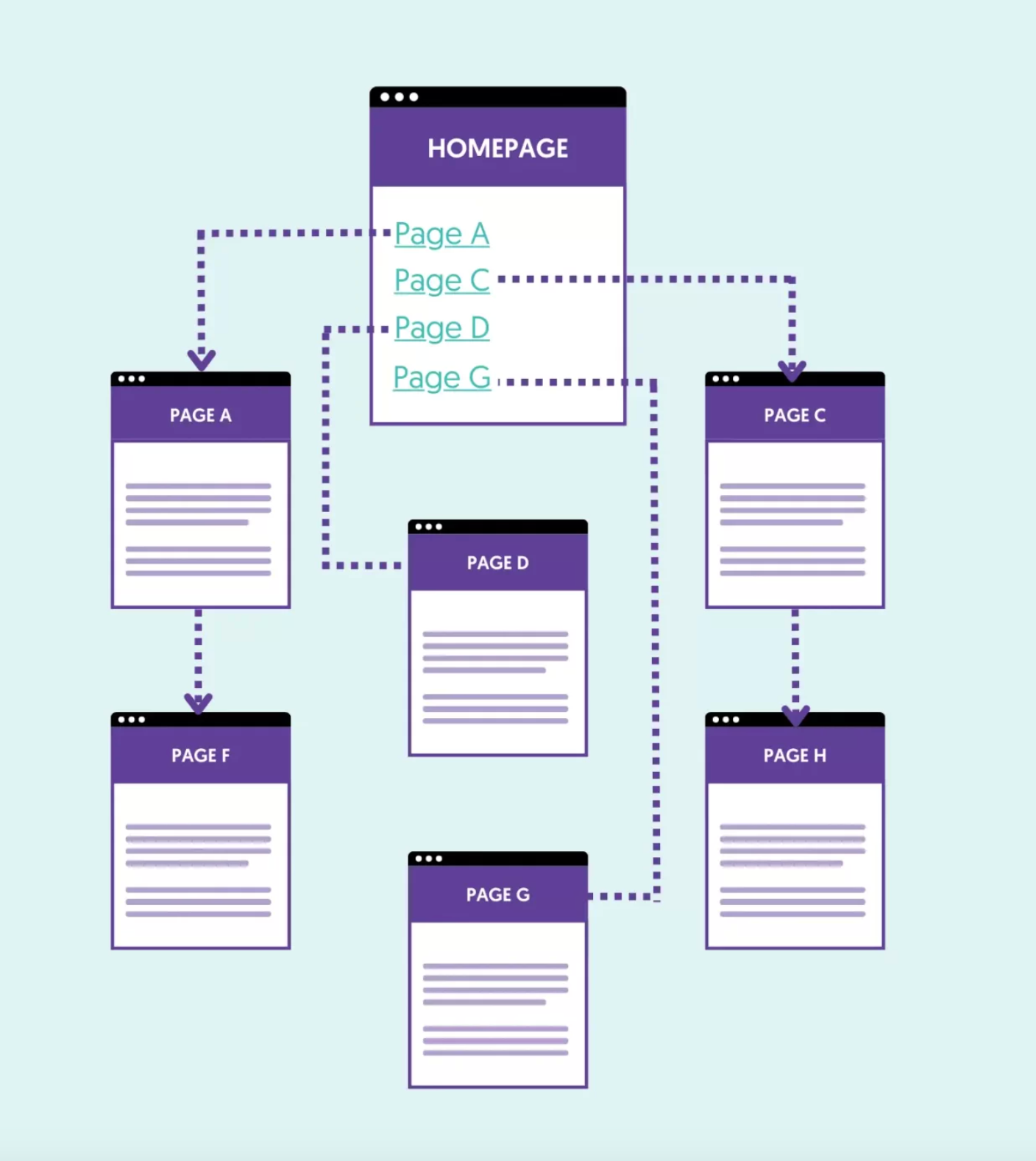
Internal linking plays a major role in boosting seasonal pages. By strategically linking from high-authority evergreen pages to your seasonal landing pages, you pass link equity and help search engines prioritize those URLs.
Why it matters:
Google uses internal linking to understand which pages are “important” within your site structure. More internal links = higher visibility and better ranking potential.
Before the season begins, you need to:
This creates a stronger SEO foundation when search demand spikes.
Schema markup helps search engines understand your seasonal offers more accurately. For example, adding Offer, Product, FAQ, or Event schema can make your page more eligible for rich results.
Why it matters: Rich results improve click-through rates, which indirectly improves rankings.
In this case, you should add schema for:
The more structured your data is, the easier it is for Google to interpret and display your seasonal relevance.
Your title tags and meta descriptions should immediately reflect the seasonal context. Since users often search for the current year or phrases like “best,” “top,” or “latest,” updating metadata can increase clicks dramatically.
Why it matters: Metadata is one of the first signals Google and users see. Seasonal updates help your page look relevant and timely.
Here are some examples for more understanding:
Metadata should be updated at least once each season.
Seasonal content benefits greatly from cross-channel amplification. The earlier you drive user engagement, the faster your page builds behavioral signals such as clicks, dwell time, and social shares.
Why this matters: These metrics indirectly influence rankings and help Google determine which seasonal pages deserve higher placement.
Before the season begins:
This early momentum helps push your page higher as search volume grows.
Trends shift quickly, especially with event-based seasonality. A sudden weather change, viral product, or trending topic can rapidly alter search volumes. Staying updated allows you to make timely adjustments.
Why it matters: Brands that react the fastest often dominate temporary keyword surges that competitors
Below are some platforms for you to monitor:
When you see a trend spike, update your page or create a new micro-landing page immediately.
Seasonal SEO is a strategic, forward-thinking approach that helps you align your content with predictable shifts in customer search behavior. When planned well and executed early, it not only captures massive traffic spikes during critical moments but also strengthens your long-term SEO foundation.
By preparing months ahead, updating content annually, reinforcing internal linking, optimizing metadata, and reacting quickly to emerging trends, you can consistently outperform competitors year after year. Whether you're running an online store, a content site, or a local service business, implementing a robust seasonal SEO strategy ensures you remain visible, relevant, and competitive throughout every seasonal demand cycle.