New to Shopify? Free trial, then $1/month for your first 3 months. Start free trial →
 Where is your store?
Ryviu works with both – pick yours to continue.








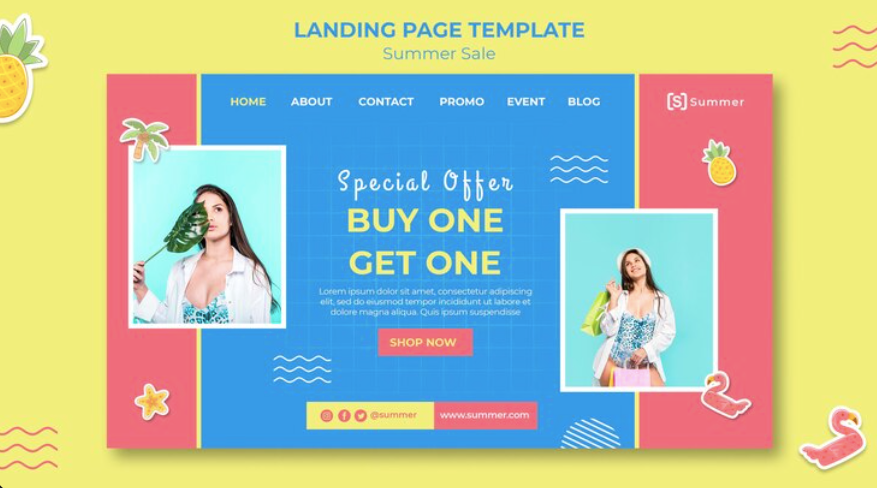
When it comes to building a Shopify store that actually converts, not all pages are created equal. Some are built to inform, others to sell—and knowing the difference can make or break your eCommerce success. One of the biggest confusions store owners face is between a landing page and a regular page. While both exist on your Shopify site, their goals, structure, and performance potential are very different. Understanding how to use each type effectively—and how to design them with the right templates—can help you dramatically increase conversions, build trust, and elevate your brand experience.
In this article, we’ll explore the five key differences between Shopify landing pages and regular pages, how they influence your sales funnel, and introduce seven high-performing templates you can use right now to start turning visitors into buyers.
Before diving into differences, it’s important to understand what each type of page actually does in Shopify’s ecosystem. Every store is built with a variety of page types—homepages, product pages, collection pages, blog posts, and more. But landing pages and regular pages stand out because they play distinct roles in driving conversions and shaping customer journeys.
A regular page in Shopify is typically a content or information page—like an About page, Contact page, or FAQ. It informs and builds trust. On the other hand, a landing page is a purpose-built, standalone page designed to convert visitors toward a single goal—whether that’s signing up for a newsletter, making a purchase, or joining a campaign.
Think of it this way: your regular pages tell your story, while your landing pages sell your story.
The first major difference is intent. A regular page exists to provide information or support navigation, while a landing page is crafted with a single goal in mind—conversion.
Landing pages are optimized to drive specific actions such as:
Regular pages, meanwhile, tend to educate or provide background information. For example, your “About Us” or “Shipping Policy” page informs visitors about your brand and logistics but doesn’t directly push a conversion.
Landing pages focus on clarity and persuasion—every word, image, and button is there for one purpose: to make the visitor take action.
Design philosophy differs significantly between these two page types. Regular Shopify pages usually share your site’s default layout—header, footer, navigation menus, and sometimes a sidebar. They’re designed for browsing and consistency.
Landing pages, however, strip away distractions to create a guided experience. They remove unnecessary navigation, limit exit options, and use visuals and CTAs (calls-to-action) to direct users toward conversion.
A typical high-performing landing page includes:
The minimalist design reduces cognitive load and increases the likelihood that the visitor completes the goal.
The way you communicate on each page type is fundamentally different. A regular page speaks broadly to your audience—covering brand stories, product information, or customer service details.
A landing page, on the other hand, speaks directly to a specific audience segment with targeted messaging. It’s not about general brand awareness—it’s about relevance and persuasion.
For instance:
Effective landing page copywriting often uses:
By contrast, a regular page avoids overt sales tactics and aims to inform rather than convert.
One of the most overlooked differences lies in how visitors reach each type of page. Regular pages are often accessed through organic browsing—like navigation menus, search results, or internal links. They serve as part of your overall brand experience.
Landing pages, however, are typically tied to specific campaigns. Visitors arrive from paid ads, email marketing, influencer campaigns, or social promotions. Because of this, they already carry intent—they’re looking for something specific.
That’s why landing pages must immediately deliver on expectations set by the ad or campaign. Consistency between the ad and landing page experience is crucial for conversion success.
In short:
Understanding this distinction helps you craft more aligned content journeys that match what visitors expect.
Finally, success metrics for these pages differ significantly. A regular Shopify page might be measured by engagement metrics—time on page, bounce rate, or navigation flow.
A landing page, however, lives or dies by its conversion rate. Everything from layout and copy to button color and placement is tested and refined to boost performance.
Common landing page metrics include:
Because landing pages are campaign-specific, they require continuous A/B testing and optimization, while regular pages focus more on evergreen design and user experience consistency.
Knowing when to deploy each type of page is just as important as understanding their differences.
You should use a landing page when:
Use a regular page when:
A smart Shopify strategy uses both in harmony. Landing pages drive campaigns, while regular pages nurture trust and brand authority.
Now that we’ve covered the key differences, let’s explore seven landing page templates that you can use to enhance conversions on your Shopify store. These templates are designed to match modern design principles—mobile-first layouts, persuasive content blocks, and integrated social proof.
Ideal for new collections or limited releases, this layout focuses on storytelling and anticipation.
Features include:
Perfect for Black Friday, Cyber Monday, or holiday campaigns.
Core elements include:
Designed to grow your email list and social engagement.
Highlights include:
Great for brands using content to attract subscribers.
Structure:
Tailored for influencer-driven campaigns or ambassador programs.
Features:
Useful for testing demand before launching a product.
Includes:
A narrative-driven page built around social validation.
Elements:
Each template can be customized using Shopify builders like Instant Section & Page Builder, PageFly, GemPages, or EComposer to create dynamic, conversion-oriented designs without code.
A landing page must do more than just convert—it has to build trust. Especially for international audiences, features like local currencies, language adaptation, and localized testimonials make a huge difference.
Consider these best practices:
A cohesive experience from ad to checkout reinforces confidence and keeps customers engaged.
No matter which template you choose, social proof remains one of the strongest trust signals. Integrating review apps like Ryviu, Judge.me, or Loox helps turn customer voices into conversion tools.
Best practices include:
These small touches can increase click-through rates and reduce hesitation at the purchase stage.
Shopify landing pages and regular pages each have unique roles in shaping your eCommerce success. While regular pages inform, landing pages convert—and mastering the difference allows you to optimize both for their purpose. By focusing on the five key distinctions—purpose, design, content, traffic, and metrics—you can align your strategy to customer intent.
With the right templates, from product launches to influencer campaigns, your landing pages can become powerful conversion engines that integrate seamlessly with your store’s ecosystem. When combined with authentic reviews, localized content, and data-driven optimization, you’ll transform ordinary visitors into loyal, repeat customers—and make every click count in 2026.