New to Shopify? Free trial, then $1/month for your first 3 months. Start free trial →
 Where is your store?
Ryviu works with both – pick yours to continue.








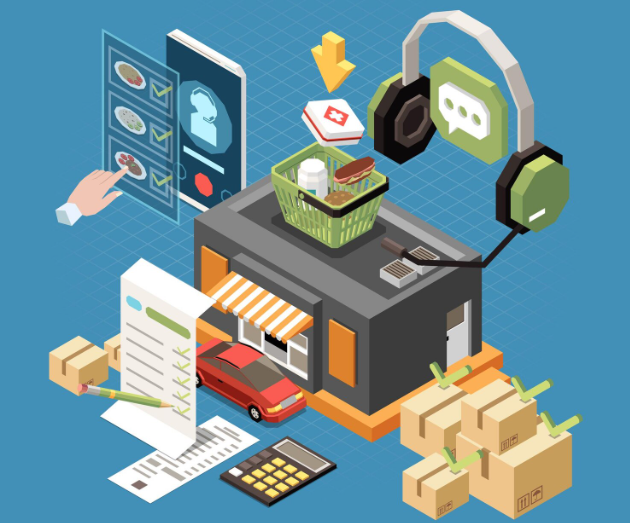
As Shopify stores continue to scale and customer expectations rise, fulfillment has become one of the most complex — and expensive — parts of eCommerce operations. Shoppers want fast shipping, low costs, environmentally conscious packaging, and real-time updates. Merchants want stable margins and fewer operational headaches.
Smart order consolidation has emerged as one of the most effective solutions for balancing these demands. Instead of treating each order as an isolated event, consolidated fulfillment groups the right items, shipments, and processes to create faster, cheaper, and more efficient delivery experiences.
In this guide, we explore why consolidation is on the rise, how it works in modern Shopify ecosystems, and what merchants can do to implement it at scale.
Smart order consolidation is more than just combining multiple items into one box. In today’s Shopify ecosystem, consolidation refers to using automated data, inventory logic, and predictive rules to decide the most efficient way to fulfill products — whether that means grouping orders from the same customer, merging shipments from warehouses, or timing fulfillment to avoid unnecessary split orders.
The goal is to minimize waste while maximizing speed. By consolidating intelligently, stores can reduce packaging costs, shorten delivery windows, and create more consistent customer experiences. Unlike manual consolidation performed by warehouse workers, smart consolidation relies on software that evaluates shipping times, order combinations, available inventory, warehouse locations, and customer preferences.
Shopify merchants today face rising shipping costs, stricter sustainability expectations, and increasingly competitive delivery benchmarks set by Amazon and marketplace logistics. Smart consolidation helps solve these challenges by optimizing fulfillment at the order level, the warehouse level, and the brand level. The more a business grows, the more necessary consolidation becomes. At scale, it becomes impossible to manage consolidation manually, making automation essential.
Shipping fees continue to increase worldwide. Carriers introduce surcharges for weight, zone, size, and peak seasons. Every additional box a store sends out increases expenses dramatically. Consolidation helps merchants cut shipping costs by reducing the number of parcels sent, lowering dimensional weight, and minimizing carrier fees.
Consumers now expect seamless, predictable, affordable delivery. When buyers place multiple orders within a short time or purchase items stored in multiple locations, they expect unified tracking and minimal packaging. Smart consolidation supports this by creating a smoother customer experience, reducing confusion, and improving transparency.
With Shopify Fulfillment Network (SFN), third-party fulfillment apps, AI-backed tools, and 3PL integrations, merchants now have more control over how orders are processed. These systems share inventory data more efficiently, allowing for automated consolidation decisions. This increased visibility is what enables smarter, more accurate fulfillment workflows.
Fulfillment apps use advanced rules to determine how, when, and where an order should be shipped. These rules take into account:
Automated logic ensures that consolidation does not delay orders beyond acceptable timeframes. If merging shipments would slow delivery too much, systems can skip consolidation to prioritize speed.
For merchants with multiple warehouses or 3PLs, smart consolidation becomes even more valuable. The system identifies the most efficient source of inventory and decides whether to split or consolidate based on warehouse proximity. The technology may reroute products to fewer warehouses, time shipments differently, or update stock allocation to support consolidated workflows.
Consolidation reduces the number of boxes shipped, lowers dimensional weight, and reduces carrier fees. It also decreases labor costs in warehouses because fewer individual picks, packs, and labels are required. These savings compound significantly for high-volume stores.
Customers appreciate receiving fewer packages, unified tracking, and cleaner communication. Smart consolidation ensures the right balance between speed and efficiency. The result is fewer customer complaints, fewer “Where is my order?” inquiries, and smoother post-purchase experiences.
Eco-conscious shoppers increasingly expect merchants to minimize waste. By reducing packaging and transportation emissions, consolidation aligns brands with sustainability standards. Many stores use this advantage in their value propositions to attract environmentally aware buyers.
Consolidation encourages better inventory forecasting and warehouse coordination. Because systems must track inventory in real time to consolidate effectively, merchants develop more accurate stock visibility. This reduces overselling, stockouts, and rushed shipments from distant warehouses.
If a customer places two orders within a certain time window — for example, within 12 hours — Shopify fulfillment apps automatically merge them into a single shipment. This reduces both cost and confusion.
When a store has items stored in different warehouses, consolidation logic determines whether to reroute items to one warehouse for unified shipping or to split the shipment. If consolidation yields meaningful cost savings without unacceptable delays, the system chooses that path.
Some merchants allow consolidation for preorders to reduce multiple shipments, while others avoid it to prevent delays. Smart consolidation systems give merchants rules for:
This gives brands full control over timing and customer expectations.
AI-driven tools analyze purchasing patterns, delivery zones, and historical data to recommend the most efficient consolidation strategies. They can predict when customers are likely to place additional items and decide whether to delay fulfillment slightly for potential consolidation.
Without real-time inventory syncing, consolidation would be nearly impossible. Today’s Shopify apps and 3PL systems allow instant updates across warehouses and sales channels. This reduces picking errors and ensures accurate consolidation decisions.
Fulfillment tools evaluate product size, weight, and fragility to determine the optimal packaging for consolidated shipments. This reduces overpacking and lowers dimensional fees.
The biggest challenge is ensuring that consolidation does not delay orders. Merchants need clear rules to define how long an order can wait for potential consolidation. Striking the right balance is crucial; if consolidation slows delivery too much, customer satisfaction may suffer.
Smart consolidation relies heavily on real-time inventory accuracy. Inaccurate stock levels can cause misrouted shipments, overselling, or failed consolidation attempts.
When using multiple fulfillment partners, not all warehouses follow the same rules. Merchants must ensure that each partner is aligned with consolidation policy and automation settings.
Some customers may want fast shipping, even if it means multiple packages. Others prefer fewer packages, even at the cost of a short delay. Merchants must clearly communicate expectations to avoid misunderstandings.
Merchants should define specific consolidation rules such as:
Automation ensures these rules are applied consistently.
Some brands offer customers the ability to choose consolidation at checkout. This gives shoppers more control while reducing confusion and dissatisfaction.
Not all products are equally easy to consolidate. It’s helpful to categorize products by fragility, weight, and warehouse location so the system makes intelligent decisions.
If a brand sells on Shopify, Amazon, TikTok Shop, and marketplaces, consolidation rules must apply globally. Integrating all channels gives consolidation software full visibility and ensures optimal routing.
Shopify continues to expand its fulfillment capabilities, giving merchants more sophisticated options for managing distributed inventory. As more tools integrate directly into Shopify, consolidated fulfillment will become increasingly automated.
Future systems will use customer behavior to predict consolidation opportunities. High-frequency buyers may automatically have their orders grouped to create a premium experience.
As governments push for reduced packaging waste, consolidation will shift from optional to essential. Shopify merchants who implement it early will be ahead of the curve.
Artificial intelligence will analyze browsing history, cart patterns, and purchasing behavior to determine when customers are likely to add more items. This could reduce premature shipments and increase consolidation efficiency.
Smart order consolidation is rapidly becoming one of the most valuable tools for Shopify merchants who want to reduce costs, improve customer experience, and strengthen operational efficiency. As fulfillment grows more complex, brands must adopt strategies that balance speed, cost, and sustainability. Consolidation achieves this by intelligently grouping orders, coordinating warehouse workflows, and automatically optimizing shipping decisions.
With the rise of AI-driven fulfillment tools and better Shopify integrations, merchants of all sizes now have access to automated systems that were once available only to enterprise businesses. Embracing smart order consolidation today prepares your brand for a more streamlined, efficient, and customer-centric future in eCommerce.