New to Shopify? Free trial, then $1/month for your first 3 months. Start free trial →
 Where is your store?
Ryviu works with both – pick yours to continue.








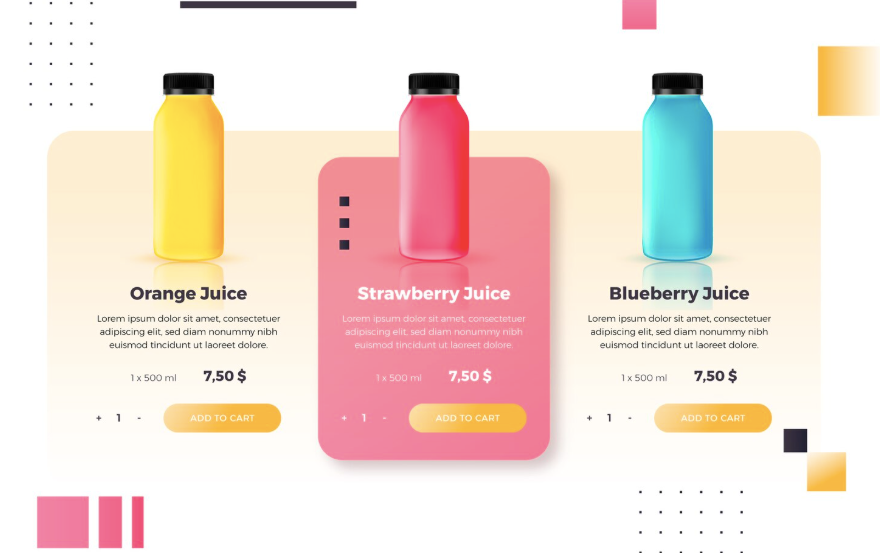
In eCommerce, offering product variants is both an opportunity and a challenge. Variants—such as size, color, material, or configuration—allow businesses to cater to diverse customer needs. However, when presented poorly, they can overwhelm shoppers and lead to hesitation or even cart abandonment. Customers don’t want to feel like they are solving a puzzle just to make a purchase. Instead, they expect a smooth and intuitive experience that helps them quickly identify the option that best fits their needs.
Structuring product variants effectively is not just about organization—it is about guiding decision-making, reducing friction, and ultimately increasing conversions through clarity and confidence.
At first glance, offering more options seems like a good strategy. It suggests flexibility and personalization. However, too many choices can create cognitive overload, making it harder for customers to decide.
When shoppers are faced with an overwhelming number of variants, they may second-guess their decisions or delay purchasing altogether. This phenomenon often leads to lower conversion rates despite a wide selection.
The problem is not the number of options itself, but how those options are presented.
Common challenges caused by poorly structured variants include:
Simplifying the decision-making process requires thoughtful structuring that reduces complexity without limiting choice.
Before structuring variants, it is important to understand how customers approach decisions. Most shoppers do not evaluate every available option equally. Instead, they look for cues that help them narrow down their choices quickly.
Customers often prioritize certain attributes based on their needs. For example, one shopper may focus on size, while another prioritizes color or functionality.
Effective variant structuring aligns with these natural decision patterns.
Customers typically:
By designing variant structures that follow this flow, businesses can make the selection process more intuitive and efficient.
Not all variant attributes carry the same weight. Some factors play a more significant role in decision-making and should be presented first.
For example, in apparel, size is often the primary concern, while color may come second. In electronics, configuration or specifications might take priority.
Highlighting the most important attribute first helps customers quickly narrow their options.
Key considerations when prioritizing attributes include:
When the most critical attribute is presented clearly and early, customers can move through the selection process with greater confidence.
The way variants are grouped significantly affects usability. Logical grouping helps customers understand relationships between options and reduces confusion.
Variants should be organized in a way that reflects how customers naturally categorize choices.
Effective grouping strategies may include:
Consistency is also important. When variant structures follow predictable patterns across products, customers learn how to navigate them more easily.
Clear grouping transforms a complex set of options into a structured and approachable system.
Visual cues can greatly improve how customers interact with product variants. Instead of relying solely on text, visual elements help users process information more quickly.
For example, color swatches provide an immediate understanding of available options, while images can demonstrate differences between product styles or configurations.
Visual elements make variant selection more engaging and intuitive.
Useful visual enhancements include:
These elements reduce the need for interpretation and allow customers to make faster decisions.
Customers benefit from immediate feedback as they interact with product variants. When selections update dynamically, the experience feels more responsive and informative.
Real-time feedback can include changes to images, pricing, availability, or descriptions based on the selected variant.
This responsiveness helps customers understand the impact of their choices.
Important aspects of real-time feedback include:
These updates reduce uncertainty and reinforce confidence in the selection process.
In some cases, not all variant combinations are available. For example, certain colors may not be offered in specific sizes. If not handled carefully, this can create confusion.
Customers may become frustrated when they select a combination only to discover it is unavailable.
To prevent this, invalid combinations should be handled proactively.
Effective approaches include:
By addressing these issues upfront, businesses can prevent frustration and keep the shopping experience smooth.
Some products naturally have more complex variant structures, such as customizable items or technical products. In these cases, simplification becomes even more important.
Breaking down complex decisions into manageable steps can help customers navigate the process more easily.
Strategies for simplifying complexity include:
These approaches reduce the mental effort required to make a decision.
Instead of overwhelming customers, they provide a clear path toward the best choice.
Default selections can play a subtle but powerful role in simplifying choices. By pre-selecting a common or recommended option, businesses can guide customers without restricting their freedom.
Defaults provide a starting point, reducing the effort required to begin the decision-making process.
Effective use of defaults may involve:
When used thoughtfully, default selections create a smoother and more efficient experience.
As more customers shop on mobile devices, variant structures must be optimized for smaller screens. What works well on desktop may feel cluttered or confusing on mobile.
Mobile-friendly design emphasizes simplicity and clarity.
Important considerations for mobile optimization include:
A streamlined mobile experience ensures that customers can navigate variants بسهولة, regardless of device.
Variant structuring is not a one-time task. Customer behavior evolves, and businesses must continuously refine their approach based on real-world data.
Testing different layouts and structures can reveal what works best for a specific audience.
Ongoing improvement may involve:
This iterative approach ensures that the variant structure remains effective and aligned with customer needs.
Structuring product variants effectively is essential for creating a seamless and enjoyable shopping experience. By prioritizing key attributes, organizing options logically, using visual cues, and providing real-time feedback, businesses can transform complex choices into intuitive decisions. Simplifying variant structures, guiding customers with defaults, and optimizing for mobile further enhance usability.
Most importantly, continuous testing and refinement ensure that the system evolves alongside customer expectations. When product variants are presented thoughtfully, they empower customers rather than overwhelm them—leading to greater confidence, higher satisfaction, and improved conversion rates.