New to Shopify? Free trial, then $1/month for your first 3 months. Start free trial →
 Where is your store?
Ryviu works with both – pick yours to continue.







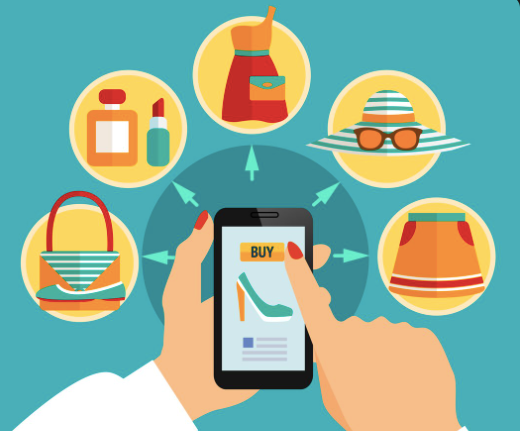
In the digital-first era, customers have endless choices—but their trust doesn’t come easily. They want proof before they purchase, especially when it comes to new or unfamiliar brands. That’s where digital product sampling comes in. Just as traditional stores used free samples to spark curiosity and drive in-store conversions, online brands are now using digital sampling to deliver that same experience—virtually. It’s a clever way to let customers “try before they buy,” reduce hesitation, and build lasting loyalty.
Digital product sampling isn’t just about giving something away—it’s a strategic sales driver. Done right, it can boost engagement, expand your reach, and transform trial users into paying customers. In this article, we’ll explore how digital product sampling works, why it matters, and five powerful ways to use it to increase conversions, strengthen trust, and scale your brand sustainably.
Before exploring strategies, it’s important to define what digital product sampling actually means. In simple terms, it’s the process of offering customers free or limited-access versions of your product—digitally. This could mean downloadable trials, freemium features, sample packs, or early-access experiences designed to mimic the product’s full value.
Unlike physical samples that require shipping and logistics, digital samples are instant. They’re ideal for digital goods like software, eBooks, music, courses, or design templates—but they’re also expanding into traditional industries through creative campaigns such as virtual demos or AR product try-ons.
The power of digital sampling lies in its psychology. When customers get to experience value before purchase, they feel a sense of ownership and trust. That emotional bridge can make them much more likely to buy—and even advocate for—the full product later.
Sampling taps into one of the strongest drivers of consumer behavior: reciprocity. When people receive something valuable for free, they naturally feel inclined to return the favor—often by purchasing, sharing, or engaging more deeply with the brand.
The benefits of digital product sampling include:
The strategy works across industries—from SaaS and cosmetics to fashion and consumer goods—and can be customized based on audience behavior.
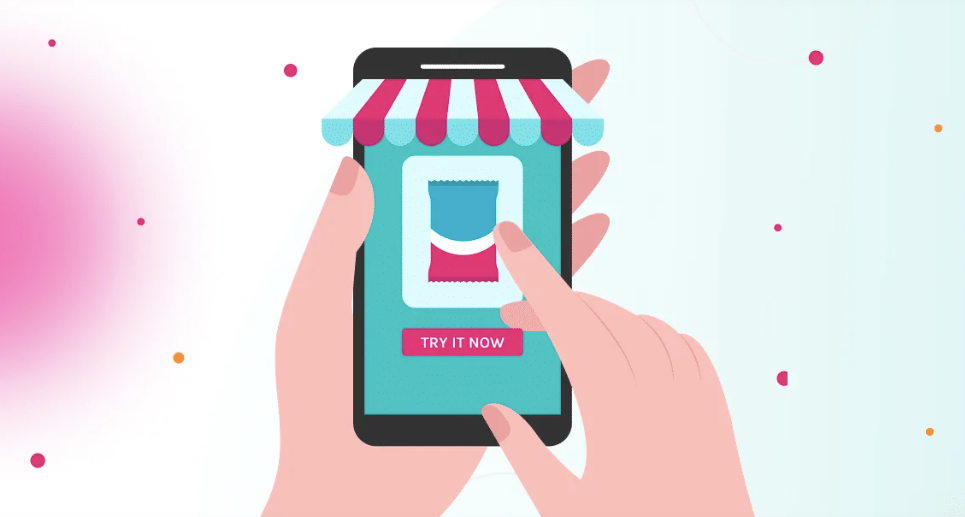
A good digital product sampling program isn’t random generosity—it’s structured, goal-driven, and data-backed. Before diving into the “how,” brands should clarify their sampling objectives. Do you want to:
Once the goal is clear, your campaign should align sampling with measurable outcomes, such as conversion rate, email sign-ups, or retention improvements. The sample must be valuable enough to hook interest but leave room for curiosity that leads to a purchase.
Free trials are one of the most effective forms of digital product sampling—especially for SaaS, subscription boxes, or content platforms. They allow users to experience the product without commitment, building familiarity and confidence before asking for payment.
But the key isn’t just offering a trial; it’s designing it strategically. The trial should highlight your product’s core value early on, encouraging engagement from day one. Instead of giving away every feature, focus on the essential tools or benefits that demonstrate clear ROI.
Best practices for free trials include:
Example: A Shopify app that offers a 7-day free trial can send insights-driven reminders—like, “You’ve generated 20 new leads using our automation tool—upgrade now to keep growing.” This turns sampling into a direct sales trigger.
For eCommerce and digital goods, sample packs are a creative way to let customers experience product quality at a low or no cost. Instead of giving away full-size items, brands can offer digital sample bundles that tease the variety or value of their offerings.
Examples include:
Sample packs help lower hesitation, especially for new customers who aren’t ready for a full purchase. They also encourage exploration—customers who enjoy one product in the pack are likely to buy others.
To increase conversions, pair the sample with a follow-up offer. For example:
This bridges the trial experience into a compelling sales opportunity.
Influencer marketing and digital sampling are a powerful combination. When influencers distribute or promote your digital samples, they amplify both reach and trust. Instead of cold outreach, sampling through influencers introduces your product to audiences through voices they already trust.
For instance, a digital planner brand could partner with lifestyle creators who offer free sample pages to their followers, encouraging them to purchase the full version. Similarly, a Shopify store selling digital presets could collaborate with photographers who include a few sample filters in a “try pack.”
The influencer acts as a credibility bridge, validating the product and motivating conversions.
To maximize ROI:
This approach not only increases visibility but also brings in high-intent leads—people genuinely interested in what you offer.
Digital sampling can serve as an excellent entry point for building your email list. Instead of offering generic discounts for sign-ups, give visitors a valuable digital sample that aligns with your product offering.
For example:
This not only attracts leads but qualifies them—people who download product-related samples are much more likely to convert than those who sign up for a random discount.
After capturing their email, the next step is nurturing. Send a follow-up sequence that:
Sampling converts cold leads into warm prospects through trust built on firsthand experience.
Gamification adds excitement to the sampling process. By turning sampling into an interactive experience, you can increase engagement, data collection, and conversion potential.
Examples of gamified digital sampling include:
For instance, a skincare brand could run a “Find Your Perfect Routine” quiz that ends by offering users a free personalized sample pack. Or a music producer could let users unlock a sample sound pack after sharing a track on social media.
Gamification works because it makes sampling fun and rewarding. It taps into curiosity and instant gratification, turning a simple giveaway into an engaging experience that customers remember.
To make gamified sampling successful:
The result? More participation, more brand exposure, and a higher likelihood of post-sample conversions.
Giving away samples may seem like lost revenue—but when measured properly, it’s one of the most efficient marketing tools available. To calculate the ROI of your digital sampling campaign, focus on both short-term and long-term metrics.
Key performance indicators (KPIs) include:
Digital sampling not only drives immediate conversions but also builds a database of engaged, qualified users that can fuel future campaigns.
One often-overlooked benefit of digital sampling is feedback collection. Samples give brands a low-risk way to gather insights about product perception before scaling marketing or production.
Encourage sample users to leave feedback through surveys, ratings, or automated review prompts. Apps like Ryviu can help collect and display authentic testimonials that increase social proof. Positive feedback from sample users can be turned into marketing content, while constructive input helps refine products.
A feedback loop transforms your sampling campaign into a customer-driven development engine—creating better products and stronger trust.
Digital product sampling is more than a marketing gimmick—it’s a modern trust-building strategy that blends experience, data, and conversion. In an era where shoppers crave authenticity and value before purchase, giving them a small taste of what your brand offers can lead to big returns.
From limited free trials and sample bundles to influencer collaborations and gamified funnels, each approach provides a unique path to connect with customers and drive meaningful action. The goal isn’t just to give away—it’s to give strategically, turning every free interaction into an opportunity for long-term loyalty and higher sales.
In 2026 and beyond, the brands that win will be those that understand how to create experiences, not just transactions—and digital sampling is one of the smartest ways to start that journey.