New to Shopify? Free trial, then $1/month for your first 3 months. Start free trial →
 Where is your store?
Ryviu works with both – pick yours to continue.









In eCommerce, visuals often determine whether customers stay on a page or leave within seconds. Because online shoppers cannot physically interact with products, they rely heavily on images and videos to understand details, quality, and usability. A product gallery plays a central role in this experience by combining visual storytelling with functional browsing tools that help customers make informed decisions quickly.
A strong product gallery is more than just a set of photos. It serves as a bridge between digital shopping and real-world product interaction. When thoughtfully designed, it builds trust, improves engagement, and increases conversion rates while also reducing confusion and product returns. Below is a combined explanation that blends detailed insights with clear bullet points to make the concept easier to understand and apply.
A product gallery is a structured collection of images and visual media displayed on a product page to showcase a product in depth. Instead of presenting a single static image, a gallery includes multiple visuals that highlight different angles, features, textures, and real-life usage scenarios. Its purpose is to help customers explore a product visually in a way that closely resembles the in-store experience.
A modern product gallery often includes:
These elements work together to provide both clarity and engagement. Customers can examine products from multiple perspectives, compare features visually, and develop confidence before making a purchase decision.
An effective product gallery balances visual appeal with usability. Each component serves a specific purpose in guiding customers through the product experience.
Together, these elements create a gallery that feels informative rather than overwhelming, helping customers quickly find the visual information they need.
Product galleries play a major role in shaping how customers perceive products online. Since shoppers cannot physically interact with items, visuals become their main source of information and reassurance. A well-structured gallery helps communicate quality, usability, and value while supporting confident decision-making.
Together, these benefits show how galleries directly influence eCommerce performance and customer trust.
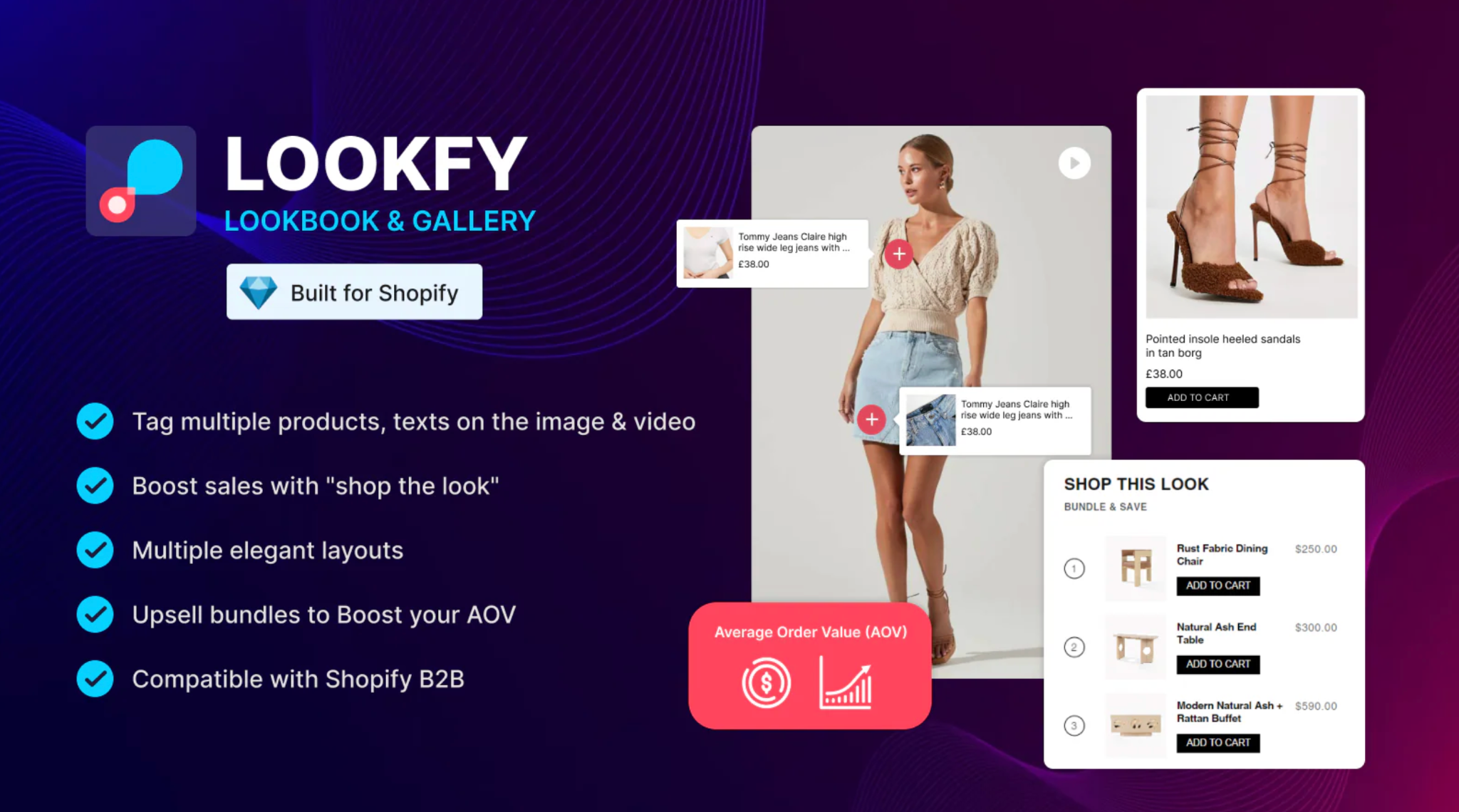
A successful product gallery balances visual appeal with usability and performance. Each image should serve a clear purpose in guiding customers through the product story. Thoughtful planning ensures that visuals not only look professional but also improve the overall shopping experience.
By following practical design strategies, businesses can create galleries that are both engaging and conversion-focused.
Even visually appealing galleries can underperform if common design errors are overlooked. Small issues in structure, consistency, or usability can create confusion and reduce trust. Identifying and correcting these mistakes helps maintain a smooth and professional customer experience.
Understanding these pitfalls ensures galleries remain effective rather than becoming barriers to conversion.
As eCommerce continues to evolve, product galleries have become a central component of digital retail strategy. They serve as both an informational resource and a persuasive storytelling tool that guides customers toward confident purchasing decisions. Brands that invest in strong visual presentation often see measurable improvements in engagement, customer satisfaction, and overall sales performance.
By combining high-quality visuals, clear structure, and interactive functionality, product galleries transform ordinary product pages into immersive experiences. In a highly competitive online market, a well-crafted gallery is not simply a design feature, it is a key driver of customer trust, brand perception, and long-term business growth.