New to Shopify? Free trial, then $1/month for your first 3 months. Start free trial →
 Where is your store?
Ryviu works with both – pick yours to continue.








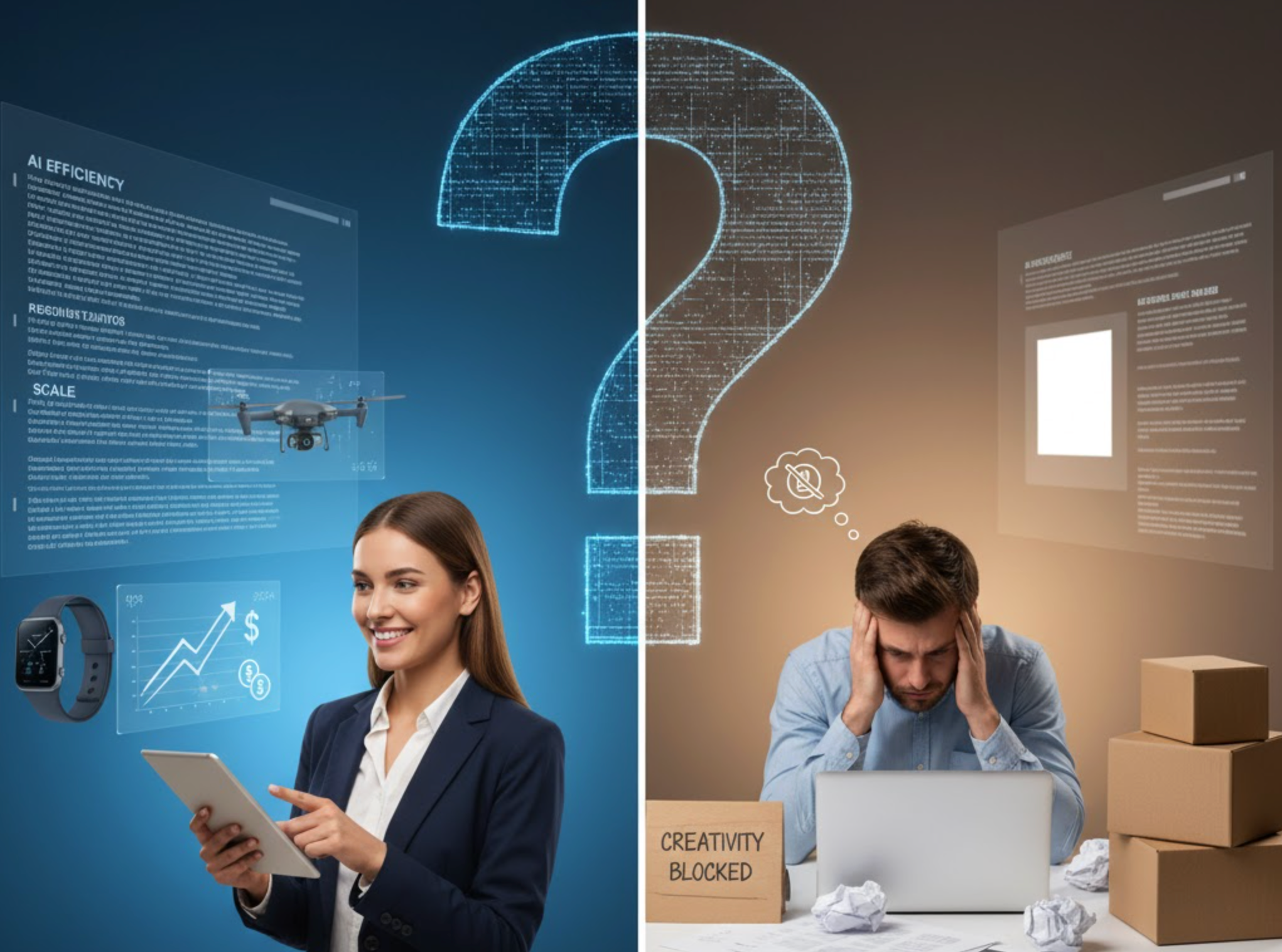
In the ever-evolving world of eCommerce, product descriptions have grown far beyond simple explanations of what a product is. They are a key driver of customer engagement, search engine visibility, and, ultimately, sales. In a crowded online marketplace, standing out requires compelling, clear, and persuasive descriptions. However, creating these descriptions manually can be time-consuming and expensive, especially for businesses with large inventories. This is where AI-powered product description tools have emerged as a potential solution. But the question remains: are AI-generated product descriptions truly worth it? Let’s explore the topic in depth.
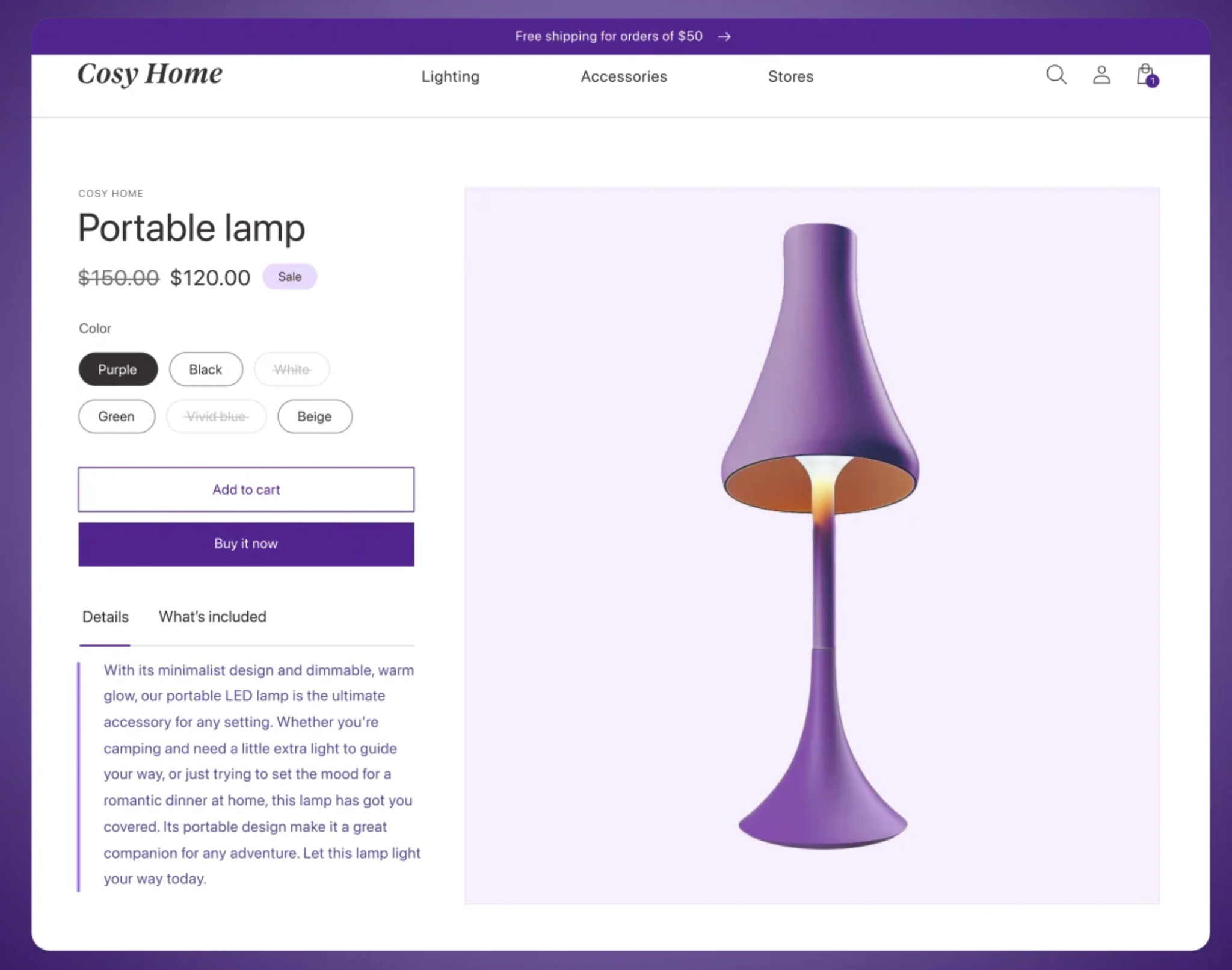
AI-powered product descriptions are pieces of content automatically generated using artificial intelligence, often leveraging advanced natural language processing models like GPT. These AI systems analyze structured data about products, such as specifications, features, pricing, and even customer reviews, and then create descriptive text that is readable, informative, and often optimized for search engines.
Unlike traditional human-written descriptions, AI-generated descriptions can be produced in bulk, allowing businesses to scale their content creation efforts without proportionally increasing time or cost. Many AI tools also offer the ability to generate different styles of writing, from formal, technical descriptions to more casual, persuasive copy that appeals to emotions. This versatility makes them a tempting solution for online retailers of all sizes.
AI-generated product descriptions offer several compelling benefits that make them appealing for online retailers. Beyond saving time, these tools can help improve search engine visibility, maintain consistency across your catalog, and handle large volumes of products without extra manpower. Here are some of the key advantages that highlight why many eCommerce businesses are turning to AI:
One of the most immediate benefits of AI-generated product descriptions is speed. Writing high-quality descriptions manually can take anywhere from 15 minutes to over an hour per product, depending on complexity. For eCommerce stores with hundreds or thousands of products, this quickly becomes an unmanageable task. AI tools, by contrast, can produce descriptions for hundreds of products in minutes.
Moreover, outsourcing product copywriting to professional writers can be expensive, especially for large catalogs. AI offers a cost-effective alternative that reduces the burden on human resources while still producing content that meets basic quality standards.
Many AI tools are designed with search engine optimization in mind. They can strategically insert relevant keywords, craft meta descriptions, and structure content in a way that improves your products’ chances of ranking in search results. For instance, a product description for a wireless headset could automatically include variations of the keyword “best wireless headset,” helping your listing appear in organic searches. This automation saves time while also enhancing your online visibility.
Maintaining a consistent tone, style, and structure across dozens or hundreds of product pages is a challenge, especially if multiple writers are involved. Inconsistent descriptions can make your brand appear unprofessional or disjointed. AI ensures uniformity by applying the same style rules across all descriptions, preserving brand voice and creating a cohesive shopping experience.
For businesses planning to scale rapidly, AI-generated descriptions can handle volume effortlessly. Whether you are launching a new product line or expanding into international markets, AI tools can generate descriptions for thousands of products in a fraction of the time it would take human writers. This scalability makes AI a powerful asset for growing eCommerce operations.
Despite its advantages, AI-generated content is not without its limitations. Here are some of the potential drawbacks to be aware of:
AI can produce factual, readable descriptions, but it often struggles to evoke an emotional response. Humans connect with storytelling, humor, or persuasive language that aligns with their needs and desires. AI-generated content may feel “mechanical” and fail to inspire excitement or urgency, factors that can influence purchase decisions.
AI relies entirely on the data it receives. If product information is incomplete, outdated, or inaccurate, the resulting descriptions may misrepresent the product. For example, an AI tool might describe a smartphone as having a 108MP camera when the actual model only has 48MP if it has incorrect input data. Human oversight is essential to ensure all AI-generated content is factually correct.
AI tends to follow patterns, which can result in descriptions that sound similar across different products. Without customization, AI-generated text can feel generic, reducing differentiation in a competitive marketplace. Products need unique selling points (USPs) highlighted to stand out, and AI may miss these subtleties unless carefully guided.
While AI can help with keyword integration, improper use may backfire. Overstuffing descriptions with keywords can lead to unnatural phrasing and harm search rankings. Additionally, AI-generated content may not always match the intent of the target audience, which can negatively affect engagement metrics like bounce rate and conversion rate.
To maximize the benefits of AI-generated product descriptions while mitigating risks, follow these best practices:
AI-powered product descriptions are particularly valuable for businesses that need speed, scalability, and consistency across large catalogs. They save time and reduce costs, enabling retailers to focus on other critical aspects of their business, such as marketing strategy, customer service, or product innovation.
However, AI is most effective when used as a tool rather than a replacement for human creativity. High-performing descriptions often require the subtlety, storytelling, and emotional resonance that only humans can provide. The best approach is a hybrid one: allow AI to handle the bulk of content creation and let humans refine, customize, and optimize for maximum impact.
When executed properly, this combination can lead to accurate, engaging, and SEO-friendly product descriptions that not only inform customers but also convert them into buyers.
AI-powered product descriptions represent a transformative opportunity for eCommerce businesses, offering efficiency, scalability, and SEO benefits. They are particularly useful for large catalogs and repetitive content creation. Yet, the ultimate success of AI-generated descriptions depends on human oversight, attention to detail, and brand-specific customization.
By leveraging the speed and consistency of AI while incorporating the creativity and empathy of human writers, businesses can create product descriptions that truly resonate with their audience, improve search engine visibility, and drive higher conversion rates. AI isn’t a replacement for humans, but it’s a powerful partner in the pursuit of better eCommerce copy.