New to Shopify? Free trial, then $1/month for your first 3 months. Start free trial →
 Where is your store?
Ryviu works with both – pick yours to continue.









Launching a new online store is one of the most difficult stages in any eCommerce journey. Even with well-designed pages, competitive pricing, and quality products, many first-time visitors hesitate because they do not see proof that others have already purchased and had a positive experience. This is where reviews become one of the most powerful trust signals available to new merchants.
Importing reviews can help bridge the trust gap during the early stages of a store’s lifecycle. However, when reviews are imported without strategy, transparency, or moderation, they can quickly undermine credibility instead of strengthening it. This article explores best practices that help new stores import reviews responsibly, build trust effectively, and create a strong foundation for long-term growth.
For new stores, reviews play a fundamentally different role than they do for established brands. While mature businesses use reviews to reinforce brand authority and customer loyalty, new stores rely on them to overcome skepticism and uncertainty. Shoppers often wonder whether a new store is legitimate, reliable, or worth the risk, especially if the brand is unfamiliar.
Review importing should be approached as a strategic trust-building tool, not as a shortcut to instant credibility. Imported reviews help reassure visitors that the product has been tested, used, and validated by real people elsewhere. At the same time, they should support, not replace, the eventual collection of genuine customer feedback. When used thoughtfully, review importing helps new stores gain momentum and reach their first conversions faster.
The source of imported reviews has a direct impact on how trustworthy they appear to shoppers. Reviews from well-known marketplaces or official supplier listings tend to carry more weight because customers recognize those platforms and associate them with real purchases.
New stores should focus on importing reviews from:
Importing reviews from random websites or unrelated products can raise suspicion and damage trust. Customers are increasingly savvy and can quickly detect reviews that feel recycled, generic, or disconnected from the product being sold.
Accurate product matching is essential for making imported reviews useful and credible. Even small inconsistencies, such as different materials, sizes, or included accessories, can create confusion and lead customers to doubt the authenticity of the reviews.
Before publishing imported reviews, new stores should carefully check:
By ensuring contextual accuracy, reviews reinforce customer expectations rather than creating uncertainty. This alignment helps reduce returns, complaints, and post-purchase dissatisfaction.
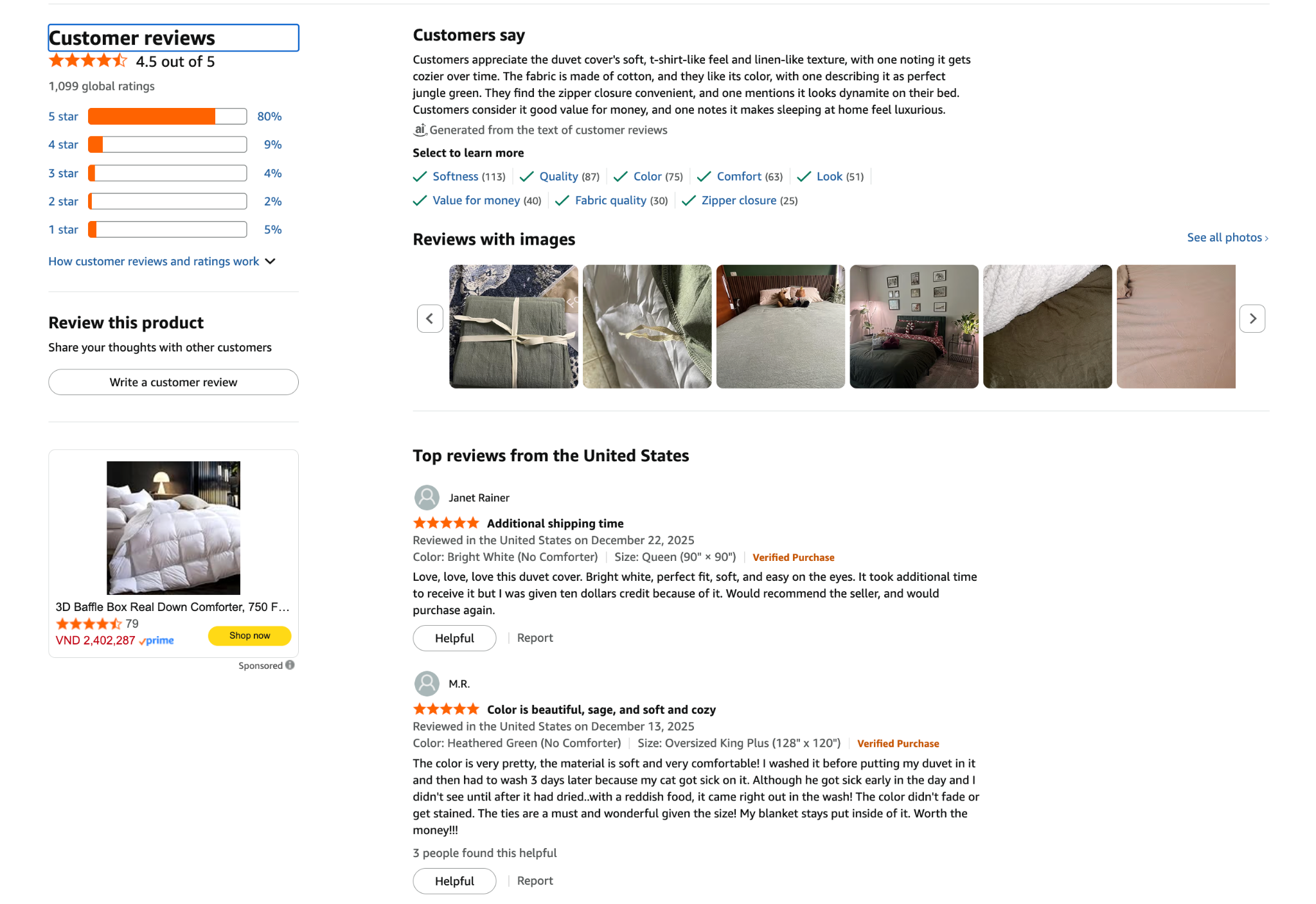
Transparency is one of the most important factors in building trust for new stores. Customers are generally comfortable with imported reviews as long as the store is honest about where they came from. Problems arise when reviews appear misleading or intentionally vague.
Best practices for transparency include:
Clear disclosure signals integrity and professionalism, which often increases trust more than trying to present a flawless but questionable review section.
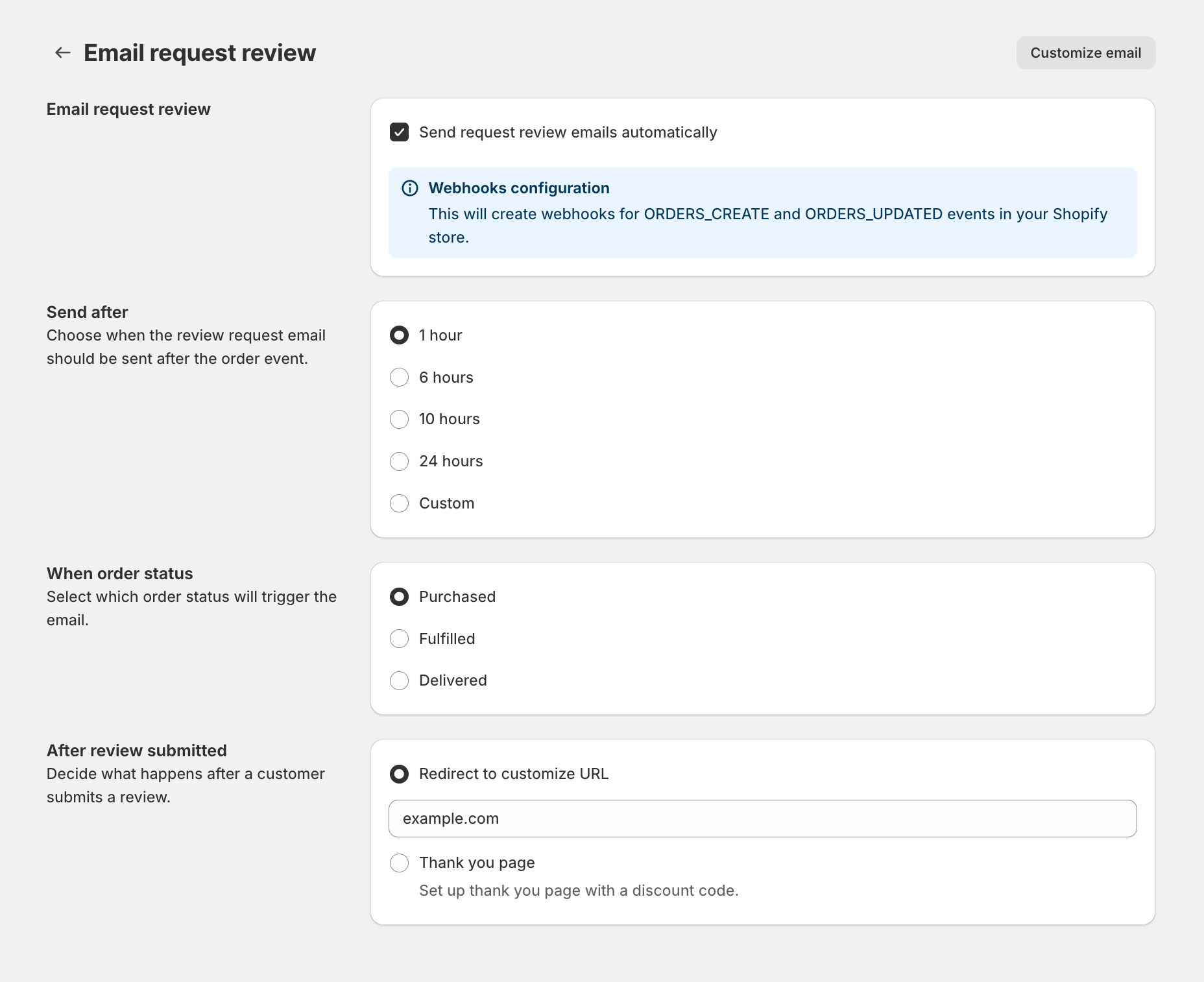
Imported reviews are most effective when they are combined with new, store-generated feedback over time. As soon as orders start coming in, new stores should actively encourage customers to leave reviews to maintain authenticity and relevance.
A healthy balance includes:
This combination helps your store feel alive and continuously validated, rather than static or artificially boosted.
Not all reviews add value, even if they are genuine. New stores benefit more from a smaller number of high-quality reviews than from a large collection of vague or repetitive comments.
When moderating reviews, merchants should:
A curated review section feels more human and believable, helping customers trust the feedback instead of questioning its authenticity.
Review importing must follow eCommerce platform guidelines and consumer protection laws. Non-compliance can lead to penalties, loss of trust, or even store suspension.
To stay compliant, new stores should:
Compliance protects both the business and the customer, reinforcing ethical standards and long-term brand credibility.
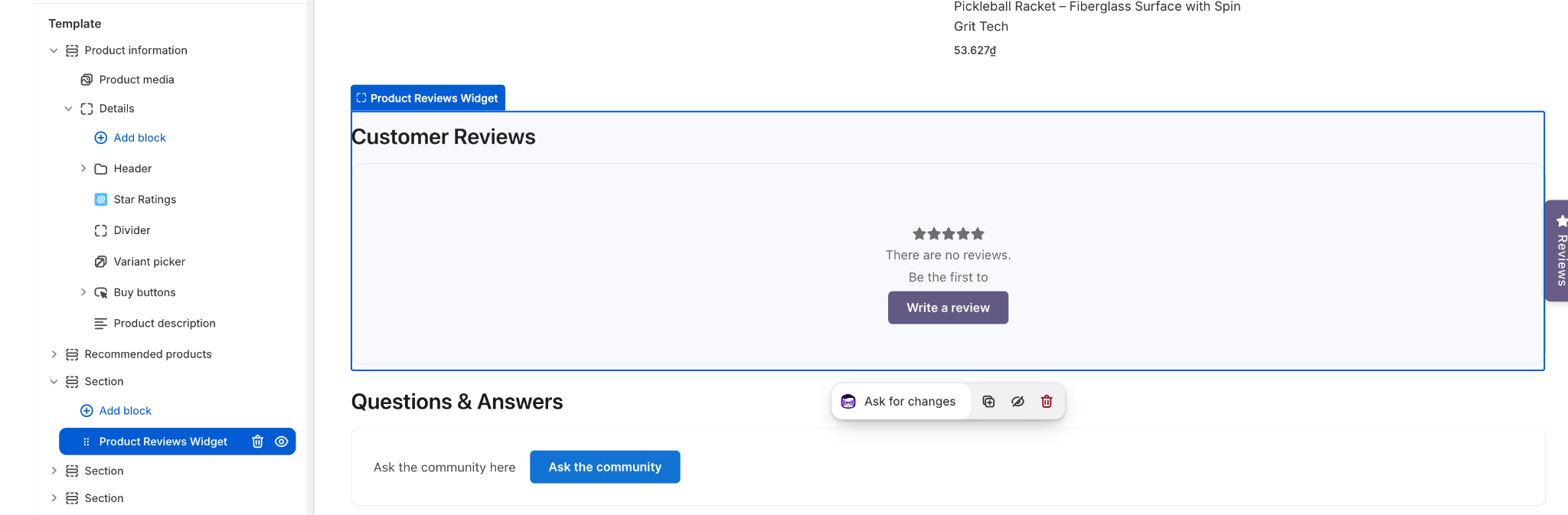
Where reviews are displayed can significantly influence how effective they are. For new stores, reviews should appear at moments where customers naturally seek reassurance.
Effective placement includes:
Strategic placement ensures reviews guide decision-making rather than distracting or overwhelming visitors.
Ryviu is particularly well-suited for new Shopify stores looking to import reviews responsibly while building a sustainable review system. It allows merchants to import reviews from platforms like AliExpress and Amazon, Walmart, and Etsy while clearly displaying review sources for transparency.
Beyond importing, Ryviu helps new stores grow by:
By combining imported reviews with built-in review collection features, Ryviu enables new stores to move smoothly from early trust-building to long-term customer engagement.

Review importing should evolve as your store grows. Regular monitoring helps identify what works and where improvements are needed.
Key metrics to track include:
Using this data, new stores can gradually reduce reliance on imported reviews and focus more on authentic customer feedback.
For new stores, importing reviews can be an effective way to overcome early trust barriers and encourage first-time purchases. However, success depends on transparency, relevance, moderation, and compliance. When handled responsibly, imported reviews become a powerful foundation rather than a risky shortcut.
By using reliable tools like Ryviu and transitioning toward organic customer feedback over time, new stores can build a review ecosystem that supports credibility, conversions, and sustainable growth from the very beginning.