New to Shopify? Free trial, then $1/month for your first 3 months. Start free trial →
 Where is your store?
Ryviu works with both – pick yours to continue.








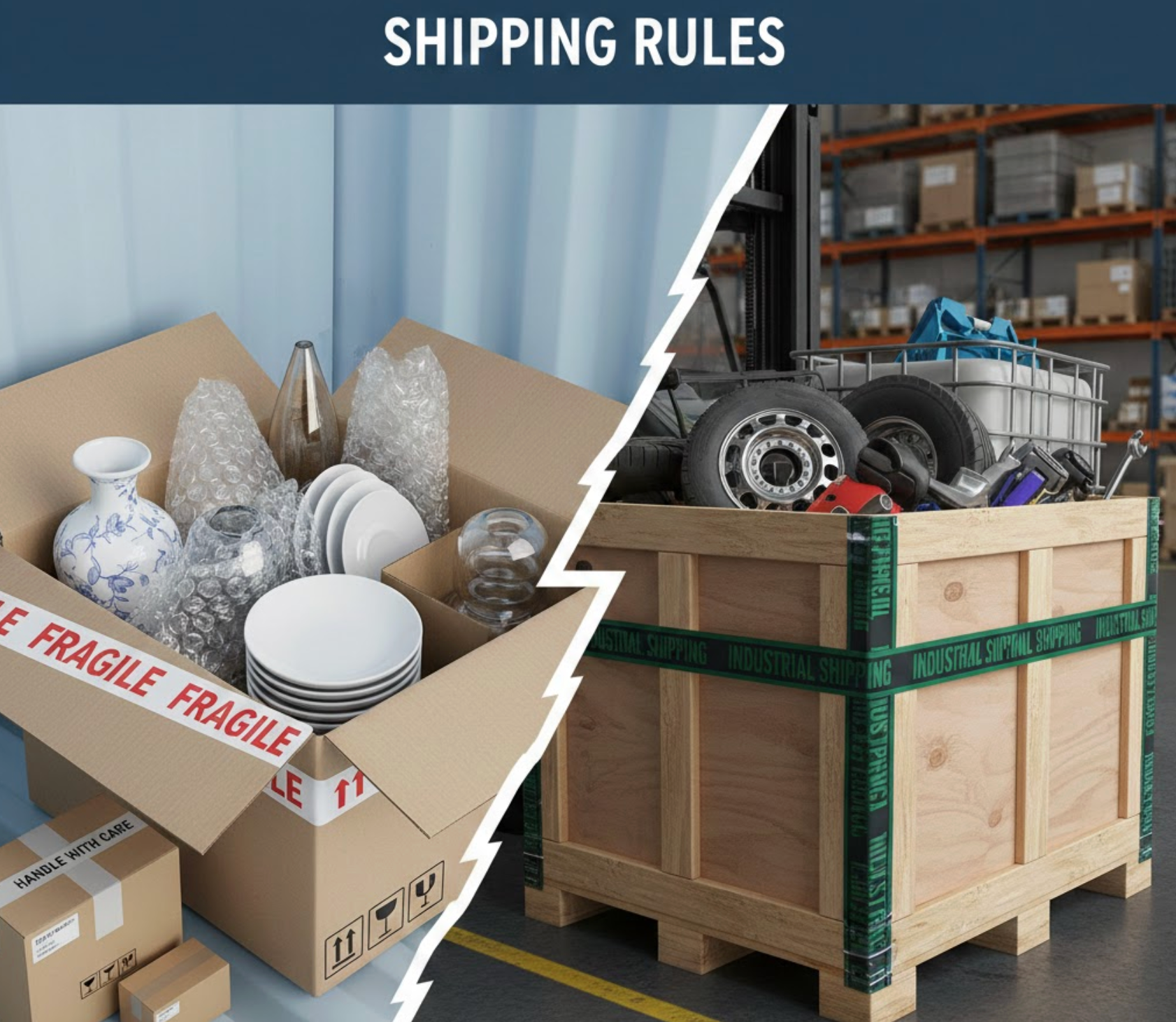
Shipping rules play a critical role in protecting products and shaping customer satisfaction. Fragile and durable items face very different risks during transit, which means applying the same shipping approach to both can lead to unnecessary damage or wasted costs. By understanding how shipping rules should differ for each product type, businesses can design smarter workflows that balance protection, efficiency, and budget control.
Before setting shipping rules, it is essential to clearly distinguish between fragile and durable products. Fragile items are highly sensitive to physical impact, pressure, and vibration, meaning even small handling errors can result in cracks, leaks, or complete breakage. Products such as glassware, electronics, ceramics, skincare bottles, and handmade items typically fall into this category and require special care throughout the shipping journey.
Durable products are built to tolerate regular movement and stacking during transportation. Items like apparel, shoes, plastic accessories, books, and metal tools can usually handle minor impacts without damage. However, durability does not mean immunity, and these products still require structured shipping rules to maintain quality and presentation when they reach customers.
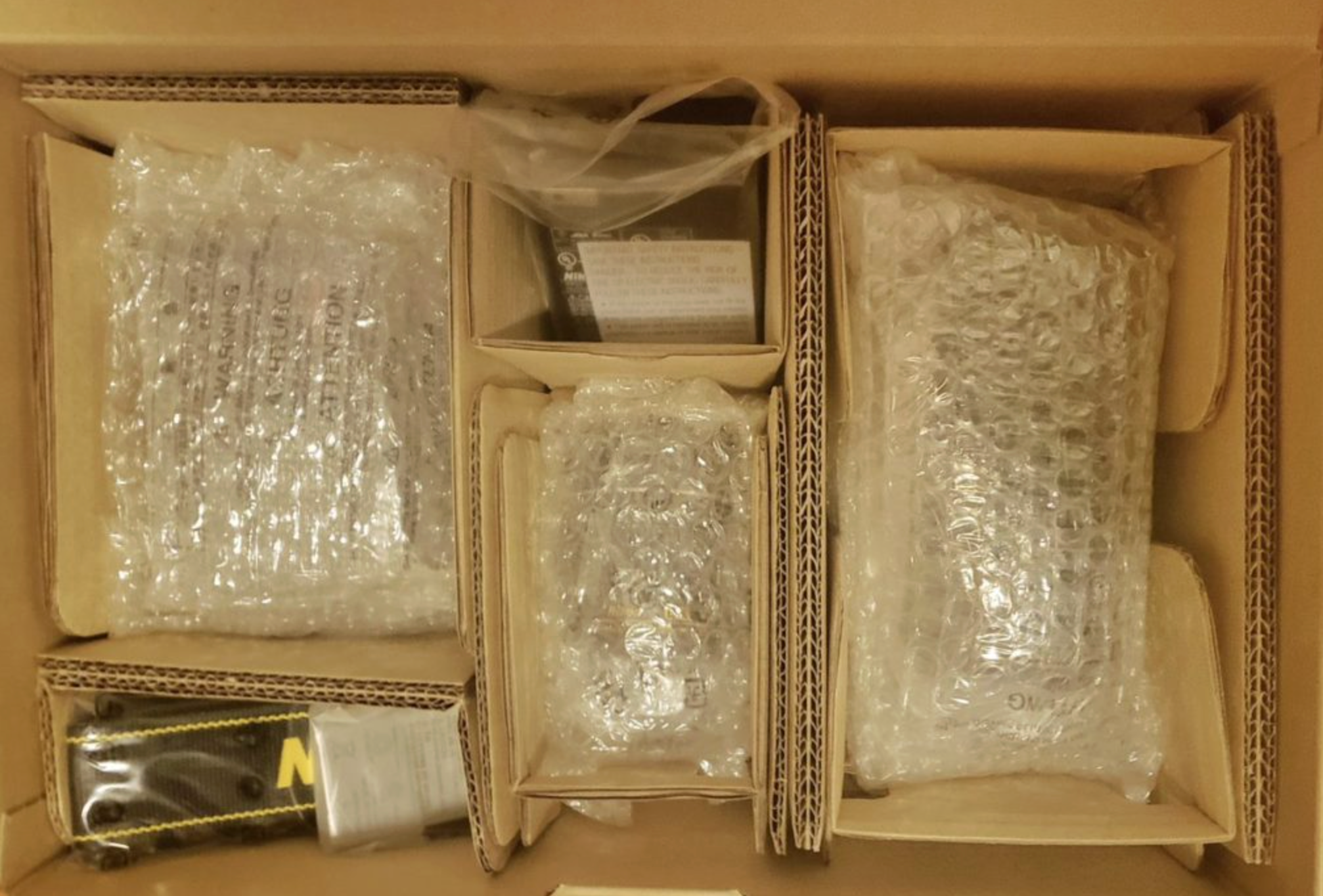
When shipping fragile items, packaging becomes the primary line of defense against damage. The purpose of packaging is not only to contain the product, but also to absorb shocks, prevent internal movement, and protect against external pressure during loading, transit, and delivery. A well-planned packaging strategy can significantly reduce breakage rates, even when shipping conditions are unpredictable.
To achieve this level of protection, fragile products should always follow carefully defined packaging practices:

For durable products, packaging rules focus more on efficiency and consistency than maximum protection. Since these items are less likely to break, the goal is to safeguard them from dirt, moisture, and surface damage while keeping shipping costs under control. Well-designed packaging also helps maintain a professional appearance that reflects positively on the brand.
With that in mind, durable product packaging should follow practical and streamlined guidelines:
Handling rules define how products are treated once they leave the warehouse, and these rules vary greatly between fragile and durable items. Fragile products require controlled handling environments where drops, vibrations, and heavy stacking are minimized. Choosing the right carrier and service level is often just as important as the packaging itself.
To manage handling risks effectively, businesses should consider the following rules:
Clear labeling and accurate documentation support smooth shipping operations and reduce errors along the delivery route. For fragile products, labels act as visual cues that signal caution, while durable products usually require simpler, efficiency-focused labeling. Consistency in labeling also helps carriers process shipments more quickly.
To ensure clarity at every stage, labeling and documentation should follow these principles:
Shipping fragile products often involves higher costs due to extra packaging materials, increased shipment weight, and optional insurance coverage. While these expenses can add up, they are usually far lower than the cost of replacements, refunds, and damage to customer trust. Effective shipping rules help balance protection with reasonable spending.
Durable products provide more flexibility when it comes to cost optimization. Businesses can use bulk shipping, lighter materials, and economical carrier options to reduce expenses. Still, it is important not to cut corners entirely, as even durable items can be damaged under poor shipping conditions.
To manage both fragile and durable items efficiently, businesses should establish clear internal shipping rules that everyone on the team can follow. These rules ensure consistency, reduce packing errors, and make it easier to scale operations as order volume grows. Well-documented guidelines also simplify training for new staff.
An effective shipping rule framework should include:
Shipping rules for fragile and durable products must reflect their different risk levels and protection needs. Fragile items demand reinforced packaging, careful handling, and clear communication throughout transit, while durable products allow for more streamlined and cost-efficient shipping strategies. By expanding and refining shipping rules for each category, businesses can reduce damage, control costs, and consistently deliver a positive customer experience.