New to Shopify? Free trial, then $1/month for your first 3 months. Start free trial →
 Where is your store?
Ryviu works with both – pick yours to continue.








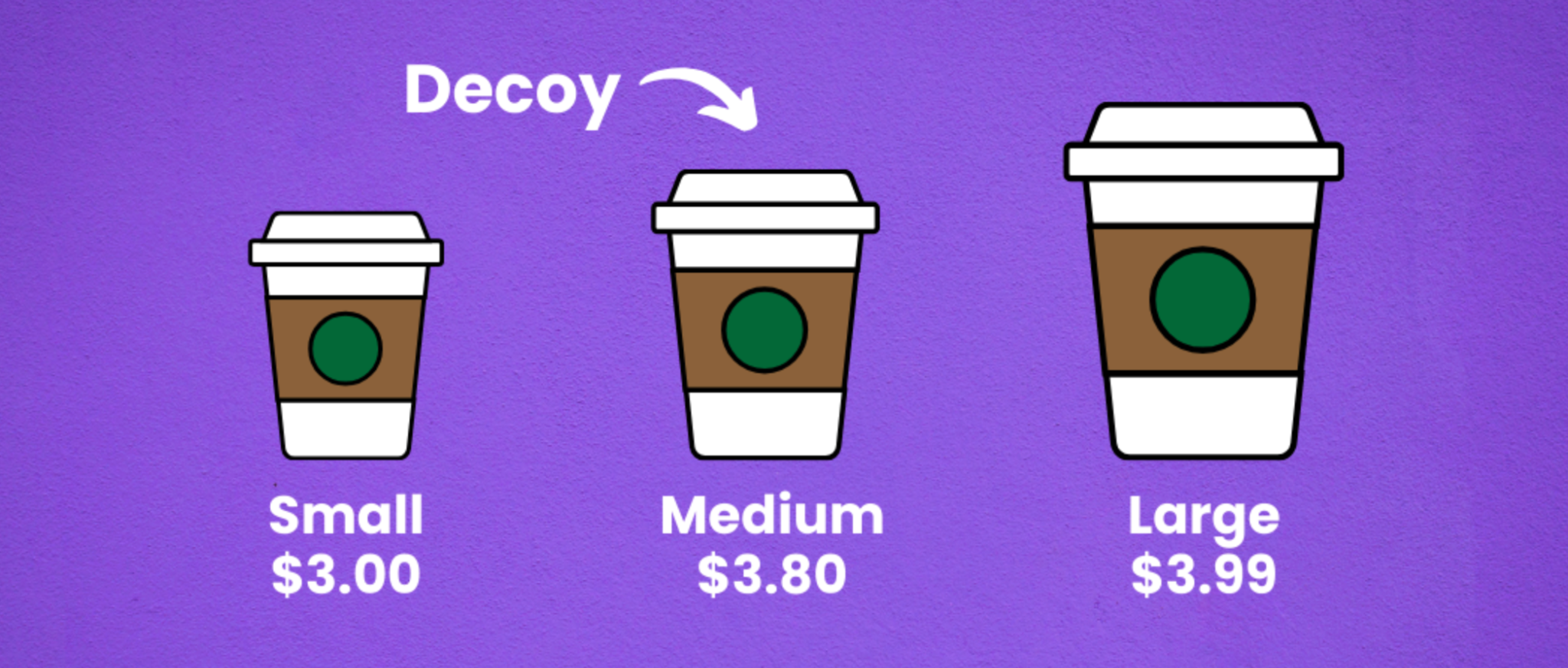
Decoy pricing is a strategic pricing technique that uses human psychology to influence purchasing decisions without directly pressuring customers. Instead of convincing users through aggressive discounts or promotions, this method subtly reshapes how people compare available options. By introducing a carefully designed third choice, businesses can guide customers toward a specific product, plan, or bundle that delivers higher value, or higher revenue.
In eCommerce and SaaS, where customers often hesitate due to too many similar options, decoy pricing helps simplify decisions. It reduces uncertainty, increases confidence, and encourages users to choose what feels like the “smart” option. This article will walk you through everything you need to know about decoy pricing, from its psychological foundation to real-world applications and best practices.
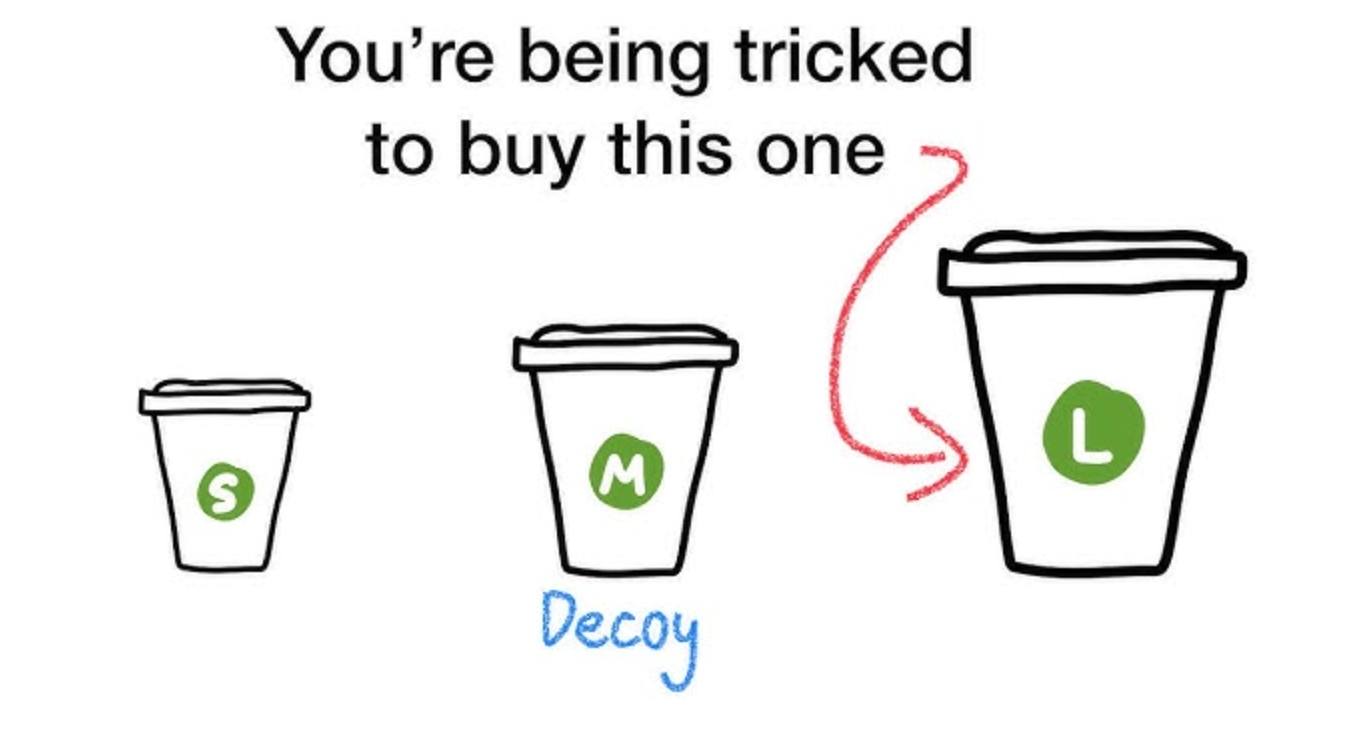
Decoy pricing is a pricing strategy that introduces an additional option, called the decoy, to influence how customers evaluate other choices. The decoy is intentionally designed to be less attractive than the option the business wants customers to choose, known as the target option. While the decoy appears valid at first glance, it becomes clearly inferior when compared side by side.
The key point is that the decoy is not meant to sell in high volume. Its main role is to act as a comparison anchor that changes how customers perceive value. Without the decoy, users may struggle to decide between “cheap” and “expensive.” With the decoy present, the target option suddenly looks more reasonable and valuable.
In many cases, customers are unaware that their decision has been influenced. They feel confident because the comparison makes logical sense, even though the structure of the options guided them there.
Decoy pricing is effective because people rarely judge prices in absolute terms. Instead, they rely on comparisons to understand whether something is “worth it.” When customers see multiple options together, they instinctively compare features, benefits, and price differences to justify their choice.
This strategy is driven by a cognitive bias known as the asymmetric dominance effect. The decoy option is clearly worse than the target option but only partially comparable to the cheaper alternative. As a result, the target option dominates the decoy, making it feel like the most rational decision.
Rather than carefully analyzing every feature, customers subconsciously gravitate toward the option that offers the best relative value. Decoy pricing works because it aligns with how the human brain naturally simplifies complex decisions.
Consider a subscription-based eCommerce tool offering three pricing plans:
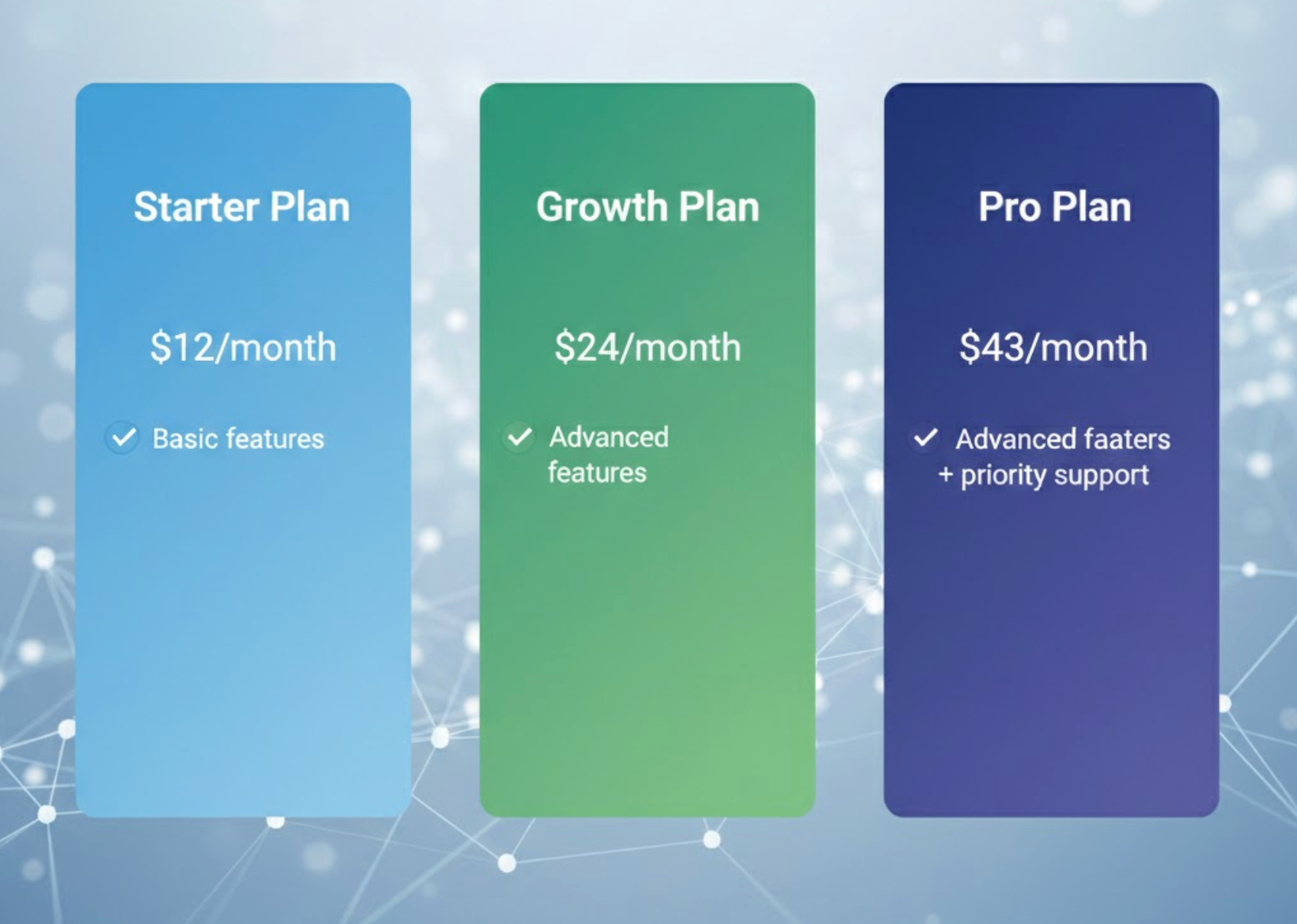
In this case, the Growth Plan functions as the decoy. It is more expensive than the Pro Plan but provides fewer benefits. When customers compare the two, the Pro Plan immediately feels like a better deal.
Without the Growth Plan, users might hesitate between Starter and Pro. The decoy removes that hesitation by reframing the comparison. Customers feel confident choosing the Pro Plan because it appears to offer more value for nearly the same price.
This structure works particularly well on pricing pages where customers are already in evaluation mode.
One reason decoy pricing performs so well is that it reduces decision friction. eCommerce shoppers often feel overwhelmed by choices, especially when products or plans appear similar. By creating a clear “best” option, decoy pricing helps customers move forward more easily.
Another major benefit is its ability to increase average order value (AOV). When the target option is positioned as the most logical choice, customers are more willing to spend slightly more than they originally intended.
Decoy pricing also improves perceived fairness. Instead of feeling pressured by sales tactics, customers believe they made an informed, rational decision. This sense of control increases satisfaction and reduces buyer’s remorse.
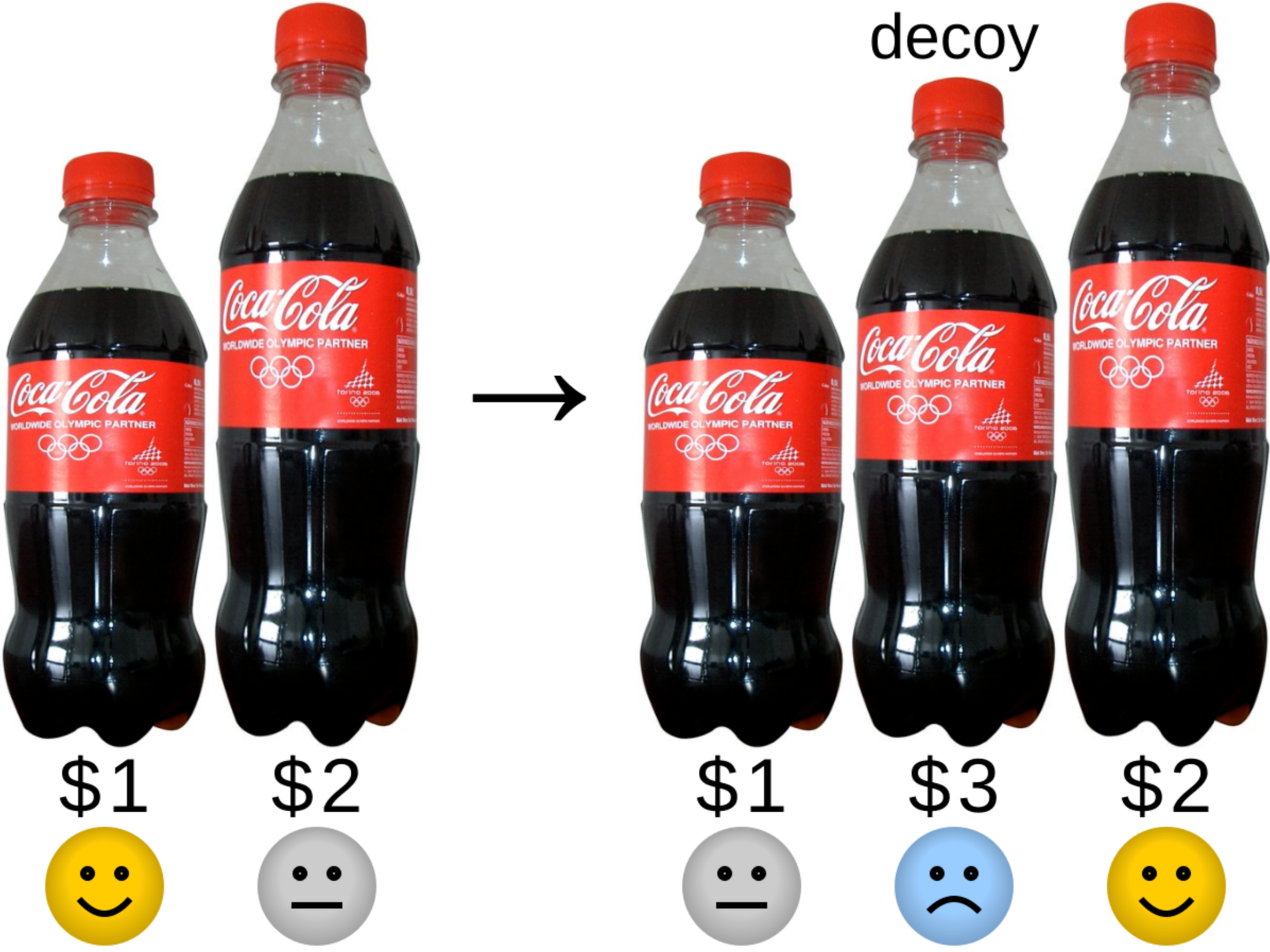
Decoy pricing is most effective in scenarios where customers are uncertain and actively comparing options. It performs especially well when the differences between choices are not immediately obvious.
Common use cases include:
In eCommerce, decoy pricing is often paired with visual cues like highlighted plans or “Best Value” labels to reinforce the comparison. When users are browsing rather than searching for something specific, the decoy has a stronger influence.
To make decoy pricing truly effective, the overall structure must feel natural, logical, and trustworthy to customers. When implemented well, decoy pricing subtly guides decision-making without creating pressure or confusion. However, poor execution, such as unrealistic pricing or cluttered layouts, can quickly reduce credibility and cause users to abandon the choice altogether.
The decoy option should appear like a genuine offer that someone might realistically choose. If it is obviously overpriced or lacks clear value, customers may feel manipulated and become skeptical of the entire pricing table. A believable decoy maintains trust while still nudging users toward the preferred option.
The decoy works best when its price is close to the target option but offers noticeably less value. A small price difference makes the target option feel like a clear upgrade rather than a risky expense. This tight pricing range amplifies perceived value and strengthens the comparison effect in the customer’s mind.
Subtle visual cues such as “Most Popular,” “Best Value,” or a slightly highlighted card can naturally draw attention to the target choice. These design elements should guide the eye without feeling pushy or sales-heavy. Strong visual hierarchy reinforces the decoy’s influence by making the preferred option easier to recognize and evaluate.
Three pricing options are generally ideal for decoy pricing strategies. Adding more choices increases cognitive load and makes it harder for users to compare value effectively. By keeping options limited, you preserve clarity and strengthen the psychological contrast that makes decoy pricing work.
One common mistake is making the decoy too weak. If it offers no real value, customers may skip comparison altogether and choose the cheapest option.
Another issue is misaligned value differences. If the target option doesn’t clearly outperform the decoy, the strategy loses effectiveness. Customers need to see immediate, obvious benefits.
Finally, avoid using decoy pricing in situations where customers already know exactly what they want. Experienced or highly informed users are less influenced by comparative framing.
Decoy pricing is considered ethical when it is transparent and honest. All options should clearly state their features, limitations, and pricing without hidden conditions.
The strategy does not force customers to buy anything or mislead them about value. Instead, it helps users make sense of multiple choices more easily. When done responsibly, decoy pricing improves user experience rather than exploiting it.
Ethical decoy pricing guides decisions, but it does not trick customers.
Decoy pricing is a subtle but highly effective way to influence purchasing behavior by shaping how customers compare options. Rather than relying on discounts or pressure tactics, it leverages natural decision-making patterns to create clarity and confidence.
For eCommerce brands and SaaS businesses, mastering decoy pricing can lead to higher conversions, increased revenue, and a smoother buying experience. When applied thoughtfully and transparently, it becomes a win-win strategy for both businesses and customers.