New to Shopify? Free trial, then $1/month for your first 3 months. Start free trial →
 Where is your store?
Ryviu works with both – pick yours to continue.









In modern eCommerce, the cart page is no longer just a passive checkpoint before checkout, it has become a strategic conversion zone. As customer expectations evolve, static cart pages often fail to provide the clarity, speed, and reassurance shoppers need to move forward. Dynamic cart pages address this gap by transforming the cart into an interactive, responsive experience that adapts instantly to user actions. When implemented thoughtfully, they can reduce hesitation, increase order value, and significantly improve overall conversion rates. This article explores what dynamic cart pages are, when they are most effective, and how to use them in a way that truly supports the buying decision.

Dynamic cart pages are interactive cart experiences that update instantly as customers interact with them. Instead of refreshing the page after every change, the cart responds in real time to actions such as adding or removing products, adjusting quantities, applying discount codes, or estimating shipping costs. This immediate feedback keeps customers engaged and informed without interrupting their shopping flow.
Beyond basic updates, dynamic carts can adapt content based on context and behavior. They may show personalized messages, conditional offers, stock warnings, delivery estimates, or complementary product suggestions. By reacting intelligently to what the shopper is doing, the cart becomes an active guide rather than a static summary. This responsiveness helps shoppers feel more confident and in control at a critical moment in the purchase journey.
The cart page is one of the most sensitive stages in the customer journey. It is where excitement meets evaluation, and where uncertainty can easily lead to abandonment. Dynamic cart pages help reduce this risk by making costs, benefits, and next steps immediately clear.
Real-time updates remove doubt around pricing changes, shipping fees, and discounts. Customers no longer need to guess what will happen after clicking “Update” or moving to checkout. In addition, dynamic carts can reinforce positive buying signals, such as visible savings, progress toward rewards, or confirmation messages, at the exact moment customers are deciding whether to proceed. This combination of clarity and reassurance is what makes dynamic cart pages such a powerful conversion tool.
Dynamic cart pages are not a universal requirement, but they offer significant advantages in specific situations where customer hesitation or complexity is high.
If your store experiences frequent drop-offs at the cart stage, a dynamic cart can help address common pain points. Unexpected shipping costs, unclear discounts, or confusing updates often push customers away. By showing totals, savings, and fees instantly, dynamic carts reduce unpleasant surprises and make the decision to continue feel safer and more predictable.
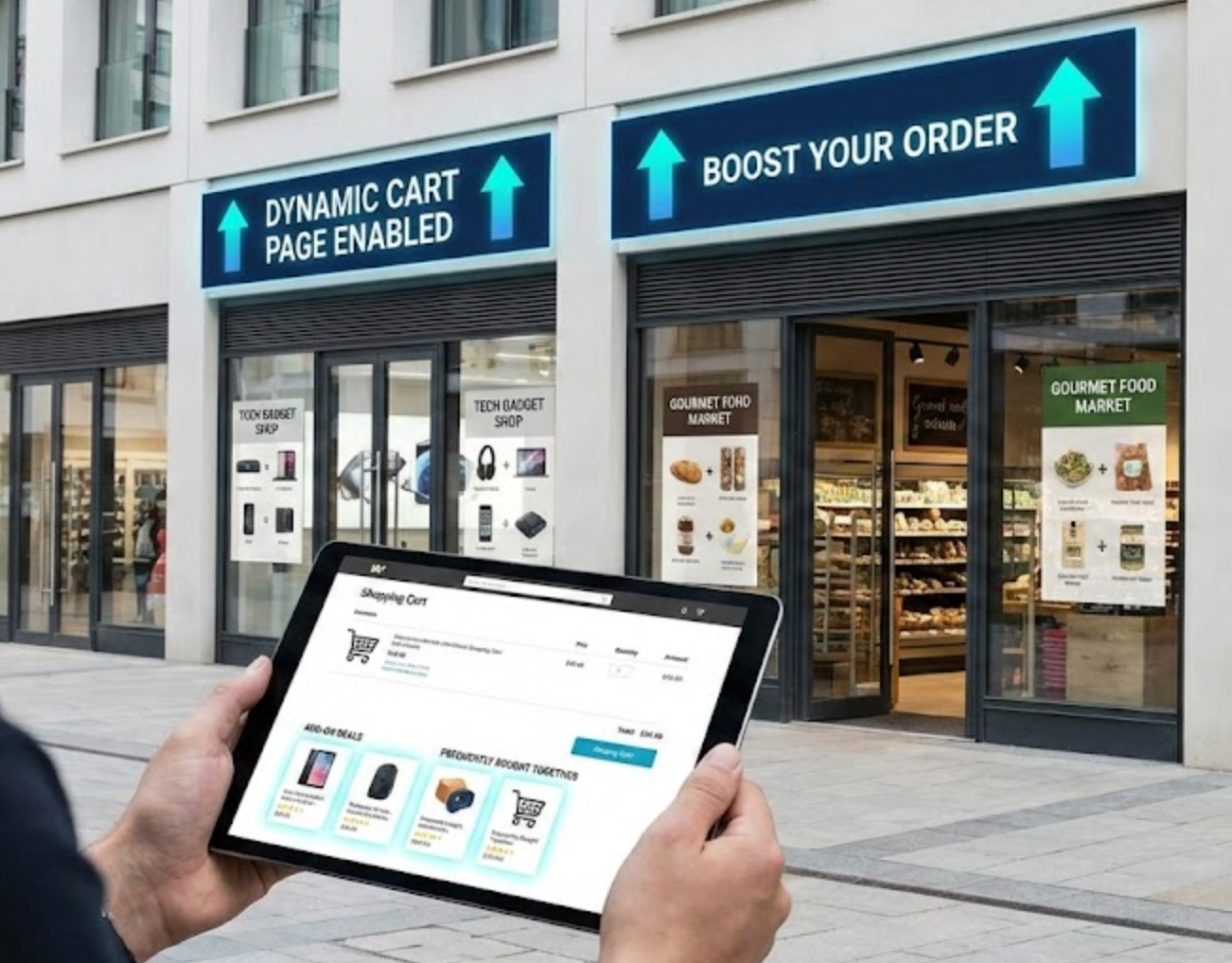
When products naturally complement each other, such as outfits and accessories, devices and add-ons, or consumables and refills, dynamic carts allow you to introduce relevant suggestions at the right time. Because these recommendations are tied directly to what the shopper has already chosen, they feel helpful rather than disruptive, increasing both acceptance and average order value.
Mobile shoppers are especially sensitive to friction. Extra clicks, slow reloads, or unclear feedback can quickly lead to abandonment. Dynamic cart pages minimize these issues by keeping interactions fast, visible, and contained within a single screen, making them ideal for touch-based shopping experiences.
If your marketing strategy relies on incentives such as free shipping thresholds, bundle discounts, or tiered rewards, dynamic carts are essential. They can visually track progress toward offers and instantly apply benefits, reinforcing the value of adding just one more item.
Despite their benefits, dynamic cart pages are not always the best solution. For very small stores with a limited product range, fixed pricing, and minimal promotions, a simple static cart may already meet customer expectations. In these cases, the added development or app complexity may not justify the return.
If customers typically purchase a single item with little variation, clarity and speed may matter more than interactivity. The key is to align cart complexity with actual customer needs rather than adopting dynamic features by default.
A successful dynamic cart is not defined by how many features it includes, but by how well those features support decision-making.
Dynamic carts should simplify the experience, not overwhelm it. While it can be tempting to add multiple messages, offers, and visual elements, too much information can distract customers from completing their purchase. Focus on what matters most: item details, pricing, savings, and a clear path to checkout.
Every action a customer takes should produce an immediate and understandable response. Quantity changes, discount applications, and shipping estimates should update instantly, reinforcing trust and reducing hesitation. This responsiveness reassures customers that they are in control and that nothing unexpected will occur later.
Upsells work best when they feel relevant and optional. Dynamic carts should present complementary items in a subtle, easy-to-dismiss way. Small add-ons or logical extensions of the main product tend to perform better than aggressive or unrelated offers.
Visual cues that show progress toward incentives, such as free shipping or discounts, can strongly influence behavior. By turning abstract goals into visible milestones, dynamic carts motivate customers to increase their cart value without feeling pressured.
No dynamic feature is worth using if it slows down the cart. Fast loading, smooth transitions, and reliable updates are critical, especially on mobile devices. Performance issues at this stage can quickly undo all other optimization efforts.
To get the most value from a dynamic cart, it’s important to ground your approach in testing, consistency, and usability rather than assumptions. The following practices help ensure that dynamic functionality enhances the experience instead of complicating it:
Dynamic cart pages are most effective when they act as a supportive guide rather than a sales-heavy interruption. Their true value lies in reducing friction, increasing transparency, and reinforcing positive purchase signals at the moment customers need reassurance most.
When applied in the right context, such as stores with high abandonment, frequent promotions, or mobile-first audiences, dynamic carts can significantly improve both conversion rates and average order value. The key is balance: thoughtful interactivity that helps customers move forward with confidence, not complexity that slows them down.