New to Shopify? Free trial, then $1/month for your first 3 months. Start free trial →
 Where is your store?
Ryviu works with both – pick yours to continue.








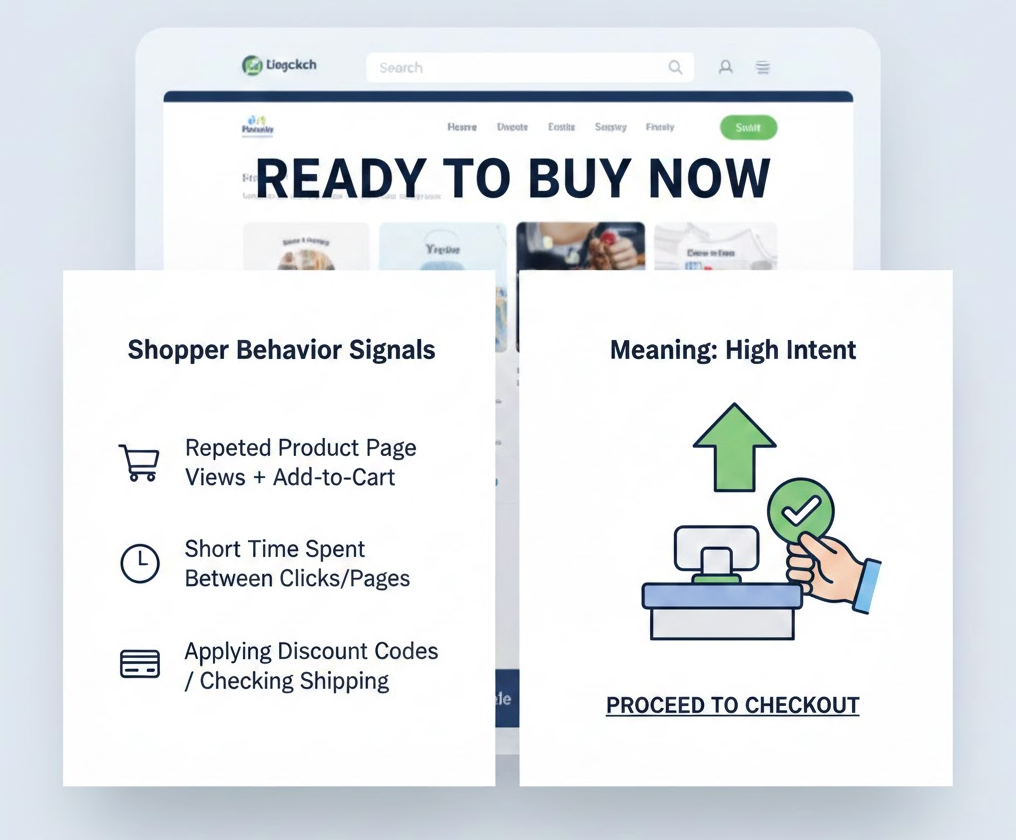
Not every visitor who lands on your online store is truly prepared to buy. Some people arrive casually while browsing social media. Some are comparing your products to competitors. Others may land on a product page out of curiosity and leave within a few seconds. However, there is a highly valuable segment of shoppers who display clear signals that show they are getting ready to make a purchase. When you understand these signals and react to them at the right moment, you can improve conversions, reduce hesitation, and increase the overall value of each customer.
Below are eight important shopper behavior signals that strongly indicate a person is ready to buy right now. When you recognize these cues and create effective responses around them, your store gains a significant advantage in persuading high intent visitors to convert.
When a user keeps returning to the same product, they are no longer in casual research mode. Instead, they are reassessing the item, reviewing details they may have missed earlier, and mentally preparing themselves to make the purchase. This repeated behavior often signals that the shopper has already built a strong emotional connection or functional connection with the product. They are simply trying to reassure themselves that the choice is correct and that the value outweighs any remaining concerns. At this stage, the shopper usually needs only a small nudge to move from interest to action.
This type of behavior indicates that the level of interest is already very high, but the user might still need some subtle encouragement such as reassurance about quality, a sense of urgency that motivates quicker decision making, or social proof that validates the product’s performance. By identifying this pattern early, you gain a strong opportunity to step in with targeted messages or strategically placed information that helps the user feel more confident. Small interventions at this point often make the difference between hesitation and a successful conversion.
To make the most of this signal, guide the user forward with the right touchpoints:

When a shopper adds an item to their cart but does not immediately proceed to checkout, it is a strong indication that they have already made a mental commitment to purchase. This action demonstrates that the product meets their needs or interests and that they are imagining themselves owning it. However, the pause before completing the purchase often reflects hesitations related to price, delivery options, timing, or simply the need for reassurance. At this point, the shopper has already crossed a major psychological threshold and is primed for conversion with the right encouragement.
This behavior is an opportunity to re-engage the shopper and help them move smoothly through the final stages of the buying process. Small interventions such as gentle reminders, clear explanations of shipping options, or limited-time offers can significantly reduce hesitation. By responding effectively to this signal, you can increase the likelihood that the shopper completes the purchase while also enhancing their overall confidence in your store.
To make the most of this signal, use these strategies:

When a shopper actively uses detailed filters, conducts side-by-side comparisons, or refines their search terms, it indicates that they are moving beyond casual exploration. This behavior shows that the shopper has a clear understanding of what they want and is trying to identify the exact product that meets their needs. They are evaluating features, specifications, and options with care, which is a strong signal of high purchase intent. Visitors who perform these actions are focused, intentional, and often close to making a decision.
This level of engagement suggests that the shopper is ready to buy but may need additional guidance to feel completely confident in their choice. Providing supportive tools, clear comparisons, and visual cues can help the shopper make a faster and more informed decision. By facilitating their decision-making process, you are creating a smoother path to conversion and reducing the likelihood that they abandon the store in search of alternatives.
To make the most of this signal, provide these helpful touchpoints:
When a shopper takes the time to check shipping details, warranty information, or return policies, it is a strong signal that they are seriously considering making a purchase. This behavior indicates that the visitor is no longer casually browsing and is instead evaluating the level of risk involved in the transaction. They want reassurance that the process will be smooth, that delivery will be reliable, and that they have options if the product does not meet their expectations. Shoppers in this stage are focused on making a safe and confident purchase.
Recognizing this behavior gives you the opportunity to remove doubts and make the buying decision easier. Clearly visible and easy-to-understand shipping, warranty, and return information can reassure the shopper that your store is trustworthy and professional. Providing visual cues, friendly language, and prominent placement for these policies can reduce anxiety and encourage them to move forward. Small interventions at this stage can significantly increase the likelihood that the shopper completes the purchase.
To make the most of this signal, use these strategies:
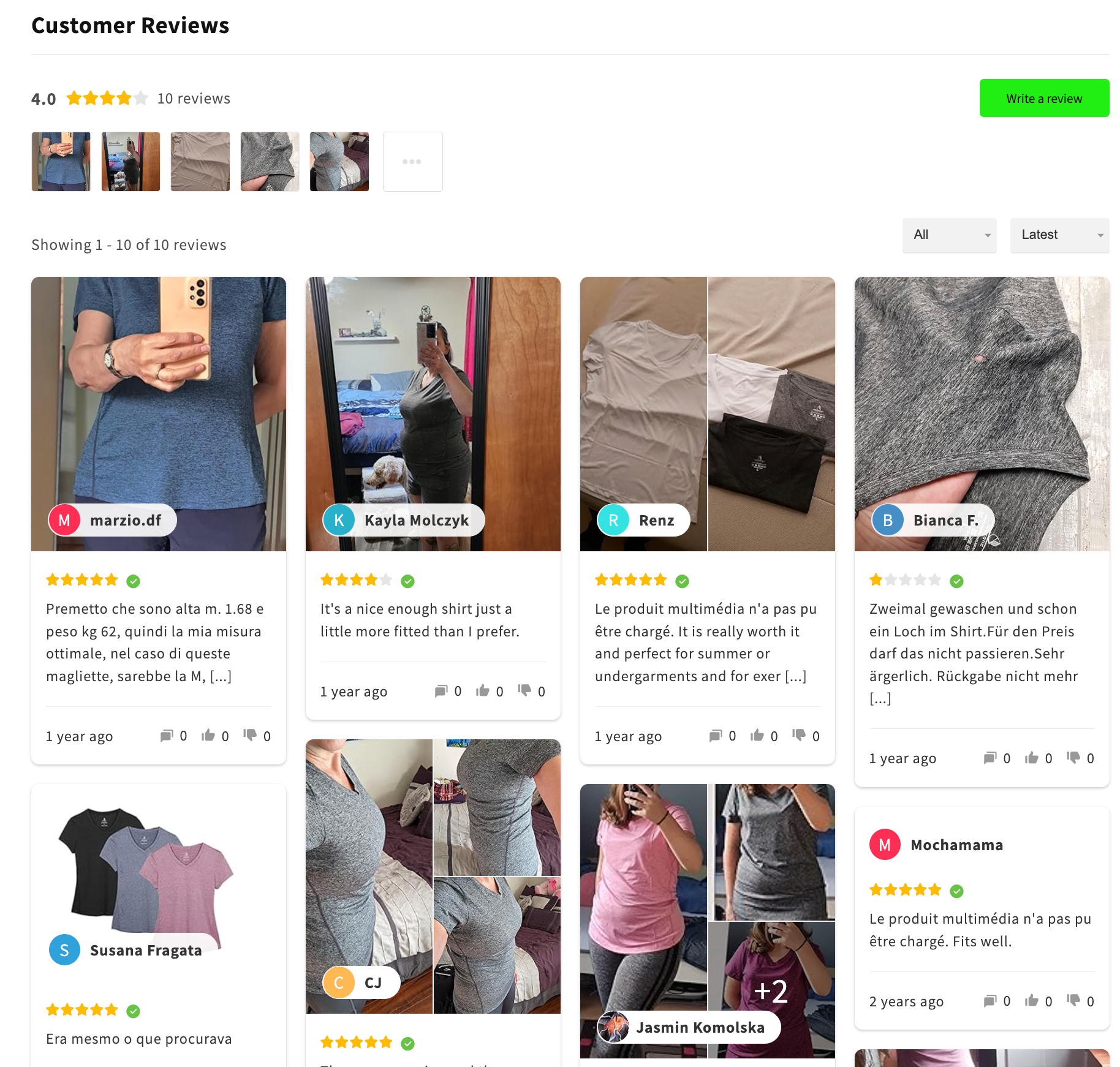
Shoppers who spend time reading multiple reviews, watching customer videos, exploring testimonials, or browsing the Q&A section are seeking validation from others who have already purchased. This behavior shows that the shopper is emotionally invested in the product but wants confirmation that it performs as expected. Social proof is one of the most powerful influences on purchasing decisions, and highly engaged shoppers are actively looking for reassurance that their choice will be the right one.
By responding to this behavior, you can increase conversion by reinforcing trust and confidence. Presenting authentic, easily digestible reviews and verified buyer content allows the shopper to feel secure in their decision. Highlighting key product benefits, user experiences, and visual examples can help the shopper imagine the product in their own life. Providing social proof in a clear and prominent way reduces hesitation and encourages immediate action.
To make the most of this signal, use these strategies:
When a shopper begins the checkout process by entering their personal information, selecting shipping methods, or reviewing totals, it is a strong indicator of purchase intent. Pausing at the final payment step suggests that they may have concerns about price, timing, or return policies. This is a critical moment where even small obstacles or doubts can prevent the sale from completing. The shopper has already demonstrated commitment by initiating checkout and is extremely close to conversion.
At this stage, your goal is to reduce friction and address any remaining concerns to help the shopper finalize the purchase. Highlighting security features, providing flexible payment options, and offering timely support can alleviate hesitation. Small, timely nudges, such as a reminder of a promotion or reassurance about guarantees, can make the difference between abandonment and a completed sale.
To make the most of this signal, use these strategies:

When a shopper clicks save for later or adds items to a wishlist, it may seem passive, but it is actually a strong indicator of purchase consideration. These actions suggest that the shopper is highly interested in the product but is waiting for the right moment to buy. They may be monitoring price fluctuations, waiting for promotions, or planning their purchase according to timing or personal circumstances.
This behavior gives you the opportunity to re-engage shoppers and turn interest into conversions. Sending personalized reminders, alerting them to price drops, or showcasing related products can prompt them to take action. Wishlists and saved items also provide valuable insight into user preferences, allowing you to tailor offers and recommendations to increase conversion potential.
To make the most of this signal, use these strategies:
When a shopper zooms product images, examines multiple angles, scrolls through detailed descriptions, or explores technical specifications, they are actively engaging with the product. This behavior demonstrates that the shopper is carefully evaluating the product and imagining how it will fit their needs. It is a clear sign of strong intent because casual browsers rarely engage with product details to this extent.
Responding effectively to this engagement can improve conversion rates. Providing clear, accessible information, visual aids, and interactive tools can help the shopper make an informed decision without leaving the page. Sticky add-to-cart options, comparison tables, and short demonstration videos make it easier for the shopper to take action. Properly leveraging this behavior ensures that highly interested users remain on your site and complete the purchase.
To make the most of this signal, use these strategies:
Each of these shopper behaviors represents a unique opportunity to engage with high-intent users. When you recognize these signals and respond with timely, relevant actions, you can reduce hesitation, build trust, and increase the likelihood of purchase. Understanding how to interpret and act on shopper intent allows your store to convert more visitors into loyal customers and increase overall sales. Small, well-timed nudges, personalized information, and clear guidance at each stage of the buying process can make a significant difference in turning interest into completed transactions.