New to Shopify? Free trial, then $1/month for your first 3 months. Start free trial →
 Where is your store?
Ryviu works with both – pick yours to continue.









Email capture popups have become a cornerstone strategy for ecommerce brands that want sustainable growth rather than one-time sales. While popups once had a reputation for being disruptive or annoying, modern implementations are far more refined, personalized, and user-friendly. When designed with intent and shown at the right moment, email capture popups enhance the shopping experience instead of interrupting it.
As acquisition costs continue to rise across paid channels, eCommerce businesses can no longer rely solely on ads to drive revenue. This shift has made owned marketing channels more valuable than ever. Among them, email stands out as a reliable, high-ROI channel that allows brands to communicate directly with shoppers. Email capture popups serve as the gateway to this channel, transforming anonymous visitors into engaged leads who can be nurtured over time.
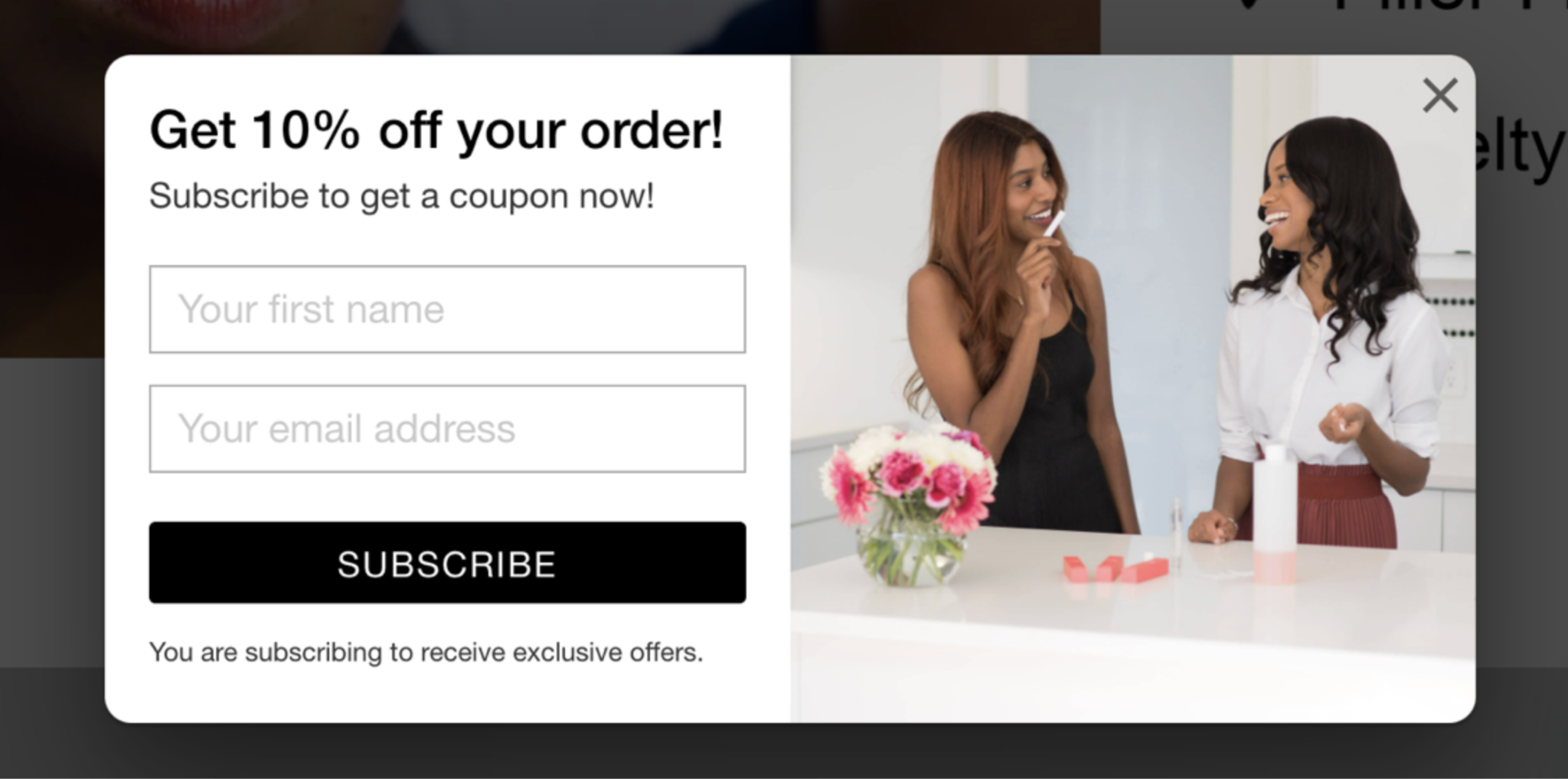
Email capture popups are on-site elements designed to collect a visitor’s email address in exchange for a clear and compelling benefit. They typically appear as overlays, slide-ins, or modal windows and are triggered by specific user behaviors or timing rules. Rather than appearing randomly, effective popups are intentionally placed within the user journey.
These popups help bridge the gap between casual browsing and long-term engagement. Even if a visitor isn’t ready to purchase, capturing their email gives brands a way to continue the conversation after they leave the site. To make this exchange feel worthwhile, ecommerce brands usually present a value-driven incentive that aligns with shopper expectations, such as:
When the value is relevant and clearly communicated, visitors are far more likely to opt in without hesitation.
Email marketing consistently delivers one of the highest returns on investment in ecommerce, but its success depends on building a strong and engaged subscriber list. Email capture popups directly support this goal by turning casual visitors into owned contacts that brands can nurture over time.
Unlike social media followers or paid traffic, email subscribers are an asset you control. This ownership gives ecommerce brands long-term stability, especially as algorithms change and advertising costs continue to rise. Beyond list growth, email capture popups also enable deeper personalization, allowing brands to segment users and deliver more relevant messaging.
Over time, this translates into tangible business benefits, including:
Not all popups perform the same way, which is why matching popup type to shopper behavior is essential. Instead of relying on a single approach, successful ecommerce stores use different popup formats depending on where visitors are in their journey.
Exit-intent popups appear when a visitor shows signs of leaving the site, such as moving the cursor toward the browser bar. Because they trigger at the very end of a session, they don’t interrupt browsing and feel less intrusive.
These popups are particularly effective for recovering lost opportunities by offering a final incentive that encourages visitors to stay connected.
Time-delayed popups activate after a visitor spends a certain amount of time on the site. This delay ensures users have had time to explore and build interest before being presented with an offer.
They are especially effective on product pages, collection pages, and content-rich sections where engagement is already established.
Scroll-based popups appear once a visitor scrolls through a defined portion of a page. This behavior signals interest and intent, making it a natural moment to introduce an email signup offer.
These popups work particularly well on long-form pages where visitors are actively reading or reviewing product details.
Welcome popups appear shortly after a visitor lands on your store and are often used to introduce first-time offers. When done correctly, they set expectations and immediately highlight value.
To maintain a positive first impression, welcome popups should remain simple, visually clean, and easy to close.
Design plays a critical role in determining whether a popup converts or gets ignored. A cluttered layout, vague messaging, or too many form fields can quickly create friction and reduce effectiveness.
High-performing email capture popups focus on clarity above all else. Visitors should instantly understand why signing up is beneficial and what they’ll receive in return. To achieve this, successful popups consistently follow a few core design principles:
When design and messaging work together seamlessly, popups feel intentional rather than intrusive.
Even a well-designed popup can underperform if it appears too often or at the wrong moment. To be effective, popups must balance business goals with user experience.
Rather than aggressively pushing for signups, successful ecommerce brands treat popups as supportive touchpoints within the customer journey. Following proven best practices helps maintain this balance and ensures popups remain effective over time:
These practices help ensure popups add value instead of frustration.
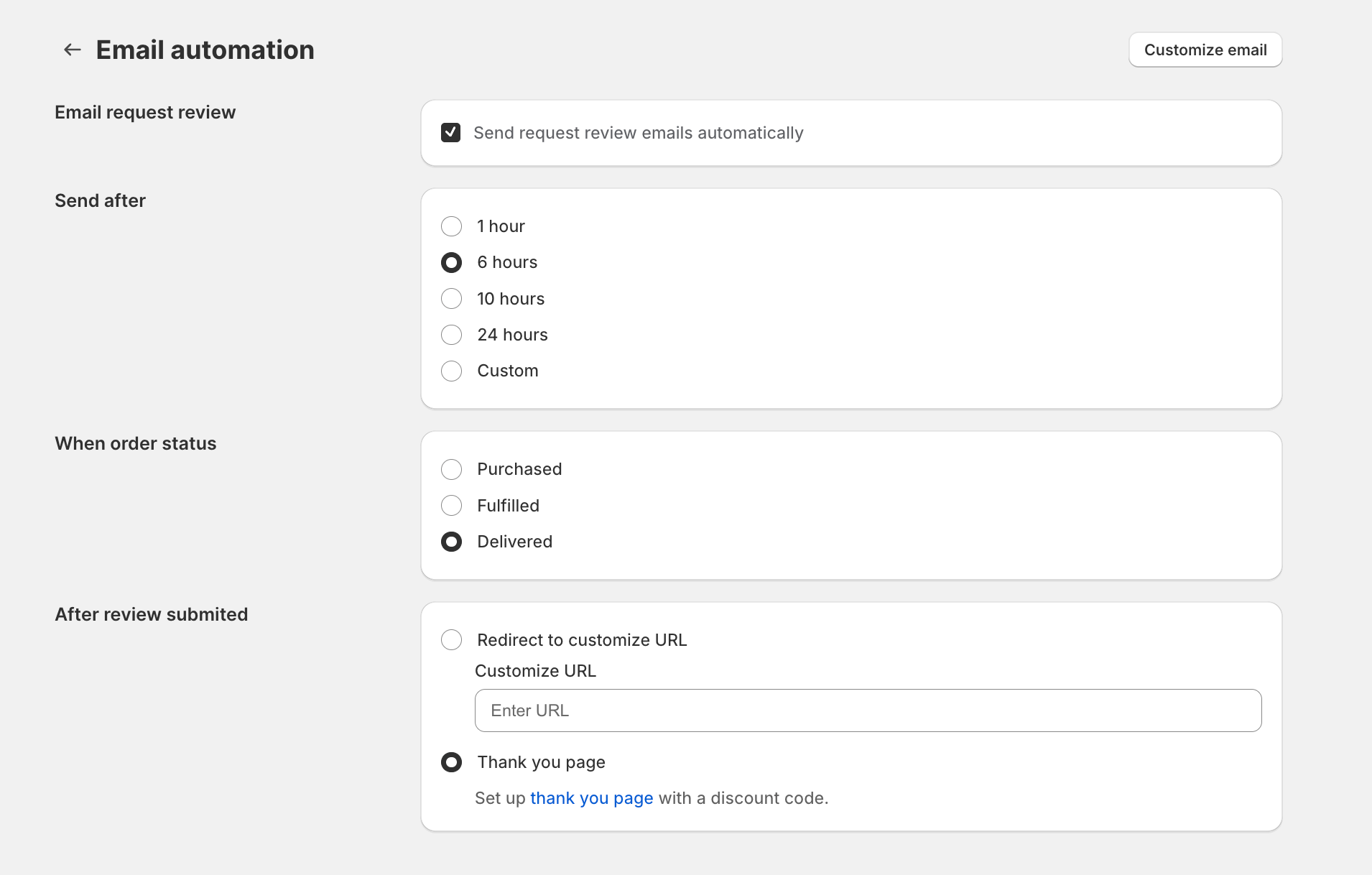
Capturing an email address is only the first step in the customer journey. The real impact happens when subscribers return to your store through email campaigns, expecting reassurance before making a purchase decision. At this stage, trust and credibility play a much bigger role than incentives alone.
Displaying authentic customer reviews, star ratings, and user-generated content helps reduce hesitation and validates the product experience. Review platforms like Ryviu enable ecommerce brands to automatically collect and showcase real customer feedback across product pages. By reinforcing trust at the moment email-driven traffic returns, brands can significantly improve conversion rates and turn subscribers into paying customers.
To truly understand performance, it’s important to look beyond basic signup numbers. While conversion rate is a useful metric, it only tells part of the story.
A strong email capture strategy should contribute to broader business outcomes, particularly revenue and engagement. Measuring the right metrics allows brands to evaluate real impact and optimize over time:
Tracking these metrics ensures popup strategies are aligned with long-term growth goals.
Email capture popups are far more than a simple list-building tool. When thoughtfully implemented, they become a foundational element of eCommerce growth. By combining smart timing, relevant offers, and user-friendly design, brands can turn short visits into lasting customer relationships.
In an environment where traffic is expensive and competition is intense, email capture popups ensure every visit has long-term value. They help eCommerce businesses grow their audience, strengthen customer loyalty, and drive consistent revenue over time.