New to Shopify? Free trial, then $1/month for your first 3 months. Start free trial →
 Where is your store?
Ryviu works with both – pick yours to continue.








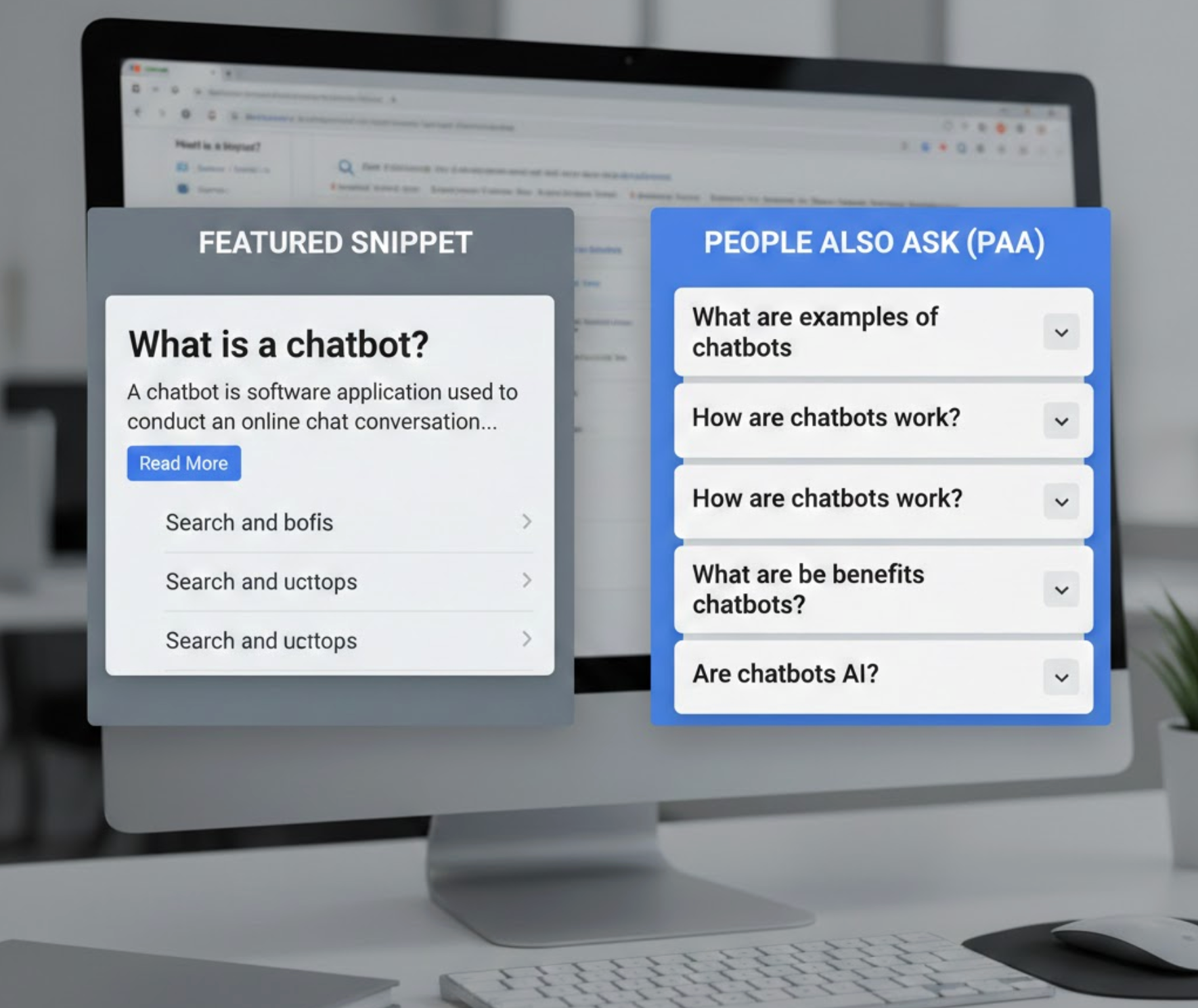
Over the years, Google has introduced several advanced SERP features to give users quicker, more accurate answers. Among these, Featured Snippets and People Also Ask (PAA) boxes have become two of the most influential elements, shaping how users search and how brands compete for visibility. Although they may look similar at first glance, they serve different purposes and impact SEO in different ways.
Understanding the difference between Featured Snippets and PAA is essential because each feature requires unique optimization strategies. By mastering both, you can position your website to capture more traffic, build authority, and meet users' search intent more effectively. In the sections below, we’ll explore how they work, how they differ, and how you can optimize your content to win both positions.
Featured Snippets are specially highlighted answer boxes that appear at the top of Google’s search results. They occupy what is known as “Position Zero,”a type of zero-click marketing, meaning they appear even before the first organic result. This prime visibility gives them substantial influence over how users interact with search pages.
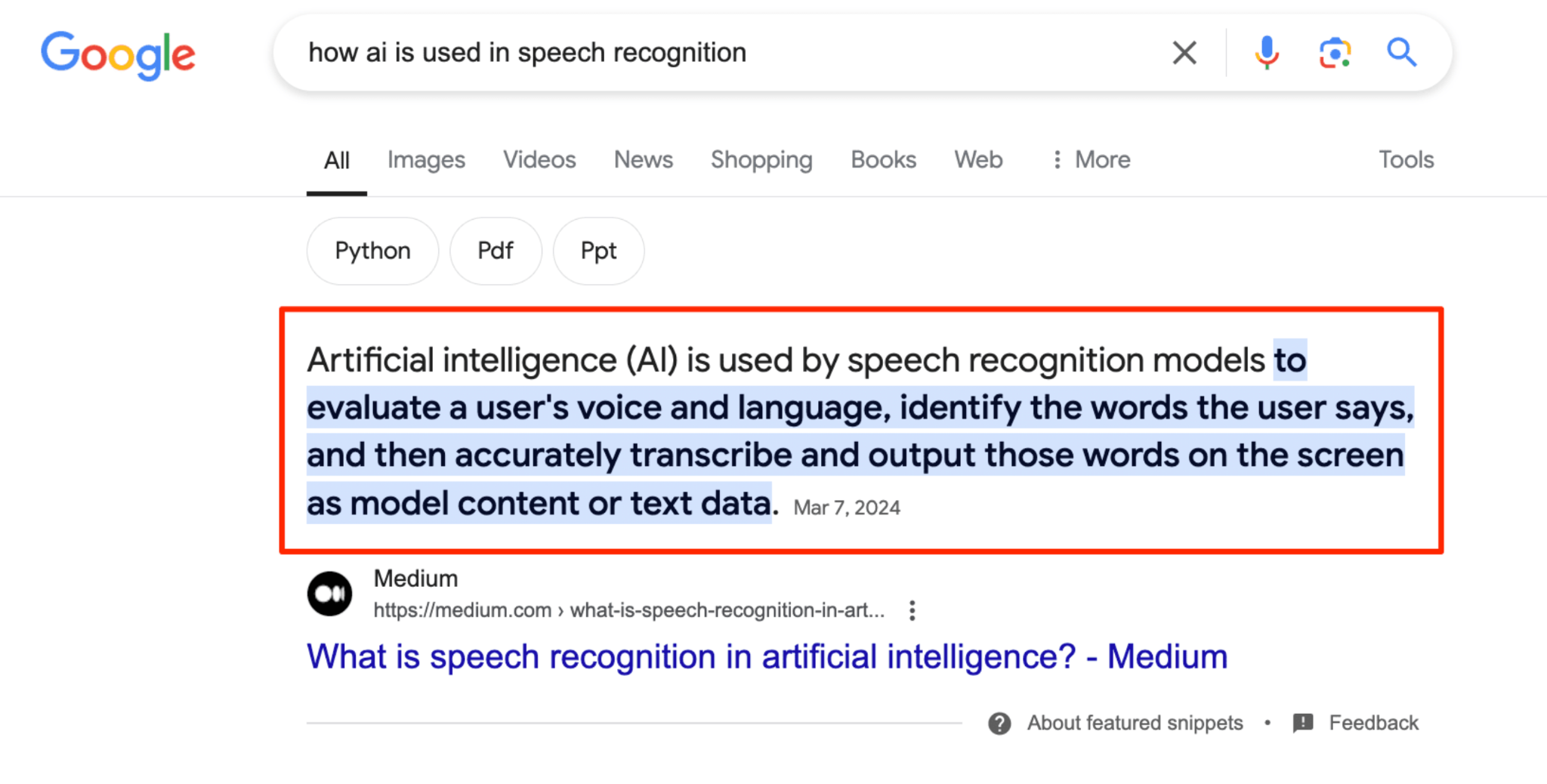
Google selects Featured Snippets when it believes a specific part of a webpage gives the most accurate, concise, and helpful answer to a query. To support different types of questions, Google uses various snippet formats:
Featured Snippets aim to satisfy user intent immediately. And because of this, they are often shown for searches where users want fast, direct answers, such as “What is dynamic pricing?” or “How to compress images for web.”
Featured Snippets are extremely powerful for SEO due to several reasons:
When combined, these benefits make Featured Snippets one of the most valuable opportunities for brands seeking top-of-SERP exposure.
While Featured Snippets deliver a single, highly refined answer, the People Also Ask box guides users through related questions and topics. It acts like an interactive knowledge map, helping users explore more angles of the subject they’re researching.
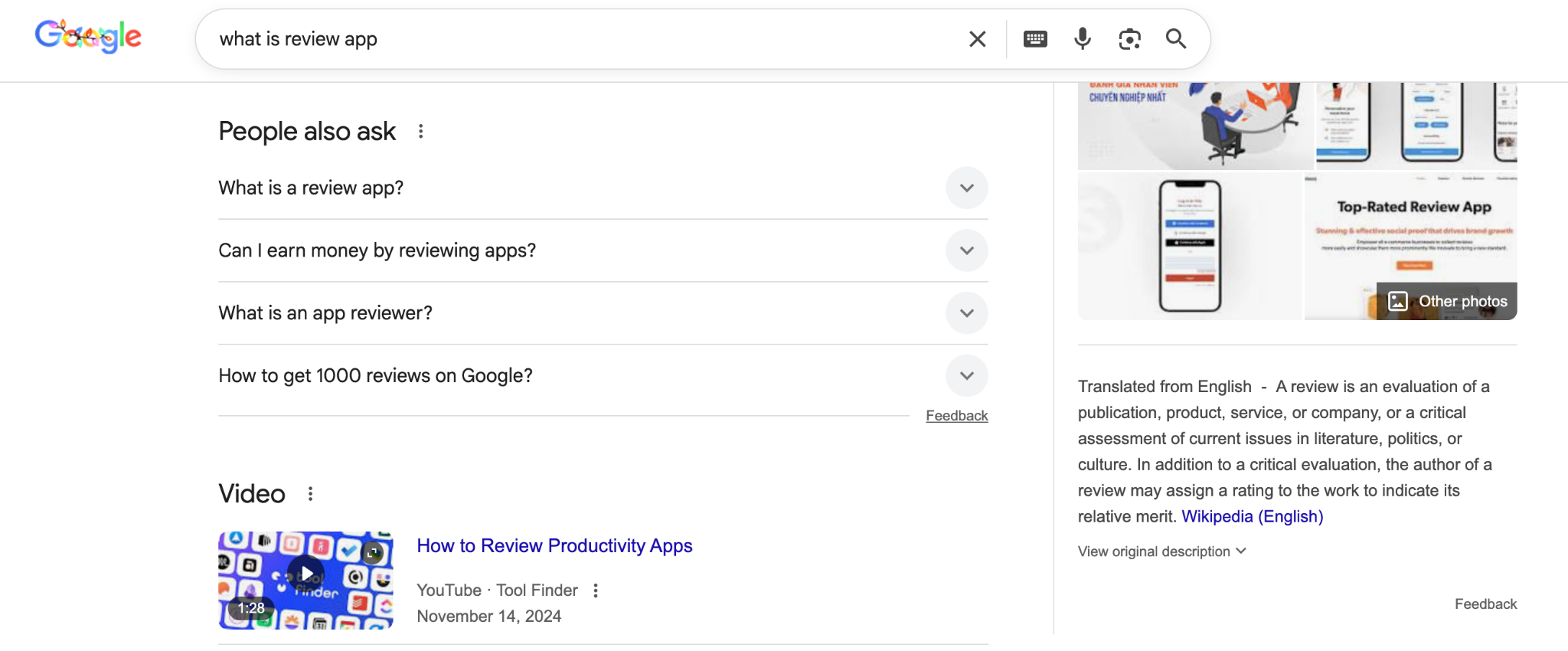
PAA boxes are dynamic and appear at various positions within the search results—sometimes at the top, sometimes in the middle, and sometimes near the bottom. What makes PAA especially unique is its expandable design.
When users click on a PAA question:
Because of this interactive behavior, PAA boxes play a much bigger role in guiding user research journeys, especially for more complex topics.
PAA is extremely valuable for SEO because:
Compared to Featured Snippets, PAA is easier to win and more abundant, making it an ideal strategy for brands wanting quick SEO gains.
Although Featured Snippets and People Also Ask (PAA) boxes may look similar because both deliver quick answers on Google’s search results, their purpose, placement, format, and SEO impact are quite different. Understanding these differences is essential because each feature signals a different type of search behavior and requires a unique optimization strategy. By examining how they function and how users interact with them, you can better determine which feature to target—and how to use both for maximum visibility.
Below are the key differences explained in depth.
One of the most notable differences between Featured Snippets and PAA boxes is where they appear on the search results page. Their placement directly influences user attention, click-through rate, and overall visibility.
Featured Snippets almost always appear at the very top of the page, above all organic results. This position, often referred to as Position Zero, gives them unmatched prominence. Users see the Featured Snippet before anything else, which naturally makes it the most visible element on the page.
Because users often look for quick answers, many rely heavily on whatever they see first. This means Featured Snippets can capture clicks even if they do not fully satisfy the user’s intent.
In contrast, the People Also Ask box can appear almost anywhere on the page. It might show up right below the Featured Snippet, after a few organic results, or even near the bottom. Its position varies depending on the query and how Google structures the SERP.
Although PAA may not always be the first thing users see, its expandable design keeps users engaged as they scroll. Once users interact with it, the PAA box becomes a dominant feature because it expands and introduces new related questions dynamically.
Featured Snippets excel at capturing immediate attention, while PAA boxes excel at capturing continuing attention throughout the user’s research journey.
Another major difference lies in the type of search intent each feature fulfills and the way users interact with them.
Featured Snippets are designed for direct, high-intent queries. These are searches where the user wants a straightforward answer, such as a definition, a quick instruction, or a fact.
Examples:
In these cases, the user’s goal is immediate clarity. Featured Snippets give them exactly that.
PAA, however, supports more exploratory search behavior. Users often click on PAA questions when they want to go deeper, understand more angles of a topic, or compare different explanations.
For example, after searching “why is my website slow,” the PAA box may offer:
This format encourages users to engage more, explore multiple related questions, and refine their understanding.
Featured Snippets answer one core question, while PAA guides users through a bigger learning path, making it ideal for capturing exploratory traffic.
The visual presentation of Featured Snippets and PAA results also differs, influencing how information is delivered.
Featured Snippets can appear in several forms:
This flexibility allows Google to choose the format that best answers the query.
PAA, on the other hand, is much more standardized. Most PAA answers appear as:
Because the goal is quick exploration, PAA results keep things short and consistent.
Featured Snippet optimization often requires matching the expected format for the query.
PAA optimization focuses more on clear structure and direct answers, without worrying too much about format variety.
Winning Featured Snippets and ranking in PAA boxes require different levels of competition and content strength.
Featured Snippets are competitive because Google only chooses one page for each query. This means:
High domain authority and excellent content organization significantly increase the chances of winning.
PAA is much easier to win because:
This makes PAA a great opportunity for smaller or newer websites that want quick SEO wins.
Featured Snippets require top-tier optimization, whereas PAA allows for broader participation, even with lower authority.
Both features influence CTR differently due to how users interact with them.
Featured Snippets can both increase and decrease CTR:
CTR varies heavily depending on the query type. Informational queries often lead to zero clicks, while instructional or comparison-based queries still drive strong traffic.
PAA boxes typically boost CTR because:
For brands that want consistent clicks, PAA is often more reliable.
Featured Snippets offer high exposure but variable clicks.
PAA offers moderate exposure but steadier, more frequent clicks.
Featured Snippets and PAA boxes shape different stages of the user’s search experience.
Featured Snippets are designed to answer immediately. They are most impactful when the user needs a fast, authoritative response. This is especially useful during:
PAA supports in-depth learning. It introduces questions the user may not have thought to ask, helping them explore the topic more thoroughly.
This makes PAA ideal for:
Featured Snippets satisfy quick intent, while PAA fuels curiosity-driven exploration.
Lastly, both features offer different long-term benefits.
Featured Snippets can significantly boost brand authority, especially when you consistently appear for major “pillar” keywords. However, because they target fewer queries, your growth depends on ranking for major topics.
PAA offers exponential growth because:
PAA provides scalable keyword reach, while Featured Snippets offer high-impact authority wins.
Both features are beneficial, but they offer different advantages depending on your goals.
Featured Snippets are ideal when you want to:
If your aim is to dominate SERPs for competitive keywords, Featured Snippets should be a core strategy.
PAA optimization is perfect for:
PAA helps you build depth and breadth simultaneously, making it a great tool for content-heavy websites.
Ideally, you should target both. Featured Snippets give you peak visibility, while PAA extends your reach across more keywords. Together, they strengthen both authority and traffic potential.
Winning a Featured Snippet requires strategic formatting and highly relevant content. Google prioritizes clarity and structure, so your content must clearly address the target query.
To optimize for featured snippets, you can follow these actionable optimization techniques:
When you apply these practices consistently, your chances of winning Position Zero increase significantly.
Because PAA focuses on answering multiple related questions, the optimization strategy is slightly different. Google rewards content that covers the main topic comprehensively and naturally.
Below are some actionable optimization techniques you may try:
By combining these tactics, your content becomes a strong candidate for multiple PAA positions across the SERP.
Featured Snippets and People Also Ask boxes are two of Google’s most powerful SERP features, each influencing search behavior in different ways. Featured Snippets offer maximum visibility by placing your content at Position Zero, while PAA expands your reach across multiple questions and long-tail searches.
Instead of choosing one strategy, you should optimize for both. With clear formatting, strong topic coverage, and strategic organization, your content can win Featured Snippets for primary keywords and appear in PAA boxes for dozens of related queries.
By mastering both strategies, you enhance your chances of ranking higher, increasing organic traffic, and strengthening your brand’s authority across Google’s search ecosystem.