New to Shopify? Free trial, then $1/month for your first 3 months. Start free trial →
 Where is your store?
Ryviu works with both – pick yours to continue.








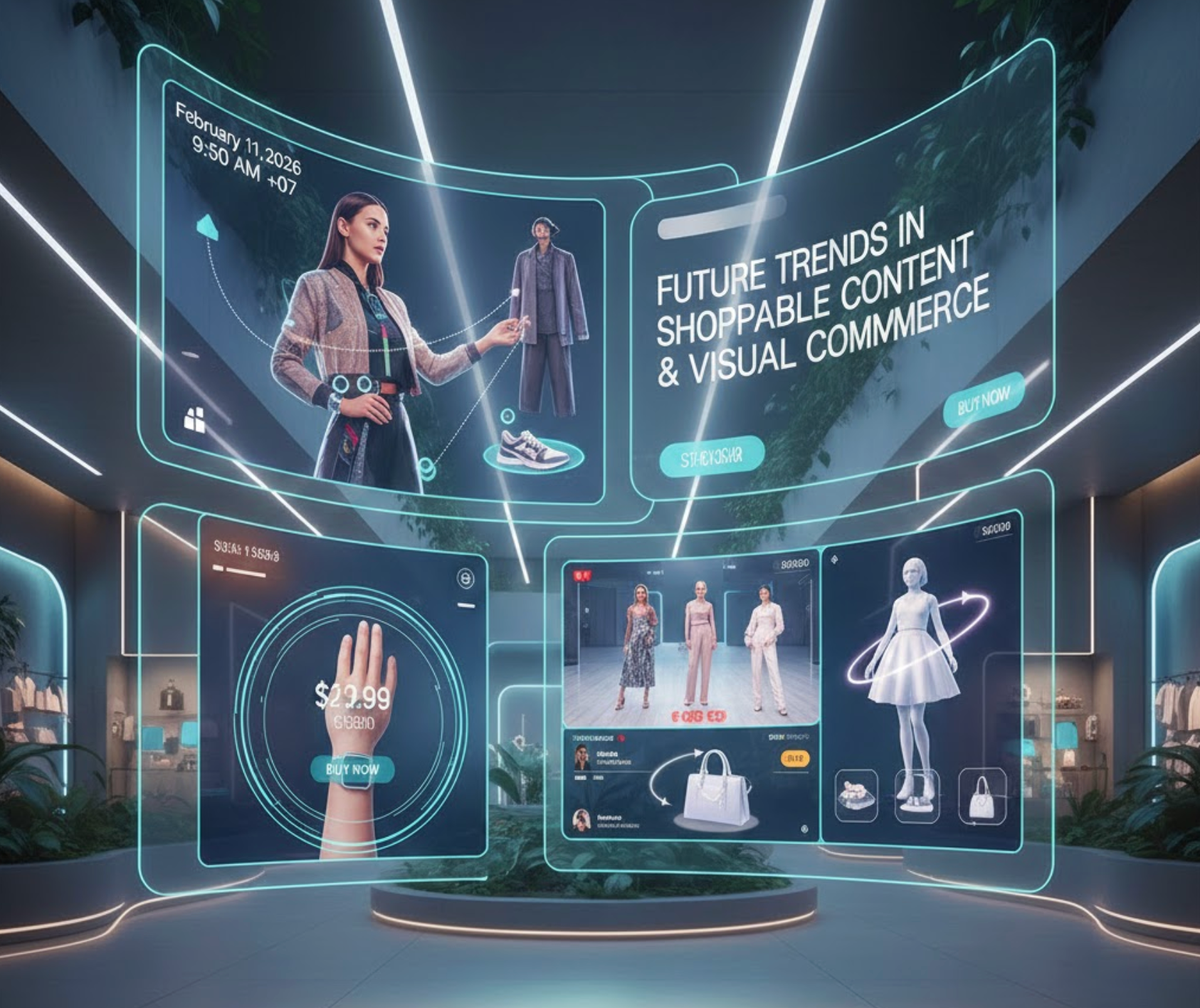
Shoppable content and visual commerce are transforming how customers discover, evaluate, and purchase products online. Instead of browsing static catalogs, shoppers now engage with videos, interactive visuals, livestreams, and immersive product experiences that allow them to buy directly within the content they consume. This shift reflects a broader change in consumer expectations, people want shopping to feel intuitive, engaging, and seamlessly integrated into their digital lives.
As technology continues to evolve, brands are rethinking how they design product pages, marketing campaigns, and customer journeys. Visual storytelling is no longer just a branding tool; it has become a core driver of engagement and conversion. The future of eCommerce lies in experiences that combine entertainment, personalization, and convenience.
Understanding upcoming trends in shoppable content and visual commerce helps businesses stay competitive in a rapidly changing landscape. From AI-generated visuals to augmented reality shopping, the next wave of eCommerce innovation focuses on creating interactive environments where customers can explore and purchase naturally.

Artificial intelligence is reshaping how brands produce and manage visual assets. AI-powered tools can generate product photos, lifestyle imagery, and promotional videos quickly, allowing businesses to test different visual approaches without investing in costly production cycles. This enables faster product launches and continuous creative experimentation.
AI is also transforming how brands tell stories through visuals. Automated tools can adapt images for different audiences, regions, and platforms while maintaining brand consistency. As a result, even smaller businesses can compete with larger companies by producing professional-quality content at scale.
As AI continues to simplify content creation, brands are gaining the ability to produce high-quality visuals faster and experiment more freely with new formats. Instead of treating visual production as a slow, one-time process, businesses can now create, test, and refine visuals continuously. This shift opens new opportunities for brands of all sizes to scale their visual strategies efficiently.
Video has become one of the most influential formats in visual commerce. Short-form videos, livestream demonstrations, and interactive tutorials allow customers to see products in action and understand their value instantly. Unlike static images, video communicates context, functionality, and emotional appeal in a more dynamic way.
Social media platforms have accelerated this shift by integrating product tags and in-video purchasing options. Customers can watch a product demonstration, explore details, and complete a purchase without leaving the platform. As a result, brands are increasingly focusing on video content that blends storytelling with direct conversion opportunities.
As video becomes the dominant format for product discovery, brands are rethinking how customers move from watching to buying. The next wave of visual commerce focuses on removing friction and making the transition from inspiration to purchase feel seamless. These evolving experiences are shaping how audiences expect to engage with products online.

Augmented reality (AR) and 3D visualization are changing how customers interact with products before making a purchase. Instead of relying on flat images, shoppers can rotate items, zoom into details, and visualize products within their real-world environment. These immersive tools make online shopping feel more tangible and informative.
Retailers in fashion, beauty, and home decor are already using AR to help customers try products virtually. Virtual try-ons, furniture placement tools, and interactive customization features increase buyer confidence and reduce the uncertainty that often leads to returns. As technology becomes more accessible, these experiences are expected to become standard across eCommerce platforms.
As immersive technologies become more accessible, brands are finding new ways to help customers experience products virtually before making a decision. These interactive tools reduce uncertainty and make online shopping feel more tangible. The following applications show how AR and 3D experiences are being integrated into everyday eCommerce journeys.
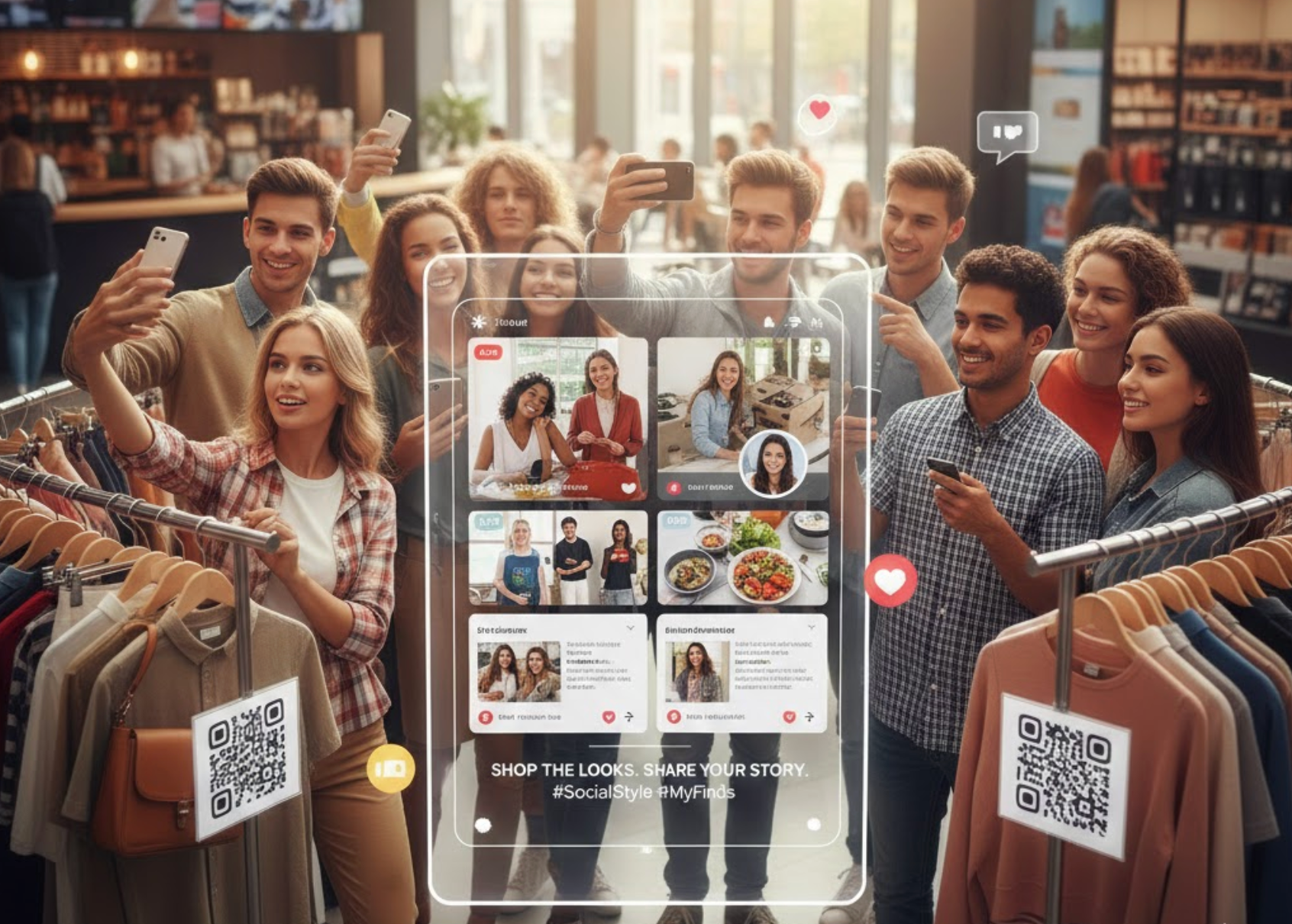
Authenticity has become a key driver of trust in eCommerce. Customers increasingly rely on user-generated content (UGC), such as reviews, unboxing videos, and real-life product demonstrations, to inform their decisions. Seeing products used by real people helps reduce skepticism and creates a sense of community around a brand.
Social platforms are no longer just marketing channels, they have evolved into full shopping ecosystems. Creator partnerships, influencer collaborations, and community-driven content allow brands to reach audiences through relatable storytelling rather than traditional advertising.
With social platforms becoming primary product discovery channels, visual content created by real users is gaining significant influence. Authentic experiences often resonate more strongly than polished brand campaigns because they reflect real opinions and everyday usage. As a result, brands are increasingly focusing on community-driven storytelling and collaboration.
Traditional product pages are evolving into interactive content hubs. Instead of static layouts filled with text, modern product pages integrate videos, interactive visuals, comparison tools, and educational content to guide customers through the decision-making process.
These modular experiences help shoppers explore products in a way that feels intuitive and engaging. For example, interactive lookbooks and dynamic image galleries allow customers to see products styled in real-life scenarios, improving both engagement and conversion potential.
Modern product pages are evolving into dynamic content hubs that combine information, storytelling, and interactive features in one place. Instead of scrolling through static descriptions, customers can explore products through engaging visual elements that guide decision-making naturally. These emerging components highlight how product pages are becoming more immersive and informative.
Artificial intelligence is also changing how customers discover products. Visual search tools allow users to upload images or screenshots and find similar items instantly. Meanwhile, AI-powered recommendation engines analyze browsing patterns and preferences to deliver highly personalized product suggestions.
As conversational AI and generative search technologies continue to develop, customers are increasingly interacting with brands through natural language queries. Instead of navigating categories manually, they expect curated visual experiences tailored to their interests and intent.
As AI becomes more advanced, visual discovery is shifting toward highly personalized shopping experiences tailored to each user’s preferences and behaviors. Rather than presenting the same catalog to everyone, brands can now deliver curated product journeys that adapt in real time. The following developments illustrate how AI is reshaping how customers explore and find products.
The boundary between entertainment and eCommerce is becoming increasingly blurred. Livestream shopping events, interactive brand experiences, and creator collaborations transform product promotion into engaging digital experiences. Instead of traditional advertisements, brands are focusing on storytelling formats that encourage participation and interaction.
This trend reflects a broader shift toward experiential commerce, where customers shop while watching, playing, or engaging with content communities. By combining education, entertainment, and real-time interaction, brands can create deeper emotional connections and encourage spontaneous purchasing behavior.
As visual commerce continues to evolve, brands that prioritize storytelling, community engagement, and entertainment-driven content are more likely to capture attention in crowded digital environments.
The future of shoppable content and visual commerce is immersive, personalized, and deeply integrated into everyday digital experiences. From AI-generated visuals and video-first shopping to augmented reality and community-driven content, eCommerce is moving toward interactive environments where customers can explore products naturally.
Rather than simply displaying items, brands must design visual journeys that inspire, educate, and convert simultaneously. Businesses that embrace emerging technologies and prioritize authentic visual storytelling will be better positioned to meet evolving customer expectations and drive long-term growth.
As the digital commerce landscape continues to evolve, the most successful brands will be those that treat visual content not just as marketing material, but as a central component of the entire shopping experience.