 New to Shopify? Free trial, then $1/month for your first 3 months. Start free trial →
 Where is your store?
Ryviu works with both – pick yours to continue.








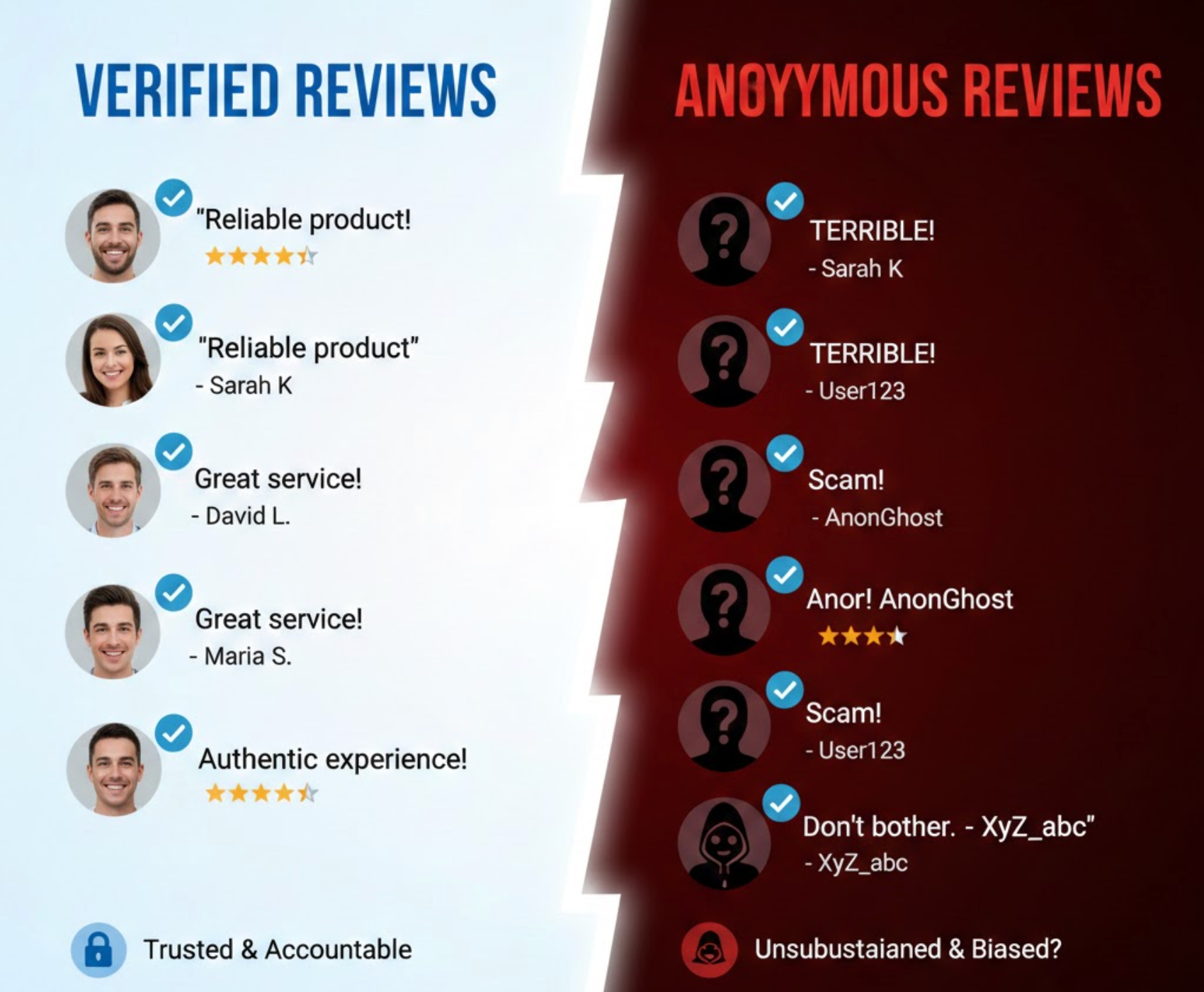
Customer reviews have become one of the most influential factors in eCommerce decision-making. Before purchasing, shoppers often look for real experiences from other buyers to reduce uncertainty and feel confident about product quality. However, not all reviews carry the same weight, especially when comparing verified reviews with anonymous reviews.
Verified reviews offer proof that feedback comes from real customers, while anonymous reviews focus on open expression without identity disclosure. Both types can influence trust in different ways, and understanding their impact helps businesses design smarter review strategies. By combining transparency with authentic customer voices, and using reliable tools such as Ryviu, which helps verify and manage reviews effectively, brands can build a trustworthy and persuasive shopping environment.
Verified reviews are submitted by customers whose purchases have been confirmed through an eCommerce platform or review system. When a shopper completes an order and leaves feedback linked to that transaction, the system marks the review as “verified buyer” or similar. This label reassures potential customers that the opinion comes from real product usage rather than promotional content.
The main advantage of verified reviews is credibility. Customers feel more confident when they know feedback is based on genuine experiences, especially when purchasing unfamiliar brands or high-value products. Verification helps eliminate doubts about fake or incentivized reviews that could mislead buyers.
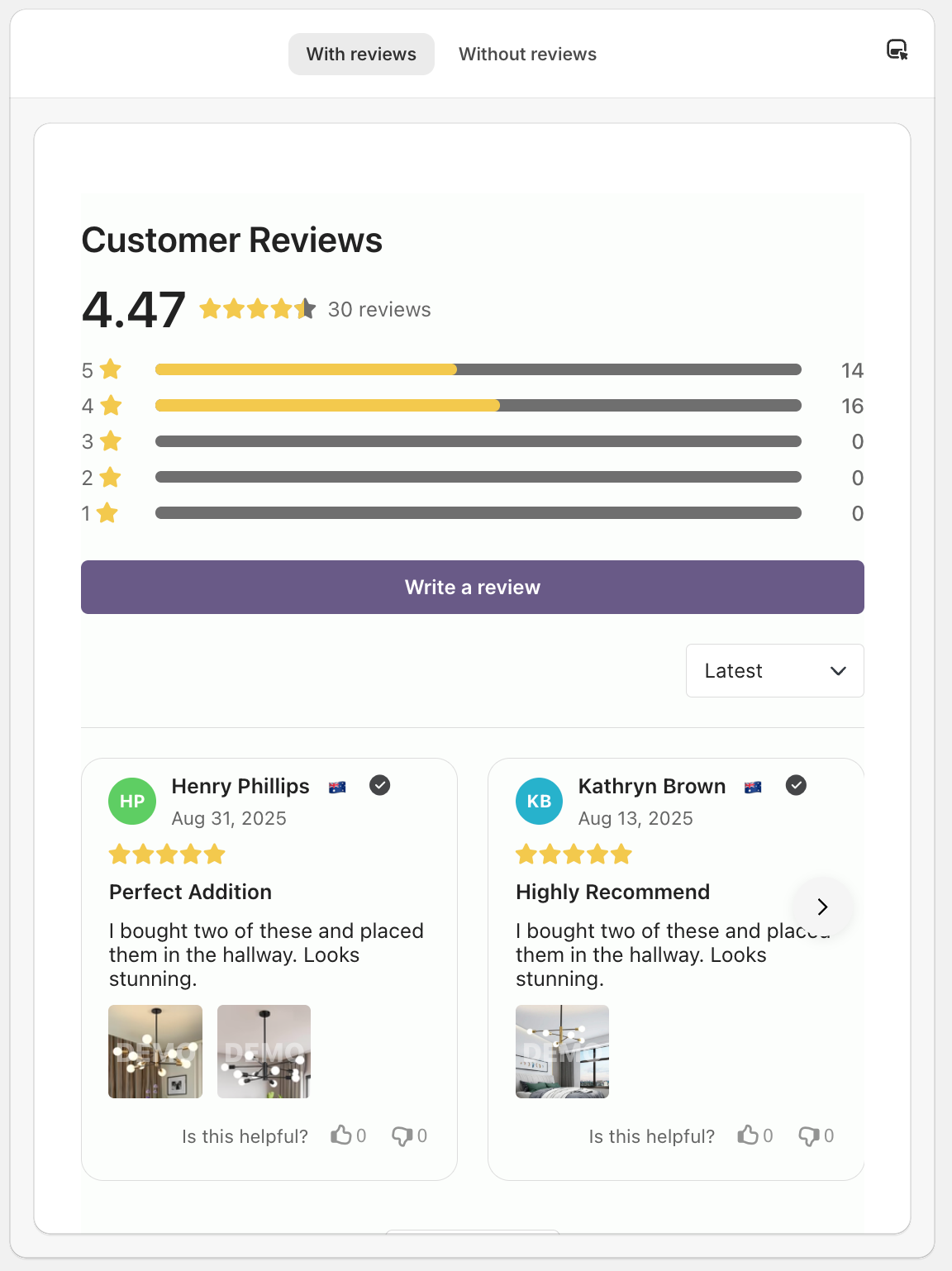
Tools like Ryviu help businesses automate this process by sending review requests after confirmed purchases and automatically tagging verified buyers. This ensures the review section reflects authentic customer experiences while saving merchants time on manual verification.

Anonymous reviews allow customers to share feedback without publicly revealing their identity. Instead of displaying a name or purchase details, the focus remains on the opinion itself. This format often encourages honest and direct communication because reviewers feel less pressure or fear of judgment.
From a customer perspective, anonymity can promote openness. Some shoppers may hesitate to share negative experiences under their real name but feel comfortable providing detailed feedback anonymously. As a result, anonymous reviews can reveal insights about product issues or service challenges that might otherwise go unreported.
However, anonymous reviews can also raise questions about authenticity. Without confirmation of a purchase or identifiable user profile, readers may wonder whether the feedback is genuine. Businesses therefore need systems that balance openness with quality control, something review platforms like Ryviu support through moderation tools and spam detection features.
Verified reviews play a central role in building trust because they reduce uncertainty. When customers cannot physically see or test products before buying, they rely heavily on credible feedback to make informed decisions.
First, verification increases transparency. Seeing a “verified buyer” badge signals that the review is connected to a real transaction, which reassures shoppers about its reliability. This reduces skepticism and makes the brand appear more honest.
Second, verified reviews create consistency in product expectations. When customers read multiple verified experiences, they develop a clearer understanding of product performance and quality. This helps prevent disappointment and builds long-term confidence in the brand.
Finally, verified reviews often improve conversion rates. Many eCommerce merchants use tools such as Ryviu to collect and display verified feedback with photos or videos, giving shoppers visual proof of real product usage and encouraging faster purchase decisions.
While verified reviews provide structural trust, anonymous reviews contribute emotional authenticity. They often capture unfiltered opinions and personal experiences that make feedback feel more human and relatable.
Anonymous reviewers may feel more comfortable discussing sensitive topics such as product flaws, shipping problems, or customer service frustrations. This honest perspective can help businesses identify improvement areas and show customers that the brand values transparency rather than perfection.
Additionally, anonymous reviews can increase participation. Customers who value privacy may be more willing to share their thoughts when identity disclosure is optional. When combined with strong moderation tools, such as those available in Ryviu, anonymous feedback can remain constructive while minimizing spam or harmful content.
Several factors influence how shoppers interpret verified and anonymous reviews:
Credibility: Verified reviews provide stronger proof of authenticity because they link feedback to real purchases. Anonymous reviews rely more on emotional honesty rather than factual verification.
Transparency: Verified systems clearly show the reviewer’s connection to the product, which reduces doubts. Anonymous systems require additional moderation to maintain trust.
Participation: Anonymous reviews often generate higher participation rates because they reduce social pressure. Verified reviews may be fewer but typically carry more influence on purchasing decisions.
Risk Perception: Shoppers tend to trust verified reviews more when making final decisions, especially for expensive or unfamiliar products.
Rather than choosing between verified and anonymous reviews, many successful eCommerce brands combine both approaches. Verified reviews provide a reliable foundation of credibility, while anonymous reviews add diversity and honest perspectives.
A balanced system allows customers to see a wide range of experiences without sacrificing trust. For example, a store might prioritize verified reviews on product pages while still allowing optional anonymity for sensitive feedback. Review platforms like Ryviu make this balance easier by offering automated verification alongside flexible review settings and moderation controls.
This combination helps brands maintain authenticity while encouraging more customer engagement, ultimately leading to a richer and more trustworthy review ecosystem.

Managing both verified and anonymous feedback effectively requires the right tools. Ryviu is a review app designed to help eCommerce businesses collect, verify, and display customer feedback in a way that strengthens trust and improves conversions.
With automated review requests, merchants can easily gather feedback from real buyers and label verified reviews clearly. The platform also supports photo and video reviews, which add visual authenticity and help customers understand products better. Additionally, moderation and filtering features allow businesses to manage anonymous feedback responsibly while maintaining transparency.
By integrating a system like Ryviu, brands can streamline review management, highlight genuine customer voices, and create a review environment that feels both credible and honest.
Both verified and anonymous reviews play important roles in shaping trust in eCommerce. Verified reviews provide structural credibility through confirmed purchases, helping customers feel confident about product quality and authenticity. Anonymous reviews encourage openness and emotional honesty, offering unfiltered insights that add depth to customer feedback.
Ultimately, the strongest trust emerges when businesses combine both review types within a transparent and well-managed system. By using tools such as Ryviu to automate verification, encourage authentic feedback, and maintain moderation standards, eCommerce brands can create a balanced review experience that supports informed decisions and long-term customer loyalty.




