New to Shopify? Free trial, then $1/month for your first 3 months. Start free trial →
 Where is your store?
Ryviu works with both – pick yours to continue.









In the eCommerce world, the way a checkout flow is designed can significantly impact conversion rates, user experience, and long-term customer engagement. One of the key decisions merchants face is whether to allow guest checkout, require account creation, or offer both options. Each approach has distinct advantages and disadvantages, and the best choice depends on the type of business, target audience, and long-term goals. This article explores both strategies in detail and compares them across key aspects of online shopping.
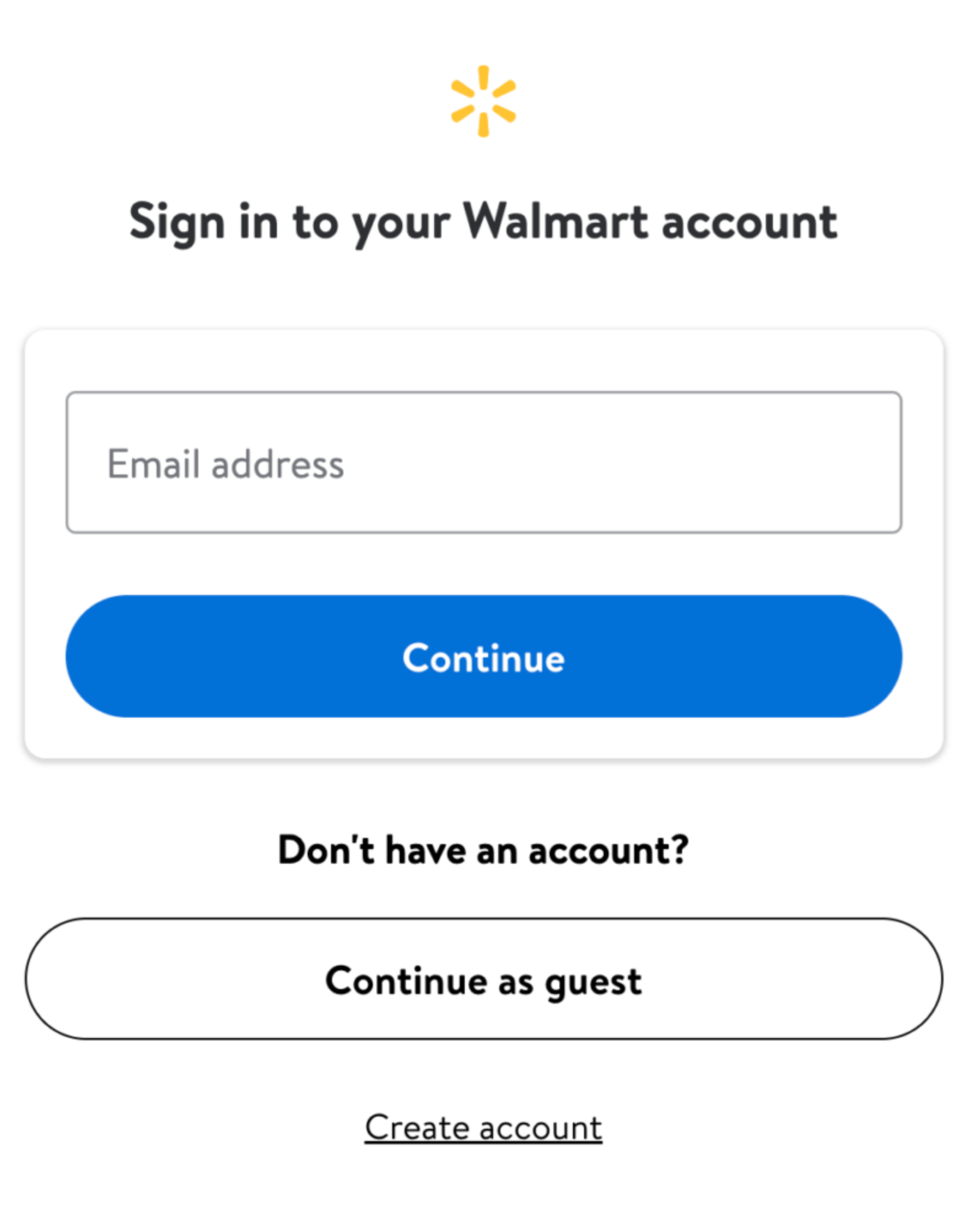
Guest checkout allows shoppers to complete a purchase without creating an account. Users only provide the essential information required to process the order, such as shipping details, email for order confirmation, and payment information. This streamlined process reduces friction, making it faster and easier for customers to complete their purchases. Guest checkout is especially useful for first-time buyers, mobile users, or those making one-time or impulse purchases.
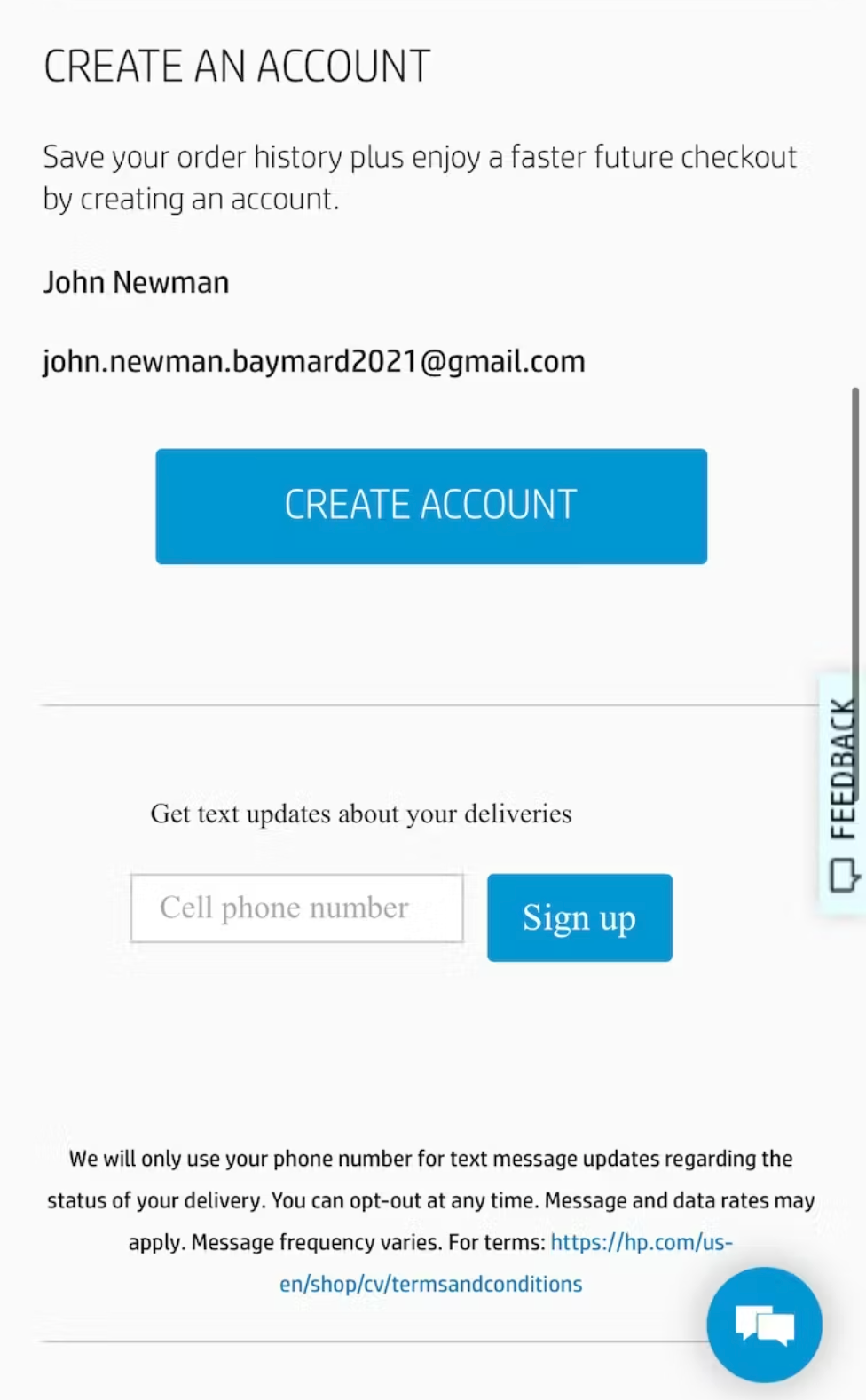
Account creation requires users to sign up for a persistent account with a username, password, and sometimes additional personal details. Accounts store order history, shipping information, and preferences for future purchases. They allow merchants to build richer customer profiles, personalize marketing, and encourage loyalty through rewards, recommendations, and convenient repeat transactions. While account creation introduces extra steps in the checkout flow, it offers significant benefits for customer retention and long-term engagement.
Guest Checkout: Guest checkout minimizes friction, allowing shoppers to complete purchases quickly without additional steps. This speed is particularly valuable for first-time buyers, mobile users, and impulse purchases, where even small delays can lead to cart abandonment. By removing requirements like password creation or account verification, guest checkout provides a fast, smooth path to purchase.
Account Creation: Requiring an account adds extra steps, including profile setup, password creation, and email verification. While this can slow checkout and deter some shoppers, it encourages a commitment to the brand and enables merchants to capture valuable customer data. Returning customers often find the convenience of saved information offsets the initial friction.
Verdict: Guest checkout wins in immediate conversion due to its speed and simplicity, while account creation provides long-term value by encouraging future engagement and loyalty.
Guest Checkout: Guest checkout collects only basic information, such as email and shipping address. This limits merchants’ ability to segment customers, deliver personalized experiences, or track user behavior. While this appeals to privacy-conscious shoppers, it restricts opportunities for targeted marketing.
Account Creation: Account creation allows merchants to store detailed profiles, track purchase history, and analyze customer behavior. This data can be used for personalized recommendations, marketing campaigns, and loyalty programs. Customers benefit from a more customized shopping experience, while merchants gain insights to drive repeat sales.
Verdict: For personalization and data-driven marketing, account creation is more effective. Guest checkout remains valuable for first-time buyers or users who prefer minimal data sharing.
Guest Checkout: Guest users typically complete one-off transactions and may not return, as they lack an account to track previous purchases or save preferences. This can reduce repeat sales and make it harder to build brand loyalty.
Account Creation: Registered accounts streamline repeat purchases by saving addresses, payment methods, and order history. They enable loyalty programs, rewards, and personalized offers, fostering long-term engagement. Returning customers enjoy a faster and more convenient experience.
Verdict: Account creation is superior for driving repeat business and loyalty, while guest checkout prioritizes convenience for one-time or first-time buyers. Offering a post-purchase option to create an account can combine both advantages.
Guest Checkout: By simplifying the checkout process, guest checkout enhances usability and builds trust, especially for first-time users. It communicates respect for the shopper’s time and reduces frustration during the purchase process, particularly on mobile devices.
Account Creation: Accounts improve the experience for returning customers by providing dashboards, order tracking, and personalized recommendations. However, they can create perceived friction during the initial checkout, which may deter some shoppers.
Verdict: Guest checkout maximizes simplicity and trust for new users, whereas accounts enhance the experience for repeat shoppers and strengthen long-term engagement when implemented thoughtfully.
Guest Checkout: Guest transactions limit merchants’ ability to re-engage customers through targeted marketing or abandoned cart campaigns. Post-purchase invitations to subscribe to newsletters or create an account can partially address this limitation.
Account Creation: Accounts open up significant marketing opportunities, allowing merchants to segment users, send personalized campaigns, recover abandoned carts, and reward loyalty. They provide a direct channel for communication and increase customer lifetime value.
Verdict: For sustained marketing and engagement, account creation is clearly the stronger option. Guest checkout serves immediate sales effectively but constrains post-purchase communication and retargeting potential.
Guest Checkout: Ideal for first-time, casual, or mobile shoppers who value speed and simplicity. It reduces cart abandonment and appeals to privacy-conscious users, especially for one-off purchases or impulse buys.
Account Creation: Best for businesses focused on repeat purchases, loyalty, and data-driven personalization. It works well for subscription services, high-value items, or brands seeking long-term customer relationships.
Balanced Approach: Many successful eCommerce stores offer both options. They allow users to check out as guests but encourage account creation post-purchase or through soft nudges during checkout. Incentives like discounts, loyalty points, or faster future checkout can motivate users to create accounts without disrupting the purchase experience.
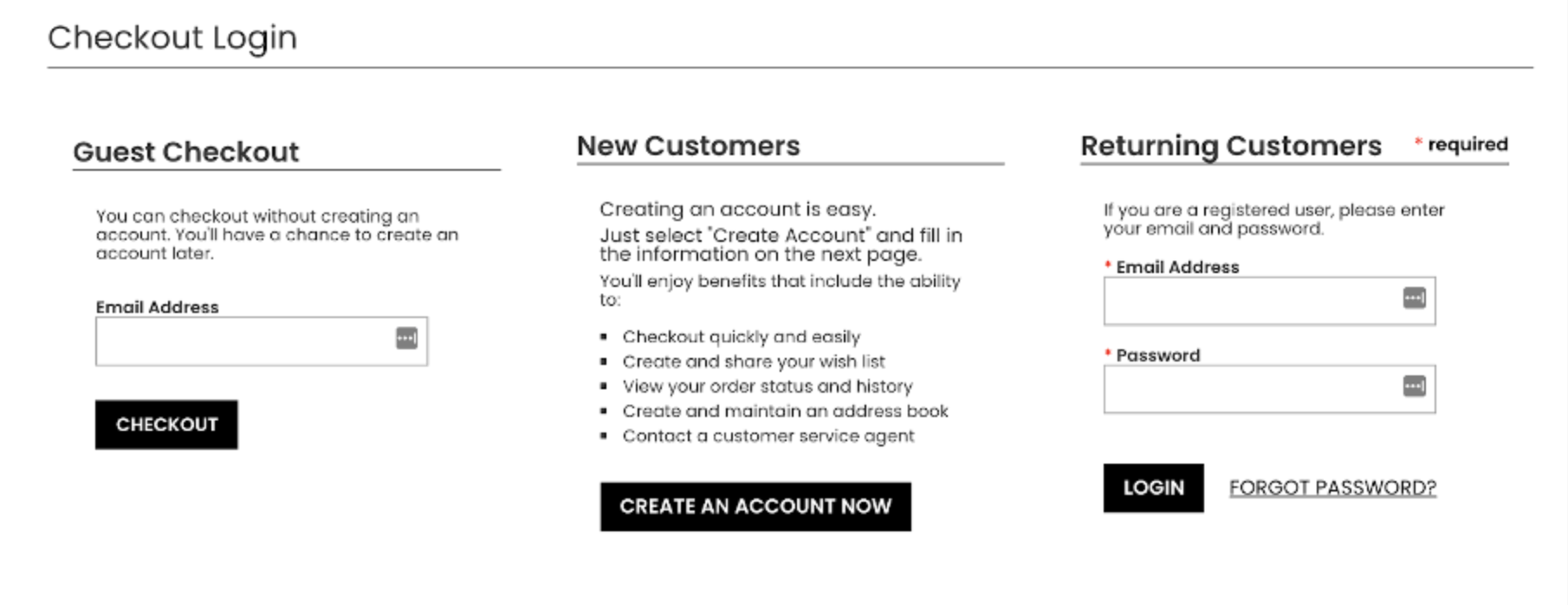
Offering both guest checkout and account creation works best when the experience feels unified rather than split. The key is to guide users gently, letting them choose the path that matches their intent while still giving your store opportunities to build long-term relationships. By structuring your checkout flow thoughtfully, you ensure that neither option feels forced or hidden. Below are best practices that help you blend both methods effectively while maximizing conversion and customer retention.
Clear Options: Present “Guest Checkout” and “Create an Account” clearly on the checkout page to avoid confusion.
Minimize Required Fields: Only ask for essential information during checkout to reduce drop-offs.
Post-Purchase Invitations: Encourage guest users to create accounts after purchase, highlighting benefits like order history and loyalty rewards.
Security Measures: Ensure strong password policies and secure handling of account data, while balancing usability.
Track Performance: Monitor metrics like conversion rates, cart abandonment, and repeat purchases to optimize the checkout experience for both guests and account holders.
There is no single solution that fits all businesses. Guest checkout excels at reducing friction and boosting immediate conversions, particularly for first-time or one-time buyers. Account creation, while introducing some friction, provides rich customer data, personalized experiences, and opportunities for loyalty and repeat business.
For most eCommerce stores, the optimal strategy is a hybrid approach: offer guest checkout for speed and convenience, while gently encouraging account creation to maximize long-term engagement. This way, merchants can reduce abandonment, satisfy privacy-conscious shoppers, and build a loyal, repeat customer base.