New to Shopify? Free trial, then $1/month for your first 3 months. Start free trial →
 Where is your store?
Ryviu works with both – pick yours to continue.









First impressions in eCommerce happen incredibly fast, often within just a few seconds of landing on a store. During this brief moment, visitors subconsciously judge whether the site feels trustworthy, relevant, and easy to use. If the initial experience creates confusion or friction, most shoppers will leave without viewing a single product. Improving first impressions is not about flashy visuals, but about clarity, credibility, and reducing uncertainty from the very first interaction.
Understanding why first impressions matter, and how to improve them, can significantly influence engagement, trust, and conversion rates.
First impressions shape how visitors perceive your brand before they ever evaluate your products or prices. When a store immediately feels professional and easy to understand, users are more willing to explore, compare, and eventually purchase. On the other hand, a poor first impression can permanently damage trust, even if the products themselves are strong.
In eCommerce, first impressions directly affect bounce rates, session duration, and conversion performance. Visitors often use visual cues, page structure, and messaging clarity as shortcuts to judge whether a store is legitimate. Because online shoppers lack physical interaction, they rely heavily on these early signals to decide whether to stay or leave.
A strong first impression sets the emotional tone for the entire shopping journey, making every subsequent interaction smoother and more persuasive.
When visitors land on your homepage, they should instantly understand what you sell, who it’s for, and why it matters to them. If users need to scroll or interpret vague slogans to figure this out, the first impression quickly weakens. Clear value messaging helps visitors feel oriented and confident from the start.
To make your value proposition immediately clear, focus on a few simple but highly visible elements that guide understanding right away.
Once visitors clearly understand your value, they are far more likely to stay engaged and explore further.
Trust is a critical factor in shaping first impressions, especially for first-time visitors encountering your brand for the first time. Shoppers look for reassurance that your store is legitimate, secure, and used by real people. Without visible trust signals, hesitation sets in quickly.
Some of the most effective trust signals are easy to display and can reassure visitors before they scroll any further.
By addressing trust early, you remove one of the biggest barriers to continued engagement.
Visual design plays a powerful role in how users judge quality and professionalism within seconds. A cluttered or inconsistent layout often signals disorganization, while a clean design suggests reliability and ease of use. First impressions suffer when visitors feel overwhelmed by competing elements.
A few core design principles can dramatically improve how polished and approachable your store feels at first glance.
When design feels intentional and calm, users are more likely to trust the experience and continue browsing.
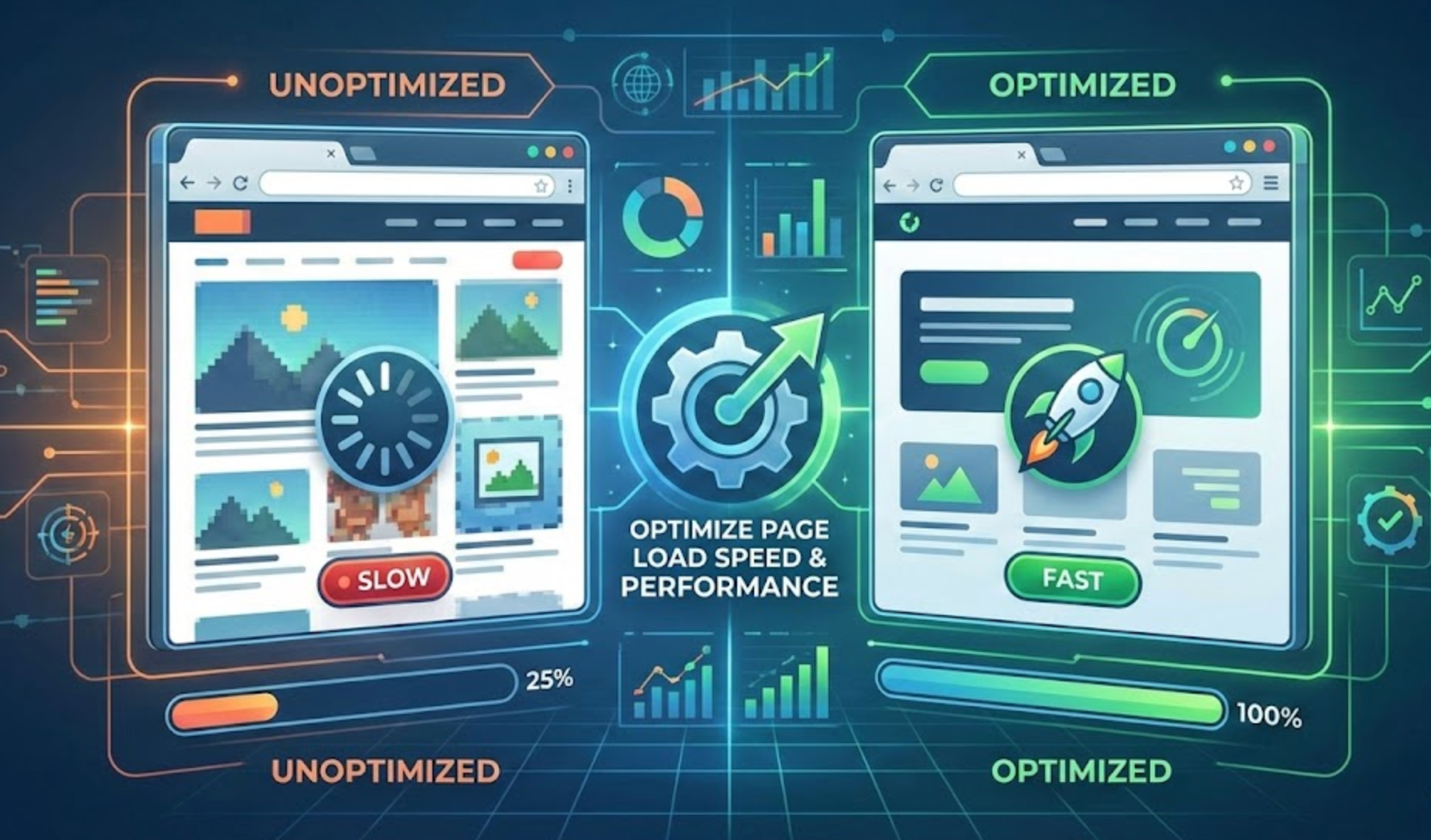
Page speed is one of the most immediate contributors to first impressions. Slow-loading pages create frustration and can instantly signal poor quality or unreliability. Many visitors will abandon a site before it fully loads, especially on mobile devices.
There are several practical performance improvements that can noticeably enhance both speed and perceived reliability.
A fast-loading store communicates professionalism and respect for the user’s time.
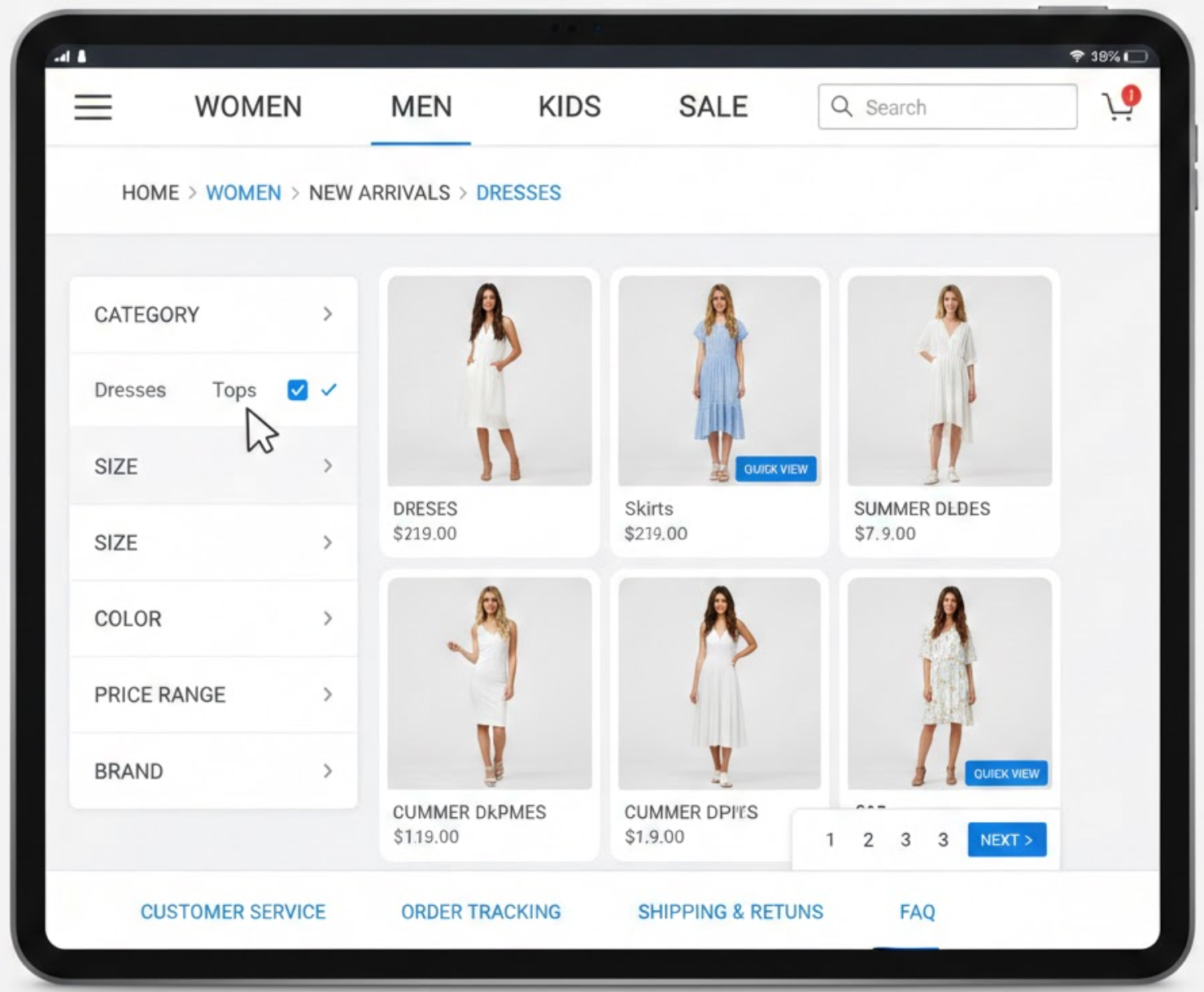
Navigation plays a key role in helping visitors feel oriented and in control. If users struggle to understand where to go next, they are unlikely to explore deeper into the site. Clear navigation reduces mental effort and improves confidence.
Following a few navigation best practices can help visitors move through your store with confidence and ease.
When navigation feels intuitive, users are more likely to engage instead of abandoning the session.
Even before visitors reach product pages, the way products are presented shapes their initial perception of quality. Poor visuals or inconsistent presentation can make products feel untrustworthy or low-value. Strong visuals help users imagine ownership and usage.
You can improve product presentation early in the journey by paying attention to a few essential visual details.
Effective product presentation builds interest and encourages deeper exploration.
First-time visitors are still learning how your store works, so excessive distractions can easily push them away. Aggressive popups, competing promotions, or unclear messaging often create resistance rather than urgency. A smooth first impression prioritizes guidance over pressure.
Reducing friction for first-time visitors often comes down to simplifying the experience and removing unnecessary distractions.
When visitors feel comfortable rather than overwhelmed, they are more likely to stay and explore.
First impressions on eCommerce stores are not a single design choice, but the result of many small, intentional decisions working together. From clear value propositions and trust signals to fast performance and intuitive navigation, each element contributes to how visitors perceive your brand within seconds. When first impressions are positive, users feel confident, guided, and open to engagement. In eCommerce, creating a strong first impression is not just about looking good, but it’s about building the foundation for trust, exploration, and long-term conversions.