New to Shopify? Free trial, then $1/month for your first 3 months. Start free trial →
 Where is your store?
Ryviu works with both – pick yours to continue.







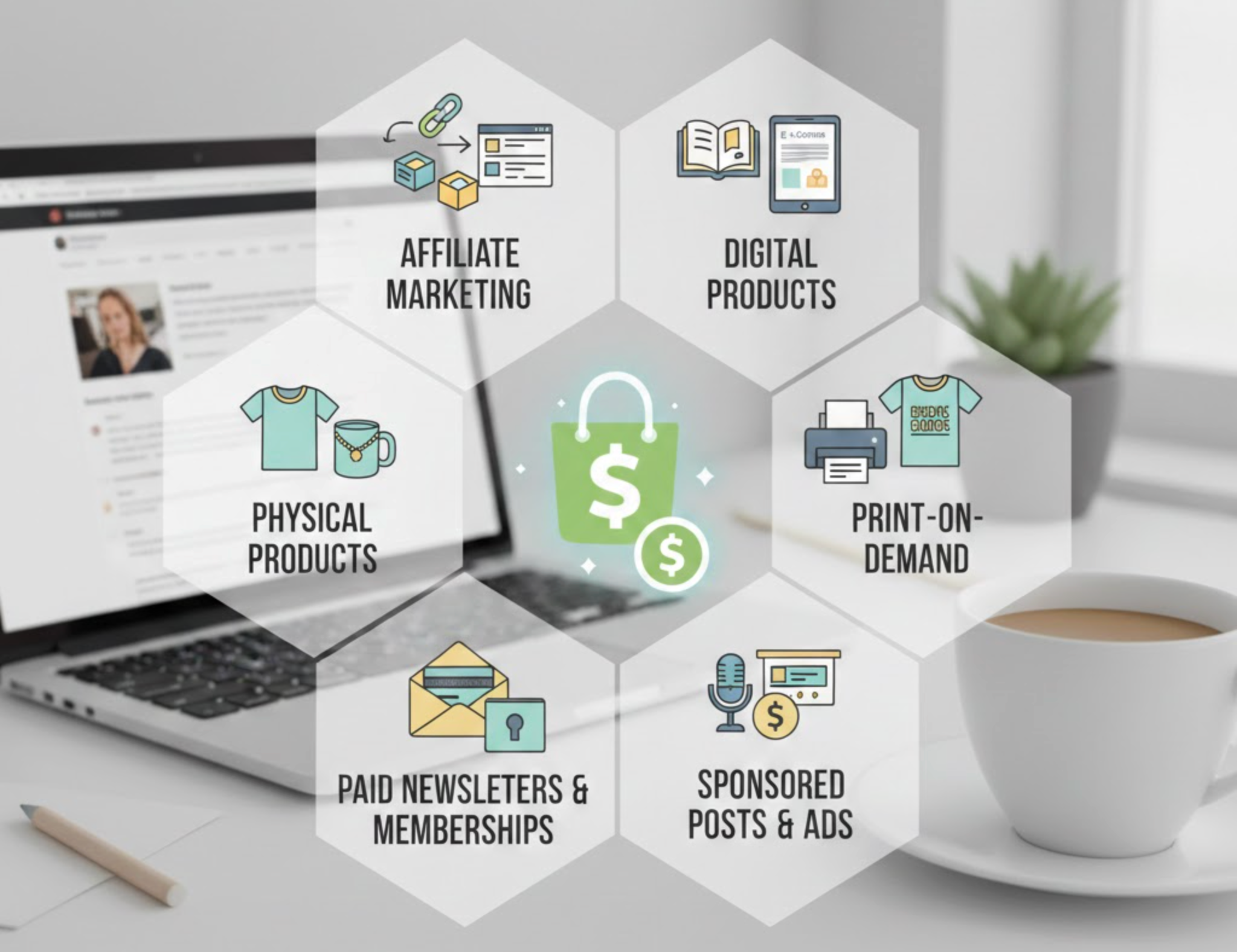
For many Shopify stores, the blog is an overlooked asset, something used mainly for SEO or occasional announcements. However, when approached strategically, your blog can become a powerful revenue engine that attracts qualified visitors, warms them up, and directs them toward profitable actions. To achieve that, it’s essential to treat your blog as more than just a content space. Instead, you can turn it into a conversion channel with clear monetization points woven naturally into the reading journey.
Below, you’ll find the most effective methods to monetize your Shopify blog. We’ll also walk through how each strategy works, why it performs well, and how you can integrate it without disrupting the reader’s experience.
One of the most direct ways to monetize your Shopify blog is by promoting your products inside relevant articles. Since blog visitors are often information seekers, guiding them toward helpful products can create a natural flow from reading to buying.
To implement this effectively, start by selecting blog topics with clear buyer intent—such as troubleshooting guides, tutorials, comparisons, or “best of” lists. Once the content is structured, smoothly integrate product sections that feel like helpful solutions rather than sales pitches. This approach not only maintains reader trust but also increases click-through rates and conversions because the product becomes part of the narrative, not an interruption.
Best Practices
If you want to go beyond simple recommendations and make the shopping experience more dynamic, turning your blog into an interactive storefront can dramatically increase monetization opportunities. Shoppable blogs help readers browse products without leaving the article, reducing the friction that often causes drop-offs.
You can use Shopify sections, custom liquid blocks, or apps to display product cards, badges, variants, and add-to-cart buttons directly inside the blog. This smooth, immediate buying experience helps transform warm readers into active shoppers.
Benefits of Shoppable Blog Elements
Not every product you recommend has to be your own. If your niche allows it, incorporating affiliate links can help diversify revenue streams and offer readers more complete solutions.
For example, if you sell fitness apparel, you can monetize your blog by recommending fitness equipment, supplements, or tracking tools from partner brands. The key is ensuring these recommendations align with your brand and support your readers’ needs. When done properly, affiliate content enriches your blog while creating a passive income channel.
Tips for Using Affiliate Monetization
While monetization often focuses on immediate revenue, sometimes the most profitable approach is nurturing blog readers first. A strong email list gives you ongoing opportunities to promote products, launch campaigns, and upsell.
To create a natural transition from blog reading to email signup, offer relevant lead magnets that expand on what the visitor is already reading. This makes the exchange feel helpful rather than sales-driven.
Effective Lead Magnet Ideas
By nurturing subscribers with value-driven emails, your blog becomes the first step in a profitable long-term customer journey.
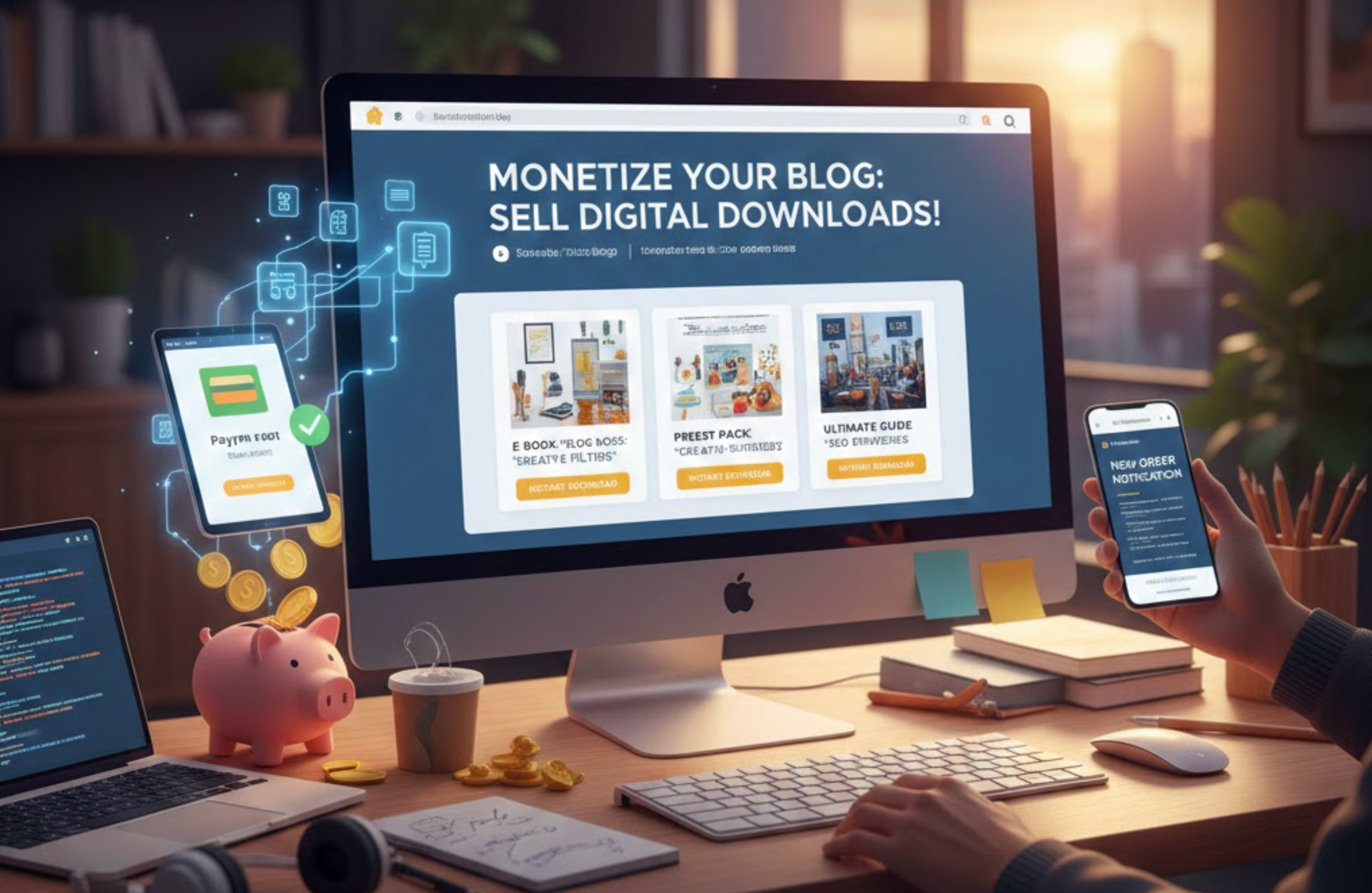
If your content focuses on education, tutorials, or professional guidance, selling digital products through your Shopify blog is an excellent monetization strategy. Digital items require no inventory, no shipping, and can be sold repeatedly with high profit margins.
For instance, if your brand operates in the beauty niche, you can sell skincare routines, diet guides, or downloadable lookbooks. If you’re in the business niche, offer templates, ebooks, or toolkits. Because the digital product directly ties to the blog topic, conversions often feel natural and non-intrusive.
Examples of Digital Products You Can Sell
If your blog attracts strong organic traffic, adding ads can generate passive revenue. Although Shopify doesn't natively support display ads, you can embed ad scripts from platforms like Google AdSense or partner directly with brands to feature sponsored banners.
To maintain a clean, professional experience, consider limiting the number of ads and placing them only in logical locations, such as between sections or at the bottom of the post. This helps avoid overwhelming readers while still generating steady income.
Sponsored Content Opportunities
As always, transparency is key, so include a disclosure when articles include paid partnerships.
Not every reader will scroll to the end of your article, so placing contextual CTAs helps capture interest while engagement is highest. When implemented thoughtfully, these elements guide readers smoothly into your sales funnel without breaking the reading experience.
You can mix subtle inline CTAs with more direct prompts like exit-intent popups. Just ensure the messaging matches the content topic to keep the experience cohesive and valuable.
CTA Types That Convert Well
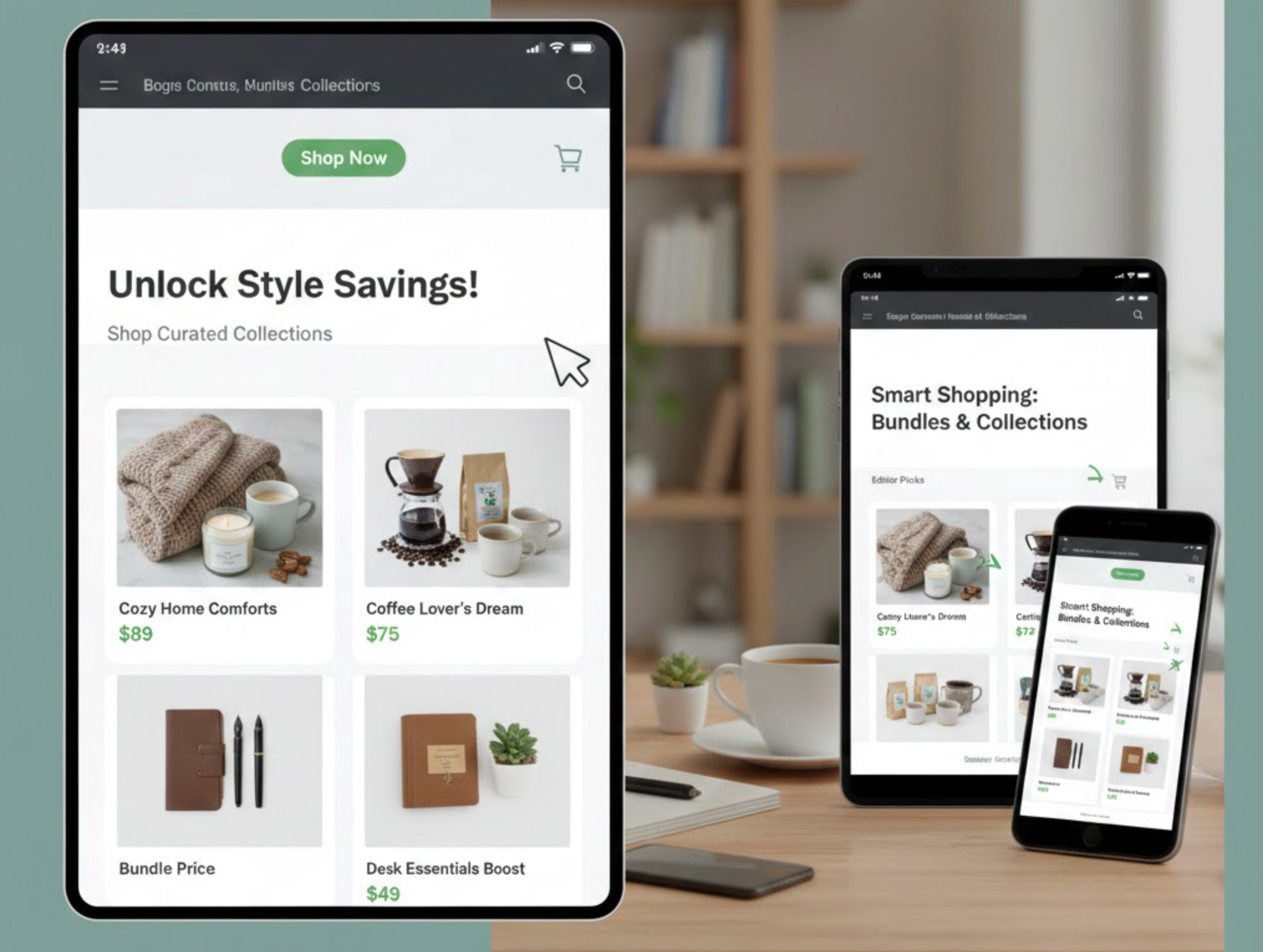
Another effective way to generate revenue from your blog is by guiding readers toward themed collections or product bundles. This approach works especially well for tutorial-based articles, seasonal content, recipe blogs, or styling guides.
After providing valuable insights, introduce curated products that help readers achieve the result more efficiently. This transition feels natural because you’re helping them take the next practical step.
Advantages of Bundles:
Monetizing your Shopify blog isn’t about forcing aggressive sales tactics, it’s about crafting content that naturally leads readers toward solutions your store provides. By blending value-driven articles with strategic monetization methods such as product embeds, affiliate links, lead magnets, digital goods, and sponsored placements, you turn passive readers into engaged customers.
When every blog post gently guides visitors toward the next action, whether that’s buying a product, joining your email list, or exploring a collection—you create a sustainable and scalable revenue stream that supports your entire store.