 New to Shopify? Free trial, then $1/month for your first 3 months. Start free trial →
 Where is your store?
Ryviu works with both – pick yours to continue.









Abandoned carts remain one of the biggest missed opportunities for eCommerce stores. Shoppers browse, add items, and then leave before completing a purchase, often because of distractions, hesitation, unexpected fees, or simple forgetfulness. That’s why abandoned cart emails have always been a powerful recovery tool. But with the rise of AI, these emails can now work smarter, react faster, and deliver more personalized messages that feel natural, timely, and relevant.
AI-powered abandoned cart campaigns help merchants go beyond simple reminders. They adjust message content based on user behavior, predict the best time to send, write persuasive copy dynamically, and sequence emails in a way that maximizes recovery rates with less manual effort. In this guide, you’ll learn exactly how to set up your own AI-driven abandoned cart email flow, whether you’re a Shopify store owner or an eCommerce marketer looking to automate more intelligently.
Before diving into setup steps, it’s important to understand what makes AI-driven campaigns different from regular automated flows.
AI enhances abandoned cart recovery by:
1. Personalizing content instantly
AI can tailor email subject lines, product descriptions, incentives, and message tone based on browsing history, cart value, and customer type.
2. Predicting the best send times
Instead of sending the same email at the same hour to everyone, AI analyzes behavior patterns and sends reminders at the moment each shopper is most likely to open.
3. Increasing relevancy with dynamic recommendations
AI can surface complementary items, alternative products, and personalized offers based on cart contents.
4. Creating natural, conversational emails
AI-generated messages feel less robotic. They adapt tone, urgency, and messaging depending on customer intent signals.
5. Continuously learning and improving
AI tools optimize based on performance data, improving subject lines, segmenting customers, and refining triggers over time.
With the right setup, these advantages can drastically increase your recovery rate while reducing the manual work required to manage campaigns.
This section walks through a clean, structured process you can follow regardless of which email platform you use (Klaviyo, Mailchimp, Omnisend, Shopify Email, Drip, etc.).
To start, you need a platform that offers machine learning-based tools. Many email service providers now include AI features like predictive timing, AI writing assistants, or smart segments.
Look for tools that offer:
If your tool doesn’t support these features natively, consider adding AI copy generators or external recommendation engines.
The core of any cart recovery system is an automated workflow that activates when specific conditions are met.
Configure your trigger based on:
Make sure your website tracking and integration with the email platform is fully connected so AI can read user behavior accurately.
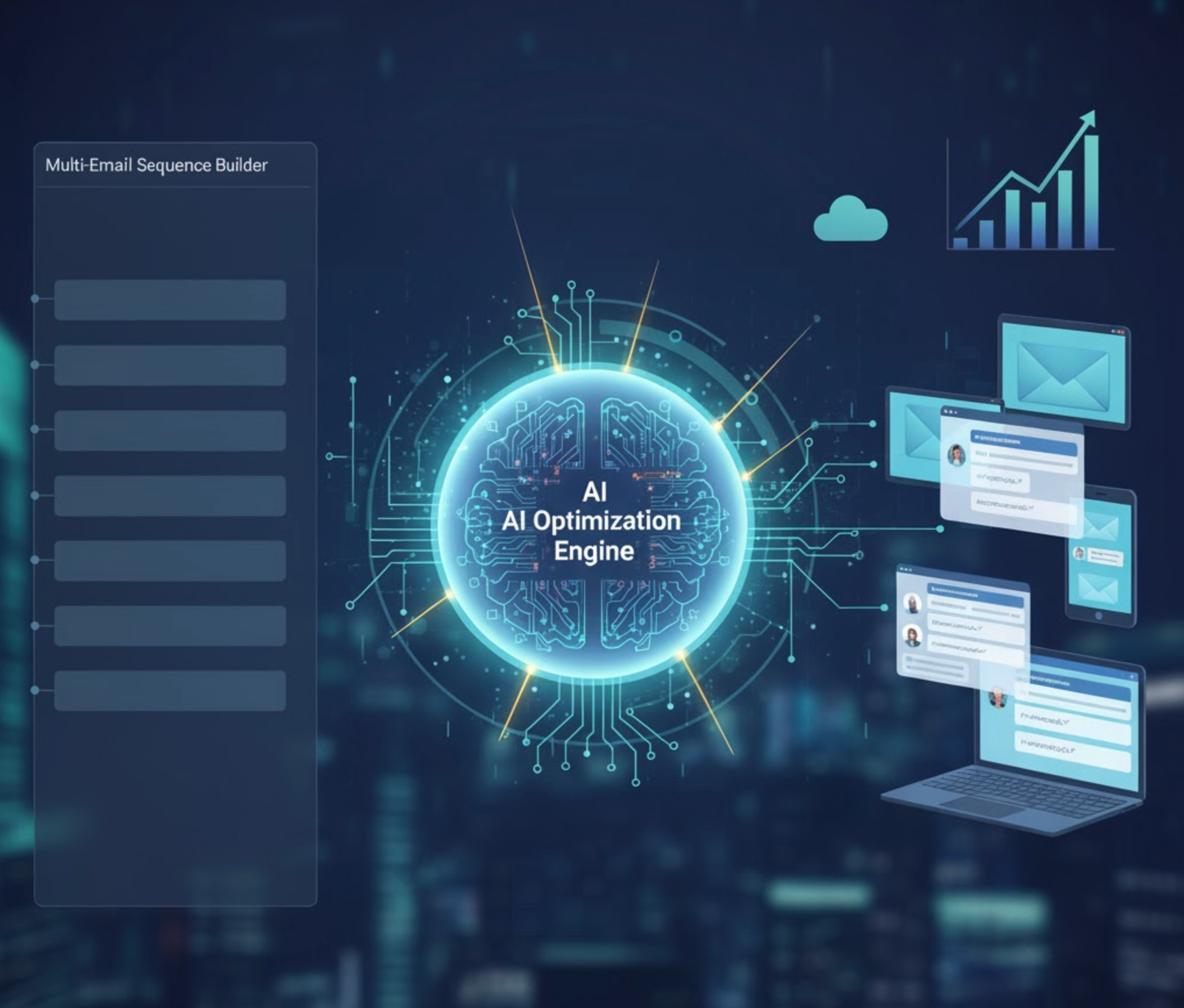
AI performs best when it has multiple opportunities to re-engage customers. A strong sequence usually includes three emails.
This email uses AI to nudge users who simply got distracted:
AI can help identify hesitation triggers such as shipping cost or product uncertainty.
Include:
Not everyone needs a discount, but AI can decide who does.
In this case, you should use:
This sequence ensures you don’t over-discount while still recovering hesitant shoppers.
Segmentation makes abandoned cart emails far more effective, and AI takes this even further by analyzing behavior, likelihood to purchase, and customer lifetime value.
Consider using AI-generated segments such as:
Each segment can receive dynamic messaging tailored to their conversion likelihood.
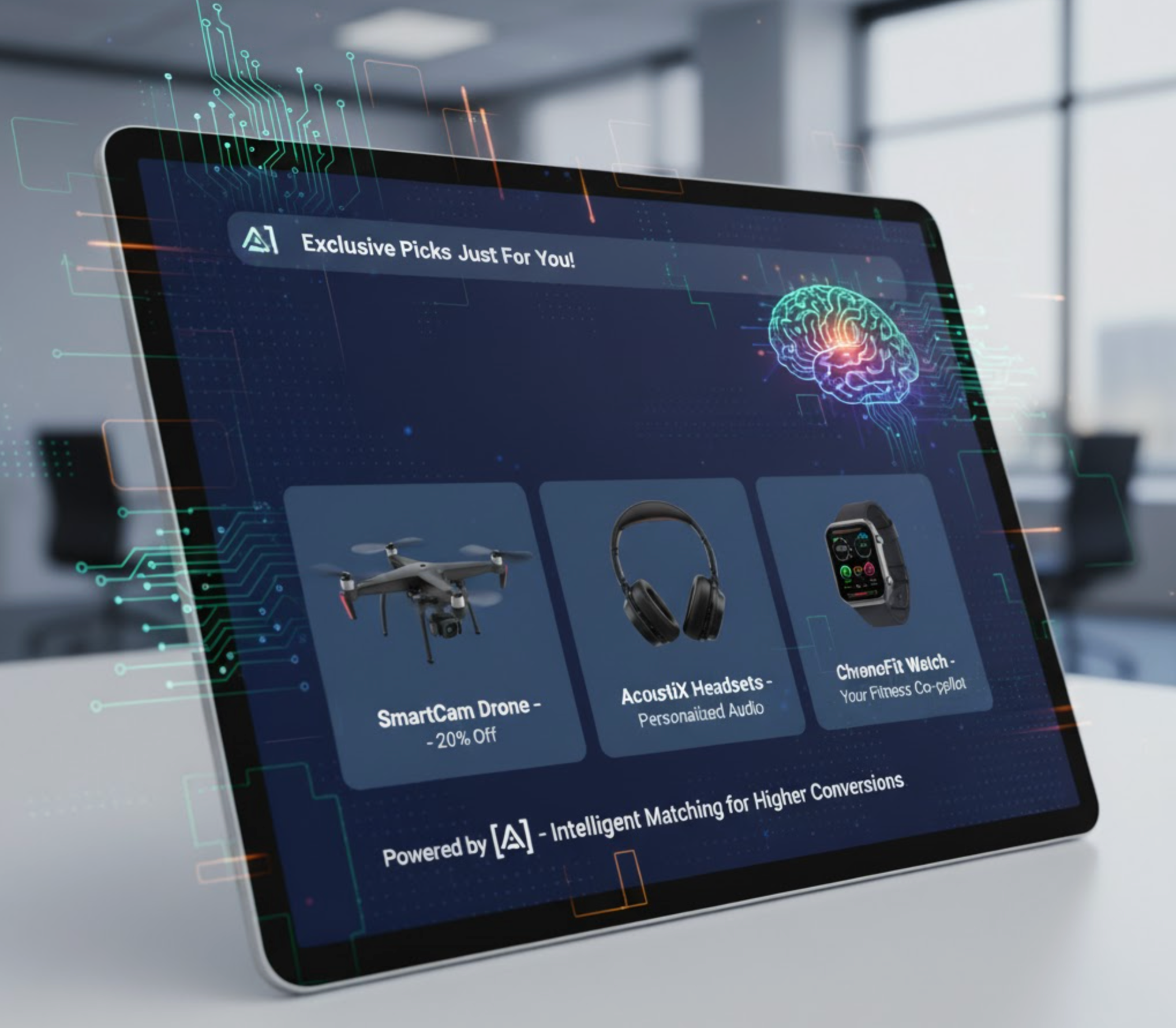
AI excels at predicting what shoppers might want next.
Enable dynamic product modules that show:
This transforms a simple reminder email into a recommendation-driven shopping experience.
Most email platforms now include AI writers trained on billions of marketing emails.
Use them to:
AI copywriting tools ensure every email feels human, timely, and persuasive.
A major reason abandoned cart emails convert better with AI is because the timing adapts per shopper.
Enable features like:
This ensures emails land when each user is most active, significantly improving open and click rates.
AI can run and interpret A/B tests faster and more accurately than manual testing.
Test variations like:
Over time, the AI will automatically shift traffic to the highest-performing version.
To get the most from your AI-powered abandoned cart setup, follow these additional tips:
Even though AI can generate highly optimized copy, customers still respond best to messages that feel personal and authentic. This means reviewing AI-generated text and adding brand personality, tone, or small conversational phrases that sound like a real human wrote them. When your emails feel genuine rather than robotic, shoppers are more likely to trust your brand and complete their purchase.
AI becomes much more effective when it has multiple data points to analyze instead of relying on a single action. By feeding it information like product views, time spent on page, scroll depth, and repeat visits, you help the engine understand true buying intent. The richer the behavioral data, the more precisely AI can tailor each message to match customer needs.
Many shoppers abandon carts for reasons other than price, so offering discounts too soon may reduce your margins unnecessarily. It's better to let AI determine whether the user actually needs a financial incentive based on past behavior and predicted conversion likelihood. This ensures you only provide discounts when truly necessary, protecting profit while maximizing conversions.
Even the best AI-powered email campaign cannot overcome a confusing or slow checkout process. Make sure your checkout pages are fast, mobile-friendly, and free of unnecessary steps that cause hesitation. When your checkout flow is smooth, your recovery emails work far more effectively because the path to completion feels effortless.
AI systems improve automatically, but they still need human oversight to stay aligned with your brand’s messaging and business goals. By reviewing email performance and refining AI-generated content, you ensure the automation remains relevant and impactful. Regular tuning keeps your campaigns fresh, accurate, and consistent with your evolving customer experience.
AI-powered abandoned cart email campaigns represent the next evolution of automated recovery marketing. By using machine learning to personalize content, predict send times, optimize incentives, and create dynamic product recommendations, you can recover significantly more revenue with less manual effort.
Whether you’re running a Shopify store or managing multiple eCommerce channels, AI transforms abandoned cart workflows from simple reminders into intelligent, data-driven experiences that adapt to each shopper. The result is higher conversion rates, better customer engagement, and a more efficient marketing process.




