New to Shopify? Free trial, then $1/month for your first 3 months. Start free trial →
 Where is your store?
Ryviu works with both – pick yours to continue.








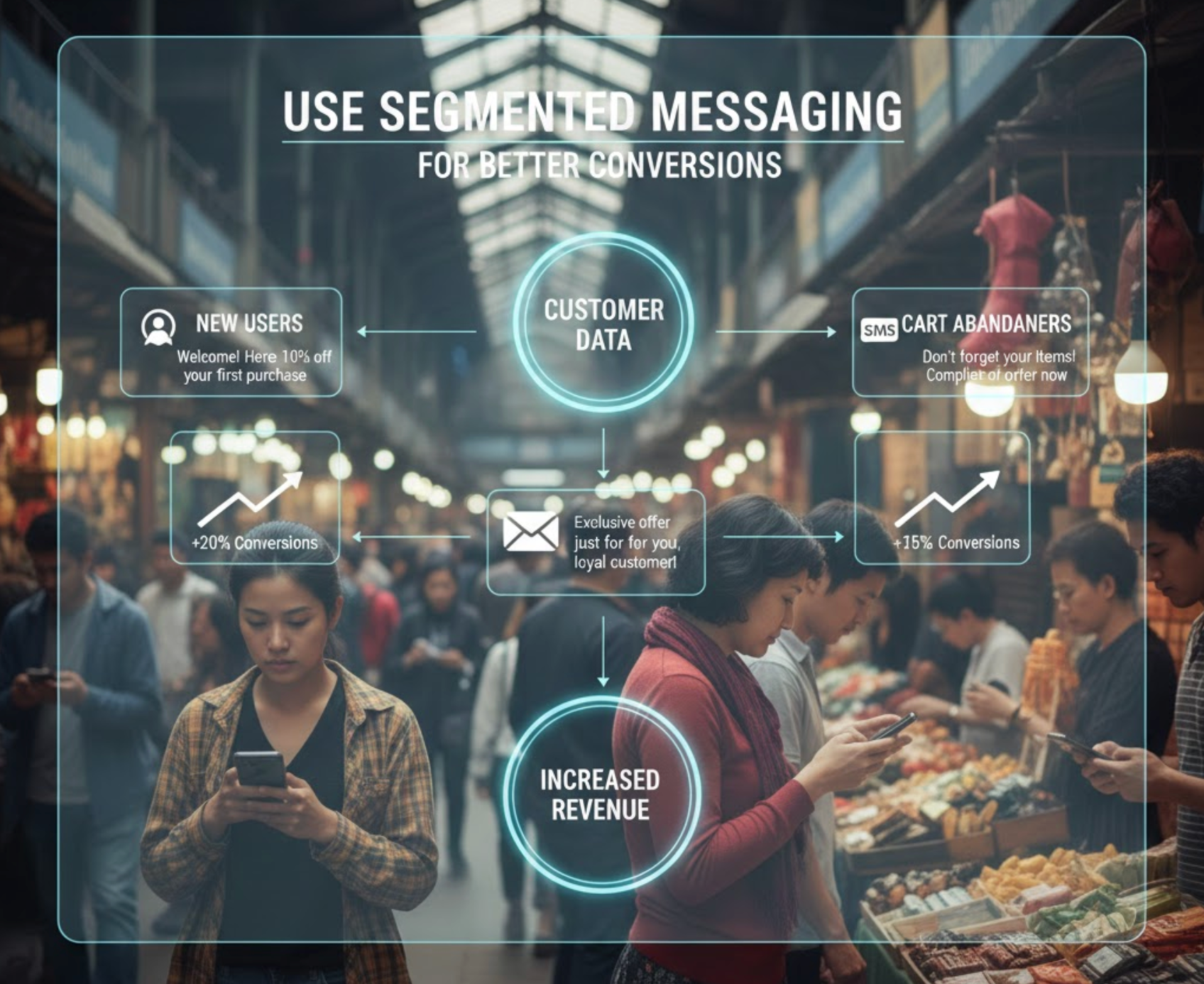
In today’s crowded digital landscape, generic messaging no longer delivers strong results. Customers expect brands to understand their needs, preferences, and behaviors, and to communicate accordingly. This is where segmented messaging becomes a powerful conversion driver. By tailoring messages to specific audience groups, businesses can increase relevance, engagement, and ultimately sales.
Segmented messaging is the practice of dividing your audience into smaller, meaningful groups and delivering targeted messages to each group instead of sending the same message to everyone. These segments are typically based on shared characteristics such as behavior, demographics, purchase history, or engagement level.
Unlike mass messaging, segmented messaging focuses on relevance over reach. When customers receive content that aligns with their intent or stage in the journey, they are far more likely to take action. This approach transforms communication from promotional noise into helpful guidance.
Segmentation directly impacts conversion rates because it aligns messaging with user expectations. When users feel understood, trust increases, and resistance decreases. Instead of asking “Why should I care?”, customers think “This is exactly what I need.”
Segmented messaging also reduces friction in decision-making. By presenting the right offer, benefit, or reassurance at the right time, you shorten the path from interest to purchase and minimize drop-offs across the funnel.
Effective segmentation starts with choosing the right criteria. While every business is different, most successful strategies rely on a combination of the following segment types.
This is one of the most powerful forms of segmentation, based on how users interact with your site, emails, or products. It reflects real intent rather than assumptions.
Behavioral segments may include:
Because these users have already shown interest, targeted messaging here often produces the highest conversion lift.
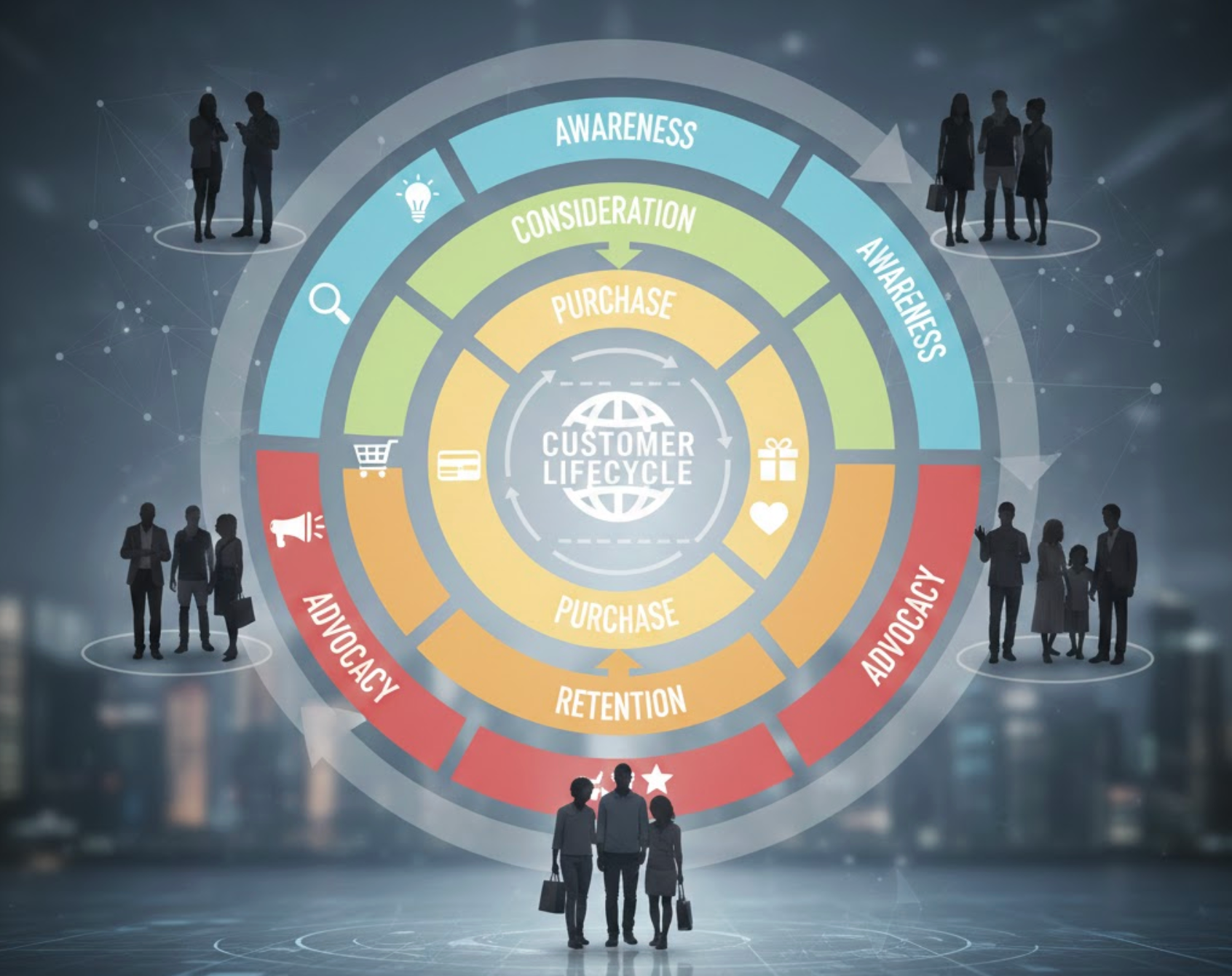
Customers have different needs depending on where they are in their journey with your brand. Messaging that works for new visitors may feel irrelevant or repetitive to loyal customers.
Typical lifecycle segments include:
Each stage benefits from different messaging, from education and reassurance to rewards and re-engagement.
While not as intent-driven as behavior, demographics and location still play an important role in personalization. These segments help ensure tone, timing, and offers feel appropriate.
Examples include:
When combined with behavior, demographic data becomes even more effective.
Creating a successful segmented messaging system requires more than just data, it requires thoughtful execution. The goal is to deliver the right message without overwhelming the user.
Before creating segments, define what action you want each group to take. A segment without a goal often leads to vague or ineffective messaging.
For example:
Clear goals help you design messages that feel purposeful rather than promotional.
Many businesses overlook the data already available in analytics tools, email platforms, or ecommerce dashboards. You don’t need advanced AI to get started, simple rules can deliver strong results.
Focus on:
Start small with a few high-impact segments and expand as you learn what works.
Timing is just as important as content. Even a well-crafted message can fail if it appears too early or too late in the user journey.
To match message timing to user intent, you can:
When timing aligns with intent, messages feel helpful instead of intrusive.
To get the most value from segmented messaging, your approach should emphasize clarity, relevance, and trust at every touchpoint. Well-structured messages feel intentional and helpful, guiding users toward action instead of overwhelming them with options.
Evaluating segmented messaging requires looking beyond surface-level engagement metrics. True success is measured by how messaging influences user decisions, movement through the funnel, and completed conversions.
Segmented messaging can lose its effectiveness when strategy and execution fall out of sync. Avoiding common pitfalls ensures your messages remain scalable, relevant, and trustworthy.
Segmented messaging is no longer a “nice-to-have” strategy—it’s a fundamental requirement for improving conversions in modern ecommerce and digital marketing. By grouping users based on behavior, lifecycle stage, and context, businesses can deliver messages that resonate and convert.
When done right, segmented messaging replaces generic promotions with meaningful interactions. It helps customers feel understood, reduces decision friction, and guides them naturally toward conversion. As competition grows, relevance becomes the ultimate advantage—and segmentation is how you achieve it.