New to Shopify? Free trial, then $1/month for your first 3 months. Start free trial →
 Where is your store?
Ryviu works with both – pick yours to continue.








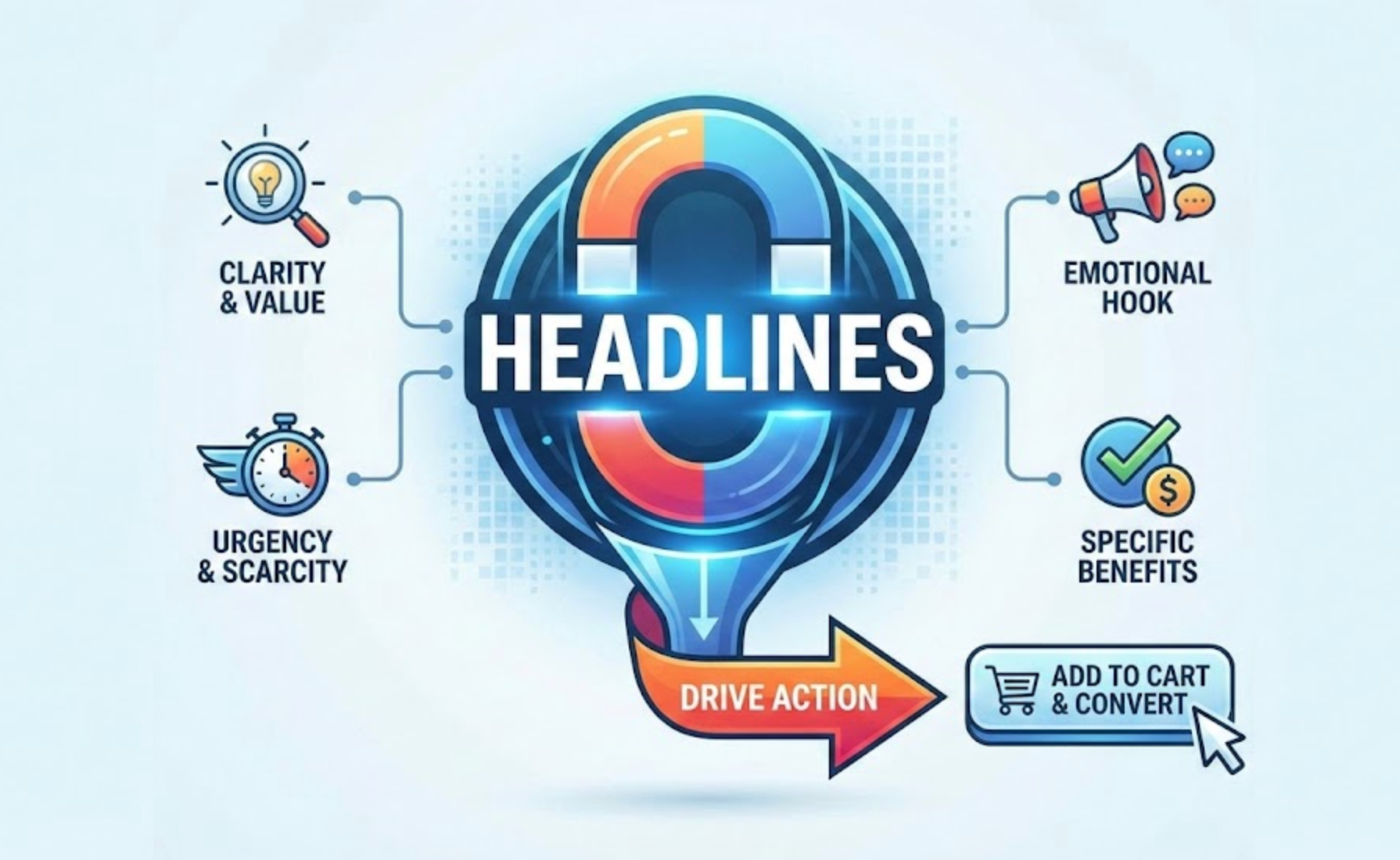
When shoppers land on a product page, your headline is the first real conversation you have with them. Before they scroll, read bullet points, or look at reviews, they scan the headline to decide one thing: Is this worth my time? A strong headline doesn’t just describe a product, but it frames its value, sets expectations, and nudges visitors toward action. In eCommerce, where attention is fragile and competition is one click away, headlines quietly do a lot of heavy lifting.
This guide breaks down how to write product page headlines that don’t just sound good, but actually move shoppers closer to buying.
Product headlines often get treated as a naming exercise, but in reality, they function as a conversion trigger. A clear, compelling headline reduces mental effort by instantly explaining what the product is and why it matters. When that clarity is missing, visitors hesitate, scroll aimlessly, or bounce altogether.
A good headline also sets the emotional tone for the rest of the page. Whether the product is practical, luxurious, fun, or urgent, the headline signals how shoppers should feel about it. Once that emotional context is established, every section below, from images to reviews, works harder and feels more relevant.
With that foundation in mind, let’s look at how to write headlines that actually drive action.
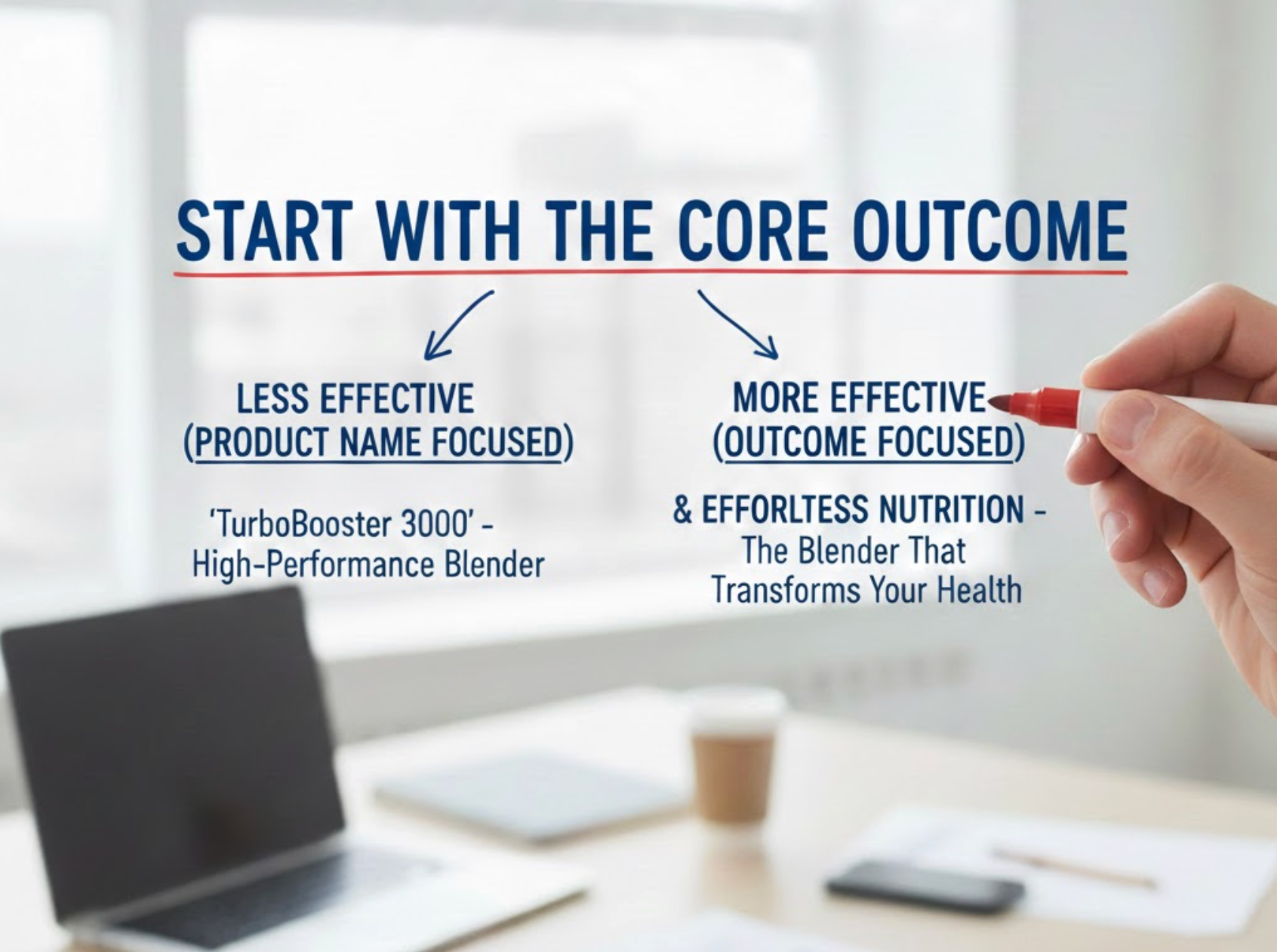
One of the most common mistakes in product headlines is leading with internal product names or vague descriptors. While brand names matter, they don’t always communicate immediate value, especially to first-time visitors. Shoppers care less about what you call the product and more about what it helps them achieve.
Effective headlines highlight the primary outcome or benefit right away. This helps shoppers instantly connect the product to a problem they want solved or a desire they want fulfilled.
Once the outcome is clear, you can layer in details and differentiation throughout the rest of the page.
Vague headlines might sound safe, but they rarely inspire action. Phrases like “High Quality” or “Best in Class” are so overused that shoppers often skim right past them. Specificity, on the other hand, signals honesty and confidence.
Clear details help shoppers visualize the product and imagine using it. They also reduce skepticism by showing you’re not hiding behind empty promises.
Specific headlines don’t just inform, they reassure, which naturally supports conversion.

Not all shoppers arrive at your product page in the same mindset. Some are problem-aware and comparing options, while others already want the item and just need confirmation. Your headline should reflect the most common intent behind that page’s traffic.
When headlines align with intent, they feel intuitive instead of pushy. This reduces friction and keeps visitors moving forward.
By meeting visitors where they are mentally, your headline feels helpful rather than salesy.

Action-driving headlines don’t necessarily use commands, but they do imply movement and progress. Subtle verbs can suggest improvement, simplicity, or confidence without shouting at the customer.
The goal is to make the product feel like a step forward, not a risky decision.
When action language is done right, it motivates without triggering resistance.
Even the best-written headline can fail if it’s hard to read. On product pages, headlines should be instantly scannable, especially on mobile devices where space is limited and attention is fragmented.
Clarity beats cleverness when it comes to structure and readability.
A scannable headline lowers cognitive load, making it easier for shoppers to continue engaging with the page.
Headlines create expectations. If the rest of the page doesn’t support those expectations, trust erodes quickly. This is especially important when social proof, reviews, or testimonials are involved.
When headlines align with proof, the entire page feels cohesive and believable.
This alignment is what turns curiosity into confidence.
It’s easy to choose headlines based on what sounds best internally, but real performance is revealed through user behavior. Headlines should be tested and refined based on how shoppers actually respond.
Small wording changes can produce meaningful differences in engagement and conversion.
Data-driven refinement helps ensure your headlines evolve alongside your audience.
Once you understand the principles behind effective product page headlines, the next step is applying them consistently. Best practices act as guardrails, helping you avoid common pitfalls while keeping your headlines clear, persuasive, and conversion-focused. These guidelines aren’t about forcing creativity into a box, but they’re about making sure your message lands quickly and confidently.
By following these best practices, your product page headlines remain flexible without losing clarity. They give shoppers immediate direction, reduce hesitation, and set the stage for the rest of the page to do its job, guiding visitors naturally toward action.
Product page headlines may be just a few words, but they shape the entire shopping experience. A strong headline clarifies value, builds trust, and gently nudges visitors toward action, without shouting or overselling. When done right, it makes the rest of your page feel more convincing, more relevant, and easier to say yes to.
Instead of treating headlines as a finishing touch, think of them as the foundation of your product page. Get them right, and every click, scroll, and conversion that follows becomes just a little easier.