 New to Shopify? Free trial, then $1/month for your first 3 months. Start free trial →
 Where is your store?
Ryviu works with both – pick yours to continue.









First-time visitors arrive on your website with uncertainty by default. They don’t know your brand, they haven’t tested your product, and they haven’t yet decided whether you’re credible, or just another site asking for their money or data. In this early stage, skepticism isn’t a flaw in the user; it’s a natural self-protection mechanism.
The goal of conversion rate optimization for first-time visitors isn’t to push them into converting faster, but to lower their psychological defenses. When skepticism is reduced, trust grows, and conversion becomes a natural outcome rather than a forced one. Below are practical, proven ways to reduce skepticism and help new visitors feel confident engaging with your brand.
First-time visitors arrive with limited patience and even less context about your brand. Within a few seconds, they try to understand what you offer, who it’s for, and whether it’s worth their attention. If that message is unclear or overly clever, skepticism rises because uncertainty feels risky.
A clear value proposition helps reduce doubt by answering core questions immediately.
Once visitors understand what you offer, they naturally begin evaluating whether others trust you. This is where social proof becomes essential.
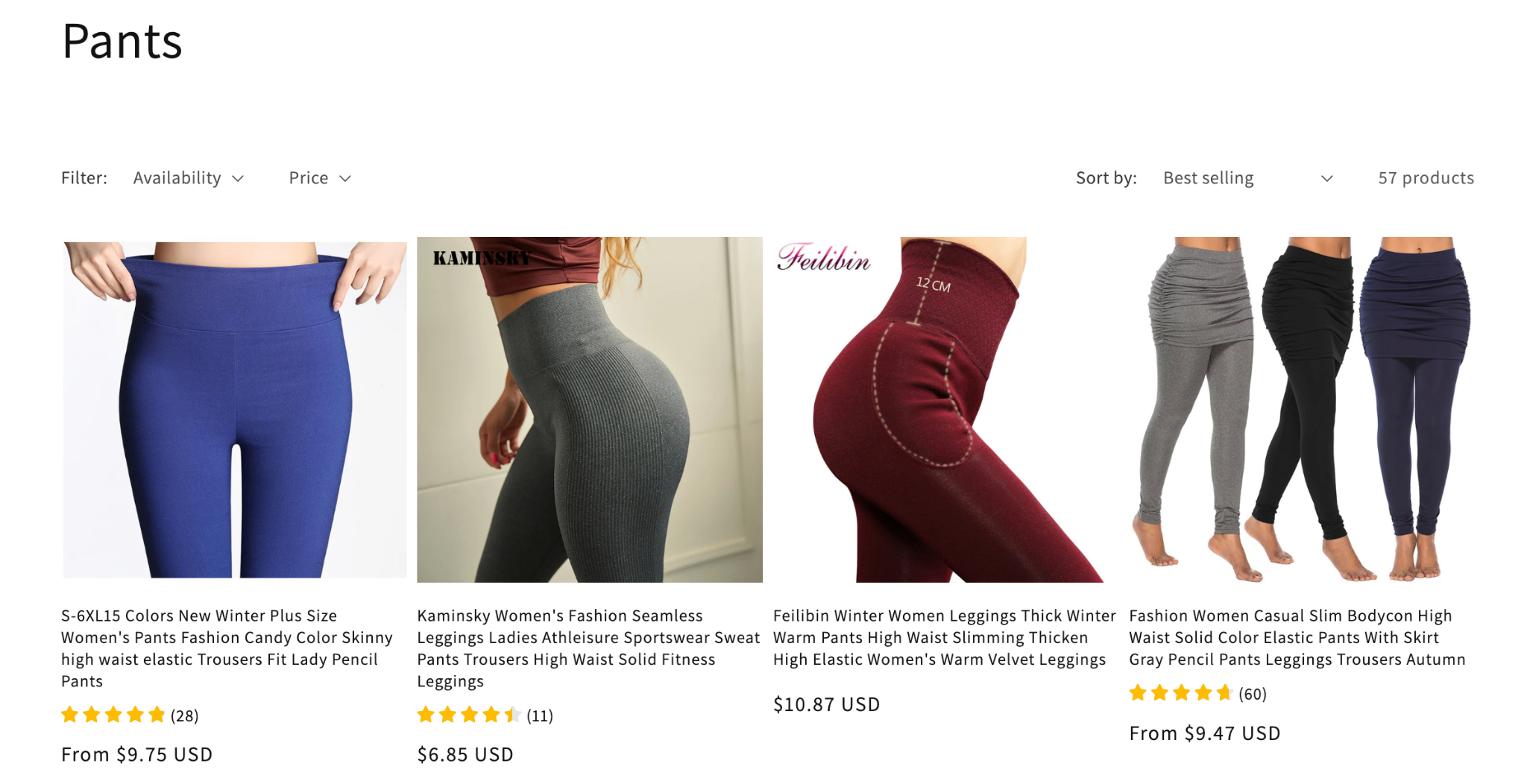
Skepticism is strongest when visitors feel they’re alone in making a decision. First-time users often look for signs that others have already taken the risk and had a positive experience. Without visible social proof, even a good offer can feel untested or unsafe.
Strategically placed social proof helps visitors feel reassured before doubt sets in.
As trust grows through social validation, visitors start looking for confirmation that you’re not hiding anything. Transparency becomes the next trust signal they seek.
Unclear policies and hidden information are major sources of skepticism. When visitors can’t easily find details about pricing, conditions, or limitations, they often assume something unfavorable is being concealed. Transparency reassures users that your brand operates fairly and confidently.
Clear, accessible information lowers the perceived risk of moving forward.
Once information is clear, visitors subconsciously judge whether your site feels trustworthy. This is where design plays a powerful role.
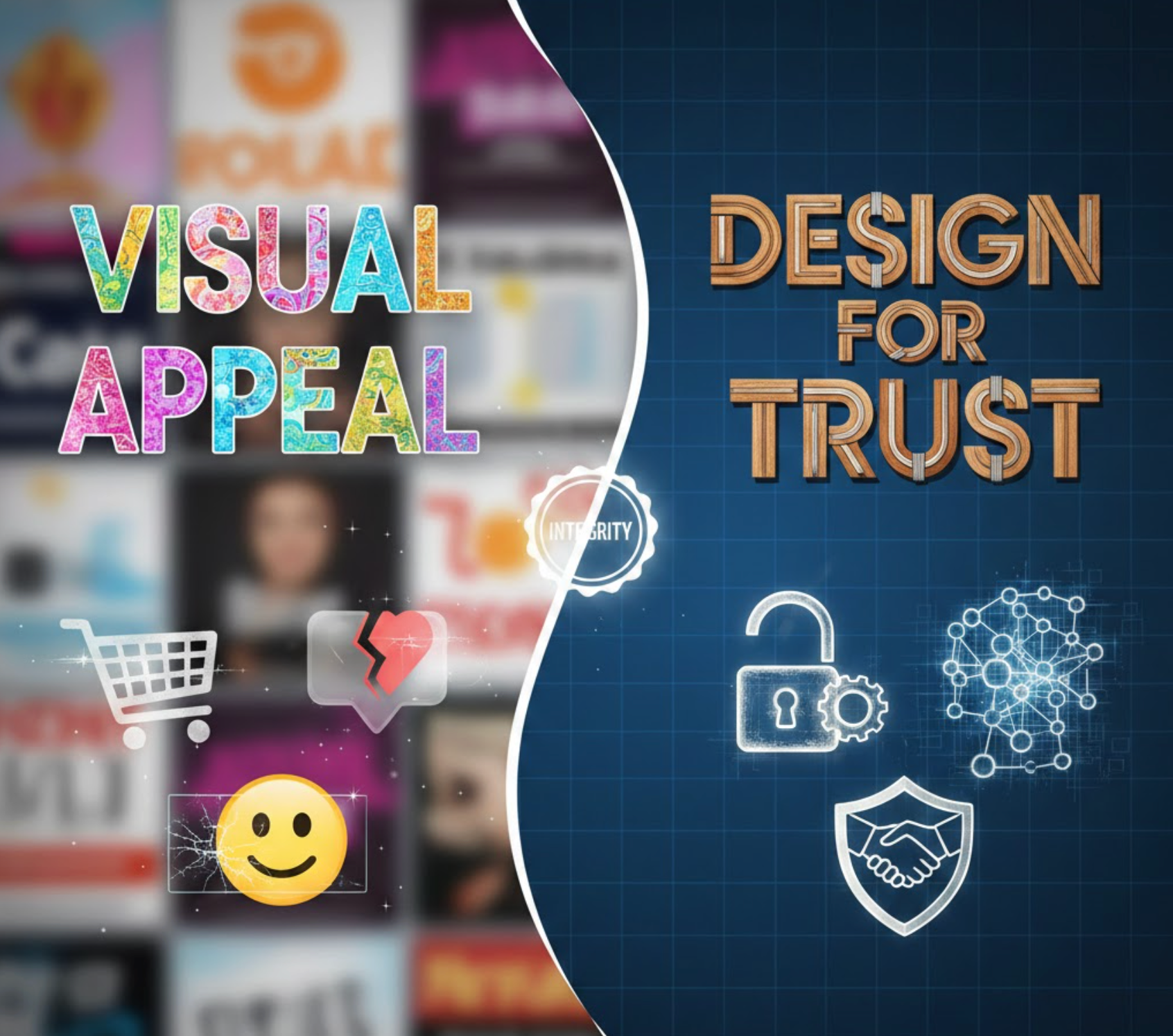
Visual impressions shape trust faster than written content. A cluttered layout, inconsistent branding, or outdated design can immediately trigger doubt, even if the product itself is solid. First-time visitors often equate visual quality with business legitimacy.
Trust-focused design prioritizes clarity, consistency, and calmness.
Once the site feels stable and professional, visitors start paying closer attention to your words. The way you communicate can either strengthen trust, or undo it.
First-time visitors are highly sensitive to exaggerated claims. Overly promotional language often triggers skepticism because it feels one-sided and self-serving. People trust brands that sound honest, grounded, and relatable.
A human tone helps visitors feel respected rather than sold to.
As your tone becomes more relatable, visitors begin wondering who exactly is behind the brand. Human presence further reduces emotional distance.

An anonymous brand feels riskier than one with a visible human presence. First-time visitors want reassurance that there are real people responsible if something goes wrong. Showing the humans behind the business adds warmth and accountability.
Humanization helps transform skepticism into connection.
Once visitors feel there are real people behind the brand, they’re more willing to engage, but still cautious about commitment. Reducing pressure becomes critical.
First-time visitors are often in research mode, not ready to convert. Asking for immediate sign-ups or purchases can feel premature and pushy. Allowing exploration helps build confidence at a natural pace.
Low-pressure interactions make engagement feel safer.
As visitors explore, they still carry unspoken concerns. Addressing those doubts proactively helps remove the final barriers to trust.
Many visitors leave not because they dislike your offer, but because unanswered questions linger. These silent objections often create hesitation strong enough to stop action. Addressing them directly shows confidence and empathy.
Proactive reassurance reduces uncertainty at critical moments.
When objections are resolved, skepticism fades naturally. What remains is a sense of clarity, confidence, and readiness to move forward.
Reducing skepticism in first-time visitors isn’t about persuasion tricks or aggressive optimization. It’s about clarity, empathy, and trust. By making your value obvious, your intentions transparent, and your brand human, you create an environment where visitors feel safe enough to engage.
When skepticism fades, curiosity takes over. And from curiosity, meaningful conversions naturally follow.




