New to Shopify? Free trial, then $1/month for your first 3 months. Start free trial →
 Where is your store?
Ryviu works with both – pick yours to continue.








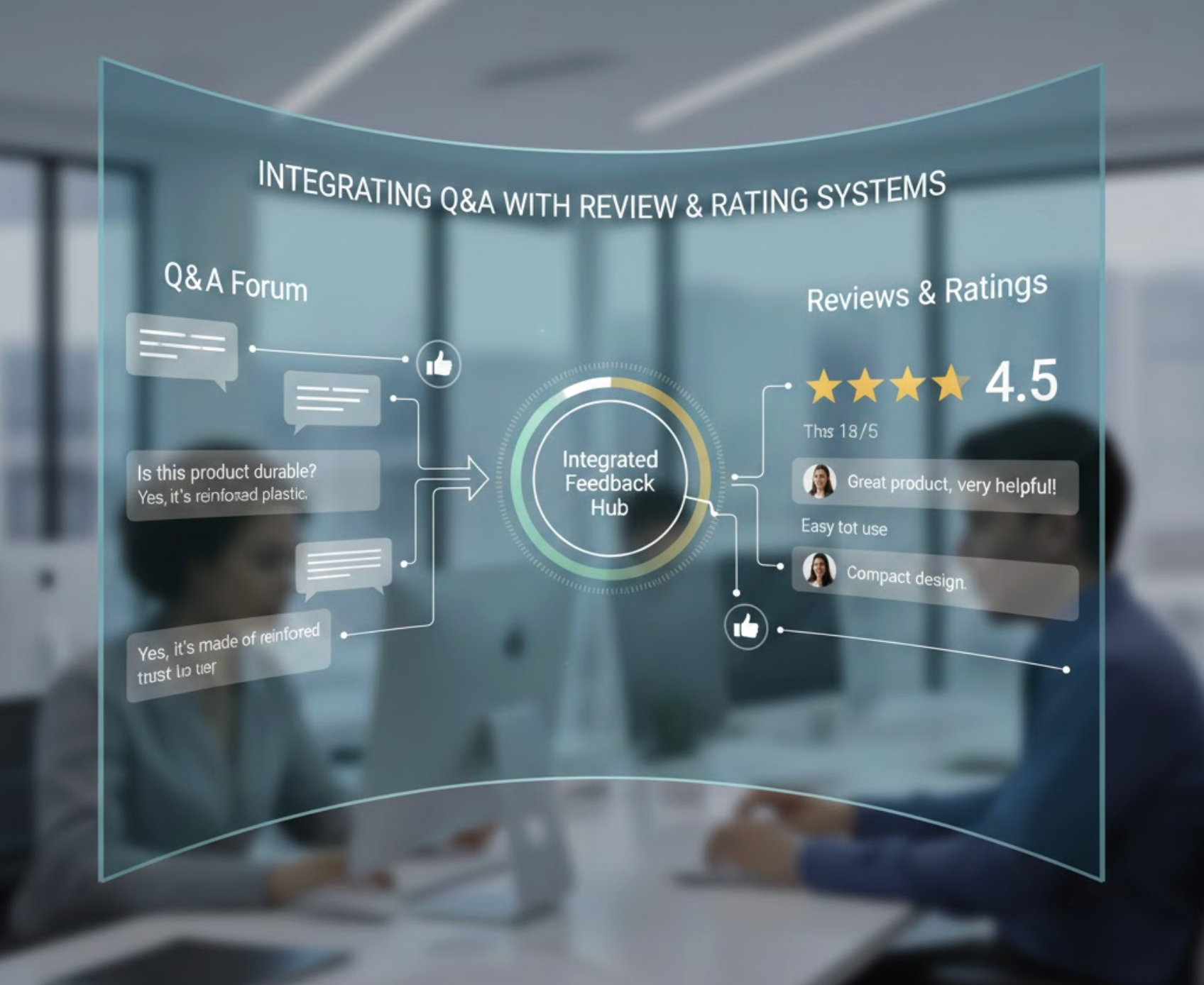
Today’s online shoppers rarely make decisions based on a single factor. Instead, they look for a combination of reassurance, clarity, and real-world confirmation before committing to a purchase. Reviews, star ratings, and Q&A sections each serve a unique purpose in that process. When these elements are integrated thoughtfully, they work together to reduce hesitation and build trust more effectively than when they exist in isolation.
This guide explores best practices for integrating Q&A with review and rating systems to create a seamless, confidence-driven shopping experience that supports conversions and long-term customer trust.
Reviews and ratings help shoppers understand how a product performs in real-life scenarios, while Q&A addresses specific, often personal concerns that reviews may not fully cover. When these two systems are connected, they provide both emotional reassurance and practical clarity.
Instead of forcing shoppers to jump between sections or search for missing details, integration allows them to naturally progress from validation to decision-making. This reduces friction and cognitive load during the buying process.
When Q&A and reviews are aligned, they collectively help shoppers:
This combined effect shortens the decision cycle and increases buyer confidence.
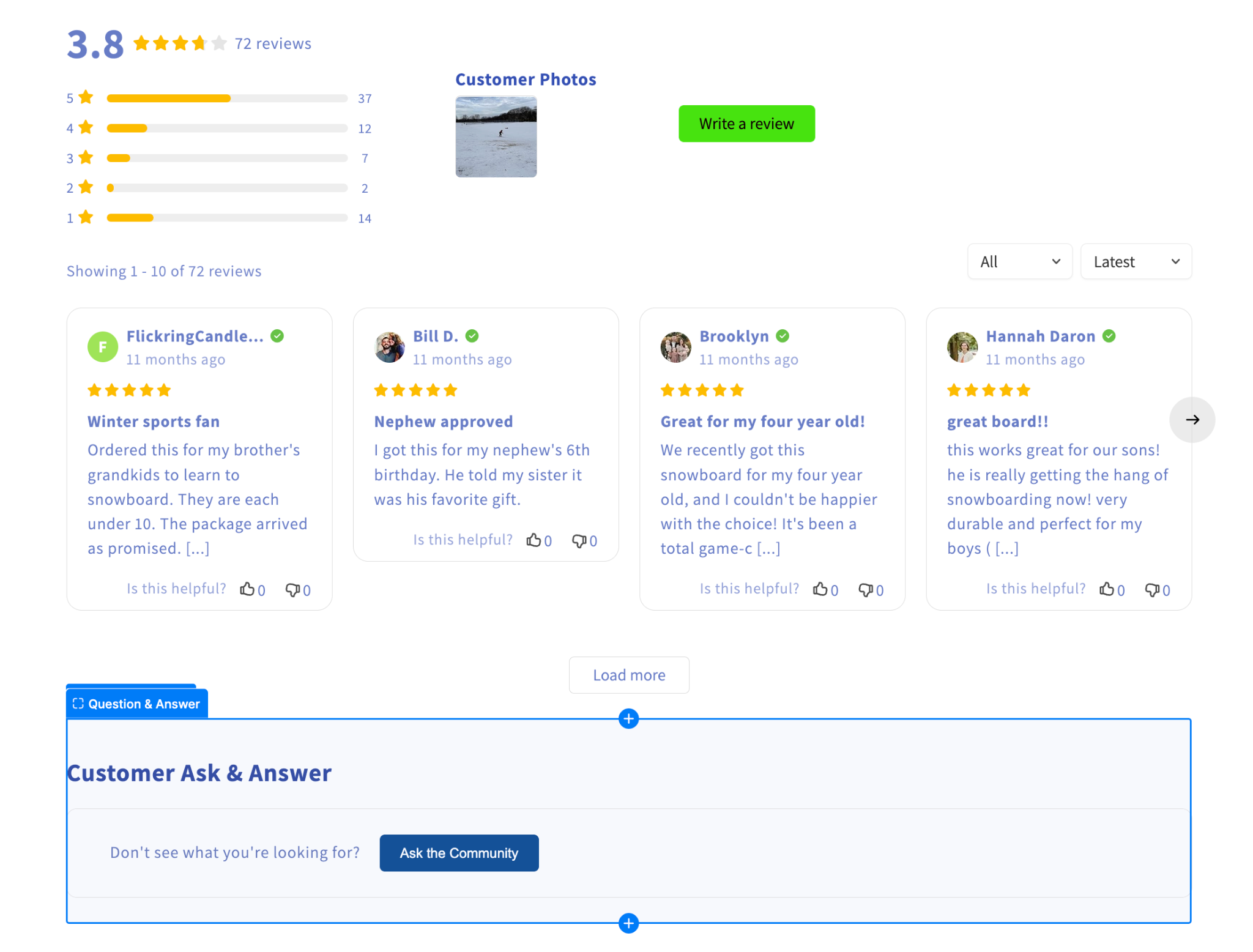
Placement plays a critical role in how shoppers perceive and use information. Positioning the Q&A section near reviews ensures that users encounter answers at the exact moment they are evaluating trust signals.
This contextual proximity helps shoppers interpret answers more effectively, especially when they are already reading opinions and ratings from other buyers. It also reinforces the idea that Q&A is part of the overall trust ecosystem, not an afterthought.
To create a cohesive and intuitive layout, merchants should consider:
When Q&A feels like a natural continuation of the review experience, it becomes more engaging and credible.
Many customer questions are already answered indirectly within existing reviews. However, shoppers may not have the time or patience to scan dozens of comments to extract that information. Connecting Q&A with relevant reviews bridges this gap and makes information easier to access.
By linking questions to real customer experiences, answers feel more grounded and trustworthy. This also helps reduce repetitive questions and improves overall content efficiency.
To strengthen this connection, merchants can:
This approach turns scattered insights into a structured, user-friendly knowledge base.
Just as verified reviews carry more influence, the credibility of answers in a Q&A section significantly affects shopper trust. Clear indicators of who is answering, and why they are reliable, make a noticeable difference in how information is perceived.
Without proper moderation, low-quality or misleading answers can undermine even strong ratings. Prioritizing clarity and authority ensures that Q&A supports, rather than damages, buyer confidence.
To maintain answer quality and transparency, it’s important to:
When shoppers trust the source of an answer, they are more likely to trust the product.
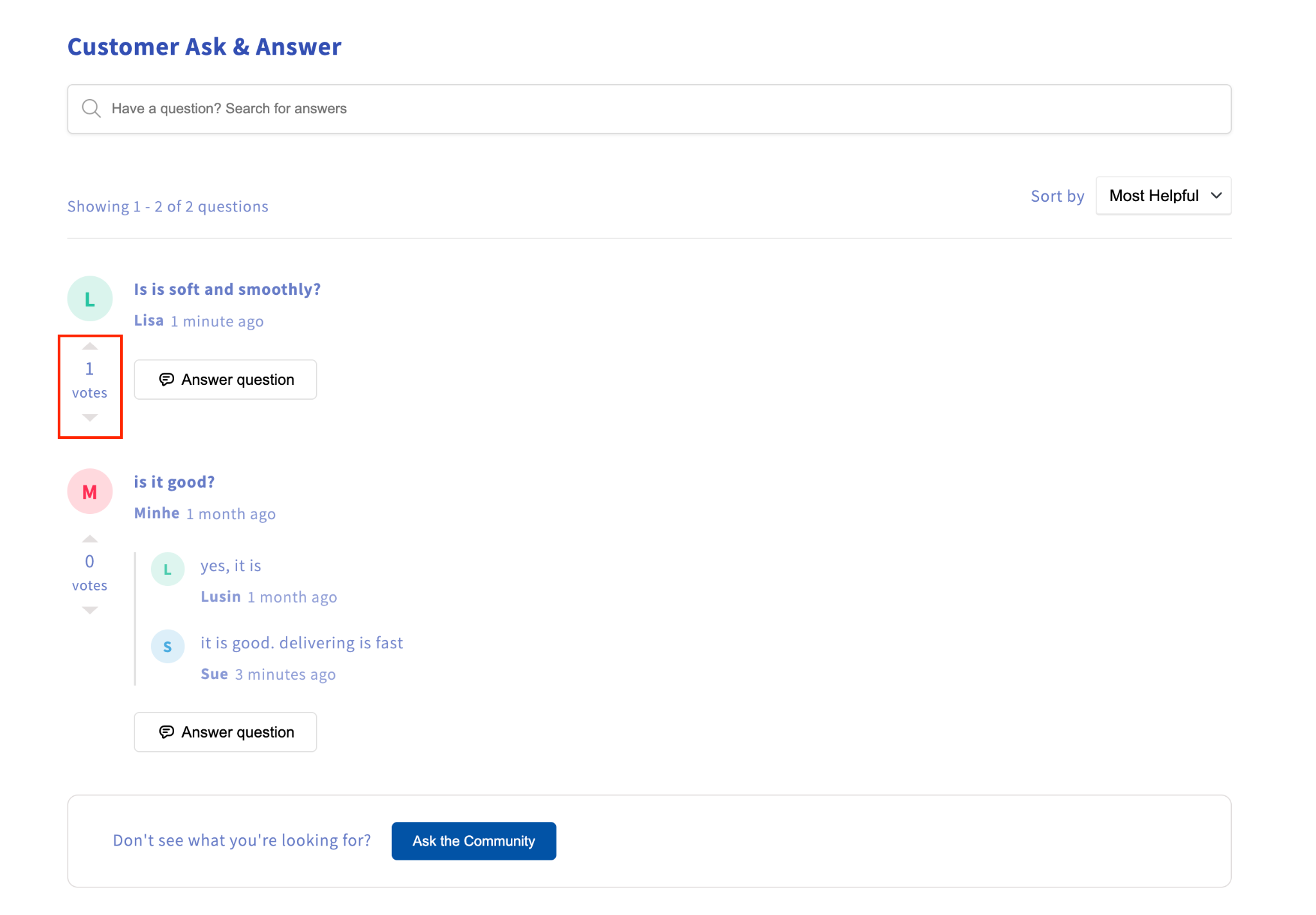
Star ratings provide valuable signals about customer sentiment, and these signals can guide how Q&A content is presented. Products with lower or mixed ratings often generate concern-driven questions, while highly rated products tend to receive usage or compatibility inquiries.
Understanding this relationship allows merchants to prioritize the questions that matter most to prospective buyers.
To use ratings as a guide for Q&A optimization, merchants can:
This ensures that shoppers encounter the most impactful information early in their journey.
Timing has a major influence on the quality and relevance of customer questions. Encouraging users to ask questions after they’ve read reviews leads to more thoughtful and specific inquiries.
Instead of generic prompts, context-aware messaging feels more natural and helpful, extending the review experience rather than interrupting it.
Effective prompts that blend smoothly into the flow include:
These prompts respect the shopper’s journey and invite meaningful engagement.
An outdated or neglected Q&A section can quickly erode trust, even when reviews and ratings are strong. Active management signals that the brand is attentive, transparent, and committed to customer support.
As products evolve, answers should evolve as well. Regular maintenance ensures accuracy and long-term usefulness.
To keep Q&A reliable and effective over time, merchants should:
A well-maintained Q&A section reinforces confidence and reduces pre-purchase uncertainty.
Integration should be evaluated based on outcomes, not just appearance. The ultimate goal is to help shoppers make decisions more easily and confidently.
Tracking performance metrics provides insight into what works and where improvements are needed.
To understand the true impact, merchants should regularly review:
These insights help refine content strategy and maximize the value of integration.
Integrating Q&A with review and rating systems is about creating a unified, shopper-centric experience. Reviews build emotional trust, ratings provide quick validation, and Q&A removes lingering doubts that could delay or prevent a purchase.
When these elements are aligned through thoughtful placement, credible content, and ongoing management, they form a powerful trust framework that supports shoppers at every stage of the buying journey, and ultimately drives stronger conversions and customer satisfaction.