New to Shopify? Free trial, then $1/month for your first 3 months. Start free trial →
 Where is your store?
Ryviu works with both – pick yours to continue.








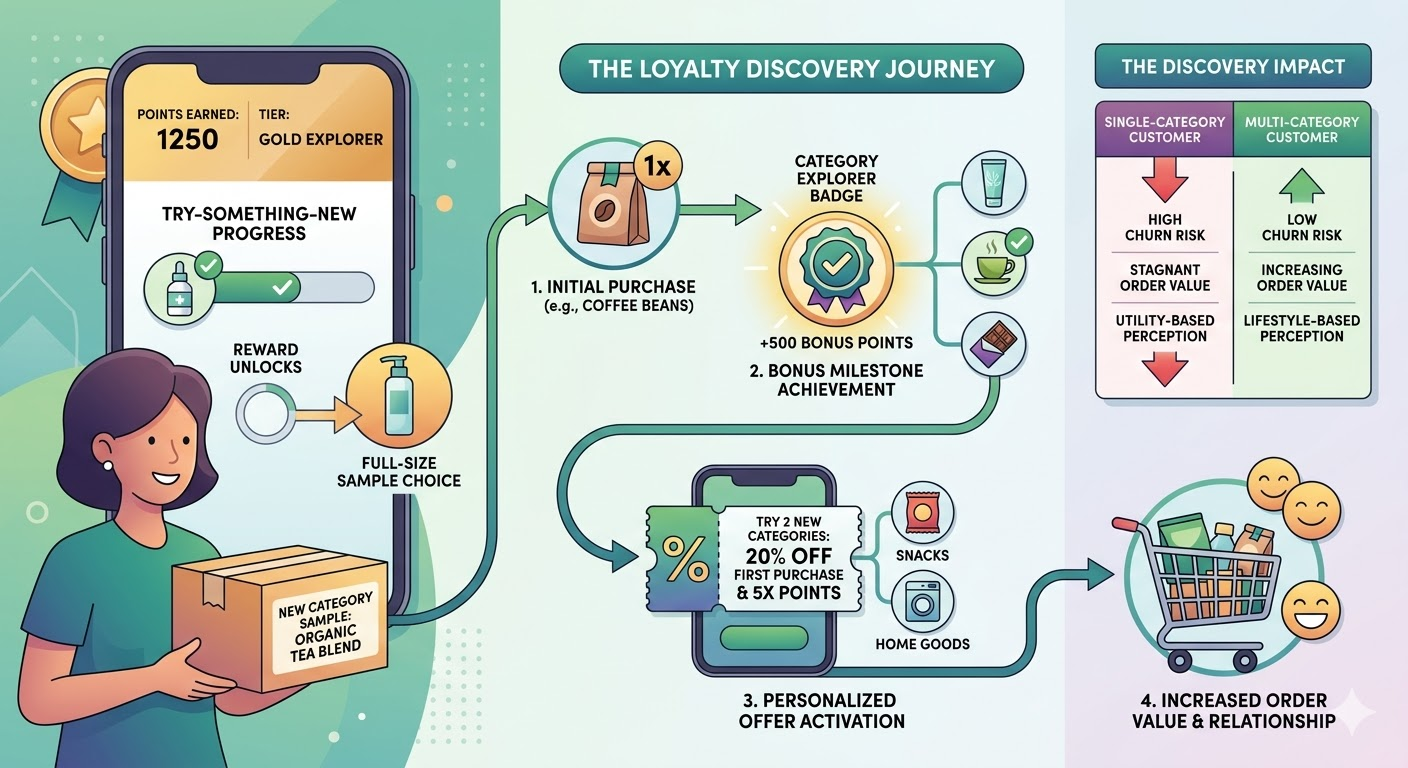
Loyalty programs have evolved far beyond simple points-for-purchase systems. Today, they serve as strategic tools that shape customer behavior, guide discovery, and influence how people engage with brands. One of the most valuable outcomes of a well-designed loyalty program is its ability to encourage customers to step outside their привычные choices and explore new product types.
For brands, this kind of behavioral shift is incredibly powerful. It not only increases average order value but also contributes to higher customer lifetime value by deepening customer relationships and exposing users to a wider range of offerings. When customers discover new products they love, they are more likely to remain loyal and engaged over the long term.
Customers often fall into predictable buying patterns, repeatedly purchasing the same products. While this consistency can be beneficial, it also limits opportunities for growth and discovery. Encouraging exploration helps brands unlock untapped revenue and keeps the shopping experience fresh.
At the same time, customers are more likely to trust recommendations and incentives when they come from systems they already engage with, like loyalty programs. This creates a natural pathway for introducing new product types without feeling intrusive or forced.
To better understand how loyalty programs can drive this behavior, let’s explore the most effective loyalty program ideas brands are using today:
Trying a new product always involves a degree of uncertainty. Customers may worry about quality, relevance, or whether the product will meet their expectations. Loyalty programs can help reduce this hesitation by offering small but meaningful rewards for taking that first step.
These incentives act as a safety net, making experimentation feel less risky. Even a small reward can shift the decision from “maybe later” to “why not now.”
To effectively lower this barrier, brands often implement the following:
Gamification plays a key role in motivating behavior. When customers feel like they are progressing or achieving something, they are more likely to continue engaging with the program. Trying new products can be framed as part of a larger journey rather than a one-off action.
This approach transforms exploration into a rewarding experience rather than a risky decision. Customers begin to associate variety with progress and recognition.
To build this sense of achievement, brands can use the following:
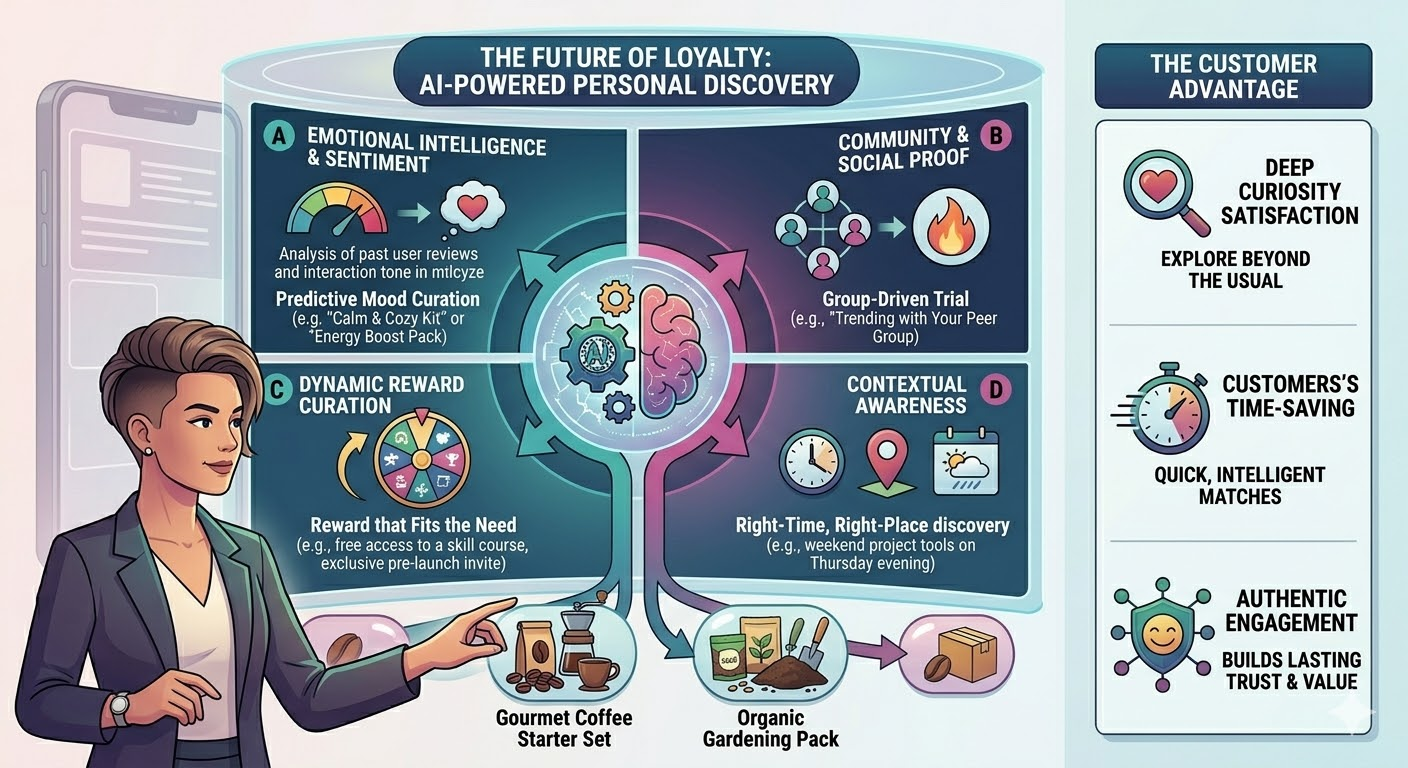
Not all product suggestions are equally effective. Customers are far more likely to try something new when it aligns with their preferences and past behavior. Personalization ensures that recommendations feel helpful rather than random.
By analyzing purchase history and engagement patterns, brands can introduce new product types that naturally fit into the customer’s lifestyle. This reduces friction and increases the likelihood of conversion.
To make personalization more impactful, brands can:
Trust plays a critical role in trying something new. Customers often rely on peer feedback to validate their decisions, especially when exploring unfamiliar products. Integrating reviews into loyalty-driven recommendations adds a layer of credibility.
When users can see authentic experiences from others, they feel more confident in stepping outside their comfort zone. This is where platforms like Reton become especially valuable, as they help surface real user insights in a structured and engaging way.
To strengthen this connection between recommendations and trust, brands should:
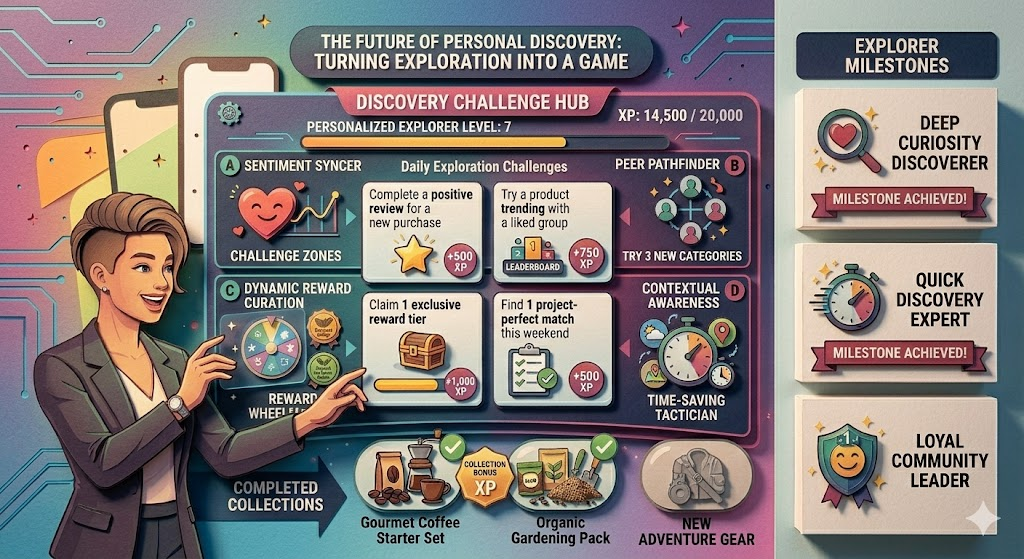
Gamification transforms routine shopping into an interactive experience. Instead of passively browsing, customers actively participate in challenges, missions, and rewards systems. This makes trying new product types feel fun and engaging.
By introducing elements of play, brands can motivate customers to explore categories they might otherwise ignore. The sense of curiosity and competition adds an emotional layer to the shopping journey.
To gamify discovery effectively, brands can introduce the following:
A single interaction is not enough to build lasting habits. Gamification works best when it encourages ongoing participation and continuous exploration. Customers should feel motivated to return and keep discovering.
Consistency helps reinforce new behaviors, making exploration a natural part of the customer journey rather than a one-time event. Over time, this leads to broader product adoption.
To sustain engagement, brands can implement the following:
Bundles are an effective way to introduce new product types without requiring a full commitment. By pairing familiar items with new ones, brands can create a low-risk entry point for exploration. Customers are more willing to try something new when it comes alongside something they already trust.
This strategy also increases perceived value, making the purchase feel more worthwhile. It subtly encourages customers to expand their preferences.
To design effective bundles, brands can:
Encouraging customers to shop across categories requires clear cross-selling and upselling strategies. Loyalty programs can guide this behavior by rewarding diversity rather than just volume. This shifts the focus from how much customers buy to what they explore.
By rewarding variety, brands can gradually reshape purchasing habits. Customers begin to see value in trying different product types.
To promote cross-category engagement, brands can:
Customer feedback is more than just a post-purchase activity. It can actively influence what other customers choose to try next. Reviews provide insights, reduce uncertainty, and highlight real-world use cases.
When reviews are added to loyalty programs, they become part of the process of finding new things. People aren't just buying things; they're also learning from others.
To maximize the impact of reviews, brands can:
Customers are more likely to leave reviews when there is a clear benefit. Loyalty programs can incentivize this behavior, creating a cycle where feedback fuels discovery and discovery fuels more feedback.
This ecosystem benefits both the brand and its customers. It creates a dynamic environment where new product types gain visibility quickly.
To encourage review participation, brands can:
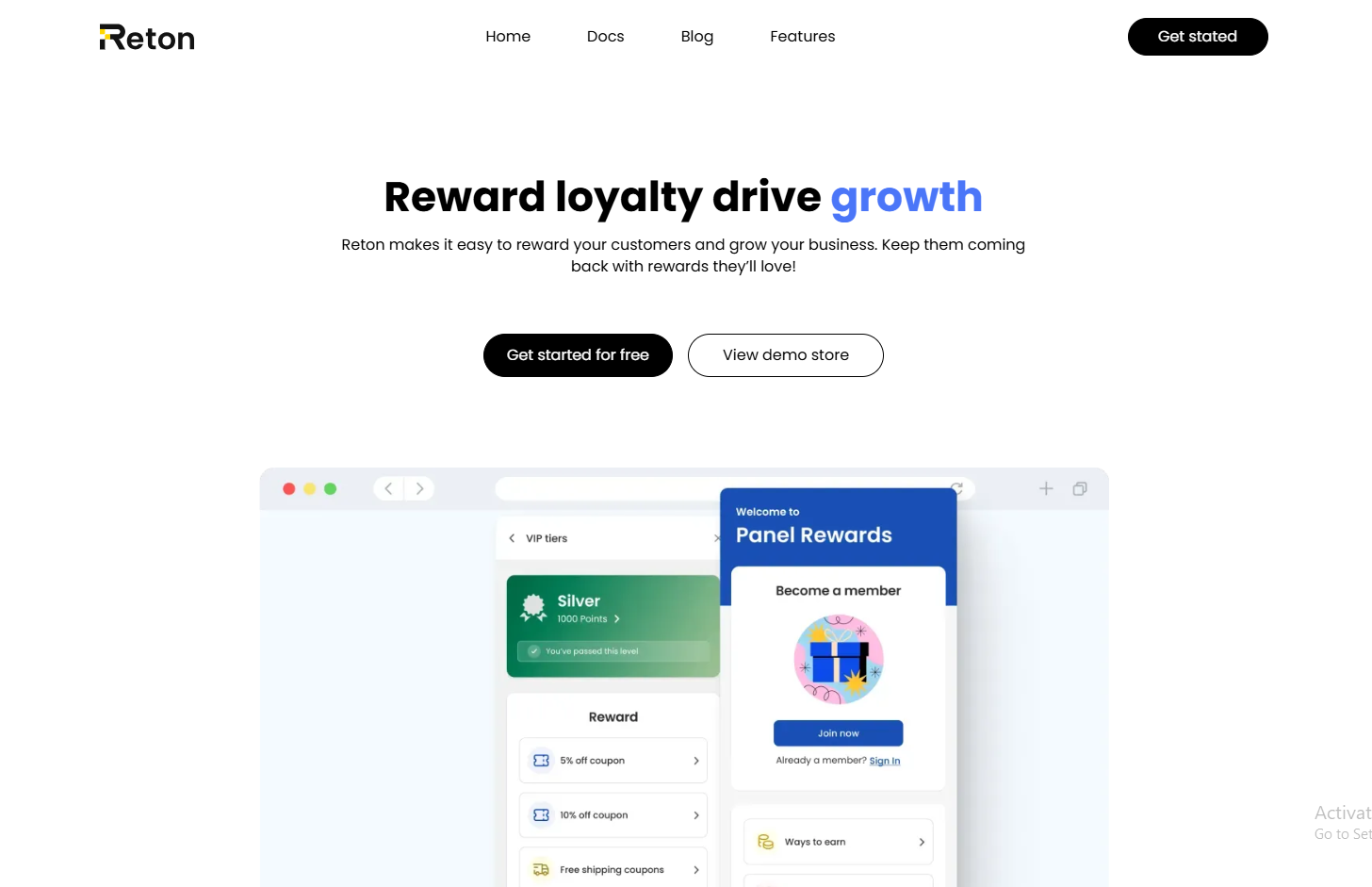
A successful loyalty program does not operate in isolation. It works best when integrated with other systems, especially review platforms. Reton helps bridge this gap by turning customer feedback into actionable insights that support discovery.
By combining loyalty incentives with authentic reviews, brands can create a more transparent and engaging experience. Customers feel guided rather than pushed.
To create this seamless connection, brands can:
The ultimate goal is to make trying new product types feel effortless. Customers should not feel like they are being forced into unfamiliar territory. Instead, discovery should emerge naturally from the experience.
With the right combination of incentives, personalization, and trust, loyalty programs can achieve this balance. Reton plays a key role by ensuring that every recommendation is backed by real customer voices.
To support natural discovery, brands should focus on the following:
Loyalty programs have the potential to do much more than reward repeat purchases. When designed thoughtfully, they can guide customers toward new experiences, broaden their preferences, and deepen their connection with a brand. Encouraging customers to try new product types is not just about incentives; it's about building trust, reducing risk, and creating meaningful engagement.
By combining strategies like gamification, personalization, bundling, and review integration, brands can transform exploration into a core part of the customer journey. Tools like Reton further enhance this process by making feedback visible, actionable, and impactful.
In a competitive market, the brands that succeed will be those that not only retain customers but continuously inspire them to discover more.