New to Shopify? Free trial, then $1/month for your first 3 months. Start free trial →
 Where is your store?
Ryviu works with both – pick yours to continue.








Trust is the invisible force behind every successful eCommerce transaction. Customers may discover your store through ads, social media, or search engines, but whether they actually complete a purchase depends largely on how much they trust you. In online shopping, where customers cannot physically see products or meet sellers, trust becomes even more critical.
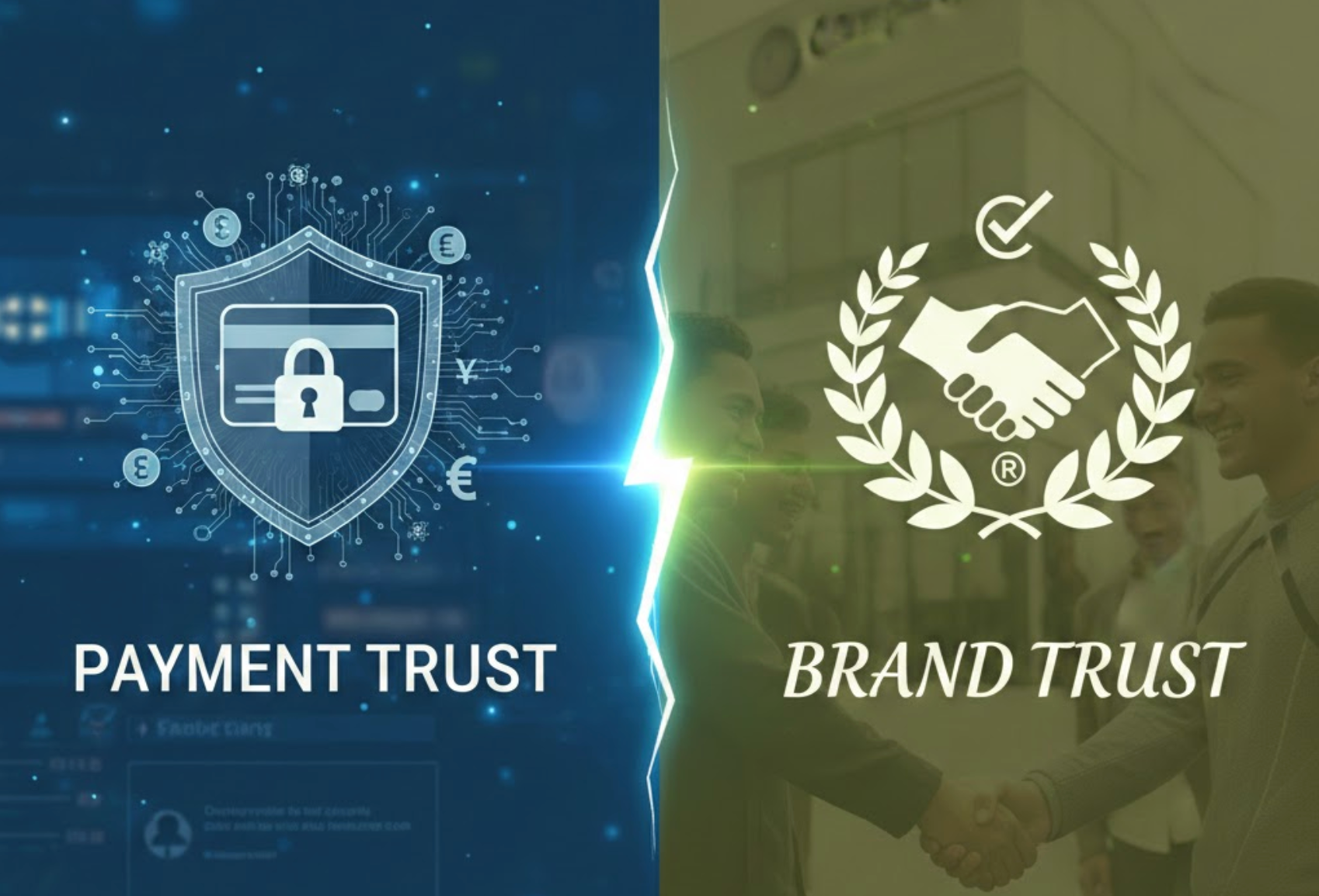
However, trust in eCommerce is not a single concept. It operates on multiple levels, with Payment Trust and Brand Trust playing two very distinct yet complementary roles. While both influence purchasing behavior, they impact customers at different stages of the journey and solve different psychological concerns.
Understanding the difference between payment trust and brand trust, and knowing how to strengthen both, can significantly improve conversion rates, reduce abandonment, and create long-term customer loyalty.
Before comparing payment trust and brand trust directly, it helps to understand how customers move through an online shopping journey. Typically, shoppers first evaluate whether a store looks legitimate, then whether the product meets their needs, and finally whether it feels safe to complete the payment.
At each stage, a different type of trust is at work. Brand trust influences early and mid-stage decisions, such as browsing, product consideration, and intent. Payment trust becomes most critical at the final step, when customers are asked to share sensitive financial information.
This layered nature of trust explains why a store can attract traffic and interest but still struggle to convert, or why some stores convert well but fail to retain customers.
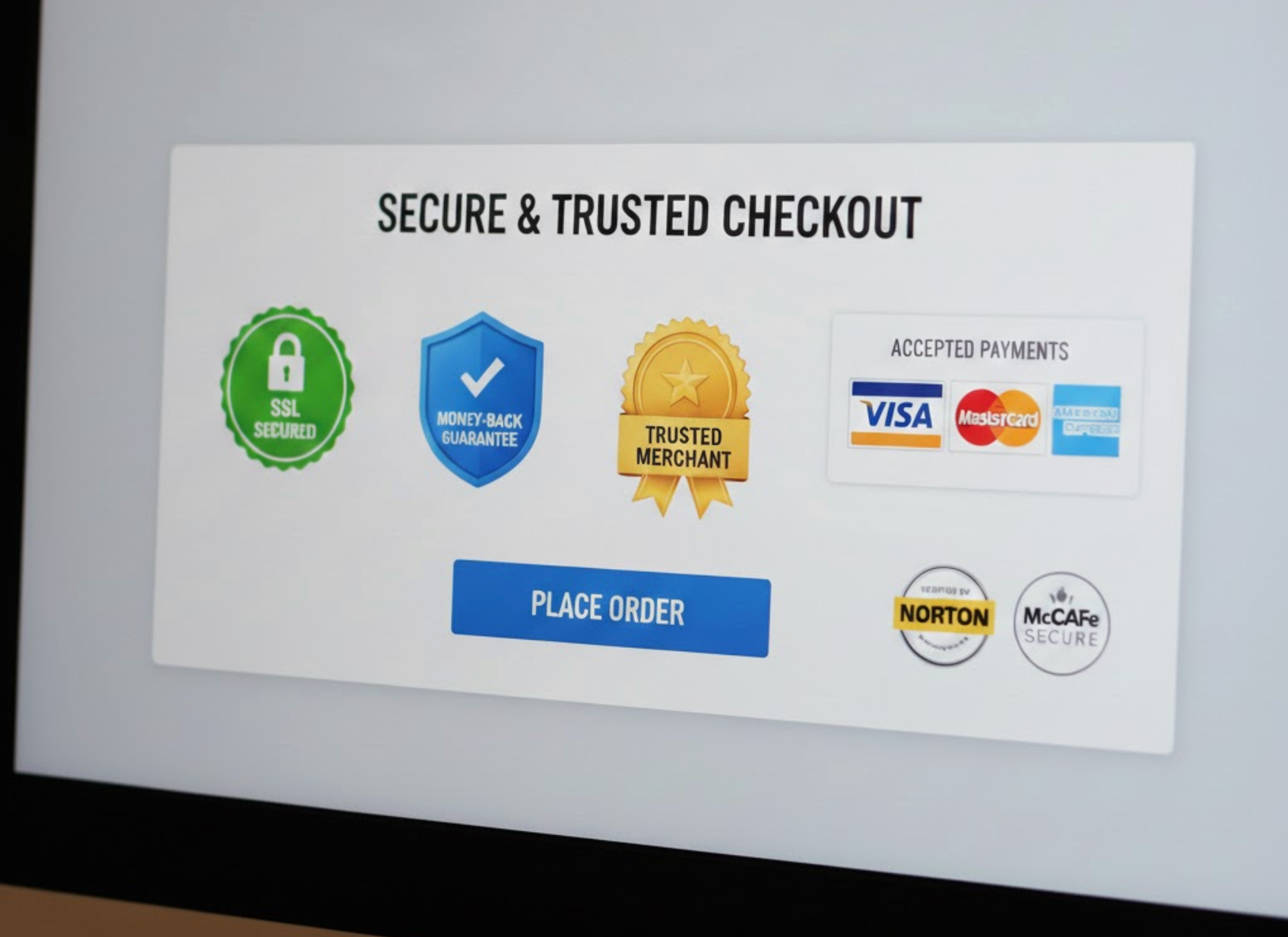
Payment trust refers to a customer’s confidence that their money, payment details, and personal information are secure during a transaction. It focuses narrowly on the checkout experience and answers one pressing question in the customer’s mind: “Is it safe for me to pay here?”
Unlike brand trust, payment trust is highly moment-based. It peaks when customers reach the checkout page and are asked to enter credit card details, log into a digital wallet, or authorize a payment. Even small doubts at this stage can immediately stop the purchase.
Several factors contribute to payment trust, including:
Because payment trust is largely functional, customers rely on visual cues and familiarity. They may not fully understand encryption or compliance standards, but seeing known payment logos reassures them that their transaction is protected.
As a result, payment trust often determines whether a customer completes the purchase, or abandons the cart at the last second.
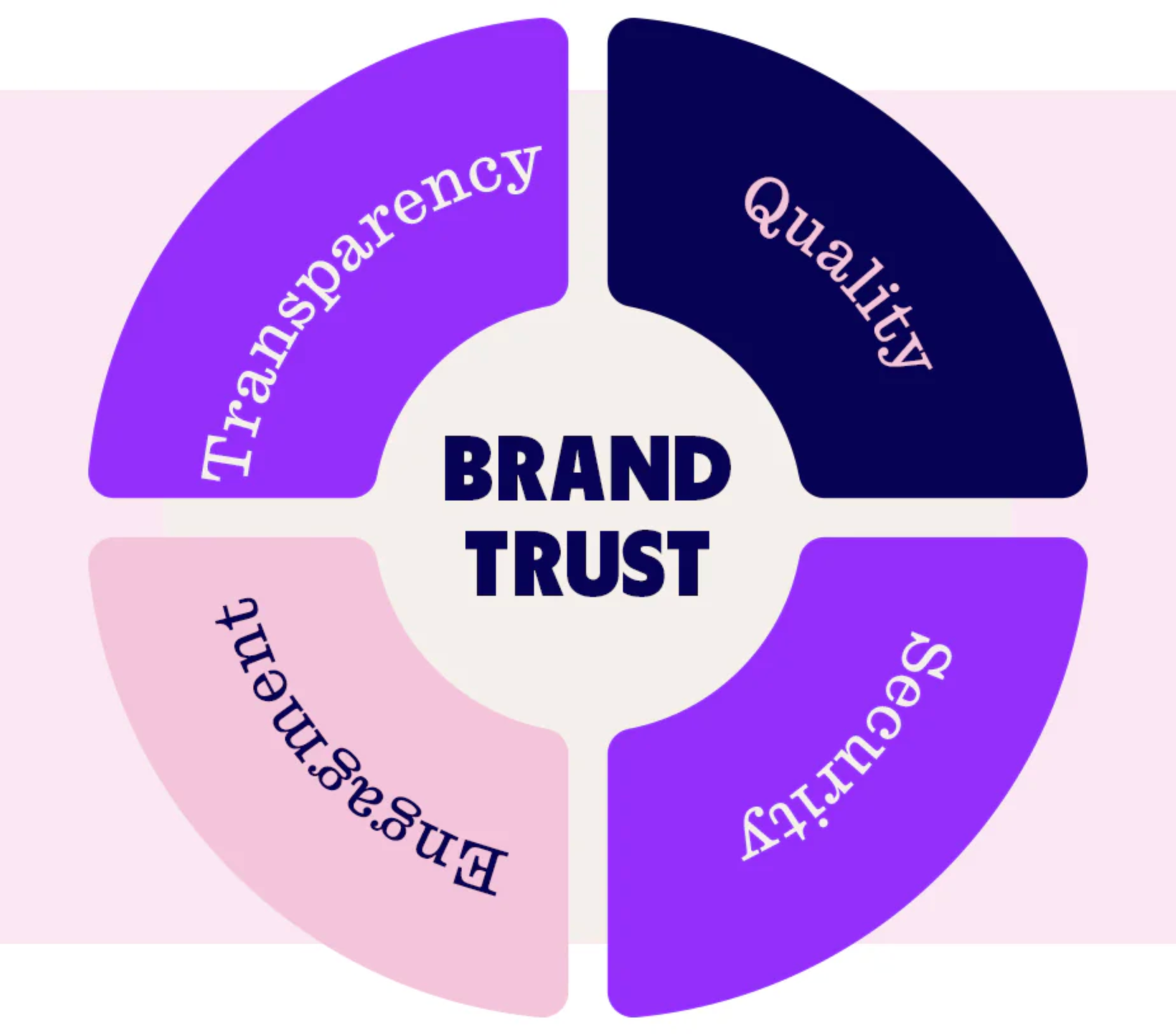
Brand trust goes beyond the transaction itself. It represents a customer’s belief that your business is credible, honest, and capable of delivering on its promises. Rather than being tied to a single moment, brand trust develops gradually through repeated exposure and consistent experiences.
Brand trust answers broader and more emotional questions, such as:
This type of trust is shaped by many touchpoints, including:
Unlike payment trust, brand trust does not disappear after checkout. It continues to influence how customers feel about your business long after the purchase, and strongly affects whether they return or recommend your brand to others.
Although both are essential, payment trust and brand trust differ significantly in how they function and what they influence.
Payment trust operates within a very specific and time-sensitive window, mainly during the checkout process when customers are asked to share financial information. Its influence is strongest in the final moments before a purchase decision is made, where hesitation can instantly lead to cart abandonment.
Brand trust, by contrast, begins forming long before checkout and continues long after the transaction is complete. It affects how customers perceive your store from their very first interaction, whether through ads, social media, or search results. Over time, brand trust grows through consistent experiences, shaping long-term customer relationships.
This difference in scope explains why payment trust drives immediate action, while brand trust supports sustained engagement.
Payment trust is largely functional and logic-driven, relying on visible indicators that signal security and reliability. Customers look for familiar payment logos, encryption notices, and clear policies to quickly assess whether a transaction is safe.
Brand trust, on the other hand, is emotional and psychological, built on how a brand makes customers feel over time. It reflects confidence in a company’s values, integrity, and ability to deliver on promises. While payment trust reassures customers that nothing bad will happen during payment, brand trust reassures them that they made the right choice overall.
Together, these two forms of trust address both rational and emotional decision-making.
Payment trust has a direct and immediate effect on conversion rates. When customers doubt payment security, they abandon the checkout regardless of product quality or pricing.
Brand trust, however, influences what happens after the purchase is complete. It determines whether customers return, subscribe, leave positive reviews, or recommend the brand to others.
While payment trust helps secure the first sale, brand trust increases customer lifetime value over time. This distinction highlights why businesses focused only on conversions may struggle to build lasting loyalty.
Payment trust can be established relatively quickly, often within seconds of viewing a checkout page. A well-designed payment flow with recognizable providers and clear security signals can instantly reduce customer anxiety.
Brand trust, by contrast, develops gradually through repeated interactions and consistent delivery. Customers need time to experience product quality, customer support, and brand communication before full trust forms.
One positive experience can help, but long-term trust requires reliability over time. This difference means payment trust is easier to implement, while brand trust requires strategic patience.
Payment trust relies heavily on explicit, visual proof points that customers can easily recognize. Security badges, SSL icons, and payment method logos provide immediate reassurance without requiring deep explanation.
Brand trust uses more subtle and cumulative signals, such as storytelling, tone of voice, social proof, and customer feedback. These signals are not always tied to a single page but appear across the entire website and marketing ecosystem. Over time, they create a consistent impression of professionalism and credibility.
While payment trust is obvious and transactional, brand trust is layered and experiential.
Payment trust primarily addresses customers’ fear of financial loss, fraud, or data misuse. At checkout, even a small doubt can trigger a strong emotional response that stops the purchase.
Brand trust addresses a broader set of concerns, including product quality, fairness, and post-purchase support. Customers with strong brand trust are more tolerant of minor issues such as delays or mistakes. They are also more likely to give the brand a second chance rather than abandoning it entirely.
In this way, payment trust prevents immediate loss, while brand trust provides long-term resilience.
Although different, payment trust and brand trust are deeply interconnected. In practice, they work best when layered together.
A store with strong brand trust can sometimes overcome minor checkout friction because customers already believe in the company. At the same time, strong payment trust can help newer or lesser-known brands secure their first sales by reducing perceived risk.
However, relying too heavily on one while neglecting the other creates imbalance:
For sustainable success, eCommerce businesses must design experiences that make customers feel safe paying and confident buying.
Payment trust deserves immediate focus if:
In these scenarios, reducing payment-related anxiety can significantly improve conversion rates. Even small improvements, such as adding familiar payment methods or clarifying refund policies, can have a measurable impact.
Brand trust becomes especially important when:
Strong brand trust protects your business from price competition and makes customers more forgiving when issues arise.
Payment trust and brand trust are not interchangeable, and neither is optional. Payment trust removes fear at the moment of purchase, while brand trust builds confidence over time.
If your goal is short-term sales, payment trust is non-negotiable. But if your goal is sustainable growth, customer loyalty, and long-term brand equity, brand trust becomes the deciding factor.
Ultimately, the most successful eCommerce brands do not choose between payment trust and brand trust. They intentionally build both, ensuring that customers feel secure completing transactions today and confident returning tomorrow.