 New to Shopify? Free trial, then $1/month for your first 3 months. Start free trial →
 Where is your store?
Ryviu works with both – pick yours to continue.








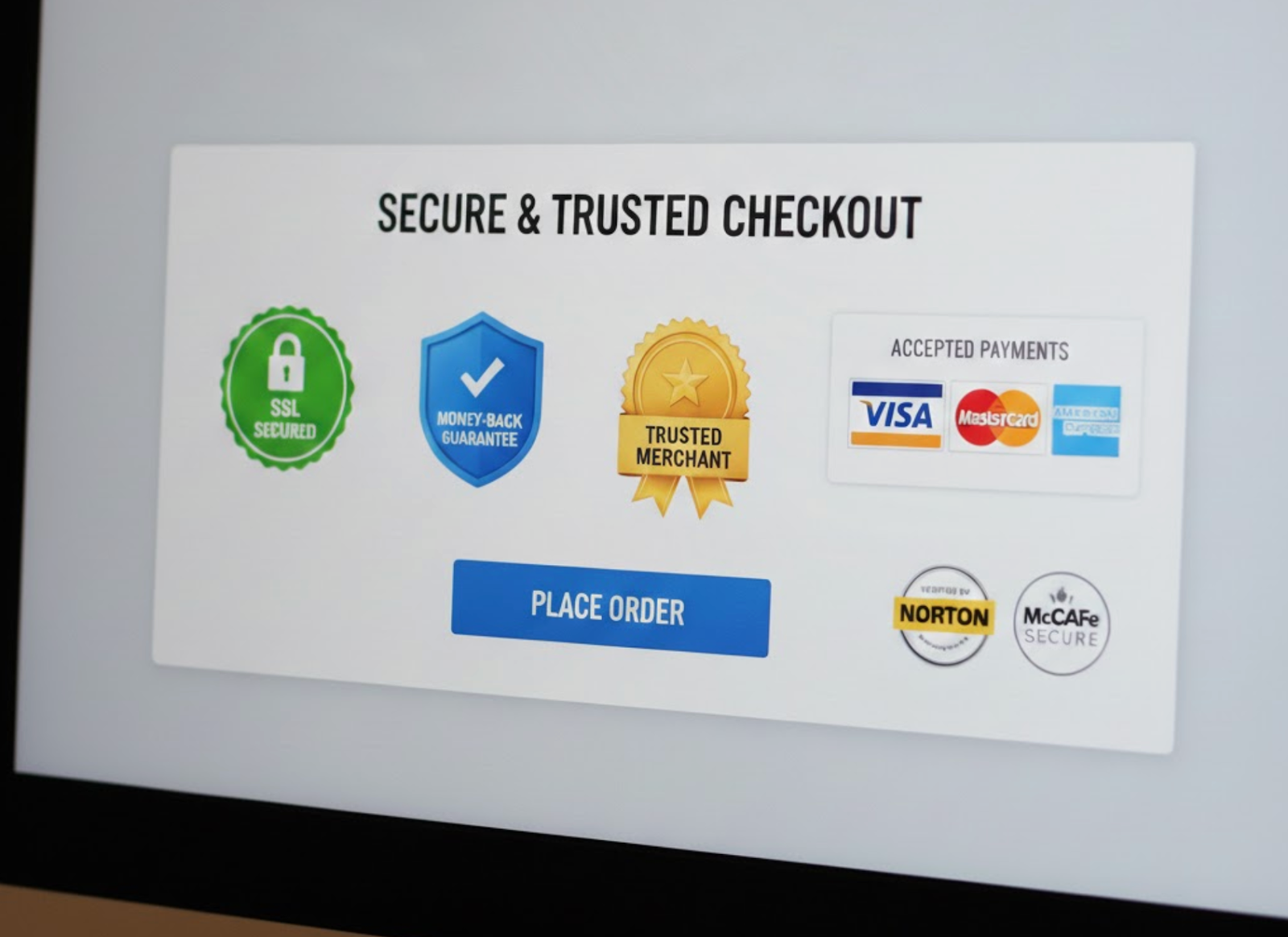
The checkout page is the final and most sensitive stage of the online shopping journey. By the time customers reach this step, they have already invested time browsing products, comparing options, and making a purchase decision. However, despite this strong intent, checkout is also where hesitation peaks, and where cart abandonment most often occurs.
One of the main reasons shoppers abandon checkout is a lack of trust. Concerns about payment security, data privacy, refunds, or even store legitimacy can easily outweigh the desire to complete a purchase. This is where trust badges become especially powerful. When used correctly, they provide visual reassurance at critical moments, helping customers feel safe, confident, and ready to place their order.
In this article, we’ll explore what trust badges are, why they matter specifically at checkout, and how to use them effectively to reduce friction and improve conversion rates.
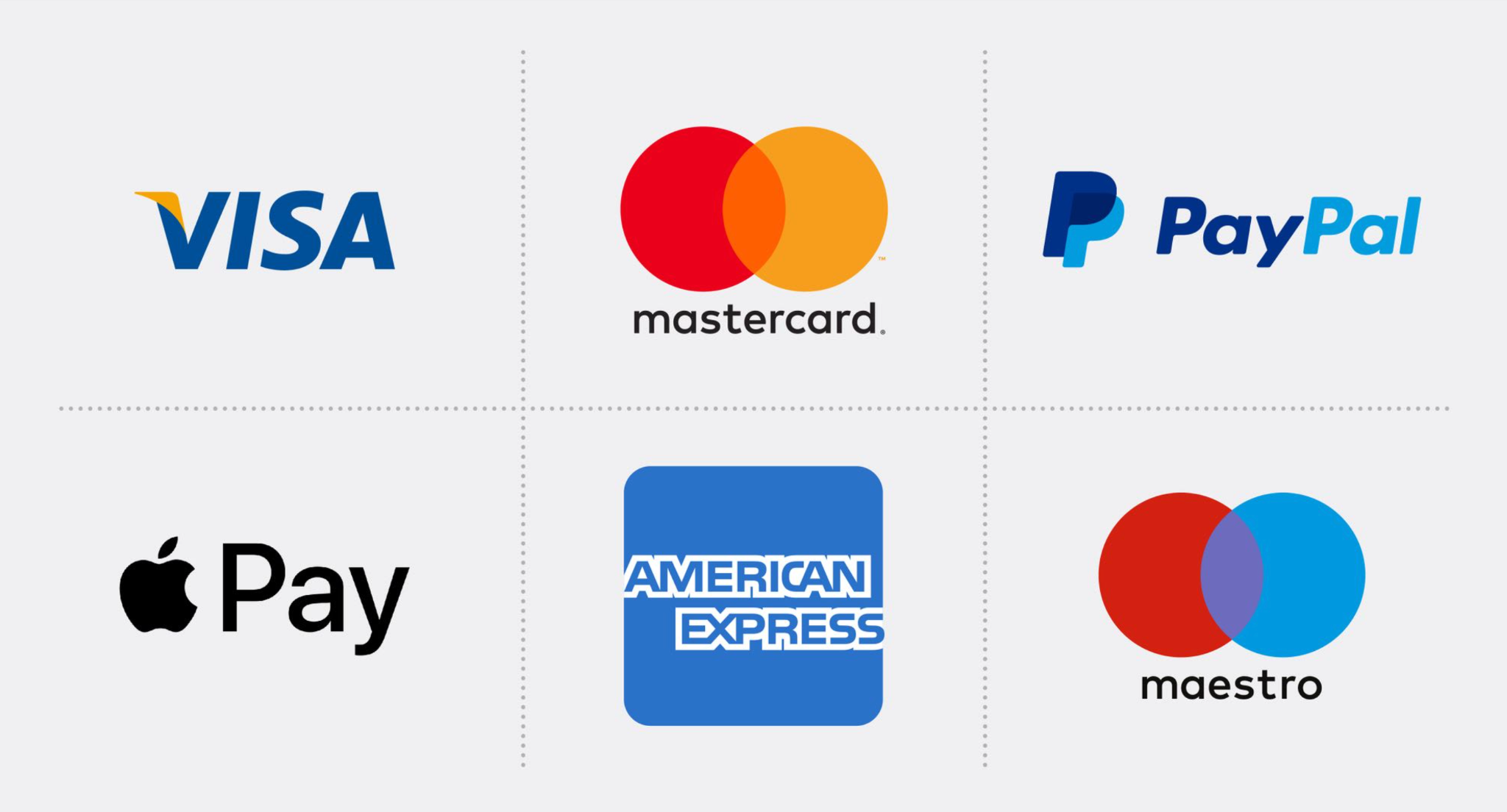
Trust badges are visual indicators, icons, seals, or labels, that communicate safety, credibility, and reliability. They are designed to quickly reassure customers that a store is legitimate and that their sensitive information will be handled securely.
At checkout, customers are asked to provide personal details such as their name, address, phone number, and payment information. This request naturally triggers caution, especially for first-time buyers or shoppers unfamiliar with your brand. Even a small moment of doubt can lead to hesitation, page exits, or abandoned carts.
Trust badges help address these concerns by reinforcing key messages, such as:
By reducing perceived risk, trust badges lower psychological barriers and help customers move confidently toward completing their purchase.
Not all trust badges serve the same purpose, and using the right type in the right place is crucial. Each category addresses a different customer concern, and understanding these differences helps you create a more reassuring checkout experience.
Security badges focus on protecting customer data. They signal that the checkout page uses encryption and complies with security standards, which is especially important when customers enter credit card details.
Common examples include:
These badges reassure customers that their sensitive information cannot be intercepted or misused. They are most effective when placed close to payment fields or personal data input sections, where security concerns are strongest.
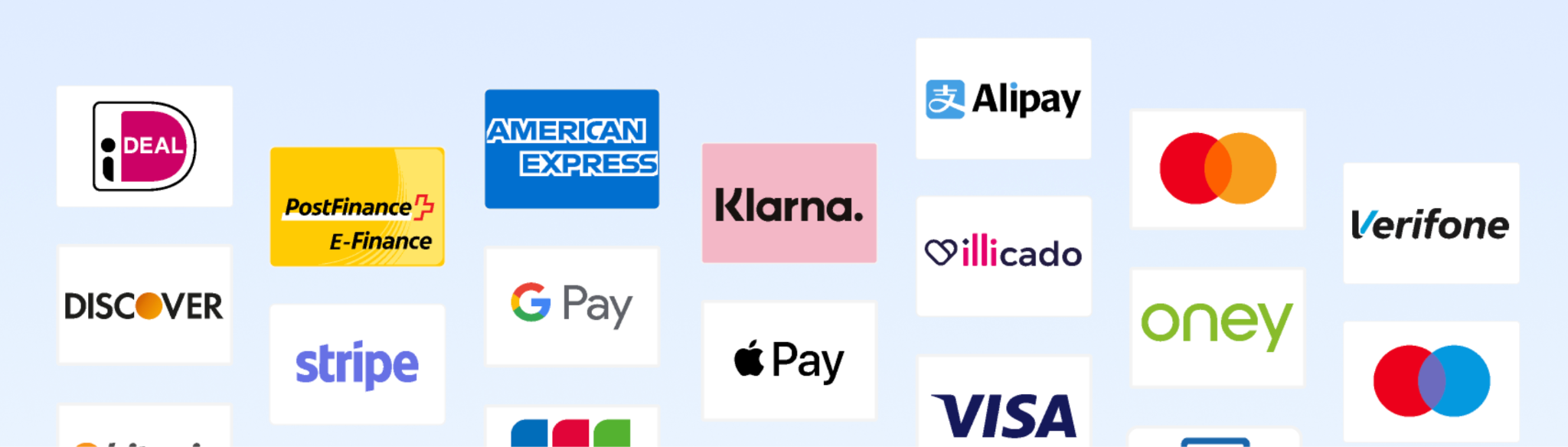
Payment method badges show which payment options your store supports. Familiar logos instantly build confidence because customers already associate them with safety and reliability.
Popular examples include:
When shoppers see payment methods they recognize and trust, they feel more comfortable completing the transaction, knowing they can use a platform they’ve used safely before.
While security badges address data safety, guarantee badges reduce the emotional and financial risk of purchasing. These badges reassure customers that they won’t be stuck with a product if it doesn’t meet expectations.
Examples include:
These badges are particularly effective for hesitant buyers and high-consideration products. They work best when placed near the final action button, where customers are making their final decision.
Trust and verification badges communicate that your business has been reviewed, verified, or accredited by a third party. They help establish overall store legitimacy, especially for new or lesser-known brands.
Examples include:
These seals help reassure customers that your store is not a temporary or untrustworthy operation.
Using trust badges effectively is not about adding as many icons as possible, but it’s about understanding customer psychology and placing the right reassurance at the right moment. When shoppers reach checkout, their primary concern shifts from product value to transaction safety. At this stage, even small details can influence whether they complete the purchase or abandon their cart. The following best practices explain how to use trust badges strategically to support customer confidence and guide them smoothly toward conversion.
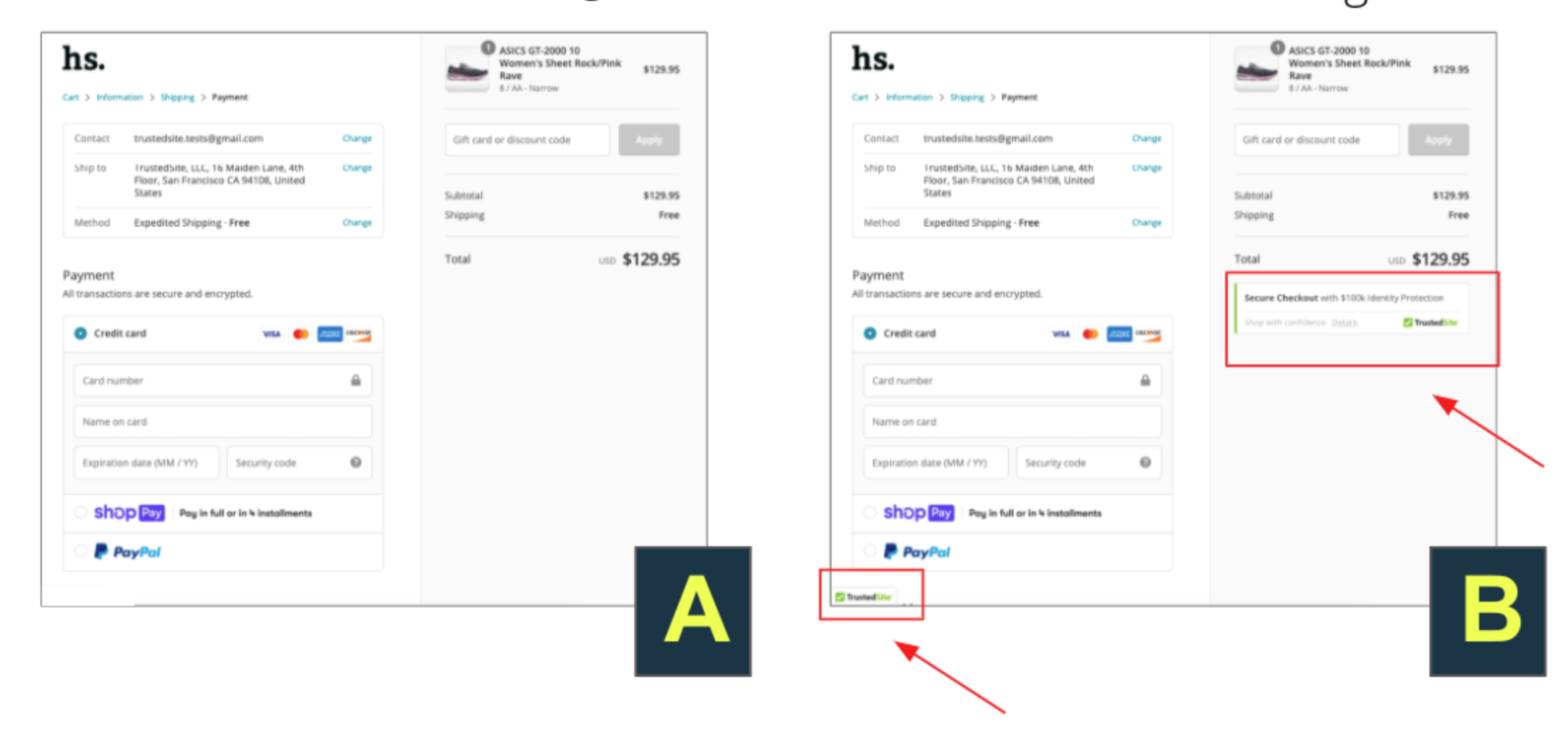
Trust badges are most effective when they appear exactly where customers experience uncertainty. During checkout, hesitation usually arises when shoppers are asked to enter sensitive information or make a final financial commitment. If reassurance is not immediately visible, doubts can escalate quickly.
High-impact placement areas include:
By placing trust badges close to these friction points, you proactively address concerns instead of reacting to them after the customer has already started doubting the process.
While trust badges can be helpful, too many of them can create visual noise and dilute their effectiveness. A checkout page overloaded with badges may feel cluttered, overwhelming, or even suspicious, causing customers to question why so much reassurance is needed.
To maintain clarity and focus:
A carefully curated selection of trust badges feels intentional and professional, reinforcing trust rather than distracting from the purchase.
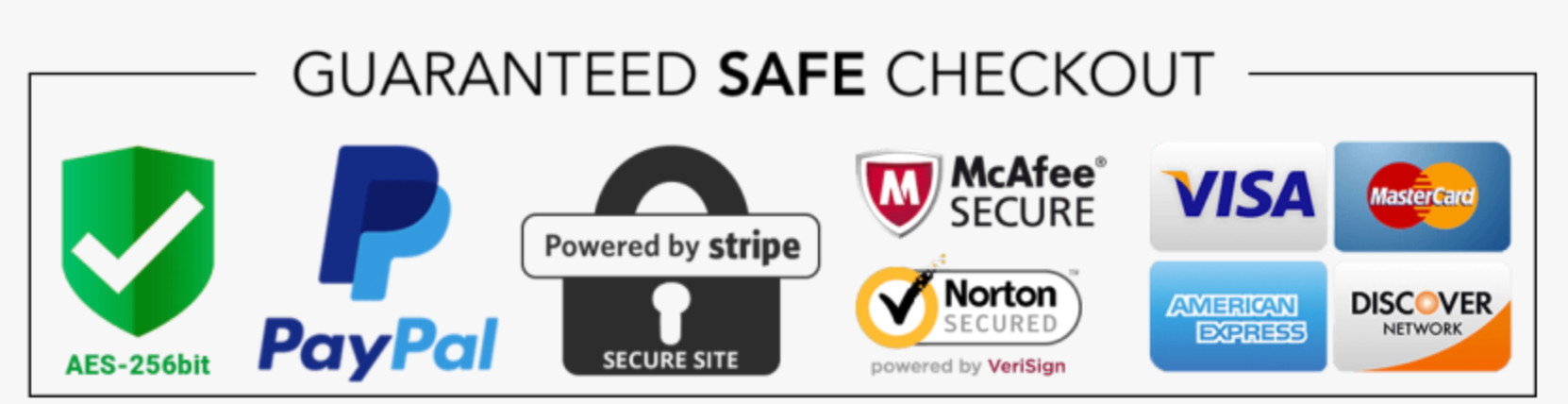
Trust badges only work when customers recognize and believe them. Well-known payment and security brands already carry built-in credibility, which helps reduce skepticism instantly. On the other hand, unfamiliar or generic icons may raise questions instead of building confidence.
Best practices for authenticity include:
Customers are increasingly aware of online scams, so authenticity plays a crucial role in maintaining trust during checkout.
Trust badges should enhance the checkout experience, not interrupt it. When badges clash with your store’s design or appear out of place, they can reduce perceived professionalism.
To ensure visual consistency:
A well-integrated design reinforces the idea that your checkout process is carefully crafted and reliable.
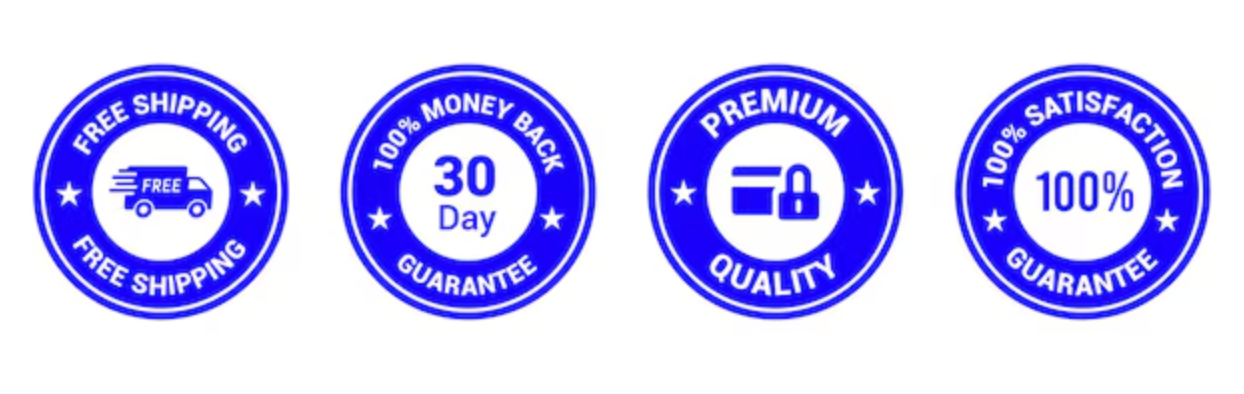
While trust badges communicate visually, pairing them with short explanatory text makes their message clearer and more persuasive. Microcopy helps customers understand exactly what each badge stands for, eliminating ambiguity.
Effective examples include:
This combination of visual and textual reassurance strengthens trust and reduces last-minute hesitation.
With a significant portion of shoppers completing purchases on mobile devices, trust badges must be optimized for smaller screens. What works well on desktop may become cluttered or ineffective on mobile if not adjusted properly.
Mobile-specific best practices include:
A smooth mobile checkout experience ensures that trust is maintained regardless of device.
Customer behavior and expectations evolve over time, so trust badge placement should not remain static. Continuous testing helps identify which badges, positions, and combinations perform best.
Ways to refine your approach:
Data-driven adjustments allow you to maximize the impact of trust badges and continuously improve checkout performance.
Trust badges are a small but powerful element of checkout optimization. When used strategically, they address customer concerns, reduce perceived risk, and create a sense of security at the most critical point in the buying journey.
By choosing the right types of badges, placing them thoughtfully, maintaining a clean design, and reinforcing them with clear messaging, you can transform trust badges from simple icons into a meaningful conversion tool. Implementing these best practices will help you build a checkout experience that feels safe, professional, and trustworthy, ultimately leading to higher conversions and fewer abandoned carts.




