New to Shopify? Free trial, then $1/month for your first 3 months. Start free trial →
 Where is your store?
Ryviu works with both – pick yours to continue.








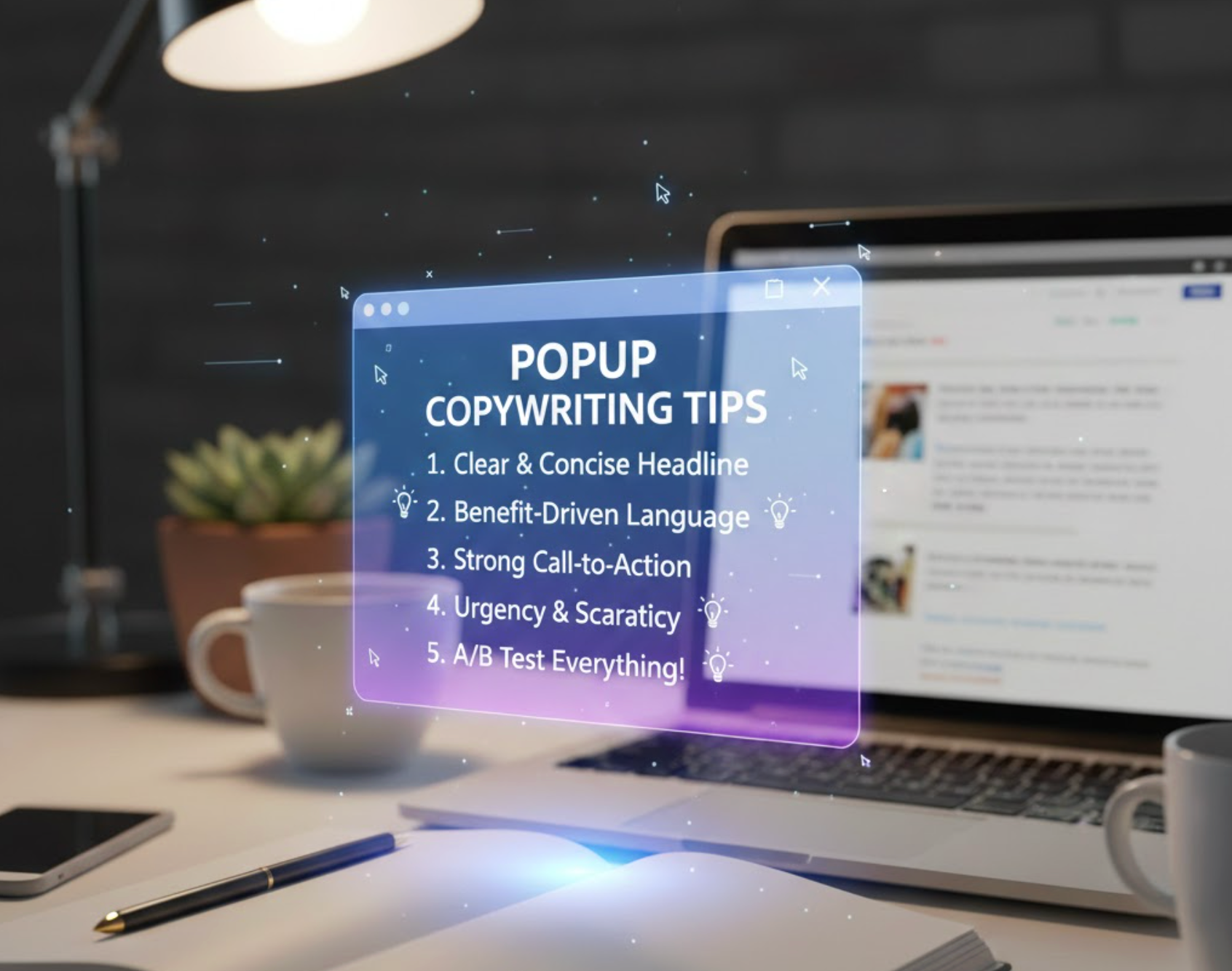
Popups are one of the most visible, and most debated, conversion tools in eCommerce. When executed poorly, they interrupt the shopping experience and frustrate visitors. When written thoughtfully, however, popups can guide shoppers toward the next step at precisely the right moment. In most cases, the difference between a popup that converts and one that gets ignored comes down to the copy.
This guide explores practical, in-depth popup copywriting tips for eCommerce, showing how the right words can transform popups from distractions into meaningful conversion opportunities.
The headline is the first, and often only, part of a popup that visitors read. Because popups interrupt the browsing flow, users instinctively decide within seconds whether the message is worth their attention. If the value is unclear, the popup is dismissed immediately.
Strong popup copy shifts the focus away from what the brand wants and toward what the customer gains. A clear value proposition reassures users that the interruption is intentional and beneficial.
To apply this effectively, focus on the following principles:
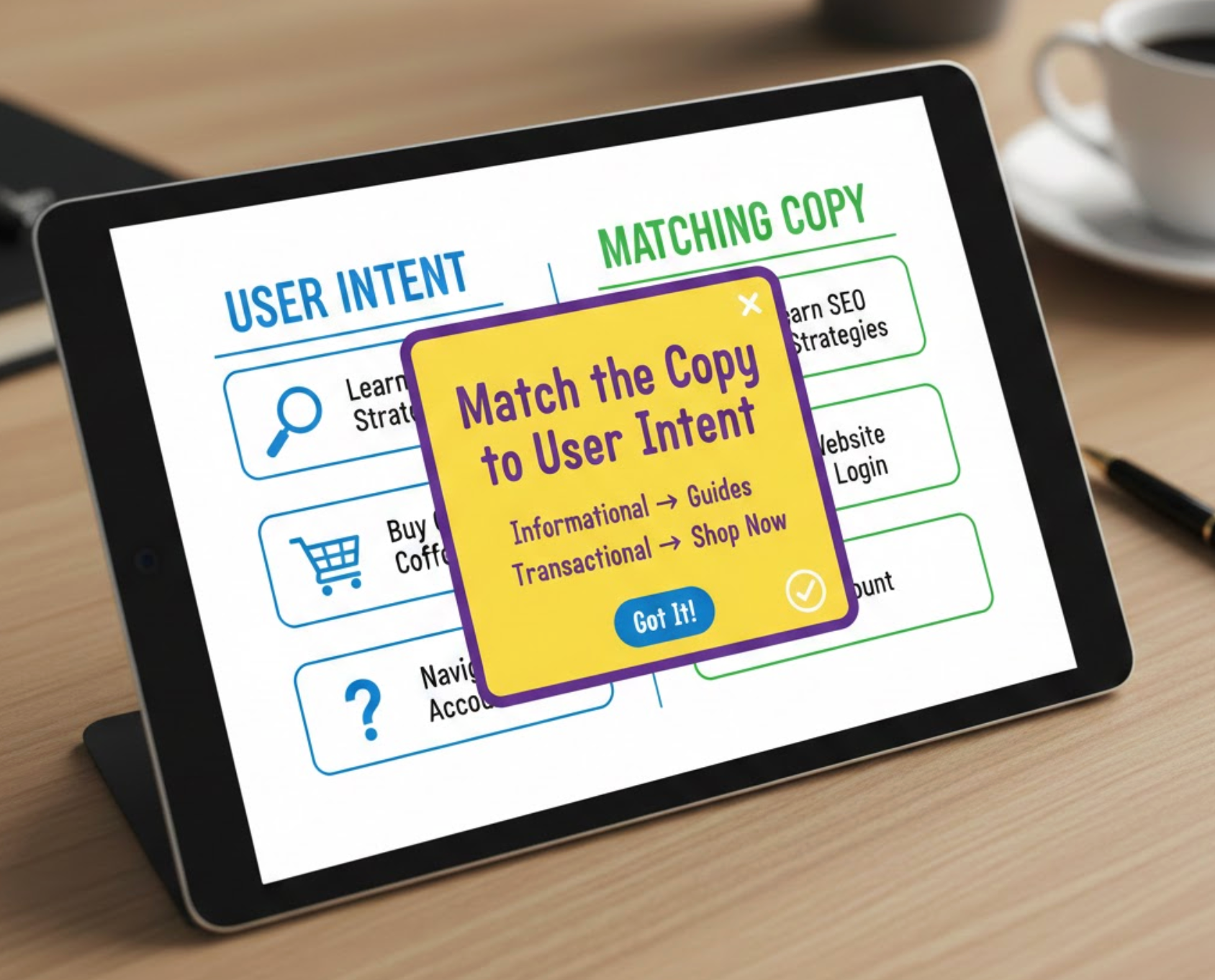
Every visitor arrives at your store with a different goal, and popup copy should reflect that reality. A first-time visitor exploring your brand, a returning customer comparing products, and a shopper hesitating at checkout all require different messaging. When popup copy ignores intent, it feels generic and disruptive.
By aligning your message with where the user is in their journey, the popup feels contextual rather than intrusive. This relevance makes users more receptive to the offer.
From a user experience perspective, this translates into:
Popup visitors rarely read carefully, they scan. If the copy feels dense or overwhelming, even interested users will abandon it. Clear structure and brevity help users grasp the message instantly, especially on mobile screens.
Effective popup copy removes unnecessary explanation and communicates the core message as efficiently as possible, without sacrificing clarity.
To keep the experience intuitive and friction-free, focus on:
The CTA button is not just a functional element, it’s a continuation of the copy. Generic CTAs fail because they don’t reinforce value or intent. A well-written CTA reassures users that clicking leads to something worthwhile.
When the CTA echoes the promise made in the headline, it feels like a natural next step rather than a commitment.
High-performing popups typically share these CTA characteristics:
Even when users like the offer, small doubts can stop them from converting. Concerns about spam, privacy, or hidden commitments often surface right before action. Microcopy helps resolve these concerns quietly and effectively.
These small supporting lines don’t demand attention, but they play a powerful role in building trust at critical moments.
In practice, this means paying close attention to the following details:
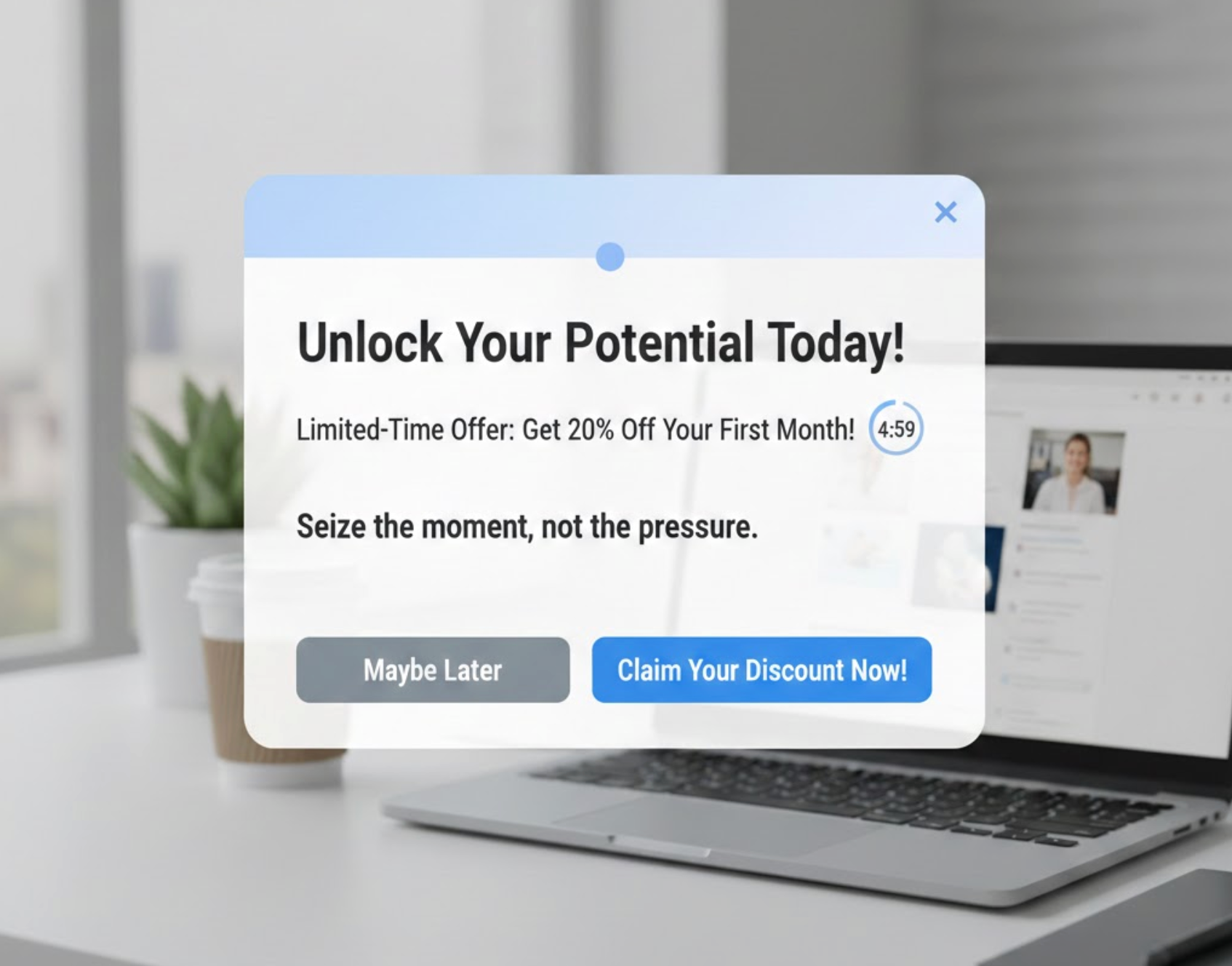
Urgency can increase conversions, but excessive pressure quickly backfires. Shoppers are increasingly skeptical of fake countdowns and exaggerated scarcity. Copy that relies on fear or manipulation often damages credibility.
Effective urgency feels informative, not aggressive. It highlights real constraints while allowing users to feel in control of their decision.
To ensure urgency feels natural rather than forced, consider the following:
Popup copy should sound like it belongs to your brand, not like a generic marketing template. Consistent tone builds familiarity and reinforces trust, especially for returning customers.
When popup copy feels human and conversational, it reduces resistance and strengthens emotional connection, often more effectively than discounts alone.
This approach works best when supported by the elements below:
Popup copywriting is never truly finished. Small changes in wording, tone, or framing can produce meaningful improvements in performance. Testing allows you to refine messaging based on real behavior, not assumptions.
By improving one copy element at a time, you can steadily increase conversions without disrupting the overall experience.
To maximize engagement and long-term performance, prioritize the following:
Successful eCommerce popups don’t rely on aggressive tactics or flashy designs. They succeed because the copy respects the shopper’s time, aligns with intent, and communicates value clearly. When every word has a purpose, popups stop feeling like interruptions and start feeling like guidance.
By investing in thoughtful, user-centered popup copywriting, eCommerce brands can turn fleeting moments of attention into meaningful actions, and lasting results.