New to Shopify? Free trial, then $1/month for your first 3 months. Start free trial →
 Where is your store?
Ryviu works with both – pick yours to continue.








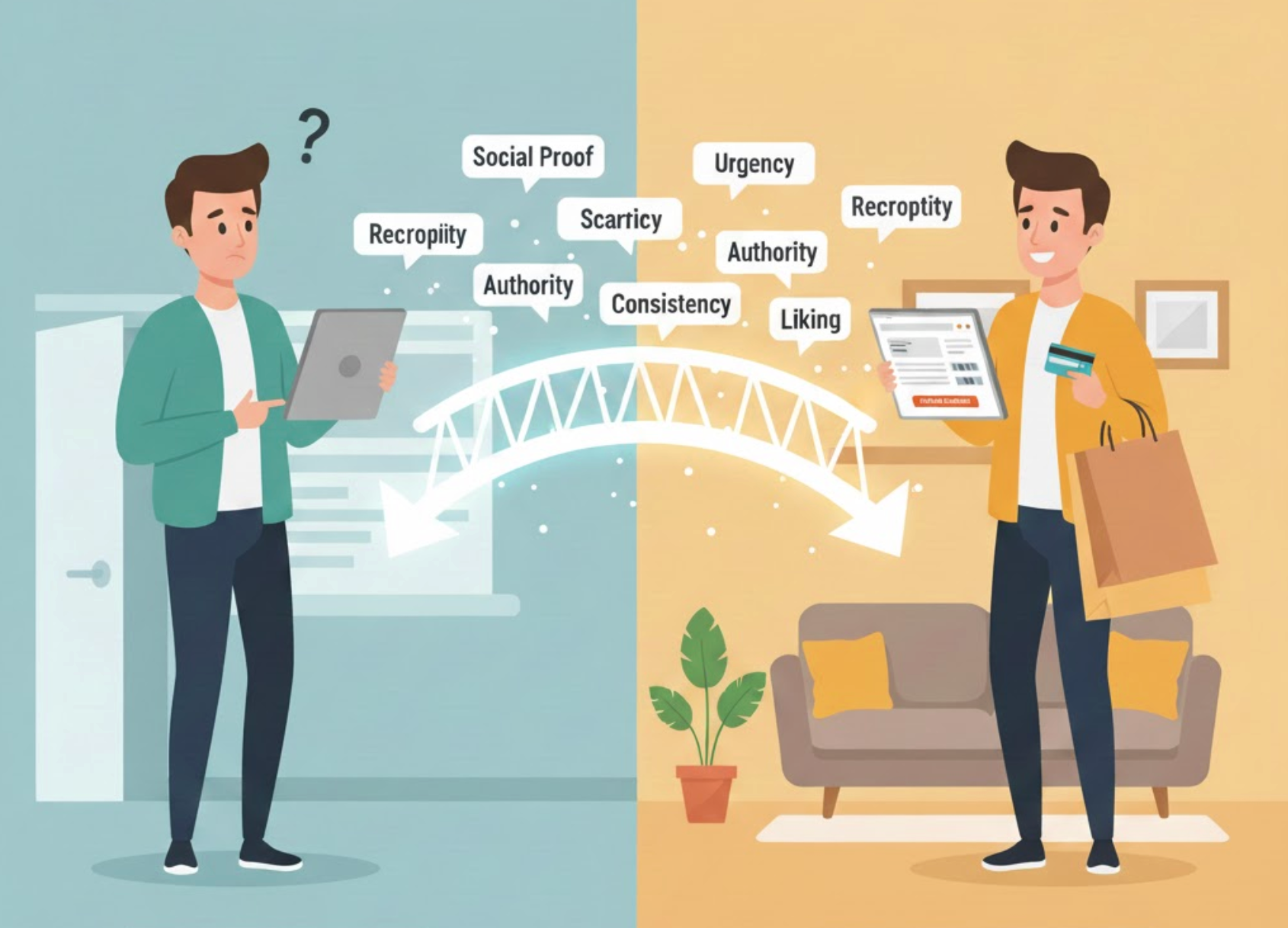
Driving traffic to your website is an achievement, but conversion is where real growth happens. Visitors arrive with questions, doubts, and limited attention, and they decide quickly whether to stay or leave. Persuasion plays a critical role in this moment, not by pushing people to buy, but by helping them feel informed, safe, and confident.
Effective persuasion works by reducing friction, clarifying value, and aligning your message with natural human behavior. When done well, it guides visitors forward without pressure or manipulation. Below are twelve proven persuasion techniques that help transform passive browsing into confident purchasing.
When people are unsure, they look to others for reassurance. Social proof reduces uncertainty by showing visitors that real customers have already trusted your product and had positive experiences.
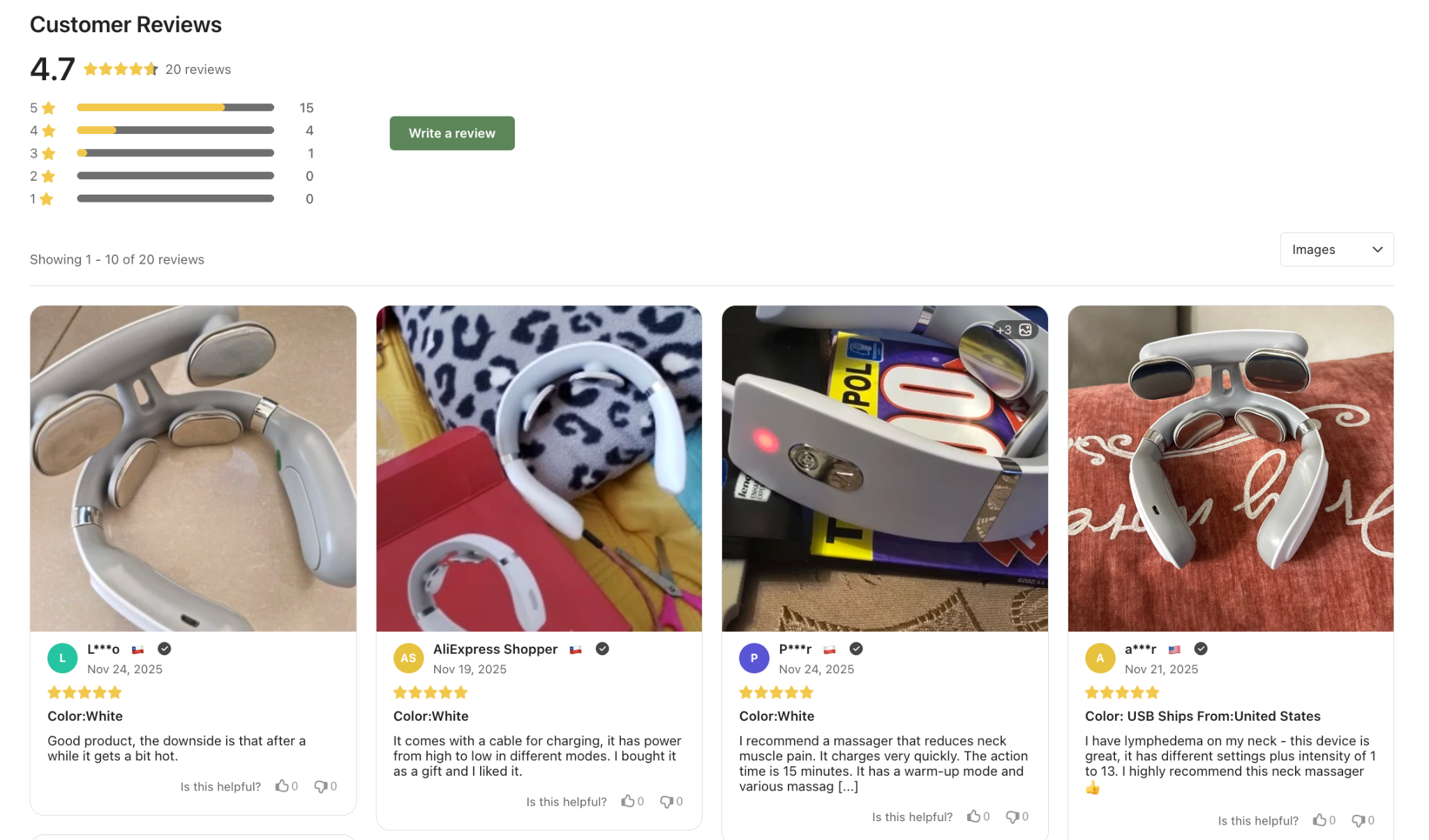
This technique is especially powerful for new visitors who lack prior familiarity with your brand. Instead of relying on marketing claims, social proof allows your audience to see evidence of satisfaction in real-world contexts. It quietly answers the question, “Will this work for someone like me?”
Social proof can appear in several effective forms:
Authority builds trust by signaling expertise and credibility. When visitors believe your brand understands the problem deeply, they feel more comfortable accepting your recommendations.
You don’t need to be the biggest brand in your industry to establish authority. Clear explanations, confident language, and external validation all contribute to the perception that your business knows what it’s doing. Authority reassures visitors that they are in capable hands.
You can strengthen authority by clearly showing:
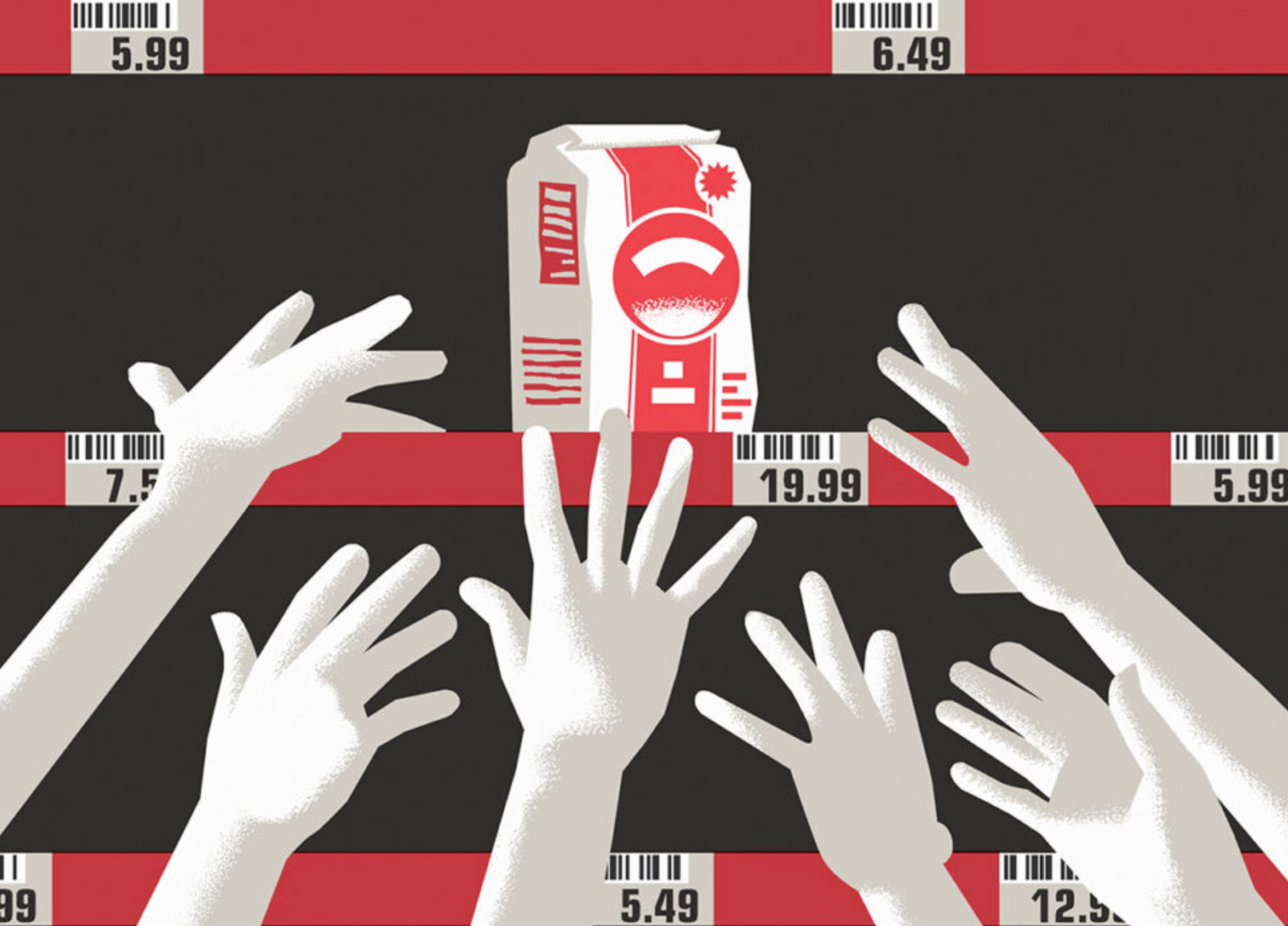
Scarcity motivates action by reminding visitors that opportunities are not always unlimited. When something feels rare or time-sensitive, people are less likely to delay their decision.
This technique works best when it reflects real constraints rather than artificial pressure. Honest scarcity creates urgency without damaging trust. When visitors believe the limitation is genuine, it helps them prioritize the decision.
Common and effective scarcity cues include:
Reciprocity is rooted in the natural desire to return value when we receive it. In eCommerce, offering help or insight before asking for a sale builds goodwill and trust.
When visitors feel supported rather than targeted, they become more open to engagement. Giving first demonstrates confidence in your product and respect for the customer’s needs. This approach lowers resistance and builds positive momentum.
Reciprocity can be applied by offering:
No persuasion technique works if visitors are confused. When people don’t understand what you offer, who it’s for, or how it helps them, they leave.
Clarity reduces cognitive effort and allows visitors to make decisions faster. Clear messaging removes friction and builds trust by showing that your brand respects the customer’s time. Often, simplifying your message converts better than adding more persuasive language.
Clarity improves when you:
People prefer to stay consistent with actions they’ve already taken. Small commitments make larger decisions feel more natural and less risky.
Instead of asking visitors to buy immediately, this technique encourages gradual engagement. Each small step increases comfort and investment, making the final conversion feel like a logical next move rather than a leap.
You can encourage commitment through:
While logic helps justify decisions, emotion drives them. Emotional framing connects your product to how people want to feel, not just what they want to achieve.
This technique works by highlighting emotional outcomes such as relief, confidence, security, or excitement. When visitors emotionally relate to the result, the decision feels personal and meaningful rather than transactional.
Emotional framing is often expressed through:
People are more motivated to avoid losing something than to gain something new. Loss aversion reframes the decision around what visitors might miss if they don’t act.
When used responsibly, this technique helps visitors recognize the hidden cost of inaction. It should feel informative, not threatening, and highlight realistic consequences rather than exaggerated fears.
Loss aversion can be applied by:
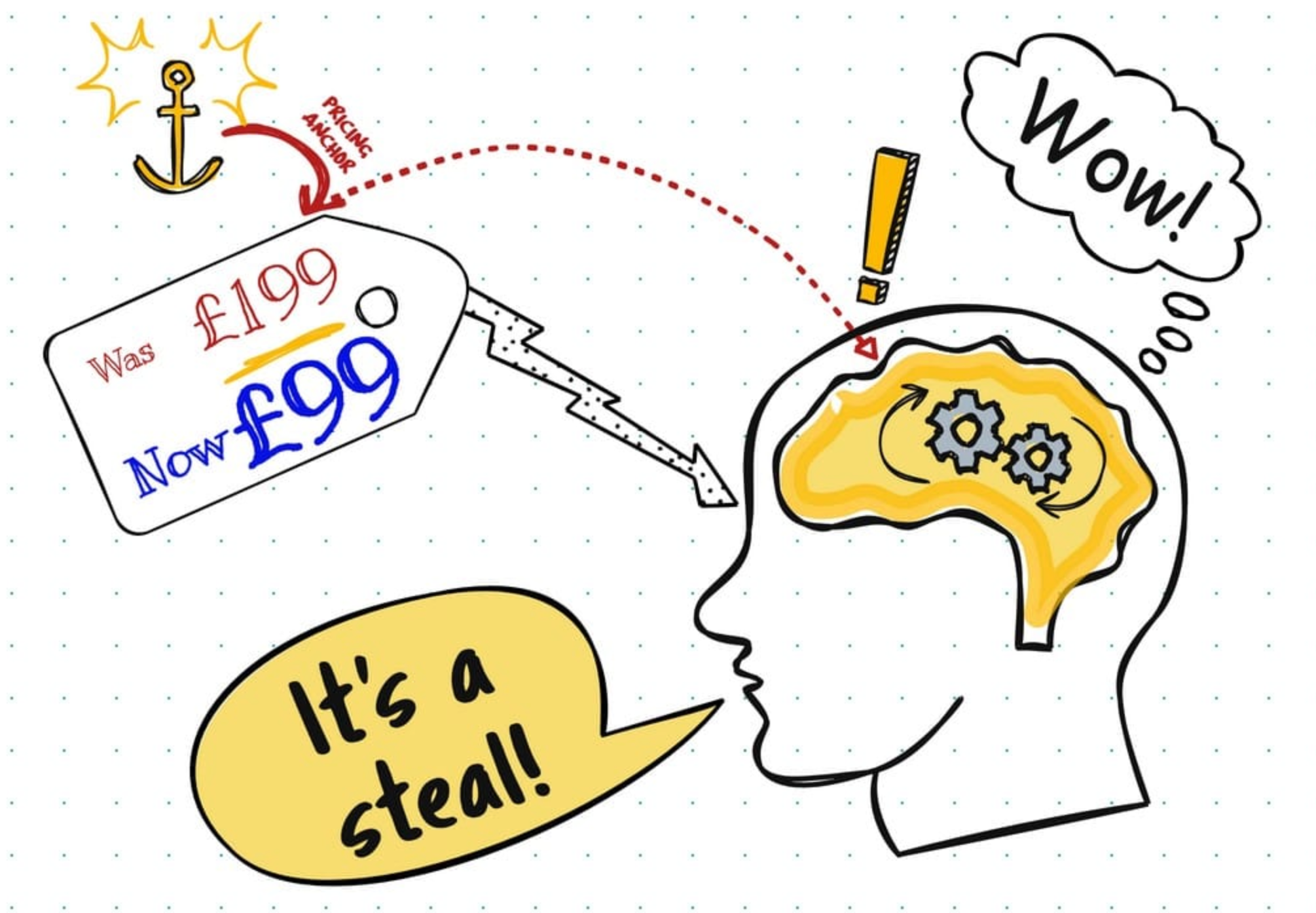
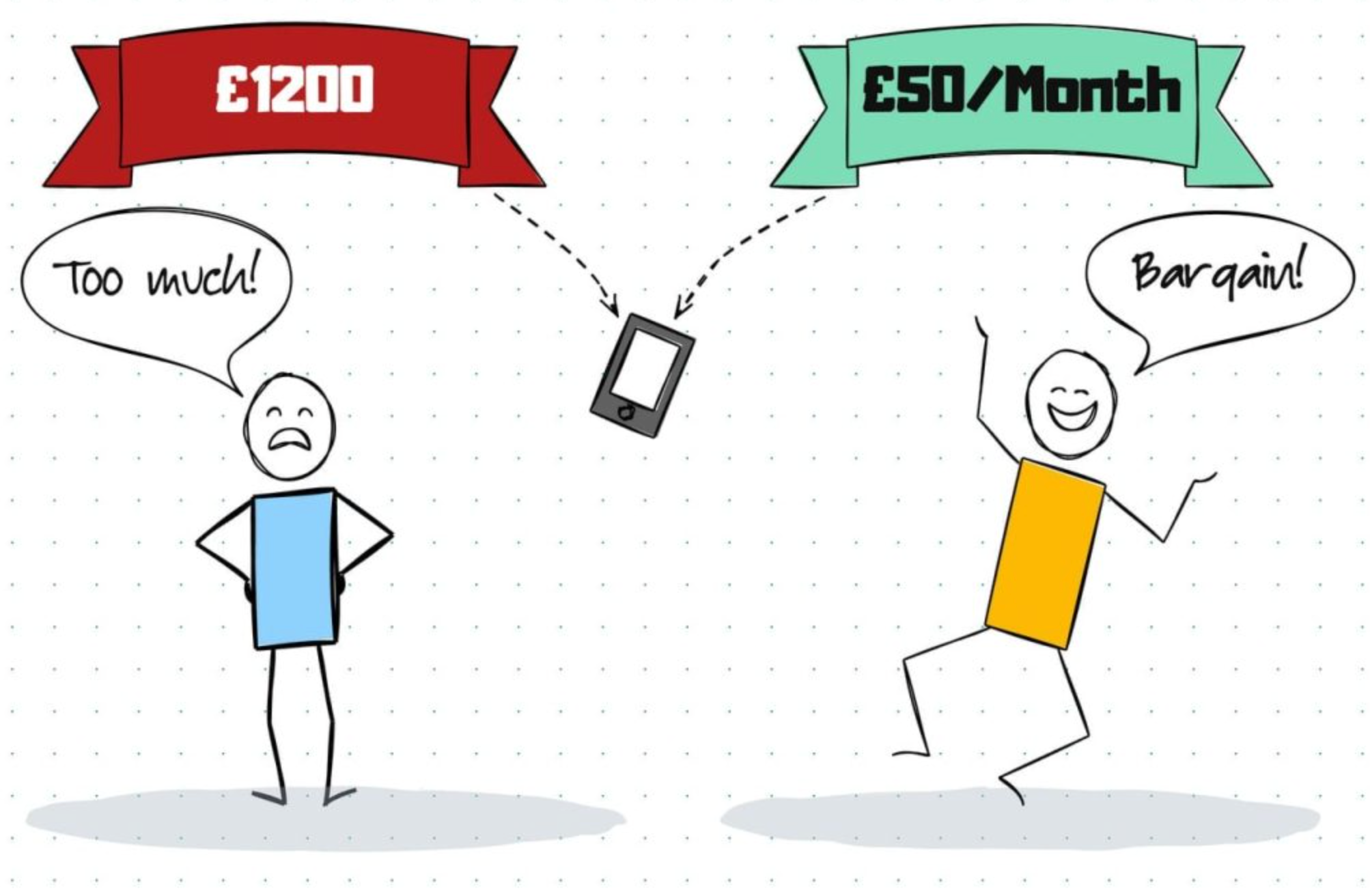
Anchoring influences perception by providing a reference point for comparison. Once visitors see an initial number or option, everything else is evaluated relative to it.
In eCommerce, anchoring helps define value rather than leaving visitors to guess. When used strategically, it makes prices feel more reasonable and options easier to compare.
Anchoring commonly appears through:
Every additional step in the buying process creates an opportunity for hesitation. Reducing friction removes unnecessary barriers that prevent visitors from moving forward.
Simple experiences feel easier, safer, and more trustworthy. When the path to purchase is clear, visitors spend less time thinking and more time acting.
Friction can be reduced by:
Visual hierarchy controls where attention goes first and how information is processed. It helps visitors understand what matters most without reading everything.
Good hierarchy creates flow and focus rather than noise. It guides users naturally from headline to value proposition to action, making the experience feel effortless.
Strong visual hierarchy relies on:
Trust is the foundation that supports all persuasion. Without trust, even the strongest message fails to convert.
Trust signals reduce fear, especially during high-risk moments like checkout. They reassure visitors that your business is legitimate, secure, and customer-oriented.
Effective trust signals typically include:
Persuasion is not about convincing visitors to do something they don’t want to do. It’s about helping them feel confident, informed, and comfortable with their decision. The most effective techniques work subtly by removing doubt and guiding understanding.
When clarity, trust, emotion, and ease work together, conversion becomes a natural outcome. Visitors don’t feel pushed, yet they feel ready.