New to Shopify? Free trial, then $1/month for your first 3 months. Start free trial →
 Where is your store?
Ryviu works with both – pick yours to continue.








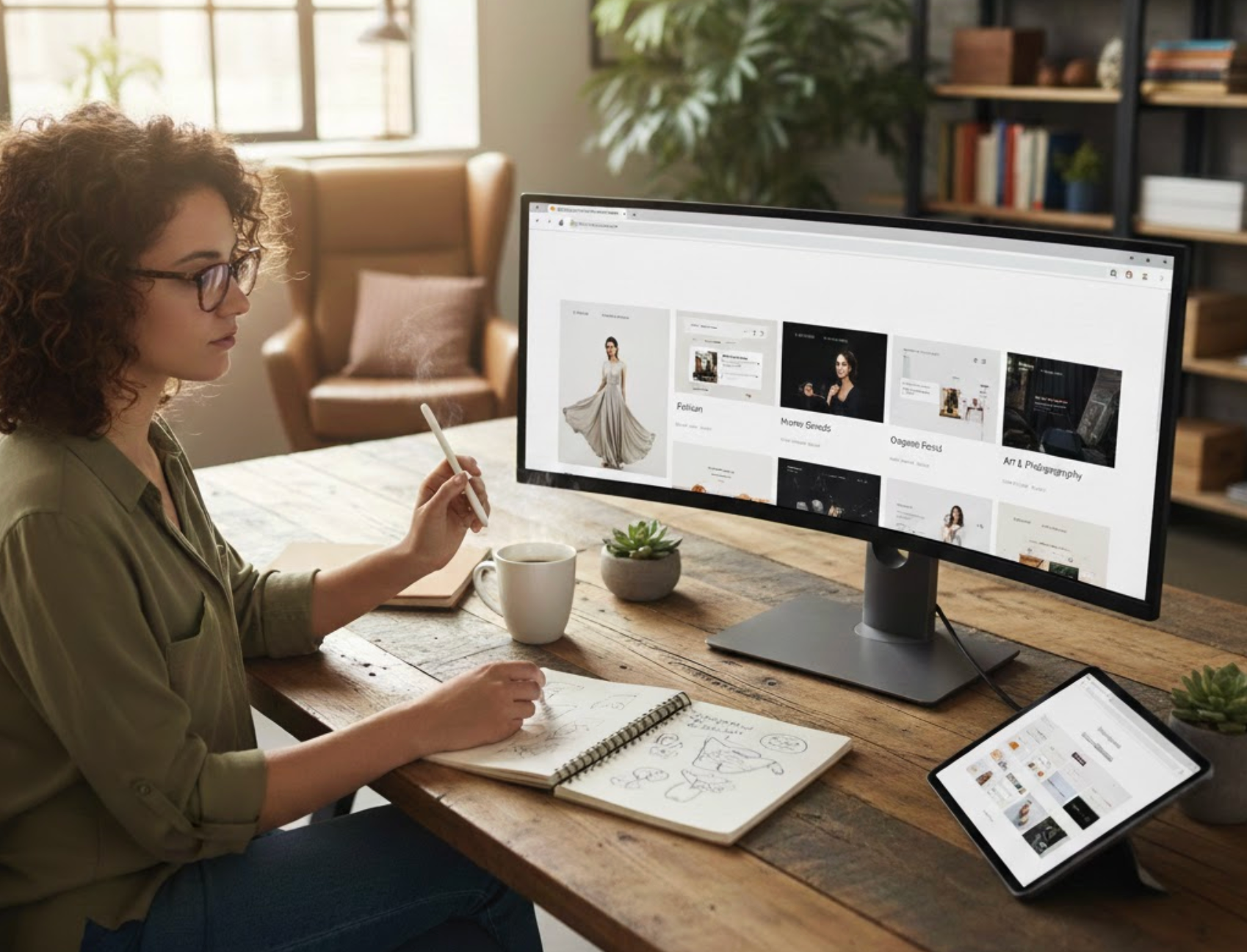
Choosing a WooCommerce theme is one of the most important decisions you’ll make when building an online store. While design often gets the most attention, the reality is that your theme impacts performance, usability, conversions, and long-term scalability. A poorly chosen theme can slow down your site, break essential functionality, and create friction at critical buying moments. To make the right choice, it’s essential to focus on what truly affects customer experience and business growth.
Below are the factors that matter most when selecting a WooCommerce theme.
A WooCommerce theme should be built specifically to support ecommerce functionality, not simply adapted after the fact. True compatibility ensures that product pages, carts, checkout flows, and customer accounts work seamlessly without layout issues or conflicts. Themes that only claim WooCommerce support often rely on workarounds, which can break when updates are released. Over time, this creates technical debt and increases maintenance costs.
To avoid these issues, look for themes that offer native and consistent WooCommerce support across all core pages.
Theme performance directly impacts how users perceive your store. Slow-loading pages increase bounce rates, reduce trust, and negatively affect search rankings. Many WooCommerce themes sacrifice speed for visual effects, animations, and bundled features that rarely improve conversions. A fast, lightweight theme creates a smoother shopping experience and supports higher revenue.
After confirming compatibility, evaluating how efficiently a theme performs should be your next priority.
Mobile commerce now dominates online shopping behavior. If your theme isn’t optimized for mobile users, you’re likely losing a significant portion of potential sales. A mobile-first theme ensures navigation, product browsing, and checkout feel intuitive on smaller screens. Responsive design alone isn’t enough, mobile usability must be intentional.
For this reason, mobile behavior should be evaluated as carefully as desktop design.
Product pages are where visitors decide whether to buy or leave. A well-structured WooCommerce theme presents information clearly and reduces cognitive load. Overly decorative layouts can distract users and bury essential details like pricing, reviews, and shipping information. Clear hierarchy builds confidence and speeds up decision-making.
Because product pages drive revenue, their layout deserves deliberate attention.
The cart and checkout are the most sensitive stages of the customer journey. Even small design flaws or distractions can cause abandonment. A good WooCommerce theme minimizes friction by keeping layouts clean and guiding users smoothly toward completion. Overcomplicated designs often hurt conversions more than they help.
At this stage, the goal is to remove obstacles and maintain momentum.
No WooCommerce store stays static forever. As your business grows, you’ll add plugins for reviews, marketing, optimization, and fulfillment. A flexible theme ensures these additions integrate smoothly without conflicts or redesigns. Themes that rely heavily on proprietary systems limit your ability to scale.
To support growth, your theme should work as a stable foundation rather than a limitation.
Customization should empower store owners, not overwhelm them. A well-designed WooCommerce theme allows you to adjust layouts, colors, and typography without writing code. When simple changes require developer support, costs and frustration increase quickly. Ease of customization directly affects how fast you can adapt to business needs.
The best themes balance flexibility with simplicity.
A WooCommerce theme is a long-term investment, not a one-time purchase. WooCommerce and WordPress update frequently, and your theme must keep pace to remain secure and functional. Themes with poor support or infrequent updates increase the risk of bugs and compatibility issues. Reliable developers help protect your store over time.
Before committing, it’s important to evaluate the team behind the theme.
While SEO plugins handle many optimization tasks, your theme provides the structural foundation. Poor markup and hierarchy can limit how effectively search engines understand your content. Clean structure improves crawlability, accessibility, and page performance. An SEO-friendly theme supports sustainable organic traffic growth.
Strong structural choices benefit both users and search engines.
Many WooCommerce themes attempt to offer every possible feature out of the box. While this can look appealing, it often leads to bloated code, slower performance, and confusing configuration. Most stores only need a focused set of core features to succeed. Simpler themes paired with purpose-built plugins usually deliver better results.
When evaluating themes, it’s often better to prioritize restraint over abundance.
WooCommerce theme selection should be driven by usability, performance, and long-term flexibility—not visual novelty. A theme that loads quickly, integrates cleanly with plugins, and guides shoppers smoothly toward purchase will consistently outperform visually heavy alternatives. By focusing on what actually matters, you build a store that converts better, scales more easily, and remains reliable as your business grows.