New to Shopify? Free trial, then $1/month for your first 3 months. Start free trial →
 Where is your store?
Ryviu works with both – pick yours to continue.








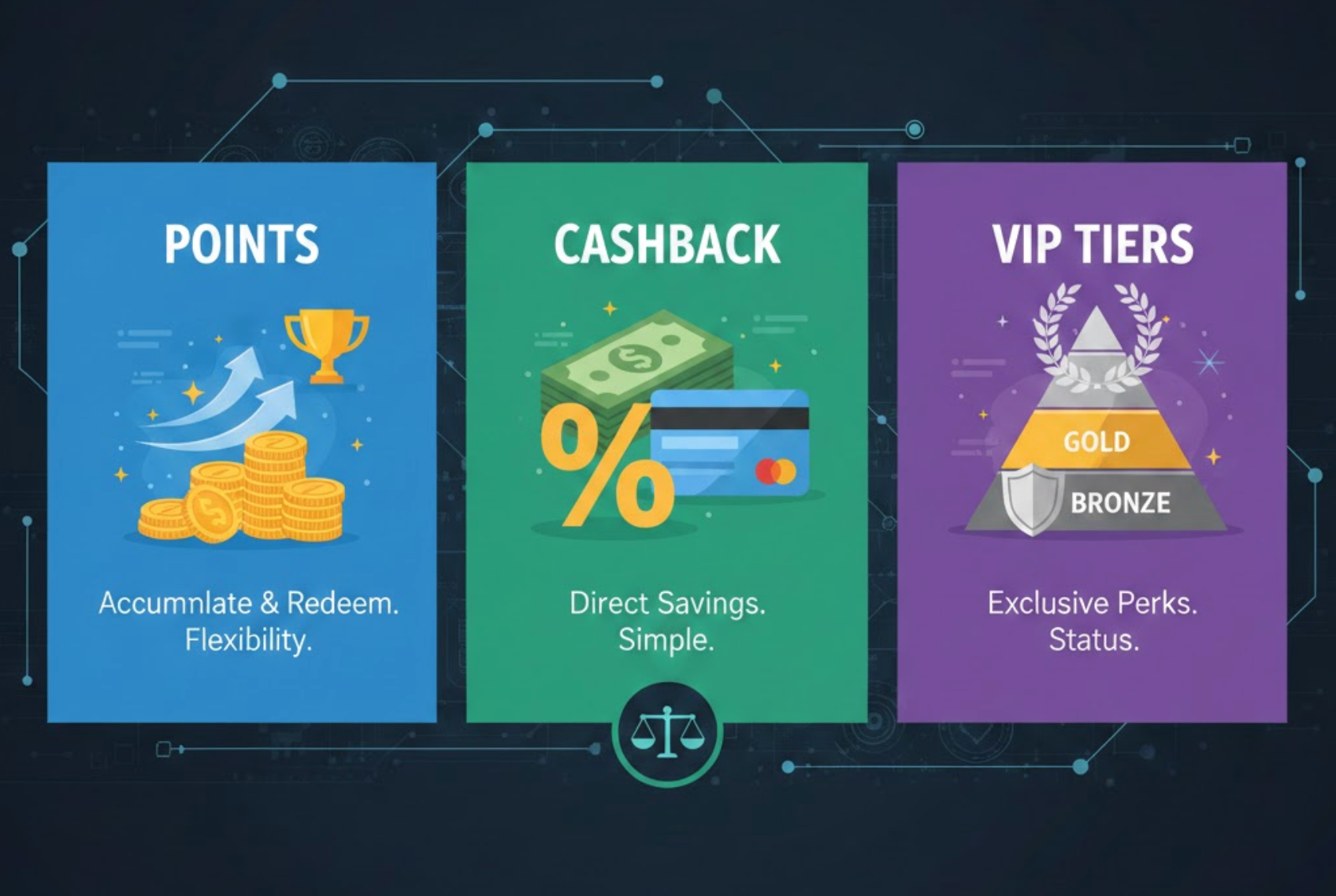
Loyalty programs have become one of the most powerful tools for ecommerce growth. Instead of focusing only on one-time conversions, brands are investing in long-term customer relationships that increase repeat purchases, customer lifetime value, and brand advocacy. However, choosing the right loyalty structure can be challenging because not all reward systems drive the same behavior.
Three of the most popular loyalty models today are points programs, cashback rewards, and VIP tier systems. Each approach influences customer motivation differently, from encouraging frequent engagement to building emotional loyalty and status recognition. Understanding how these systems work, and when to use each one, helps businesses design loyalty strategies that align with their brand goals and customer expectations.
This article compares points vs cashback vs VIP tiers in detail, exploring how they work, their benefits and limitations, and which businesses they suit best.
Before comparing effectiveness, it’s important to understand how each program functions and the type of customer behavior it encourages.
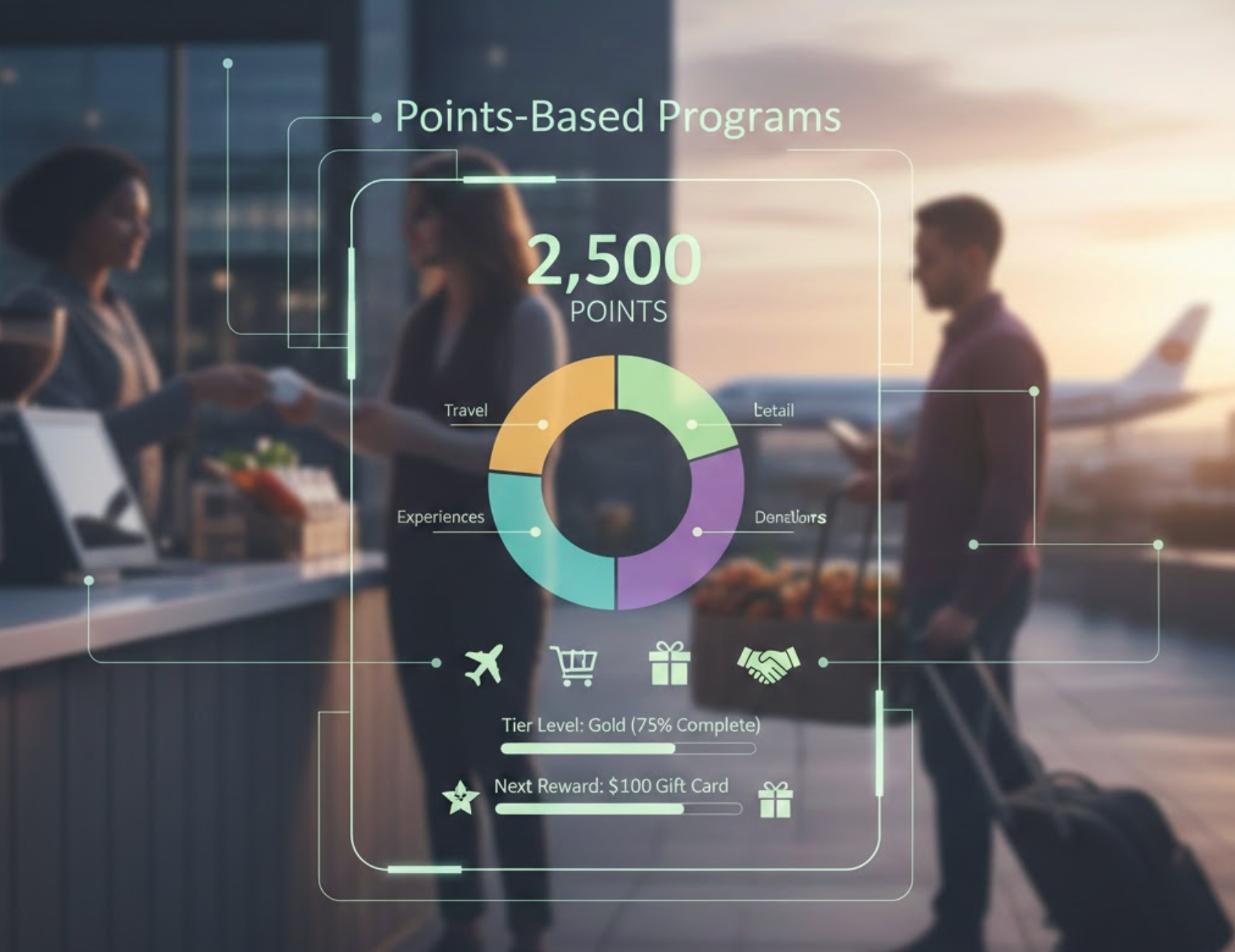
Points programs reward customers with points for actions such as purchases, reviews, referrals, or social engagement. Customers can later redeem these points for discounts, free products, or exclusive perks.
The main strength of points systems lies in flexibility. Brands can incentivize multiple behaviors beyond purchases, turning loyalty into a continuous engagement loop rather than a single transaction. Because customers accumulate points gradually, they often feel motivated to return to complete rewards they have already started earning.
Points programs also allow brands to create gamified experiences. Features like milestones, bonus points campaigns, or limited-time rewards can encourage customers to engage more frequently and develop a habit of interacting with the store.
However, points programs require clear communication. If customers find the redemption process confusing or the rewards too distant, engagement may drop.
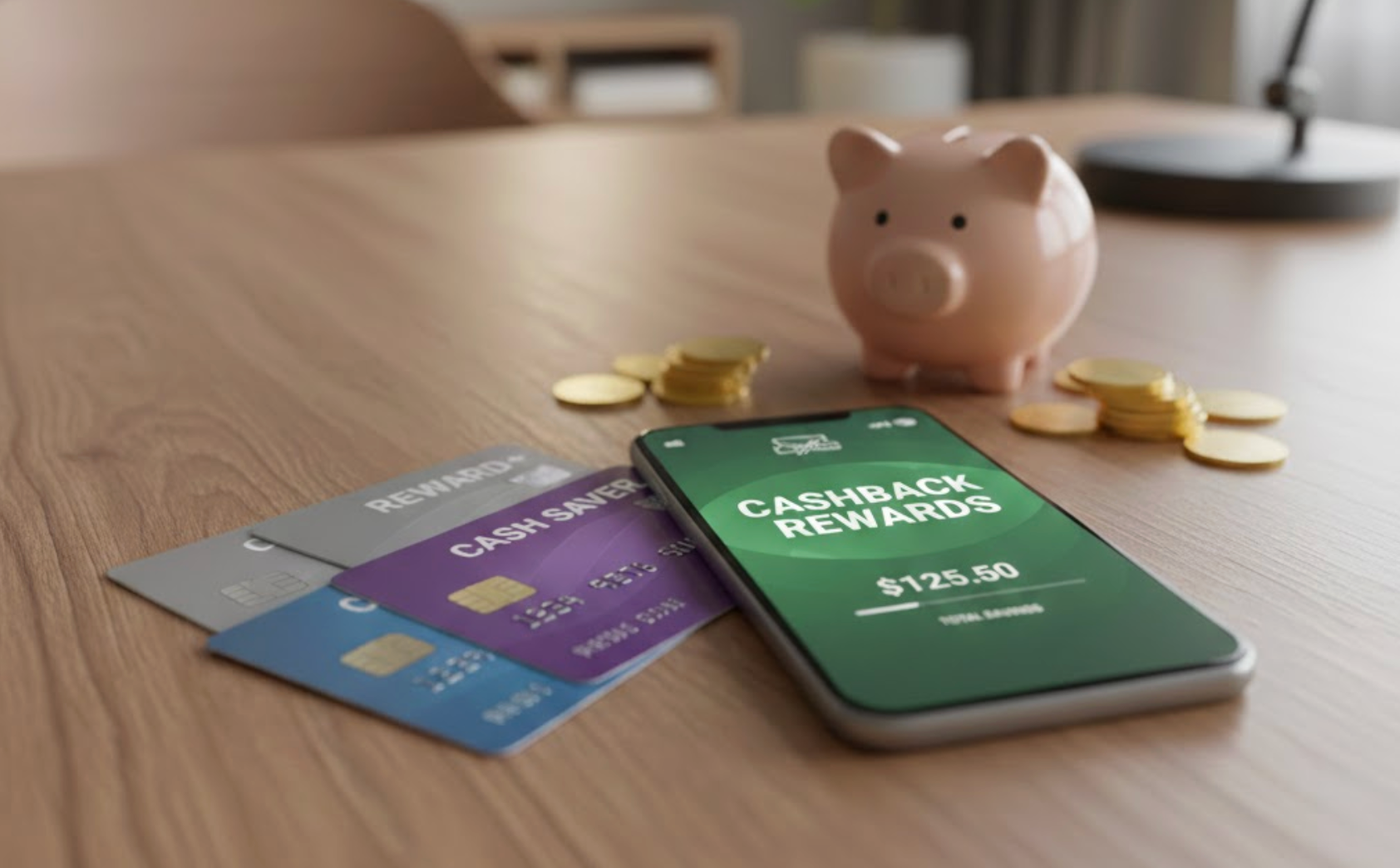
Cashback programs give customers a percentage of their purchase value back as store credit, discounts, or even direct monetary returns. The reward structure is simple: spend money and receive a portion back.
This model appeals strongly to price-conscious shoppers who value immediate financial benefits. Because cashback is easy to understand, it reduces decision friction and makes customers feel like they are saving money with every purchase. For new eCommerce stores, cashback can be an effective tool to encourage initial repeat purchases.
Another advantage is transparency. Customers instantly understand the value of their reward, which can improve trust and perceived fairness. Cashback programs are also easy to calculate and promote in marketing campaigns.
On the downside, cashback may not create strong emotional attachment to a brand. Customers may become loyal to the discount rather than the experience, meaning they might switch to competitors offering better deals.
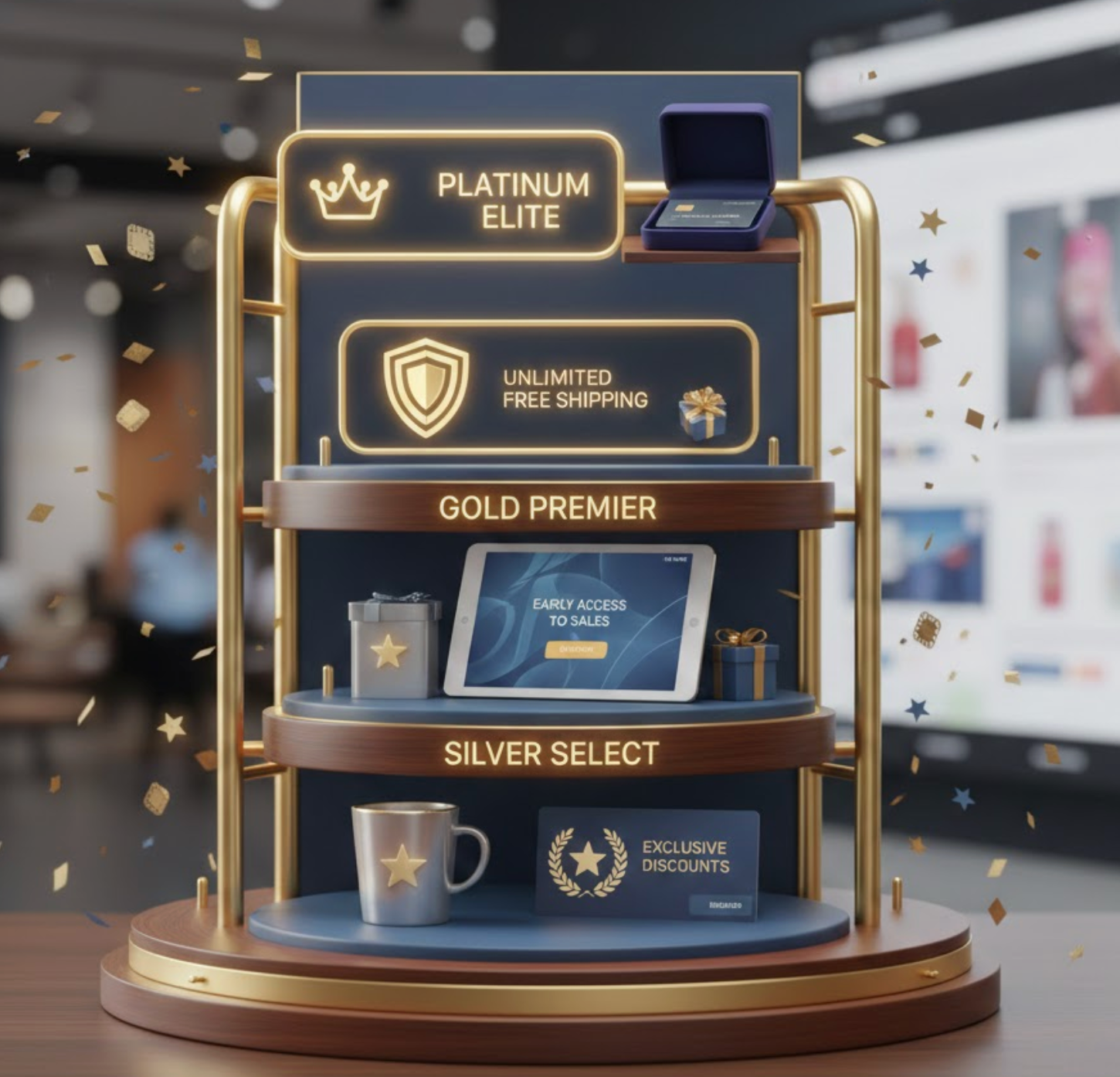
VIP tiers reward customers based on their cumulative spending or engagement level. As customers move up tiers, such as Silver, Gold, or Platinum, they unlock increasingly valuable perks like early access, exclusive products, free shipping, or personalized service.
VIP programs focus on status and exclusivity rather than simple rewards. Customers feel recognized and appreciated, which builds emotional loyalty and encourages long-term relationships. This model works particularly well for brands that want to create a premium image or foster strong community engagement.
Another benefit is behavioral motivation. Customers often increase spending to reach the next tier level, especially when benefits feel meaningful and exclusive.
However, VIP programs require careful planning. If tier requirements are too difficult to reach, customers may feel discouraged. Conversely, if tiers are too easy, the perceived exclusivity may disappear.
Different loyalty structures perform better depending on what your business aims to achieve. Here’s how each model compares across common ecommerce objectives.
Cashback programs often drive quick repeat purchases because customers want to use their earned credit soon. Points programs also encourage repeat behavior through accumulation and redemption cycles.
VIP tiers, however, promote long-term purchasing habits. Instead of focusing on immediate rewards, customers remain loyal to maintain or upgrade their status over time.
Best choice:
Points programs typically outperform others in engagement because they reward multiple actions beyond buying. Customers can earn rewards through reviews, referrals, or social sharing, creating more touchpoints with the brand.
VIP tiers also encourage engagement, particularly through exclusive experiences or community-focused perks. Cashback programs, however, mainly focus on purchasing behavior rather than broader interactions.
Best choice:
VIP tiers excel at building emotional attachment. Recognition, exclusivity, and status-based rewards make customers feel valued rather than simply incentivized by discounts.
Points programs can also foster emotional loyalty when combined with personalized rewards or milestone celebrations. Cashback programs, while effective for sales, may struggle to build deeper brand connections because they emphasize financial benefits over experience.
Best choice:
Cashback is the simplest loyalty model for customers to understand. A clear percentage back on purchases requires minimal explanation and reduces confusion.
Points programs can become complex if conversion rates or redemption rules are unclear. VIP tiers require explanation but are generally easy to grasp once customers understand the benefits of each level.
Best choice:
Points programs offer flexible cost control because brands can adjust point values, expiration rules, and redemption options. VIP tiers can be profitable by rewarding high-value customers while encouraging increased spending.
Cashback programs, however, have direct financial costs tied to each transaction. Without careful planning, they may reduce profit margins.
Best choice:
Cashback programs often work well for new brands trying to build initial trust and encourage repeat purchases. Their simplicity helps customers quickly understand the benefits.
Points programs are also suitable if the brand wants to encourage engagement and build community early on.
Points programs offer scalability and flexibility, making them ideal for businesses looking to increase engagement, gather reviews, and encourage referrals.
Many growing brands also introduce basic VIP tiers to reward their most loyal customers and strengthen retention.
VIP tier programs are especially effective for premium brands that focus on exclusivity and personalized experiences. Status-based rewards align well with luxury positioning and long-term customer relationships.
Points programs can still support engagement, but VIP tiers often become the central loyalty strategy.
Cashback programs may be most effective for retailers competing on price and promotions. Customers in these markets often prioritize immediate savings over long-term status benefits.
In reality, many successful ecommerce brands combine all three models to maximize impact. A hybrid approach might include:
This layered strategy allows brands to appeal to different customer motivations simultaneously, financial savings, gamification, and status recognition.
Managing multiple loyalty structures manually can become complicated, which is why many Shopify merchants use specialized loyalty apps.
Install Reton Loyalty & Rewards App is one example that supports points, cashback-style rewards through discount redemption, and VIP tiers within one system. The platform allows customers to earn points by completing tasks or purchases and redeem them for discounts, while VIP levels unlock exclusive perks for top shoppers.
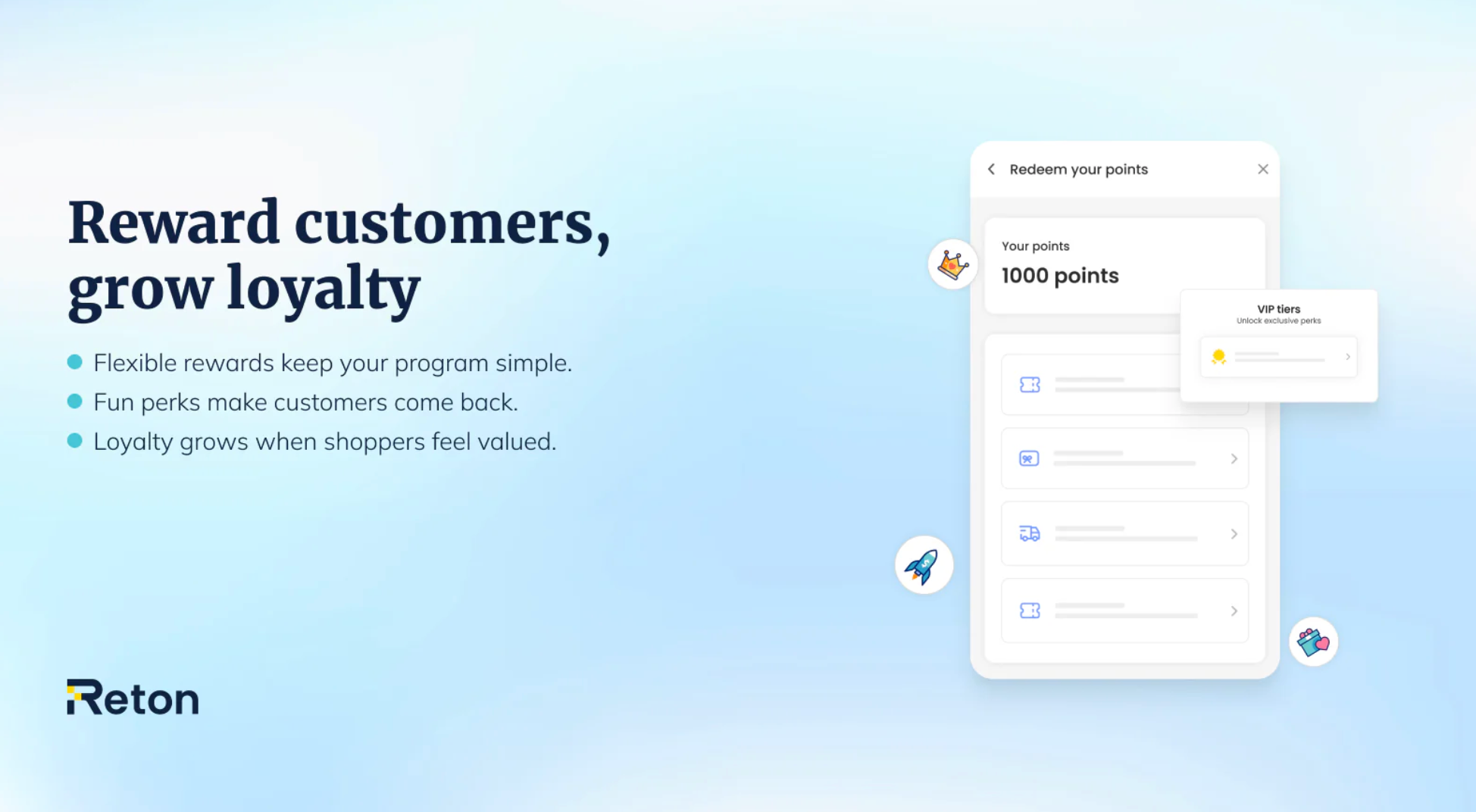
Key advantages of using a tool like Reton include:
Using a unified loyalty platform simplifies management and helps businesses experiment with different reward models without building separate systems.
There is no single loyalty program that works best for every business. Points programs excel at driving engagement and flexibility, cashback programs are effective for quick repeat purchases and simplicity, and VIP tiers build deep emotional loyalty and long-term retention.
The most effective strategy depends on your brand positioning, customer behavior, and growth stage. Businesses focused on rapid sales growth may prefer cashback, while brands aiming for community engagement may lean toward points systems. Premium brands often benefit most from VIP tiers that emphasize exclusivity and recognition.