New to Shopify? Free trial, then $1/month for your first 3 months. Start free trial →
 Where is your store?
Ryviu works with both – pick yours to continue.








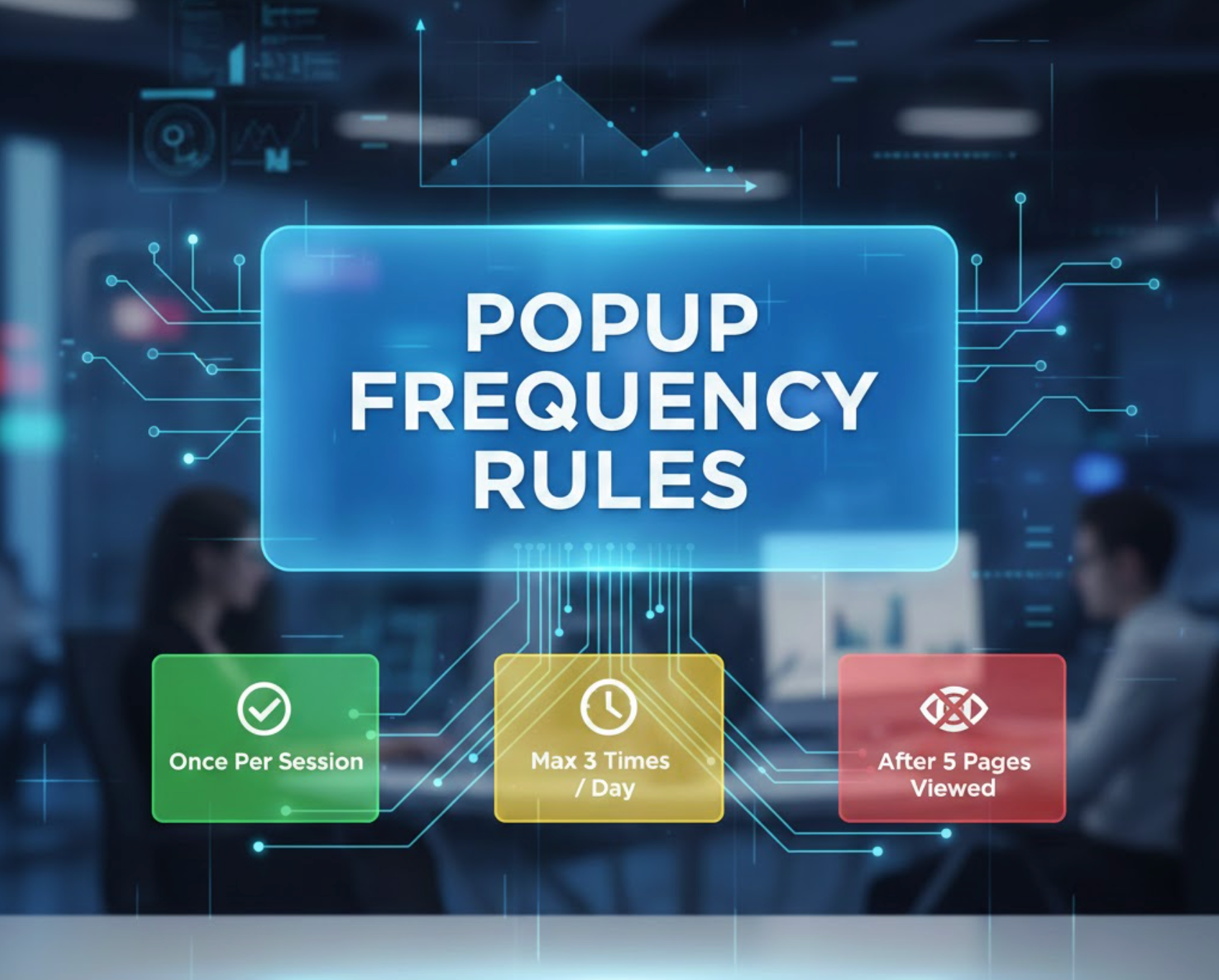
Popups are one of the most effective tools eCommerce stores use to capture leads, promote offers, and guide shoppers toward conversion. However, their effectiveness depends heavily on how often and when they appear. When popups are shown too frequently or without clear logic, they quickly shift from being helpful to becoming disruptive.
Instead of encouraging engagement, excessive or poorly timed popups frustrate visitors, reduce time on site, and can even harm brand perception. That’s why having clear popup frequency rules is essential. In this article, we’ll explore why popup frequency matters, the key rules every store should follow, and how to apply them thoughtfully to improve conversions without damaging user experience.
It’s easy to assume that popup success comes down to strong visuals, catchy copy, or an attractive discount. While those elements matter, frequency often has a much bigger impact on performance. Even the most beautifully designed popup will fail if it interrupts users too often or appears at the wrong moment.
Popup frequency directly influences how shoppers feel while browsing your store. When popups are controlled and well-timed, they feel like helpful prompts that support decision-making. When they are overused, they feel intrusive and pushy. Over time, poor frequency management can lead to lower engagement, higher bounce rates, and reduced trust in your brand.
In many cases, improving popup frequency delivers better results than redesigning the popup itself.
Showing a popup the instant someone lands on your site is one of the most common, and costly, mistakes. At that moment, visitors are still orienting themselves. They haven’t had a chance to understand what you sell, who your brand is, or whether your store is relevant to their needs.
An immediate interruption often triggers a reflexive close, or worse, an instant exit. To make popups feel more natural, users need time to engage first. Even a short delay can dramatically change how a popup is perceived.
To apply this rule effectively, focus on allowing a brief exploration window before introducing any popup.
Repeating the same popup multiple times during a single visit is rarely effective. If a visitor closes a popup, they are signaling that they’re not interested, or not ready, at that moment. Showing it again during the same session usually creates frustration rather than persuasion.
Session-based limits help maintain a sense of control for the user. They also prevent popups from dominating the browsing experience. Visitors are far more likely to stay engaged when they don’t feel constantly interrupted.
In practice, this means treating a single visit as one opportunity, not multiple attempts.
Returning visitors already have some level of familiarity with your store. Showing the same popup every time they return can feel repetitive and unnecessary, especially if they’ve already dismissed it before.
Longer frequency gaps help prevent popup fatigue and keep offers feeling fresh. They also give you the opportunity to change messaging or present more relevant offers based on where the shopper is in their journey.
To keep engagement high without overexposure, spacing matters.
Not all popups serve the same purpose, so they shouldn’t follow identical frequency rules. A high-impact discount popup requires more restraint than a small informational message, while exit-intent popups should be handled differently from welcome offers.
Matching frequency to intent helps ensure that important messages stand out instead of competing with each other. It also reduces cognitive overload, making the browsing experience feel more intentional and organized.
High-performing stores typically align popup frequency with the value and urgency of the message.
Popup stacking, where one popup appears immediately after another, is a fast way to overwhelm users. Even if each popup is relevant on its own, showing them back-to-back creates friction and disrupts the browsing flow.
From a user experience perspective, less is almost always more. Limiting popup overlap helps maintain clarity and keeps shoppers focused on what matters most.
Clear prioritization is key here.
Mobile users experience popups very differently than desktop users. Smaller screens, touch-based navigation, and limited space make interruptions feel more intrusive. A popup that feels acceptable on desktop may be frustrating on mobile.
To protect mobile usability, popup frequency rules should be stricter. This helps prevent accidental clicks, premature exits, and overall frustration.
Keeping mobile experiences lightweight pays off in engagement and retention.
Popup frequency should always reflect what users have already done. Showing a signup popup to someone who has already subscribed or continuing to push a discount after checkout makes the experience feel impersonal and poorly managed.
Behavior-based rules allow popups to adapt to user intent and actions. This not only improves relevance but also strengthens trust by showing that your store is paying attention.
That’s where smart segmentation becomes essential.

The goal of popup frequency rules isn’t to reduce visibility, it’s to increase effectiveness. Popups perform best when they appear at moments that feel natural and relevant to the shopper’s journey. When timing is right, popups come across as helpful guidance. When frequency is mismanaged, even valuable offers can feel disruptive and lead to frustration or disengagement.
A good starting point is to review all existing popups and evaluate when and how often they are triggered. Look for patterns where the same popup appears too frequently, too early, or to users who have already interacted with it. From there, introduce sensible controls such as time delays, session limits, and behavior-based conditions that adjust popup visibility based on user actions.
Once these rules are in place, monitor performance closely. Metrics like close rates, conversion rates, time on site, and bounce rates can reveal whether your popups are supporting or interrupting the shopping experience. Over time, small refinements, such as extending a delay by a few seconds or increasing the gap between repeat views, can lead to noticeable improvements.
When managed thoughtfully, popup frequency transforms popups from distractions into supportive touchpoints that guide users toward conversion without breaking their flow.
Popup frequency can make or break the onsite experience. While popups remain a powerful conversion tool, overusing them quickly erodes trust and pushes visitors away. Stores that succeed are those that balance visibility with respect for user experience.
By following clear frequency rules, controlling repetition, adapting to behavior, and adjusting for device type, stores can improve conversions without sacrificing usability. In eCommerce, knowing when not to show a popup is just as important as knowing when to show one.