New to Shopify? Free trial, then $1/month for your first 3 months. Start free trial →
 Where is your store?
Ryviu works with both – pick yours to continue.








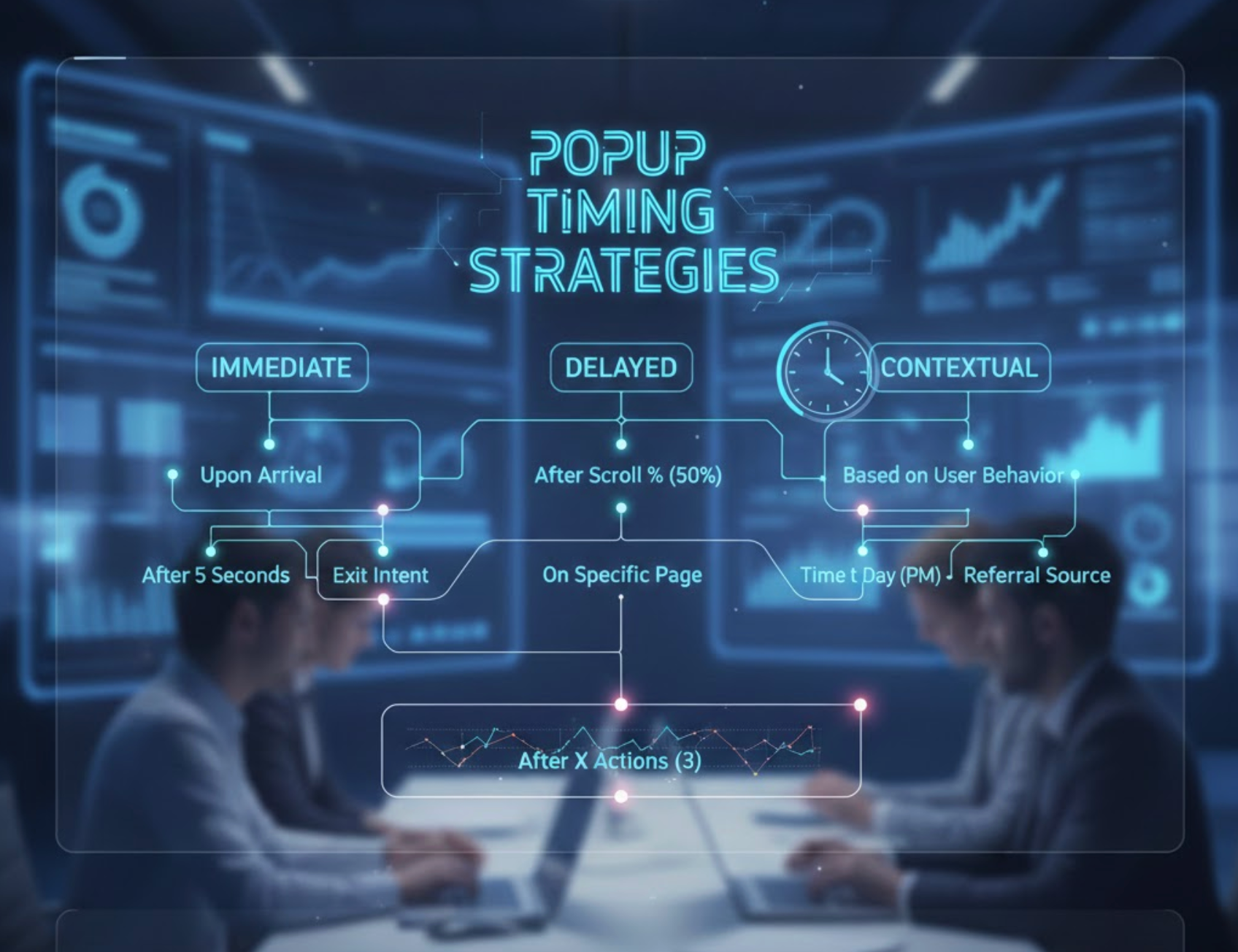
Popups are not just about design or discounts, they are about timing. Showing the right message at the wrong moment can frustrate users, while perfect timing can turn hesitation into action. Successful eCommerce brands use popup timing strategically to match customer intent at every stage of the shopping journey.
When popups appear naturally and contextually, they feel helpful instead of intrusive. To achieve that balance, let’s explore the most effective popup timing strategies that consistently increase sales.
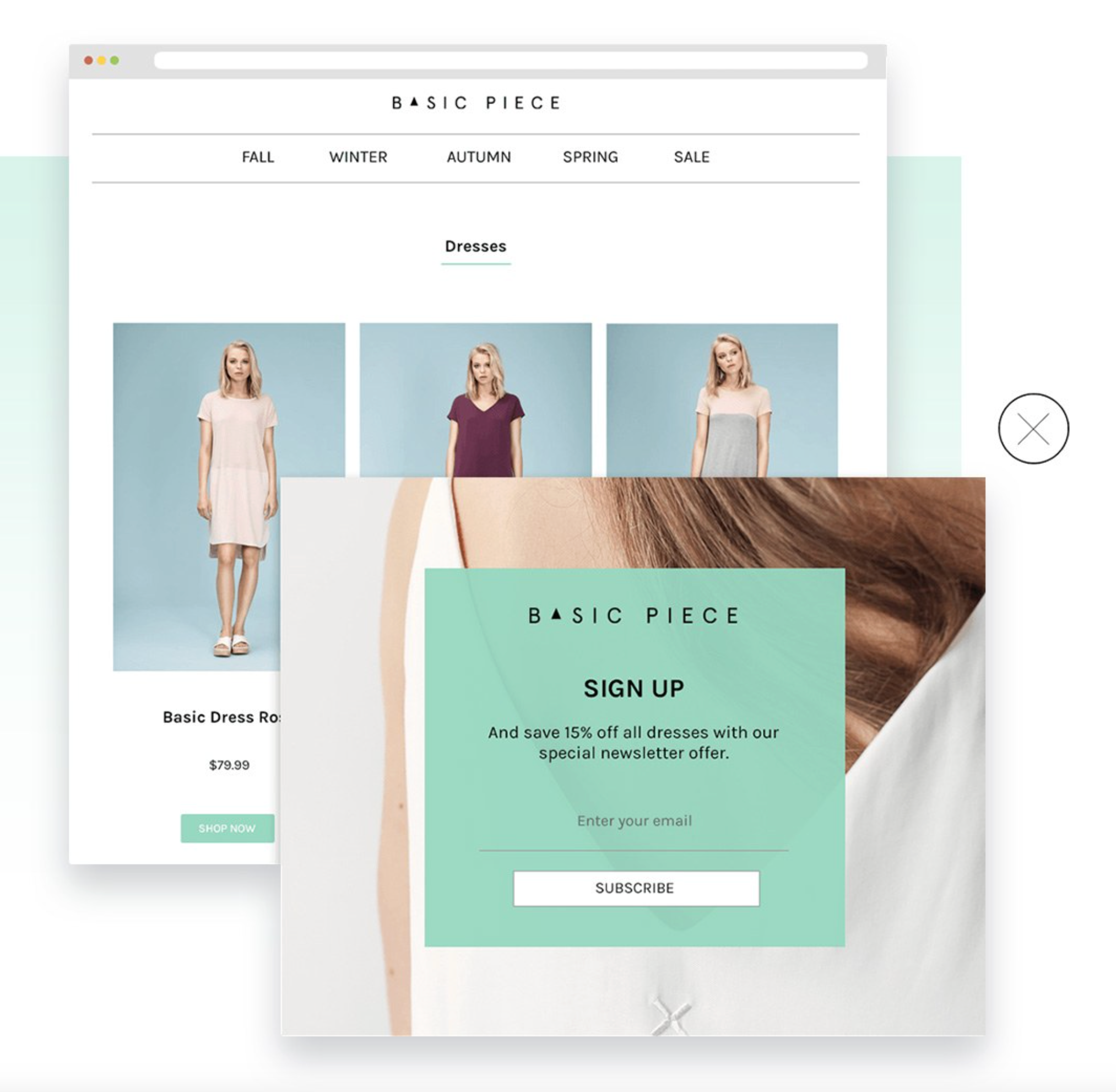
Popup timing directly affects how users perceive your brand and your offers. Shoppers need time to explore, compare, and build trust before being prompted to take action. If a popup interrupts this process too early, it often gets ignored or closed immediately.
On the other hand, well-timed popups align with user behavior and intent, making the message feel relevant and valuable. This alignment significantly improves engagement, conversion rates, and overall shopping experience.
With this foundation in mind, let’s look at specific timing strategies that work at different stages of the customer journey.
Entry delay popups appear shortly after a visitor lands on your site, giving them a moment to understand where they are. This brief delay allows curiosity to develop while preventing immediate disruption. When done correctly, it feels like a friendly introduction rather than an interruption.
This timing is especially effective for first-time visitors who may need reassurance or an incentive to continue browsing. The key is offering immediate value without demanding instant commitment.
To make entry delay popups work, they must be intentional and subtle.
Scroll-based popups trigger only after a visitor actively engages with a page. Scrolling indicates genuine interest, making this timing far less intrusive than time-based popups. It also ensures users have context before seeing your message.
This strategy works well for both content and product pages because it adapts naturally to user behavior. The deeper the scroll, the stronger the engagement signal.
Because of this, scroll-based timing is ideal for mid-funnel conversion actions.
Exit-intent popups activate when a user is about to leave your site, capturing attention at a critical moment. At this stage, the shopper has already evaluated your offer but hasn’t committed. This makes exit timing uniquely powerful.
Rather than interrupting browsing, exit popups attempt to rescue potential lost conversions. When paired with the right incentive, they can dramatically reduce abandonment rates.
Because this is a last-chance interaction, clarity and relevance are essential.
Cart-based popups appear immediately after a shopper adds an item to their cart, a moment of high purchase intent. At this stage, users are already mentally committed, making timing extremely effective for revenue optimization.
These popups should focus on enhancing the purchase rather than distracting from it. Simplicity and relevance are crucial to avoid slowing down checkout.
Used correctly, cart-based timing boosts order value while maintaining momentum.
Time-on-page popups activate after a visitor spends a set amount of time on a page. This duration signals evaluation behavior, especially for high-consideration products or detailed content.
Unlike instant popups, this timing respects the user’s pace and rewards engagement. It also ensures users are informed before being prompted to act.
This approach is best used where decisions require more thought.
Behavior-based popups use advanced triggers instead of fixed timing. They respond to how users interact with your site, making them highly personalized and effective.
This strategy allows brands to show fewer popups while achieving better results. Relevance replaces frequency, which improves both conversions and user satisfaction.
Smart timing is the future of popup optimization.
Mobile users behave differently than desktop users. Smaller screens and touch navigation make interruptions more noticeable and more annoying. As a result, popup timing must be more conservative on mobile.
Mobile timing strategies should prioritize user control and natural engagement. Popups should appear only after meaningful interaction.
Optimizing timing for mobile protects conversions instead of harming them.
Popup timing mistakes can quietly undermine even the strongest offers and most attractive designs. When popups appear at the wrong moment, users are far more likely to close them instantly or leave the site altogether. Many eCommerce stores still rely on generic timing rules, failing to account for user behavior, intent, and device differences.
Avoiding poor timing decisions is just as critical as applying proven popup strategies. By recognizing and correcting these common mistakes, you can significantly improve engagement, conversions, and overall user experience.
With that in mind, let’s examine the timing errors that most often prevent popups from driving sales.
Popups are most effective when they feel timely, relevant, and earned. Instead of forcing attention, smart timing aligns with user behavior and intent. This approach transforms popups from interruptions into helpful nudges.
By combining delay-based, scroll-based, exit-intent, and behavior-driven strategies, eCommerce stores can maximize conversions without sacrificing user experience.
In the end, it’s not about showing more popups, it’s about showing them at the right moment.