New to Shopify? Free trial, then $1/month for your first 3 months. Start free trial →
 Where is your store?
Ryviu works with both – pick yours to continue.








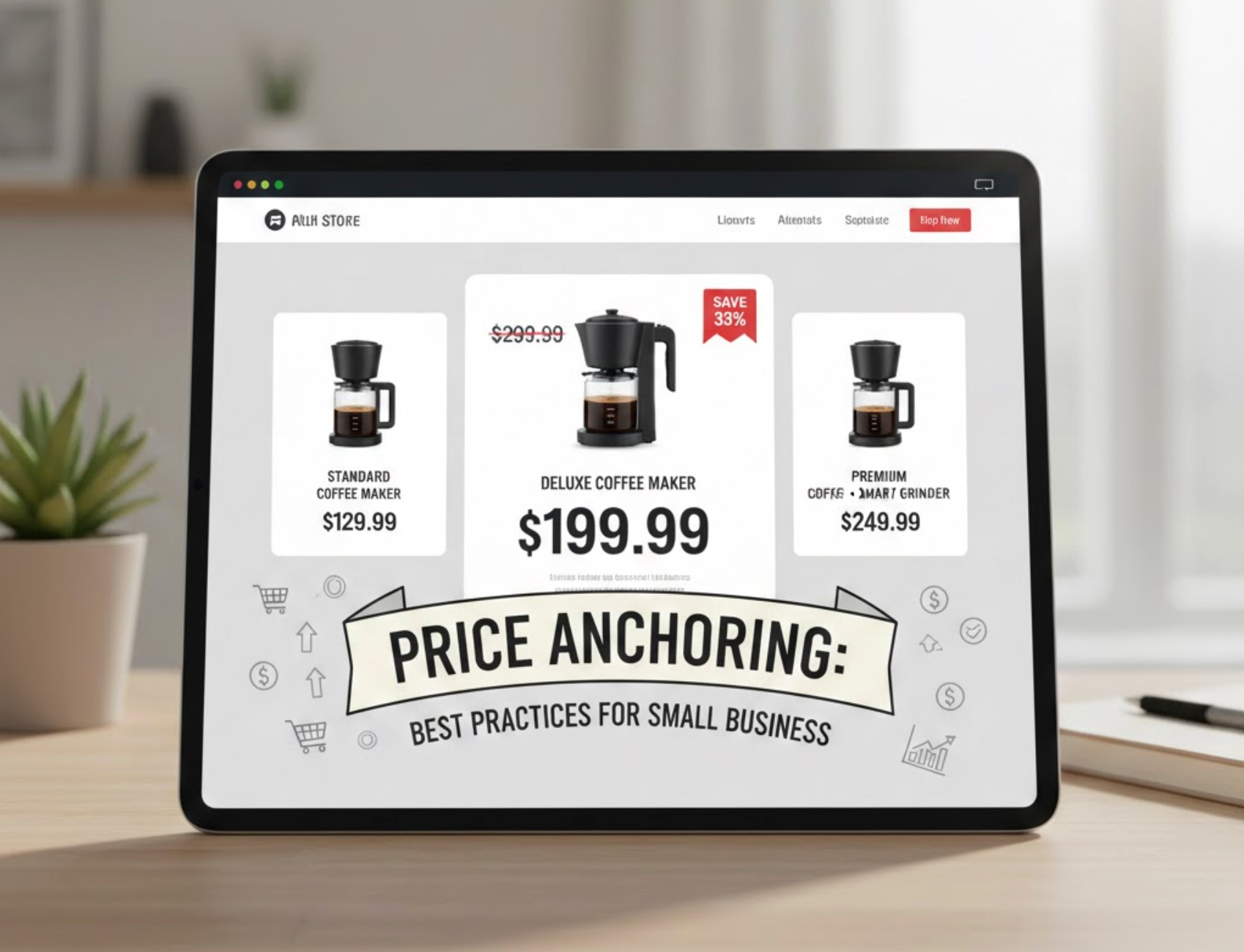
Price is rarely judged in isolation. Customers almost always compare a price to something else they have seen before, whether it is a higher-priced option, a “was” price, or a competitor’s offer. This mental comparison process is known as price anchoring, and when used correctly, it can significantly influence how customers perceive value. For small businesses with limited budgets, price anchoring is a powerful strategy to guide purchasing decisions without aggressive discounts.
In this article, we’ll explore what price anchoring is, why it works, and the best practices small businesses can use to apply it ethically and effectively.
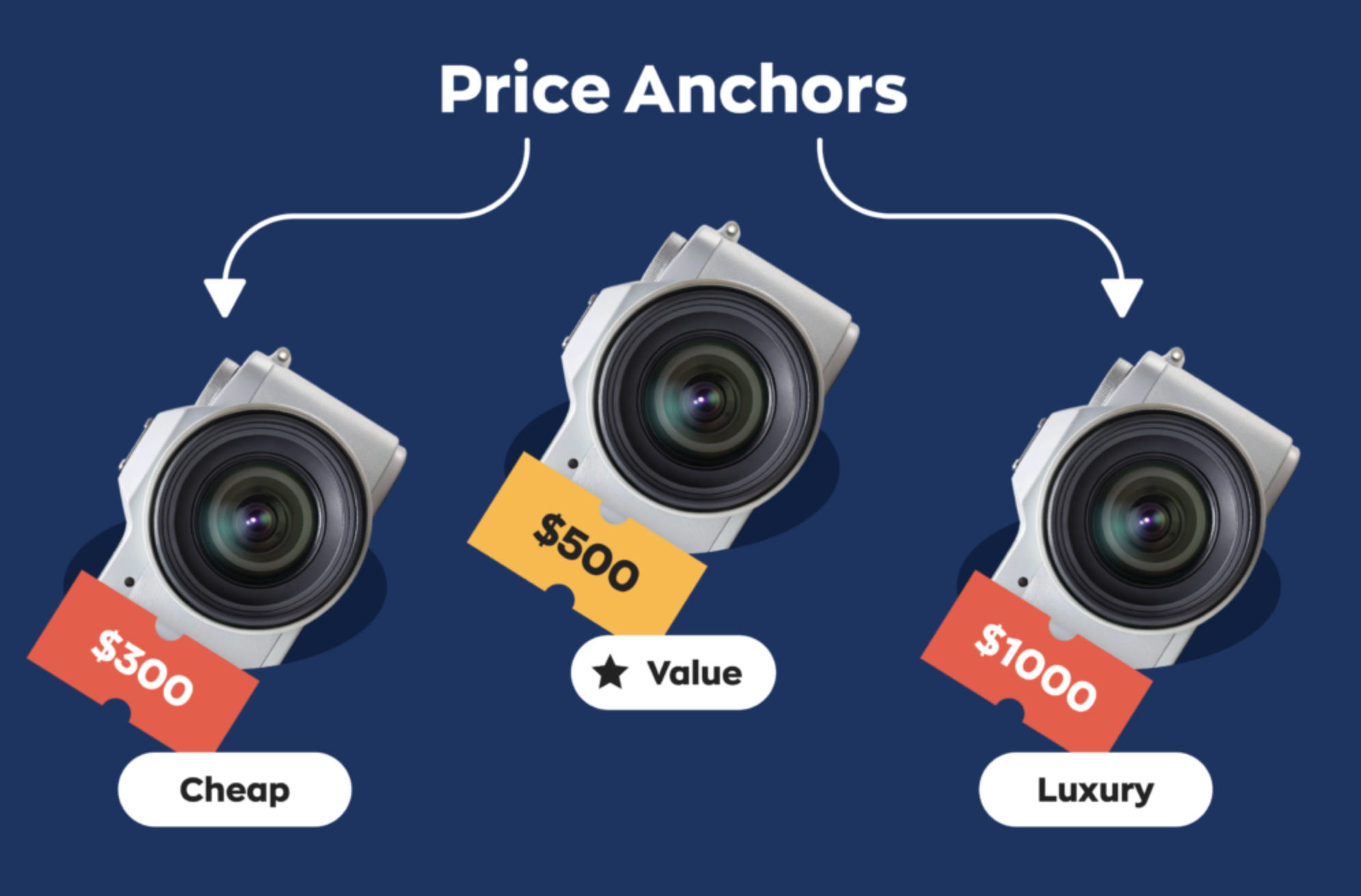
Price anchoring is a psychological pricing strategy where an initial price (the “anchor”) is presented first, making subsequent prices seem more reasonable or attractive by comparison. The anchor sets customer expectations and frames how all other prices are evaluated.
For example, when a product is shown next to a higher-priced alternative, the lower-priced option feels like a better deal, even if its actual value hasn’t changed. Small businesses often use anchors through original prices, premium plans, or bundled offerings to subtly steer customer choices.
Understanding this concept is crucial because customers don’t just ask, “Is this expensive?” They ask, “Is this expensive compared to what?”
Small businesses often compete against larger brands with more marketing power. Price anchoring helps level the playing field by shifting the focus from absolute price to perceived value.
When customers see a higher reference price first, your actual selling price feels more justified. This reduces price sensitivity, builds confidence, and increases conversion rates without the need for constant discounting. Additionally, anchoring can help small businesses upsell, cross-sell, and highlight premium offerings in a natural, non-pushy way.
Most importantly, price anchoring works even when customers are aware of it, because it aligns with how the human brain naturally compares options.
To get the most out of price anchoring, small businesses should apply it strategically and transparently. The following best practices will help you use anchoring to boost sales while maintaining customer trust.
Presenting a premium option at the beginning helps establish a strong reference point for customers. When shoppers see a higher-priced choice first, they mentally frame all other prices around it. This makes your standard or mid-tier offering feel more affordable without changing its actual cost.
With the premium option setting expectations, customers can more easily evaluate the remaining choices based on perceived value rather than price alone.
Reference pricing works by showing customers what a product previously cost or what it would normally cost. This initial price acts as an anchor, making the current price feel like a better deal. When done honestly, it reinforces trust while highlighting savings.
To make this approach effective, the reference price must feel credible and transparent to the customer.
Price anchoring becomes more powerful when it focuses on value rather than just cost. Customers are more likely to accept higher prices when they understand what they are getting in return. Highlighting outcomes shifts attention away from price comparisons alone.
Once value is clearly communicated, the anchor feels logical instead of manipulative.
Bundles naturally create anchors by showing the combined value of multiple products or services. When customers see individual prices added together, the bundle price feels like a smart choice. This approach encourages higher average order value without aggressive discounting.
By framing the bundle as a value-based option, customers feel they are gaining more for their money.
Visual placement plays a major role in how anchors influence perception. Customers naturally focus on what they see first or what stands out the most. Strategic positioning ensures the anchor fulfills its role effectively.
Once visual hierarchy is established, price comparisons become easier and more intuitive.
Frequent discounts can weaken the impact of price anchoring over time. When customers expect constant sales, anchor prices lose credibility and urgency. This can also reduce perceived brand value.
Instead, anchors should support long-term pricing confidence rather than short-term gains.
Customer responses to price anchoring can vary depending on audience and context. What works for one product or market may not work for another. Continuous testing helps identify the most effective anchor points.
With ongoing refinement, price anchoring becomes a data-driven strategy rather than a guessing game.
Price anchoring can significantly influence purchasing decisions, but its effectiveness depends on how responsibly it is applied. When anchors feel forced or misleading, customers quickly become skeptical and disengaged. Small mistakes in pricing presentation can undermine trust and reduce conversions.
To prevent these issues, it’s important to understand where price anchoring commonly goes wrong and how to avoid those pitfalls.
Price anchoring is one of the most effective pricing strategies small businesses can use to influence customer perception and increase sales. By presenting prices in the right context, you help customers understand value and make confident decisions.
When applied thoughtfully—through premium options, bundles, reference pricing, and clear communication—price anchoring can boost conversions without sacrificing trust. For small businesses looking to compete smarter, not cheaper, mastering price anchoring is a valuable step forward.