New to Shopify? Free trial, then $1/month for your first 3 months. Start free trial →
 Where is your store?
Ryviu works with both – pick yours to continue.








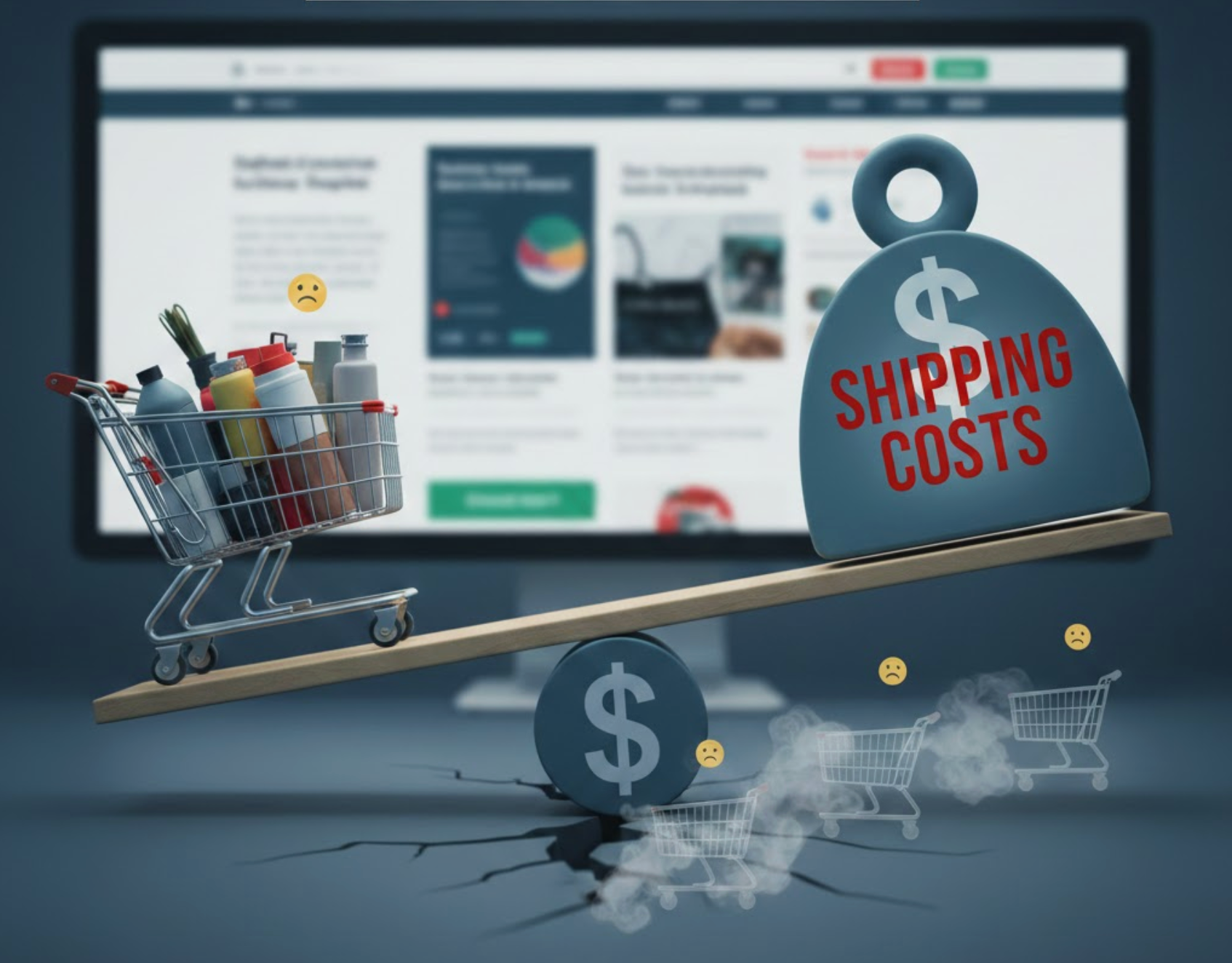
Shipping costs play a decisive role in whether an online shopper completes a purchase or leaves without buying. While pricing, product quality, and design matter, shipping fees often become the final factor that determines conversion success or failure. Even small changes in shipping cost presentation can lead to noticeable shifts in checkout completion rates.
This article explores what cart abandonment is, why shipping costs cause it, how shipping directly impacts conversion rates, and the most effective strategies eCommerce stores can use to reduce abandonment and increase completed orders.
Cart abandonment occurs when a shopper adds products to an online cart but exits the website before completing the checkout process. This behavior is extremely common in eCommerce and represents a major loss of potential revenue for online stores.
Shipping costs are a leading cause of cart abandonment because they often appear late in the buying journey and feel disconnected from product value. Once shoppers reach checkout, any friction, especially cost-related friction, can quickly stop the purchase momentum. To fully understand this behavior, it’s important to examine the specific shipping-related reasons that push customers away.
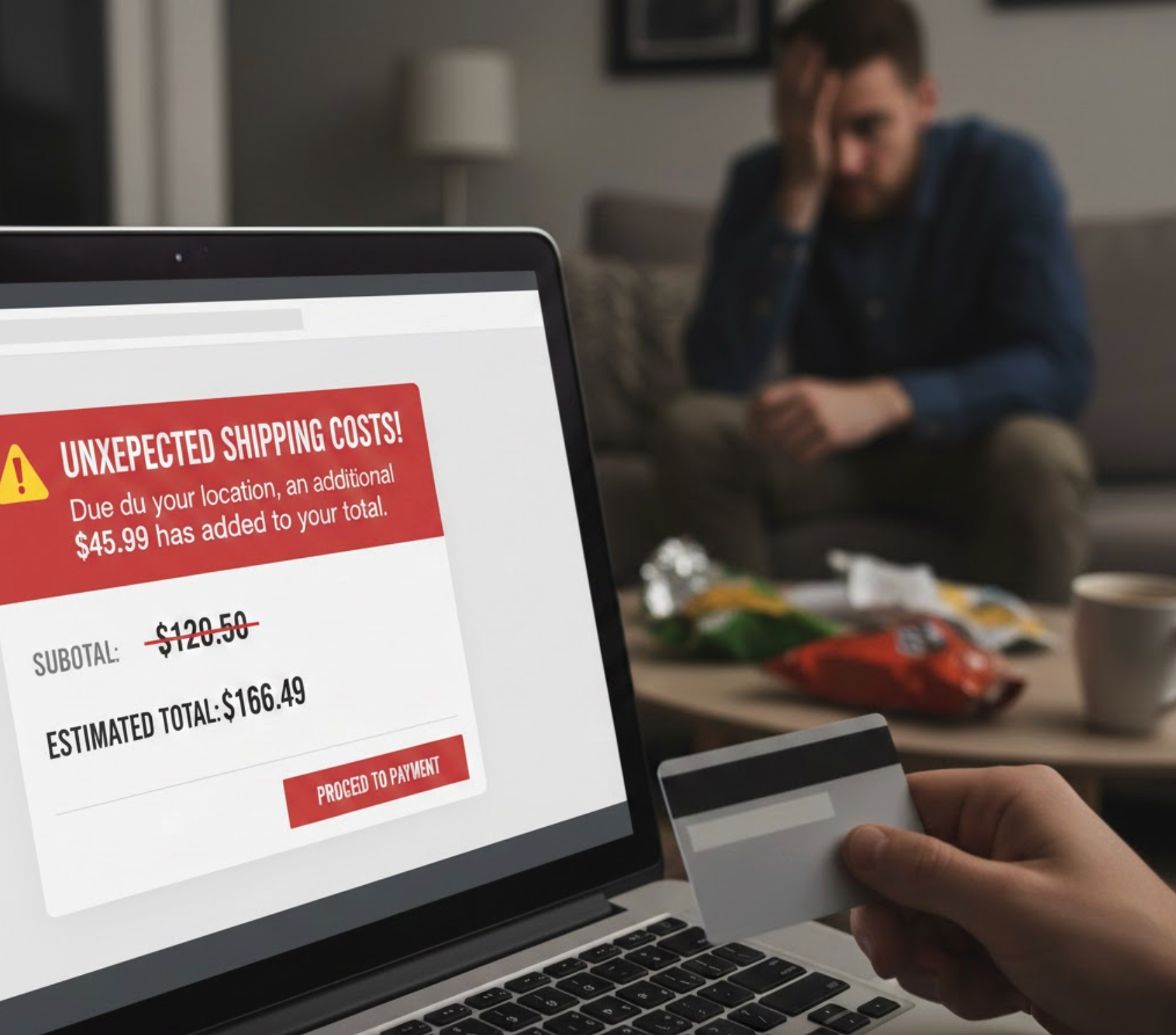
Unexpected shipping fees create immediate friction at the most sensitive stage of the purchase process. When customers see a higher total than anticipated, it triggers hesitation and breaks the trust built earlier in the shopping journey.
This sudden change forces shoppers to reassess their decision instead of smoothly completing checkout, leading many to abandon the cart. This reaction typically happens because:
Shipping fees feel more painful when they represent a large percentage of the product price. Customers often judge shipping costs not by their absolute value, but by how reasonable they seem compared to what they’re buying.
When shipping feels too expensive relative to the item, it diminishes perceived value and makes the purchase harder to justify. This imbalance affects decision-making in several ways:
Free shipping has become a baseline expectation rather than a competitive advantage. Many shoppers assume shipping is included unless clearly stated otherwise, especially due to influence from large marketplaces.
When free shipping is not offered, customers may perceive the store as less competitive or less customer-friendly. This expectation gap leads to abandonment because:
Unclear or incomplete shipping information increases uncertainty, which directly hurts conversion rates. Shoppers want to know exactly how much they’ll pay and when they’ll receive their order before committing.
When shipping transparency is missing or it’s hard to find shipping information, customers are more likely to exit the checkout flow. This uncertainty often comes from:
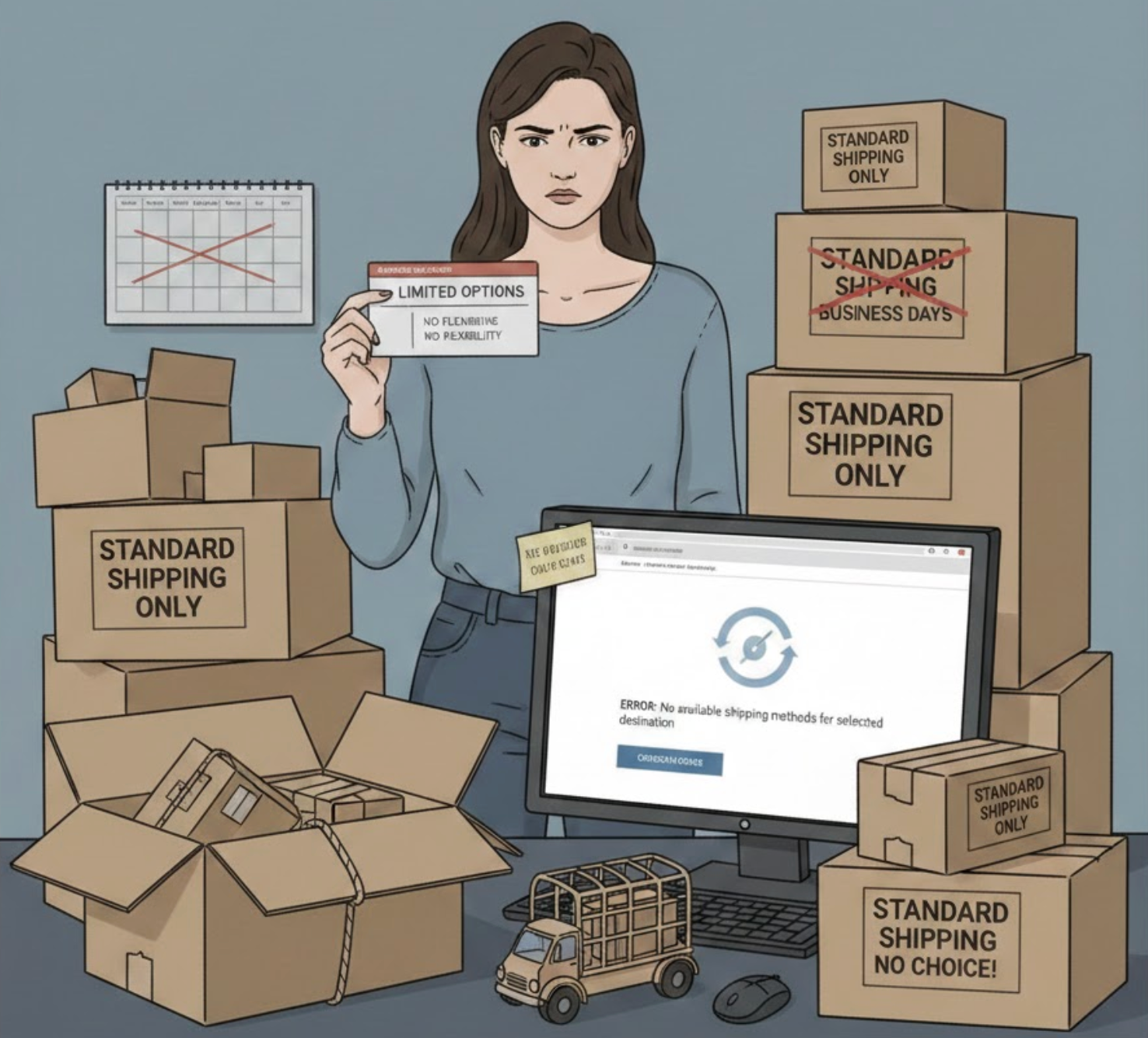
Modern shoppers expect flexibility, especially when it comes to delivery speed and cost. Offering only one shipping option, especially a slow one, can quickly lead to frustration and abandonment.
Customers may be willing to pay more for faster delivery, but only if the option exists. Limited shipping choices reduce conversions because:
Shipping costs have a direct and measurable impact on eCommerce conversion rates. Even when traffic and product demand are strong, poorly optimized shipping fees can prevent shoppers from completing purchases. In many cases, shipping becomes the final barrier that determines whether interest turns into revenue.
Conversion rates drop when shipping costs introduce friction, uncertainty, or negative emotional responses. Shoppers may add items to the cart with intent to buy, but shipping fees often trigger second thoughts at checkout. This behavior shows that conversion optimization is not only about product pricing, but also about how shipping is framed and delivered.
Shipping costs influence conversion rates in several critical ways:
When shipping costs are perceived as fair, clear, and flexible, conversion rates improve significantly. This demonstrates that shipping is not a backend logistics issue, it’s a core part of the user experience and revenue strategy.
Reducing shipping-related abandonment requires a balance between customer expectations and business profitability. The goal is not always to eliminate shipping costs, but to present them in a way that feels fair, predictable, and value-driven.
Below are the most effective strategies eCommerce stores use to minimize abandonment while protecting conversion rates.
Displaying shipping information early prevents unpleasant surprises at checkout. When customers know what to expect, they are more likely to continue confidently through the purchase flow.
This proactive approach builds trust and reduces price shock by:
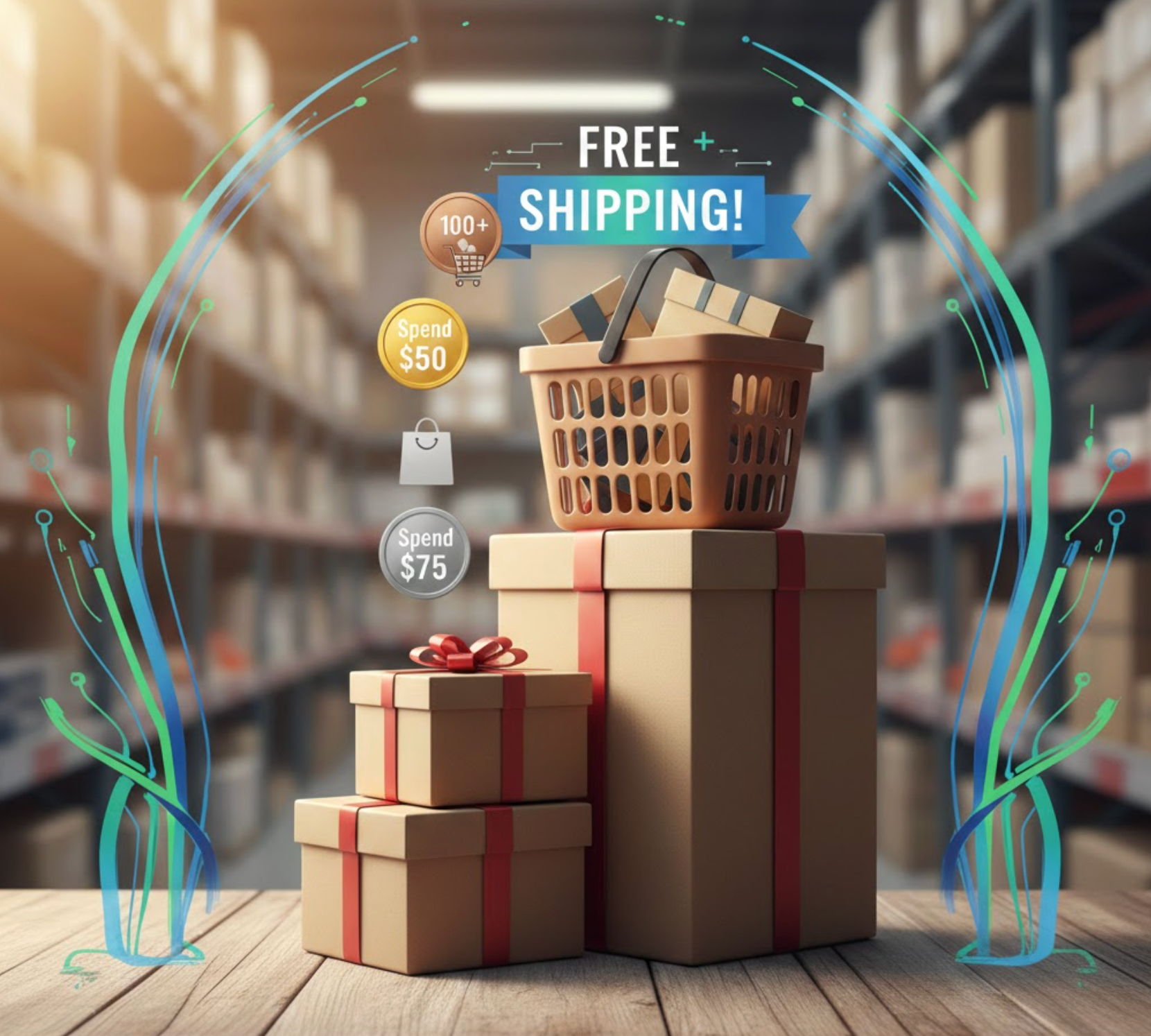
Free shipping thresholds encourage customers to increase order value while feeling rewarded rather than pressured. This strategy aligns customer incentives with business goals.
By framing free shipping as an achievable benefit, stores can:
Including shipping costs in product prices simplifies decision-making. Customers often prefer a single, all-inclusive price rather than calculating extra fees at checkout.
This strategy improves conversion rates by:
Offering multiple shipping options gives customers control over cost and speed. This flexibility allows shoppers to choose what matters most to them.
Stores that offer options benefit from:
Clear messaging on the cart page helps reassure customers before checkout. Highlighting delivery timelines, guarantees, or free shipping progress can reduce last-minute hesitation.
This reinforcement works by:
Shipping costs are one of the strongest influencers of cart abandonment and conversion rates in eCommerce. When shipping feels unexpected, unclear, or unfair, shoppers hesitate and leave—even when they want the product. Conversely, transparent and well-structured shipping strategies can significantly improve checkout completion and long-term customer trust.
By treating shipping as a core part of the conversion experience rather than a backend detail, eCommerce stores can reduce abandonment, increase conversion rates, and build a smoother path from cart to purchase.