New to Shopify? Free trial, then $1/month for your first 3 months. Start free trial →
 Where is your store?
Ryviu works with both – pick yours to continue.









Shipping is no longer just a back-end operational task, but it plays a central role in how customers perceive your brand. For many shoppers, uncertainty around shipping costs, delivery timelines, and order status is a major source of hesitation. When shipping information is unclear or hidden, it creates doubt that can stop customers from completing a purchase.
Improving shipping transparency helps customers feel informed, confident, and respected throughout the buying journey. It reduces cart abandonment, lowers support requests, and strengthens long-term trust. Below are nine practical and proven ways eCommerce businesses can improve shipping transparency and deliver a smoother, more trustworthy experience.

Shipping transparency directly influences whether customers trust your store enough to place an order. When shoppers clearly understand shipping costs, delivery timelines, and post-purchase updates, they feel more confident moving forward with their purchase. On the other hand, unclear or missing shipping information introduces doubt and increases the risk of abandonment.
Transparent shipping also reduces friction after checkout. Customers who know exactly what to expect are less likely to contact support, request refunds, or leave negative reviews due to misunderstandings. This not only improves customer satisfaction but also saves time and resources for your support team.
Most importantly, shipping transparency strengthens long-term brand credibility. When your store consistently delivers on its shipping promises, customers learn to trust your communication and are more likely to return for future purchases. Clear shipping information turns logistics into a trust-building advantage rather than a potential risk.
To turn transparency into a competitive advantage, the following strategies show how you can apply clear, customer-focused shipping communication at every stage of the buying journey.
Unexpected shipping fees remain one of the top reasons customers abandon their carts. When shoppers discover extra charges late in the checkout process, it feels misleading, even if the costs are reasonable. Transparency around shipping fees helps customers feel in control of their spending from the start.
To build trust, shipping costs should be visible before customers emotionally commit to the purchase. Showing fees early sets realistic expectations and removes unnecessary friction.
When customers understand pricing early, they’re more likely to move forward with confidence.
Speed matters, but accuracy matters even more. Customers would rather receive an honest delivery estimate than an overly optimistic one that leads to disappointment. Clear delivery timelines help customers plan and reduce post-purchase anxiety.
Delivery estimates should reflect real conditions, including processing time, warehouse location, and carrier reliability. Setting realistic expectations protects trust.
Accurate timelines reduce frustration and make delays easier to accept if they occur.
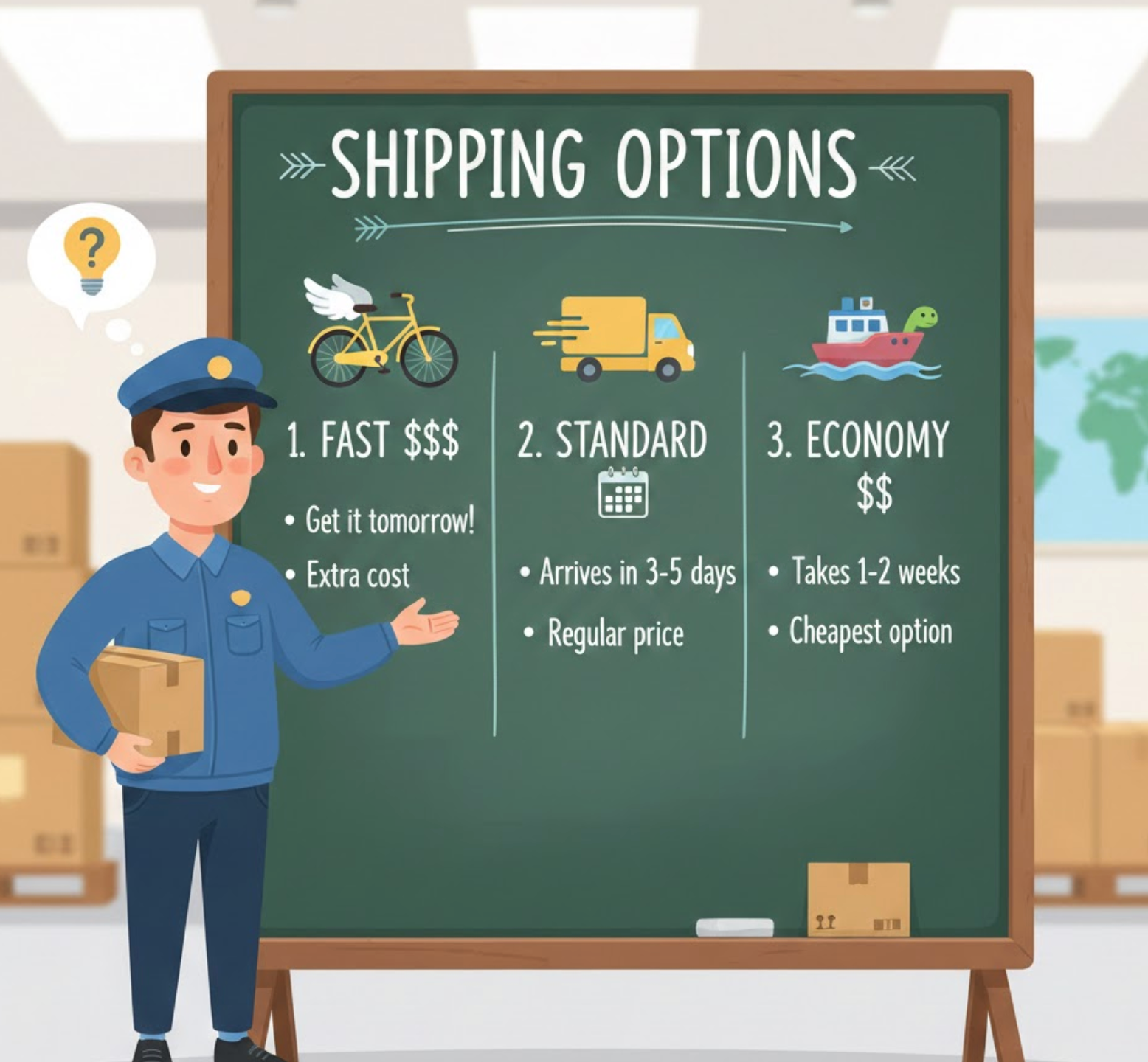
Offering multiple shipping options gives customers flexibility, but it can also create confusion if the differences aren’t clear. Technical terms or carrier-specific labels often leave shoppers unsure which option to choose. Simplicity helps customers decide faster.
Each shipping option should be described in a way that’s easy to understand at a glance. Clear explanations reduce decision fatigue.
When shipping choices feel clear and intuitive, customers move through checkout more smoothly.
International customers face more uncertainty than domestic shoppers. Duties, taxes, customs delays, and longer delivery times can all impact the experience. If these factors aren’t communicated clearly, customers may feel misled after checkout.
Transparency in international shipping shows professionalism and respect for global buyers. It helps prevent frustration and negative reviews.
Clear international policies help customers make informed decisions before purchasing.
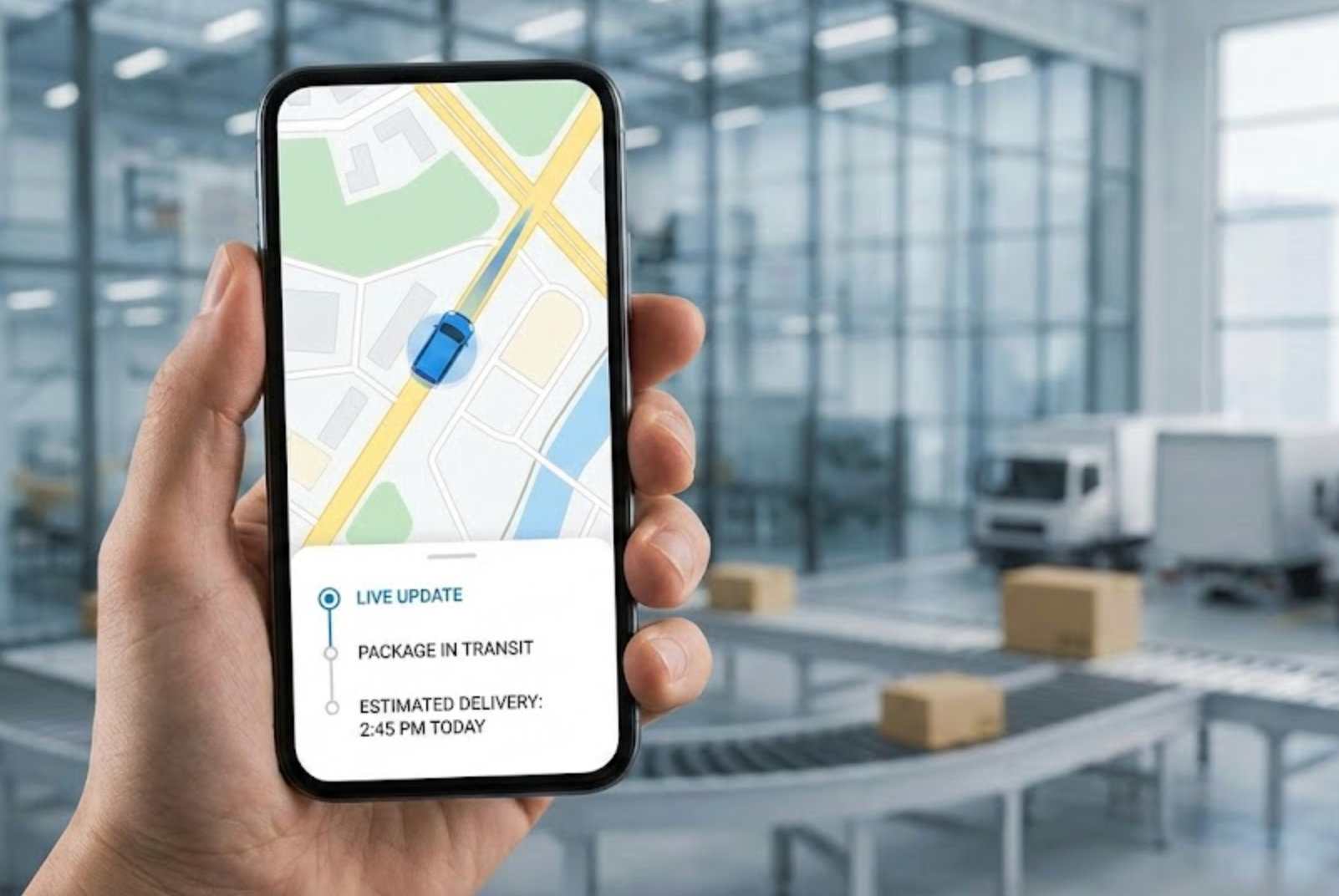
Once an order is placed, customers want reassurance that it’s moving forward. Real-time tracking orders gives customers visibility and peace of mind during the waiting period. It also reduces the need for customers to contact support for updates.
Tracking should be easy to access and clearly presented. The goal is to keep customers informed without effort.
Visibility after checkout reinforces trust and professionalism.
Delays are sometimes unavoidable, but lack of communication makes them feel much worse. Customers are far more understanding when delays are explained early and honestly. Proactive communication shows accountability.
Instead of waiting for complaints, keep customers informed whenever expectations change.
Clear communication during problems often strengthens trust instead of damaging it.
When shipping details are scattered across your site, customers may struggle to find answers. A dedicated shipping page centralizes information and reduces confusion. It also helps customer support by addressing common questions upfront.
This page should be easy to find, easy to read, and regularly updated.
A clear shipping page signals transparency and builds confidence.
Shipping policies are often written in complex or legal-style language that customers don’t fully read or understand. Plain language makes your policies more approachable and trustworthy. When customers clearly understand the terms, they feel safer purchasing.
Every shipping-related message should prioritize clarity over formality.
Clear language reduces misunderstandings and improves the overall customer experience.

Customers often trust other shoppers more than brand promises. Reviews and testimonials that mention delivery speed, packaging quality, or reliability help validate your shipping claims. Social proof adds credibility.
Highlighting real customer experiences strengthens confidence at critical decision points.
When customers see proof that your shipping promises are real, hesitation decreases.
Shipping transparency is one of the most effective ways to build trust in eCommerce. By clearly communicating costs, timelines, options, and updates, you reduce uncertainty at every stage of the customer journey. Informed customers are more confident, more satisfied, and more likely to return.
Improving shipping transparency doesn’t require perfection, it requires honesty, clarity, and consistency. When customers know exactly what to expect, your brand feels reliable long before the package arrives.