 New to Shopify? Free trial, then $1/month for your first 3 months. Start free trial →
 Where is your store?
Ryviu works with both – pick yours to continue.









Customer reviews are more than just social proof; they are a direct line into the minds of your users. Every comment, complaint, or compliment reflects how well customers understand your product and how effectively you have communicated its value. When analyzed correctly, reviews can uncover hidden gaps in product education that traditional analytics often miss.
To fully leverage this powerful resource, businesses must learn how to interpret feedback not just as opinions but as signals of misunderstanding, confusion, or unmet expectations.
Product education gaps occur when customers do not fully understand how to use a product or fail to recognize its intended value. These gaps often lead to frustration, misuse, or underutilization of features. Over time, they can negatively impact customer satisfaction, retention, and brand reputation.
To better identify these gaps, businesses must examine where communication breaks down between product design and customer experience.
Ignoring product education gaps can cost businesses more than just a few bad reviews. It can lead to increased support costs, higher churn rates, and reduced customer lifetime value. More importantly, it prevents customers from experiencing the full potential of the product.
Recognizing the importance of these gaps helps organizations prioritize improvements that directly impact user success.

Customer reviews often contain recurring themes that point directly to educational shortcomings, especially when businesses apply review mining techniques to uncover hidden patterns. When multiple users mention the same confusion or issue, it is rarely coincidental. Instead, it signals a systemic problem in how the product is explained or presented.
By carefully analyzing these patterns, businesses can uncover areas where users consistently struggle.
Not all negative reviews indicate flaws in the product itself. Sometimes, the issue lies in how the product is introduced or explained. Distinguishing between these two is critical for effective problem-solving.
This distinction ensures that teams address the root cause rather than applying surface-level fixes.
Customers often use specific phrases when they are confused or unsure. These linguistic cues are valuable indicators of where education is lacking. Recognizing them allows businesses to act proactively.
Paying attention to how customers express confusion can guide content improvements.
Sometimes customers use products in ways that were never intended. While this can be innovative, it often highlights gaps in how the product’s purpose is communicated. These insights can help refine messaging and onboarding.
Understanding these use cases can also uncover new opportunities for product development.
To make sense of large volumes of reviews, businesses must categorize feedback systematically, often by using structured approaches similar to those outlined in customer feedback management strategies. This helps in identifying trends and prioritizing actions. Without structure, valuable insights can easily be overlooked.
A well-organized approach ensures that insights are both actionable and measurable.
Not all education gaps require immediate attention. Some issues have a greater impact on user experience than others. Prioritization ensures efficient use of resources.
Focusing on high-impact areas leads to quicker improvements in customer satisfaction.
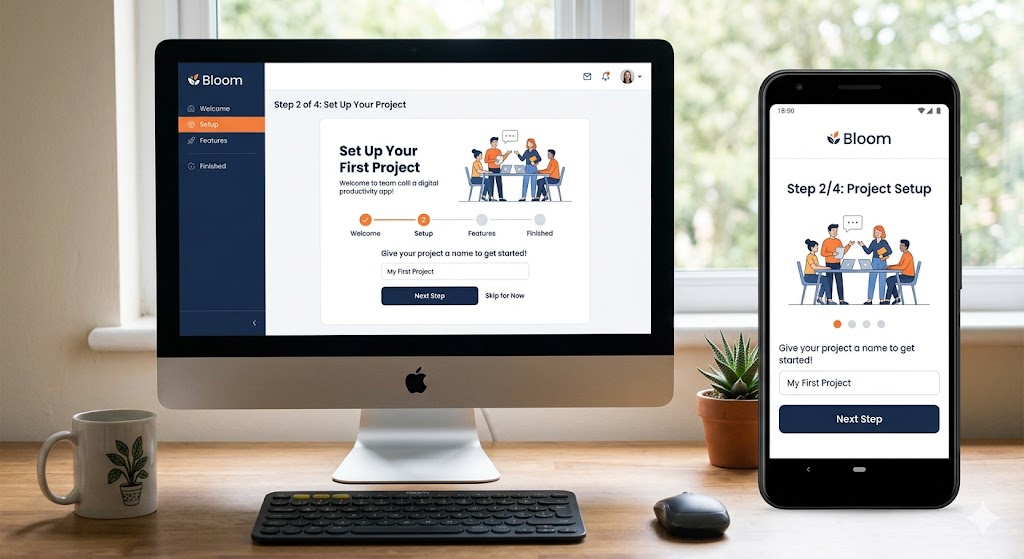
First impressions matter, and onboarding is where most education gaps become apparent. A confusing onboarding process can discourage users before they even experience the product’s value. Reviews often highlight these early-stage frustrations.
By refining onboarding, businesses can significantly reduce confusion and improve retention.
Documentation should evolve alongside customer feedback. Static guides quickly become outdated or insufficient. Reviews provide real-time insights into what users need help with.
Keeping educational content aligned with user needs ensures ongoing relevance.
Manually analyzing reviews can be time-consuming and inefficient. This is where review management tools come into play. They help collect, organize, and analyze feedback at scale.
Using the right tools allows businesses to uncover insights faster and more accurately, especially when businesses evaluate different review platforms to find the best fit for their needs.
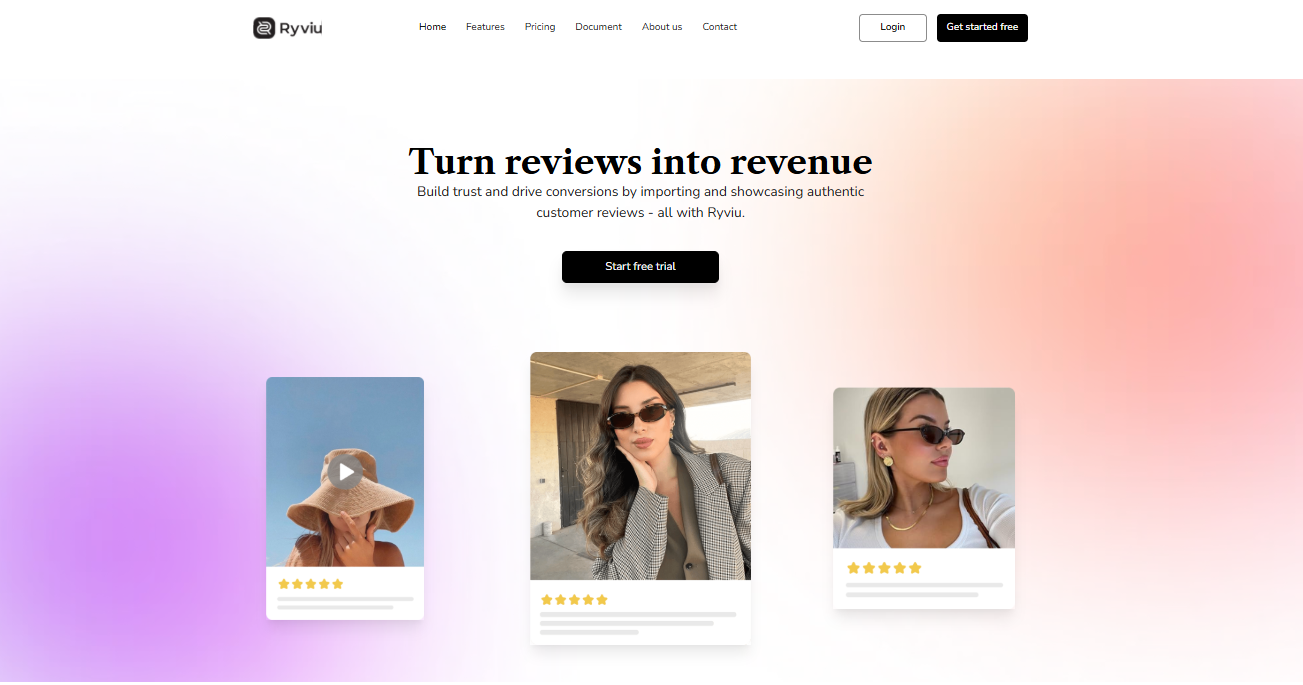
Ryviu is a powerful review app designed to help businesses make the most of customer feedback. It not only collects reviews but also provides insights that can guide product and educational improvements. By leveraging such a tool, companies can transform raw feedback into strategic actions.
Integrating Ryviu into your workflow can streamline the process of identifying and addressing education gaps.
Responding to reviews is just as important as analyzing them. When customers see that their feedback leads to improvements, it builds trust and loyalty. It also encourages more users to share their experiences.
Closing the feedback loop ensures that customers feel heard and valued.
Product education is not a one-time effort; it requires continuous refinement. As products evolve, so do user expectations and challenges. Reviews provide an ongoing source of insights for iteration.
Regularly updating education strategies ensures long-term success.
Many businesses focus only on negative feedback, overlooking the value of positive reviews. However, positive feedback can reveal what is working well in your education strategy. These insights are just as important for improvement.
Understanding success helps replicate it across the product experience.
In response to education gaps, some businesses create overly complex solutions. This can lead to even more confusion. Simplicity is often the most effective approach.
Keeping solutions straightforward ensures better user adoption.
Customer reviews are an invaluable resource for identifying product education gaps. They provide honest, unfiltered insights into how users interact with and perceive your product. By analyzing these reviews effectively, businesses can uncover hidden issues and improve the overall user experience.
To turn these insights into meaningful improvements, companies must adopt a structured approach and leverage tools like Ryviu to streamline the process.
By embracing customer feedback as a guide, businesses can bridge education gaps, enhance user satisfaction, and unlock the full potential of their products.




