New to Shopify? Free trial, then $1/month for your first 3 months. Start free trial →
 Where is your store?
Ryviu works with both – pick yours to continue.








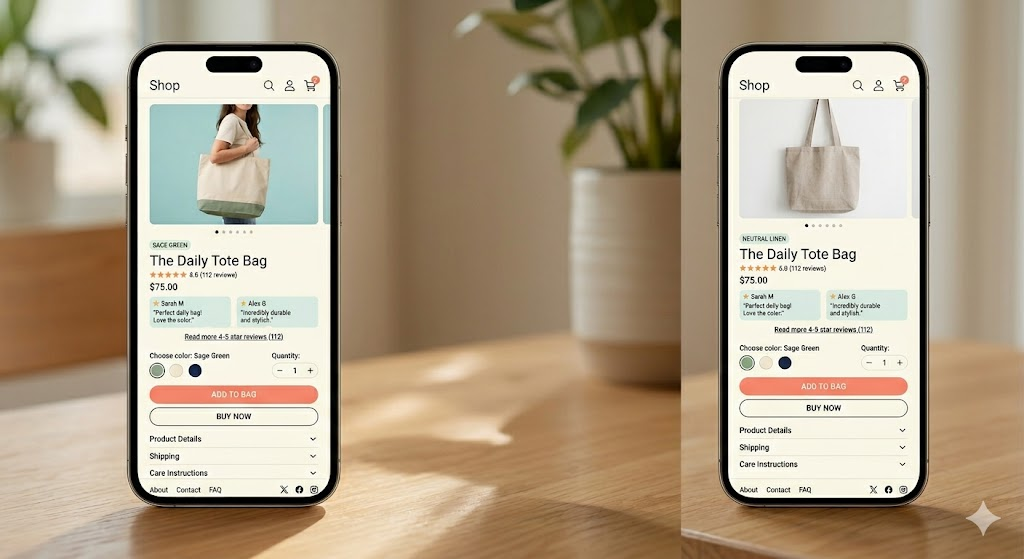
In today’s fast-moving digital landscape, customers rarely spend long periods evaluating a single product. Instead, they skim, compare, and make decisions within seconds. That’s why micro-testimonials, short, highly focused snippets of customer feedback, have become incredibly powerful tools for influencing quick purchase decisions.
Unlike long-form reviews, micro-testimonials are designed for speed, clarity, and impact. They provide just enough information to build trust without overwhelming the buyer. When used strategically, they can reduce friction, reinforce value, and guide users smoothly toward conversion.
Micro-testimonials are concise customer statements that highlight a specific benefit, experience, or outcome. They are typically one or two sentences long and often appear near key decision points such as product pages, checkout sections, or call-to-action buttons. Because of their brevity, they are easy to scan and digest quickly.
In an environment where attention spans are shrinking, micro-testimonials align perfectly with user behavior. Shoppers don’t want to read paragraphs, they want instant reassurance. These bite-sized endorsements provide exactly that, making them ideal for supporting rapid decision-making.
To better understand their value, let’s break down the core reasons why micro-testimonials are so effective:

Consumers often rely on mental shortcuts, or heuristics, when making quick decisions. Social proof is one of the most powerful of these shortcuts, as people tend to follow the actions and opinions of others. Micro-testimonials act as fast, credible signals that a product is worth considering.
Another key factor is emotional reassurance. When a customer sees someone else expressing satisfaction, it reduces uncertainty and builds confidence. Even a short statement like “Arrived fast and works perfectly” can eliminate doubts instantly.
To see how psychology plays into this, consider the following influences:
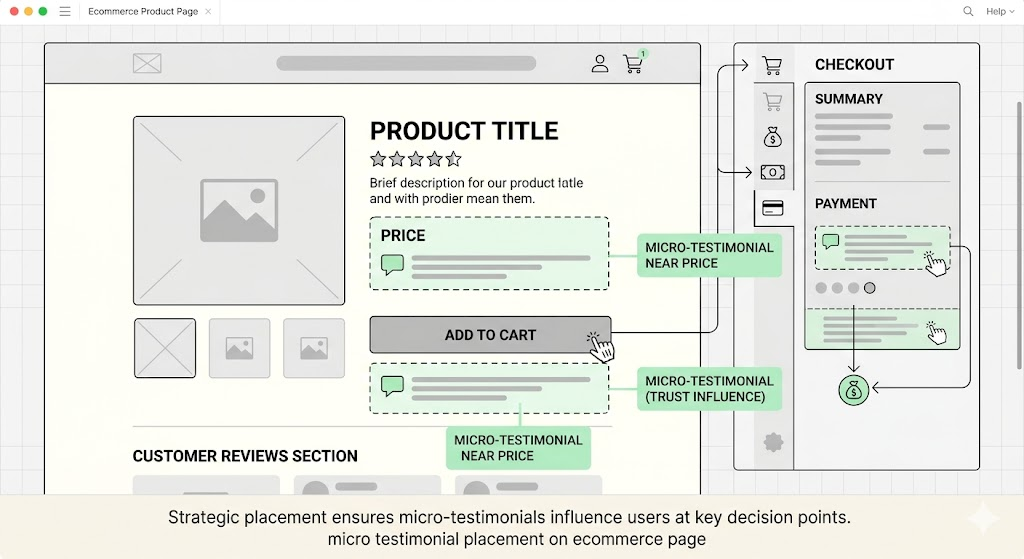
Placement is just as important as content when it comes to micro-testimonials. Even the best testimonial can go unnoticed if it’s not positioned strategically. The goal is to present the right message at the exact moment a user is deciding whether to proceed.
High-impact placement ensures that micro-testimonials act as nudges rather than distractions. They should appear naturally within the user journey, reinforcing trust without interrupting the experience. This makes them feel helpful instead of promotional.
Here are the most effective locations to integrate micro-testimonials:
Not all testimonials are equally effective, especially when space is limited. A strong micro-testimonial focuses on one clear benefit and communicates it in a natural, relatable tone. It should feel authentic, not overly polished or scripted.
Clarity and specificity are key. Instead of vague praise like “Great product,” a more effective version would be “Saved me 30 minutes every morning.” This kind of detail makes the testimonial more believable and useful.
To create compelling micro-testimonials, focus on these elements:
Friction is anything that slows down or prevents a customer from completing a purchase. It can come from doubts about quality, concerns about delivery, or uncertainty about value. Micro-testimonials help remove these barriers by addressing them directly.
By placing relevant testimonials at key friction points, businesses can answer questions before they are even asked. This creates a smoother, more confident buying experience. The result is fewer drop-offs and higher conversion rates.
Here’s how micro-testimonials can reduce friction effectively:
Product pages are one of the most critical touchpoints in the customer journey. They are where users evaluate features, compare options, and decide whether to buy. Micro-testimonials can significantly enhance this process by adding real-world validation.
Instead of relying solely on product descriptions, micro-testimonials bring in the voice of actual users. This adds credibility and makes the product feel more tangible. It also helps bridge the gap between marketing claims and customer expectations. Applying best practices for displaying product reviews can significantly improve trust and conversions.
To elevate product pages, consider these strategies:
Micro-testimonials are not limited to product pages, they can be used across multiple marketing channels. Their short format makes them perfect for ads, emails, and social media content. This consistency helps reinforce trust across the entire customer journey.
When customers see the same type of positive feedback in different places, it strengthens credibility. It also keeps messaging aligned and focused. Micro-testimonials act as quick reminders of why a product is worth choosing. To make these strategies work effectively across different channels, businesses need a consistent flow of customer reviews without disrupting the user experience.
Here are effective ways to use them in marketing:
Like any strategy, it’s important to measure how well micro-testimonials are performing. This helps identify what works and where improvements can be made. Metrics such as conversion rates, click-through rates, and bounce rates can provide valuable insights.
A/B testing is especially useful for optimizing micro-testimonials. By testing different versions, placements, or formats, businesses can determine which combinations drive the best results. Continuous refinement ensures long-term effectiveness.
To evaluate performance, focus on these metrics:
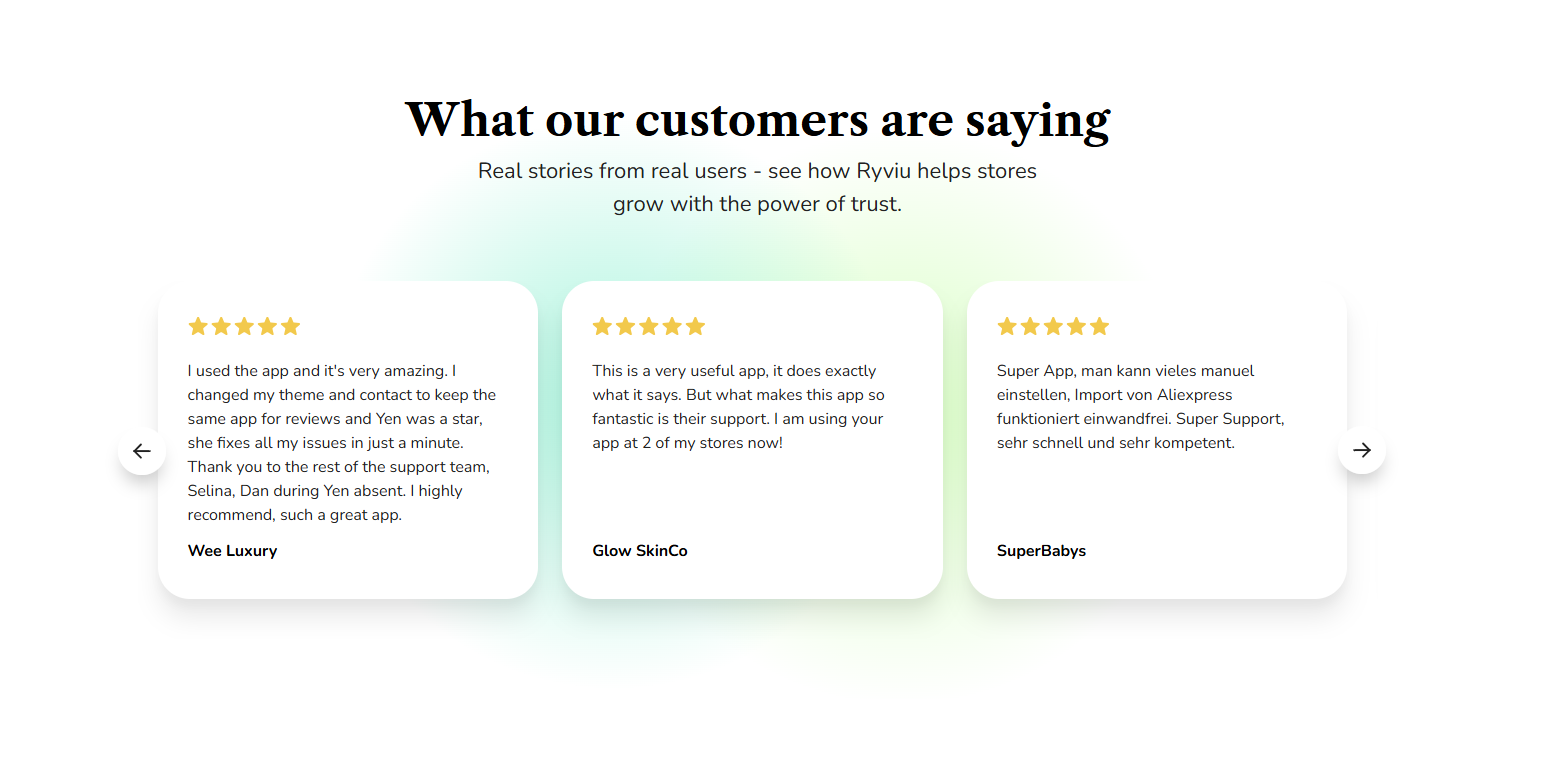
Collecting and managing micro-testimonials manually can be time-consuming. This is where review platforms play a crucial role. They help businesses gather, organize, and display customer feedback efficiently.
A tool like the Ryviu review app simplifies this process by allowing businesses to import, customize, and showcase reviews seamlessly. It enables you to extract short, impactful snippets from longer reviews and turn them into effective micro-testimonials. This makes it easier to maintain a steady flow of fresh, relevant social proof.
To scale your micro-testimonial strategy, consider these approaches:
Micro-testimonials are not a one-time tactic, they require ongoing optimization. As customer preferences and behaviors evolve, so should your approach. Regular updates ensure that your testimonials remain relevant and effective.
Consistency is also key. Using a unified tone, style, and placement strategy helps create a cohesive experience. Over time, this builds stronger trust and brand credibility.
To maintain long-term success, follow these best practices:
Micro-testimonials are a powerful yet simple way to support quick purchase decisions. By delivering clear, concise, and authentic feedback, they help customers feel confident in their choices. When used strategically, they can reduce friction, enhance trust, and significantly improve conversion rates.
As eCommerce continues to evolve, the ability to communicate value quickly will become even more important. Micro-testimonials offer a practical solution that aligns perfectly with modern consumer behavior. With the right tools and approach, businesses can turn small snippets of feedback into big results.