New to Shopify? Free trial, then $1/month for your first 3 months. Start free trial →
 Where is your store?
Ryviu works with both – pick yours to continue.








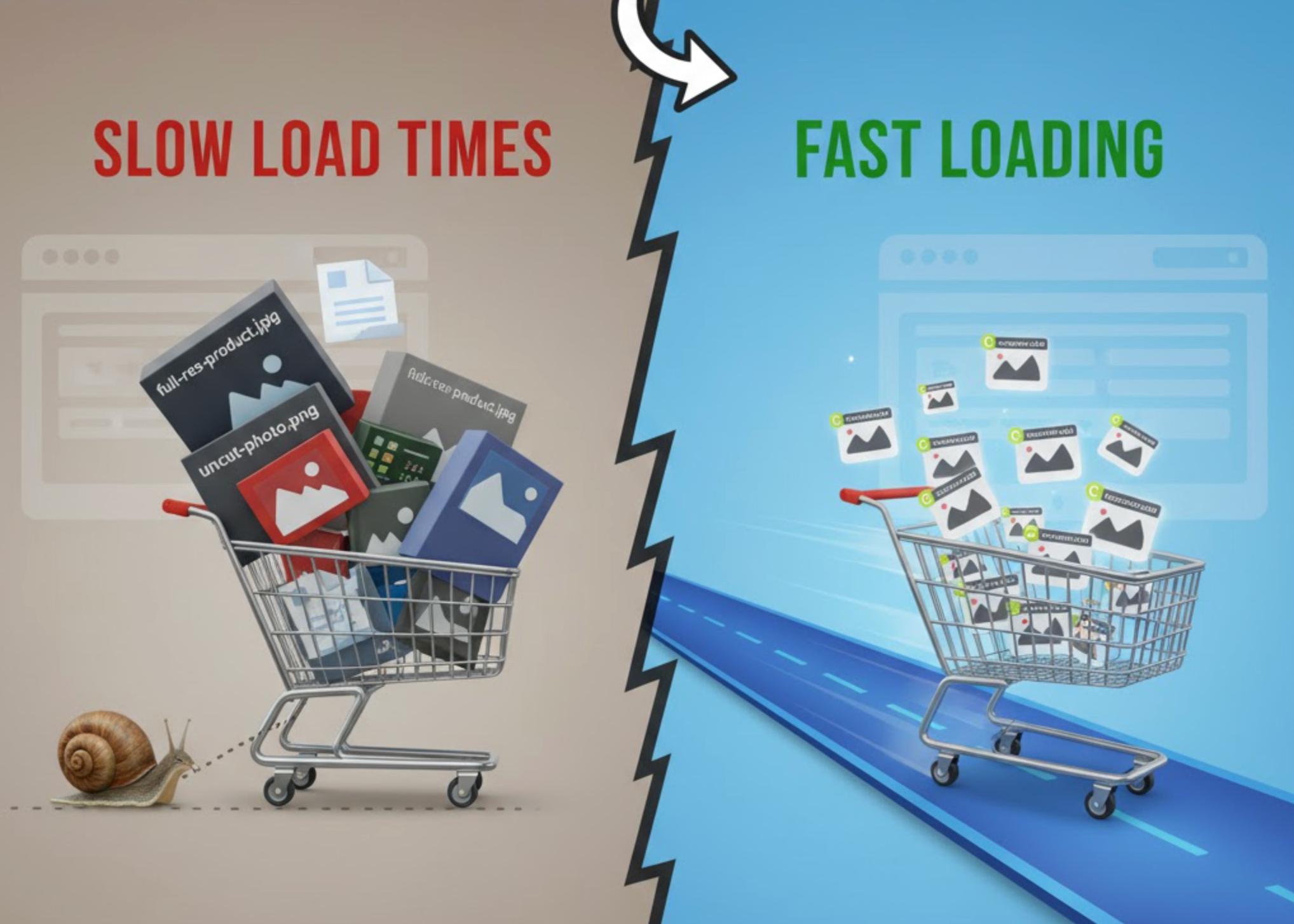
In the world of eCommerce, visuals are everything. High-quality images are essential for showcasing products, building brand credibility, and creating a memorable shopping experience. They allow customers to examine product details, understand colors and textures, and imagine themselves using the item. However, high-resolution images can negatively affect website performance if left unoptimized. Large images can significantly slow down your site and frustrate visitors. This is where image compression becomes vital. By reducing the file size of images without significantly affecting visual quality, online stores can improve both user experience and overall performance. Let’s explore why image compression is crucial and how it can directly impact your business.
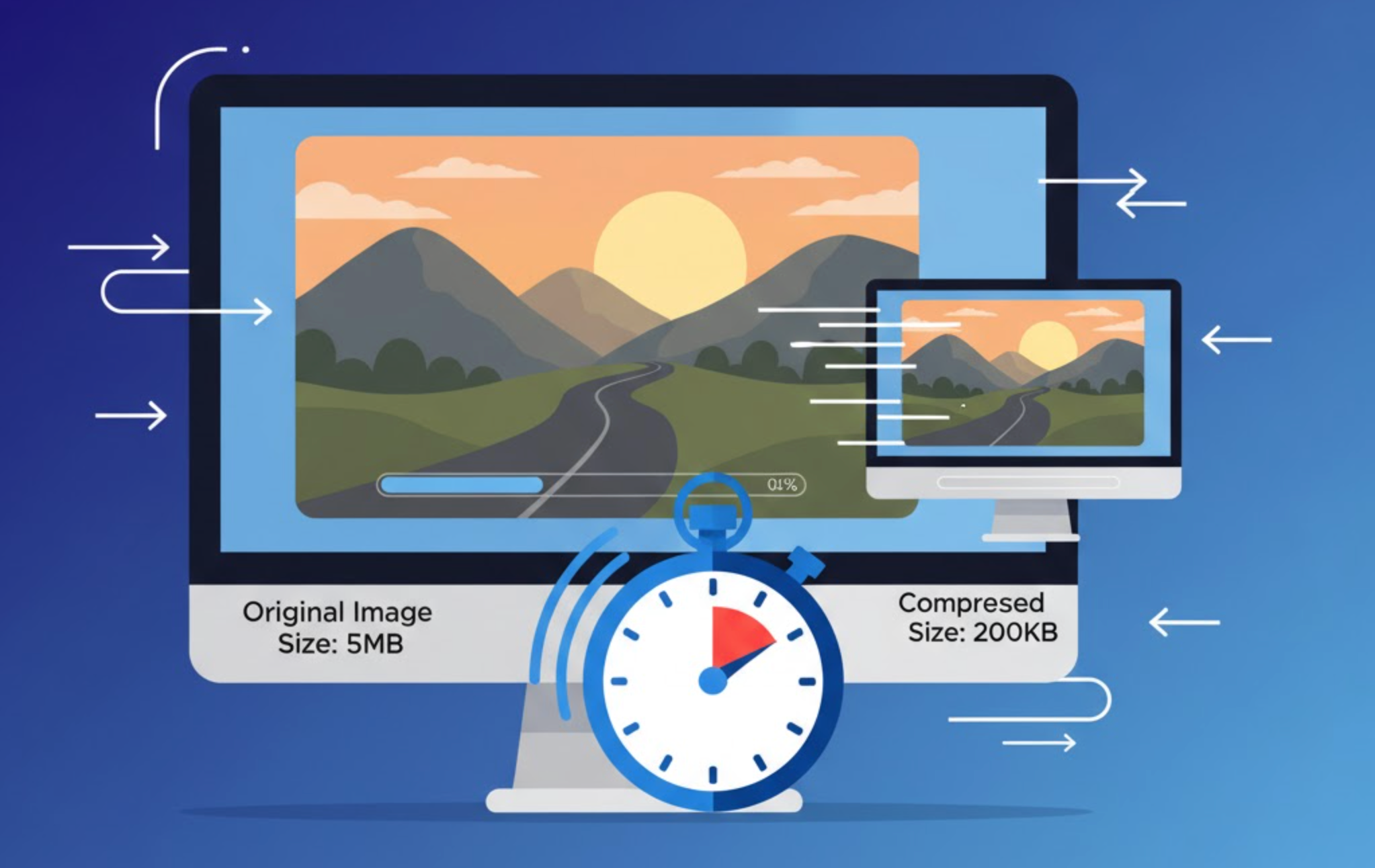
Page speed is one of the most critical factors for online stores. Every second of delay can frustrate visitors and lead to lost sales. Studies show that even a one-second delay in page loading can decrease conversions by up to 7%. High-resolution images can dramatically slow down your website if they are not optimized. For example, product pages with multiple large images can take several extra seconds to load, which is enough to make a customer leave.
By compressing images, file sizes are reduced, allowing pages to load faster. Faster load times keep shoppers engaged, encourage them to browse multiple products, and increase the likelihood of completing a purchase. A speedier website can also handle higher traffic volumes without additional server strain, making your store more reliable during sales or promotions.

Mobile commerce is now the dominant way people shop online, with over half of all eCommerce traffic coming from mobile devices. Mobile users often rely on slower or inconsistent internet connections, which can make large images a major obstacle. Pages with uncompressed images may load slowly, freeze, or fail to load entirely, frustrating customers and increasing bounce rates.
Image compression ensures that mobile users can access product visuals quickly and enjoy smooth browsing. For instance, a clothing store that compresses images can deliver high-quality product photos that load instantly on smartphones. A mobile-friendly store boosts engagement, encourages repeat visits, and ultimately leads to more sales in today’s mobile-first market.
Search engines prioritize user experience, and page speed is a key ranking factor in SEO algorithms. Websites that load slowly are penalized in search results, which can reduce organic traffic and limit your store’s visibility. Compressed images help improve page load times, making your website more attractive to search engines.
In addition, faster-loading pages improve user engagement metrics, such as session duration, pages per visit, and bounce rate. All of these factors indirectly contribute to higher SEO rankings. For example, a product page that loads in under three seconds keeps visitors exploring multiple items, signaling to search engines that your content is valuable and user-friendly. Optimized images therefore support both better rankings and higher organic traffic.
Every time a customer visits your online store, data is transferred from your server to their device. Large image files consume more bandwidth, which can lead to higher hosting costs and slower performance during traffic spikes. Stores with hundreds or thousands of products are particularly affected by high data usage.
By compressing images, the amount of data transferred is reduced, making your store more efficient and cost-effective. For example, an online electronics store that compresses images across its catalog can save significant bandwidth each month, reducing hosting expenses while providing a consistent browsing experience for all users. Efficient image management is not only economical but also essential for scaling your store.
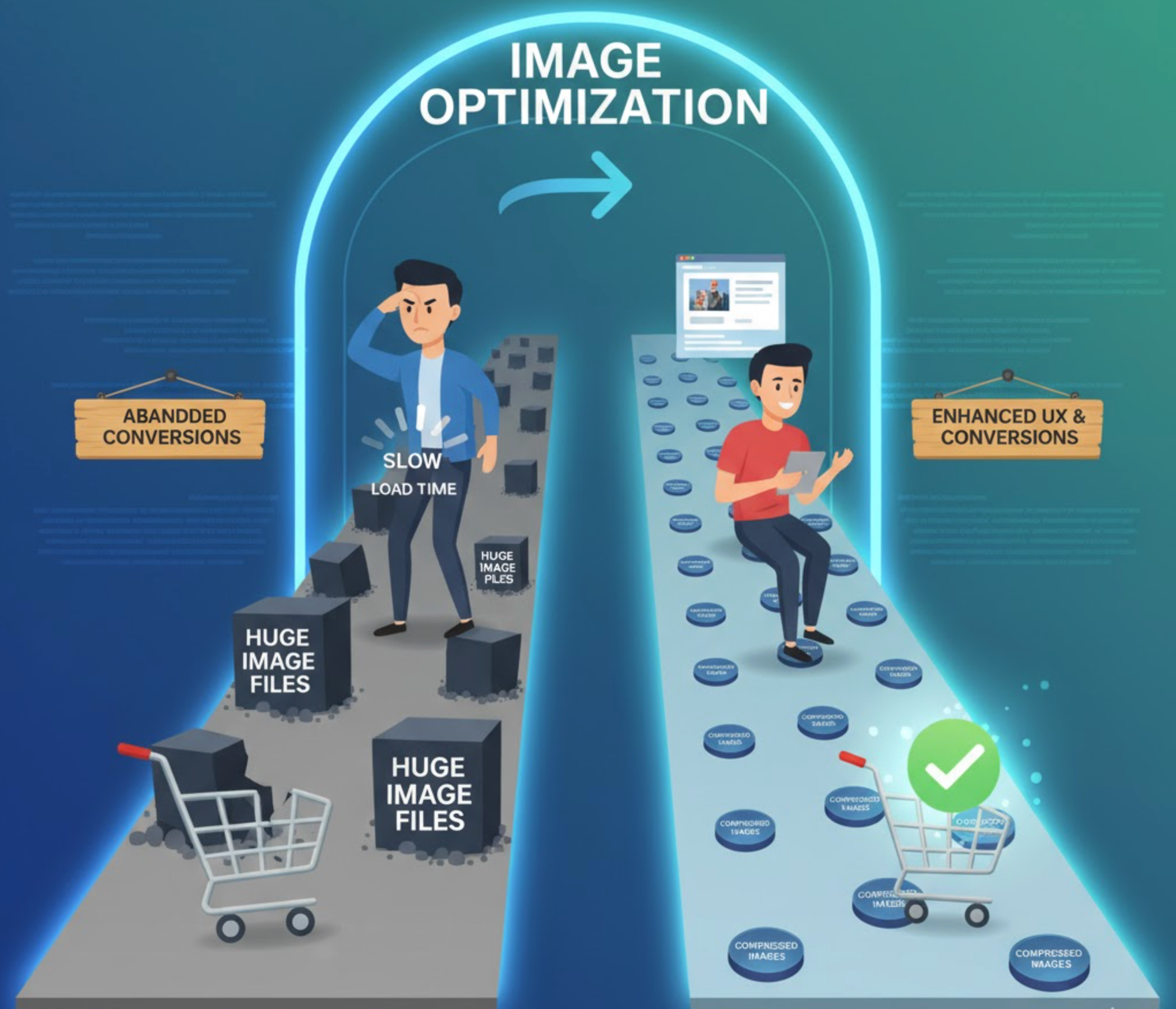
User experience directly affects sales. Customers expect websites to load quickly and display product images without delay. Slow-loading images frustrate shoppers and often lead to abandoned carts. Compressed images, however, load instantly, allowing customers to view products without interruption.
This smooth experience encourages visitors to explore more products and builds trust in your store’s professionalism. For instance, an online furniture store that compresses images allows customers to see detailed photos of sofas and tables immediately, increasing their confidence in making a purchase. Fast-loading visuals play a major role in turning visitors into loyal customers.
Some people assume that image compression always reduces quality. In reality, modern compression tools allow for lossless or near-lossless optimization. This means you can reduce file sizes while maintaining crisp and professional-looking images.
For example, a jewelry store can display intricate designs and gemstone details using compressed images that remain sharp and clear. Balancing visual appeal with performance ensures that your store looks professional while staying fast and responsive. High-quality visuals combined with optimized performance create a strong competitive advantage in a crowded eCommerce market.
As your online store grows, the number of product images increases as well. Without proper optimization, a once-fast website can become sluggish and difficult to manage. Implementing a consistent image compression strategy ensures that your website remains fast and user-friendly, even as your catalog expands.
Future-proofing your store also prepares it for new technologies, higher traffic volumes, and increased customer expectations. For example, stores adding high-resolution lifestyle images or 360-degree product views can maintain speed and performance by compressing images in advance. Optimizing images now saves time and ensures your business can scale efficiently.
Many online stores rely on features such as image galleries, product zoom, or interactive 3D views. These features enhance shopping experiences but require high-quality images, which can slow down your site if not optimized. Compressed images make it possible for these features to function smoothly while maintaining page speed.
For instance, a fashion store that offers a “zoom-in” feature on clothing textures can provide detailed views without slowing down the website. Optimized images allow advanced features to enhance the shopping experience rather than hinder it.
Image compression is more than a technical adjustment; it is a strategic necessity for online stores. Optimized images improve page speed, enhance mobile usability, boost SEO, reduce hosting costs, and create a smooth shopping experience that encourages conversions. Modern compression tools allow you to maintain high visual quality while achieving these performance benefits.
Investing in image optimization is essential for long-term success in eCommerce. Compressed images keep your store visually appealing, fast, and competitive in a digital landscape where every second counts. Whether you are just starting or managing a large catalog, image compression ensures that your store remains efficient, user-friendly, and capable of converting visitors into loyal customers.