New to Shopify? Free trial, then $1/month for your first 3 months. Start free trial →
 Where is your store?
Ryviu works with both – pick yours to continue.








One of the biggest shifts in shopping behavior this year has undoubtedly come from the impact of the coronavirus. People stay home and keep the social distance to help prevent the spread of virus. Then, shopping online to be more and more powerful.
In that case, product reviews play an important role to increase the conversion rate and boost your sales. There are many product reviews apps to install. In this article, I’d like to talk about Ryviu and Yotpo, and why you should use Ryviu instead of Yotpo.
Rating: 4.9
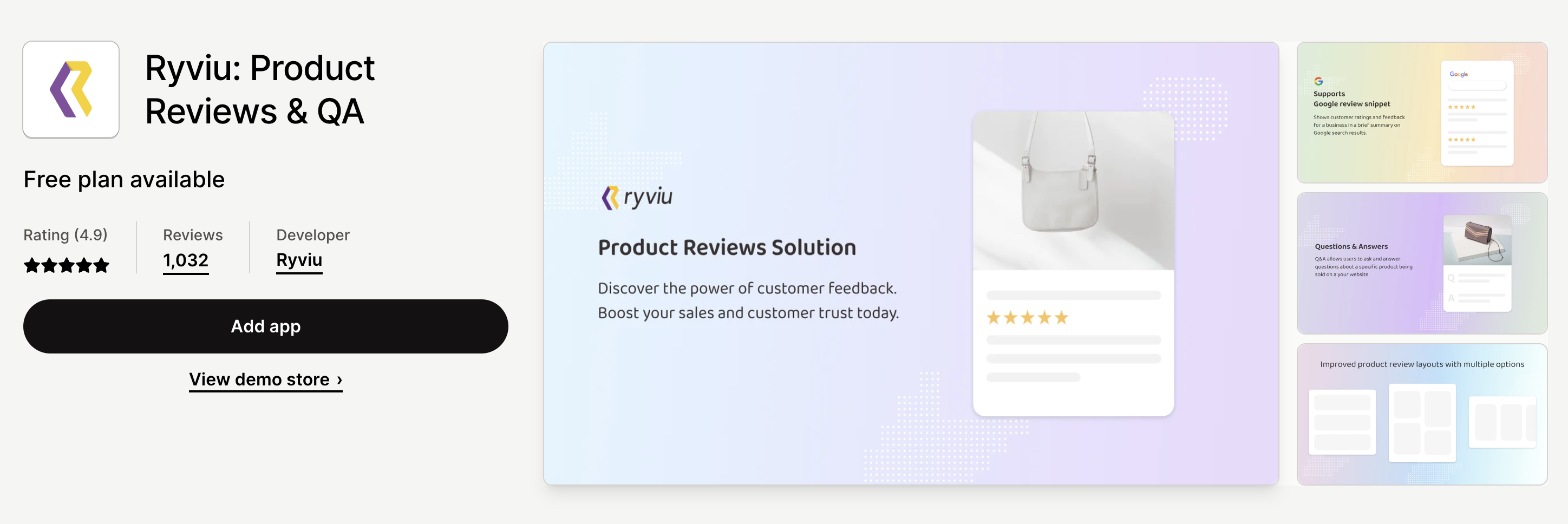
Ryviu has both Free and Paid plans. It also offers 7-day trial when you first installing our app in order to In order to provide you a quick look for the the paid features. If you switch your account from a monthly plan to a yearly plan, you will save up to 25%.
If you have a Shopify or a WooCommerce store, you can use Ryviu to:
Please click here to see the features in detail. It is simple to install Ryviu app for Shopify store. You will easily to customize color, text, and theme to fit your design.
Rating: 4.9

Yotpo helps you to collect reviews from customers. It supports you to send emails to collect reviews with images and showcase reviews, Q&A on your store. It also has both Free and Paid membership:
Here is a summary of what you can do if you are Free:
If you pay, you can get Free features and other services such as Photos in Reviews, Rich Snippets, Coupons, option to collect both site & product reviews in one flow. Users can also get the assistance via live support.
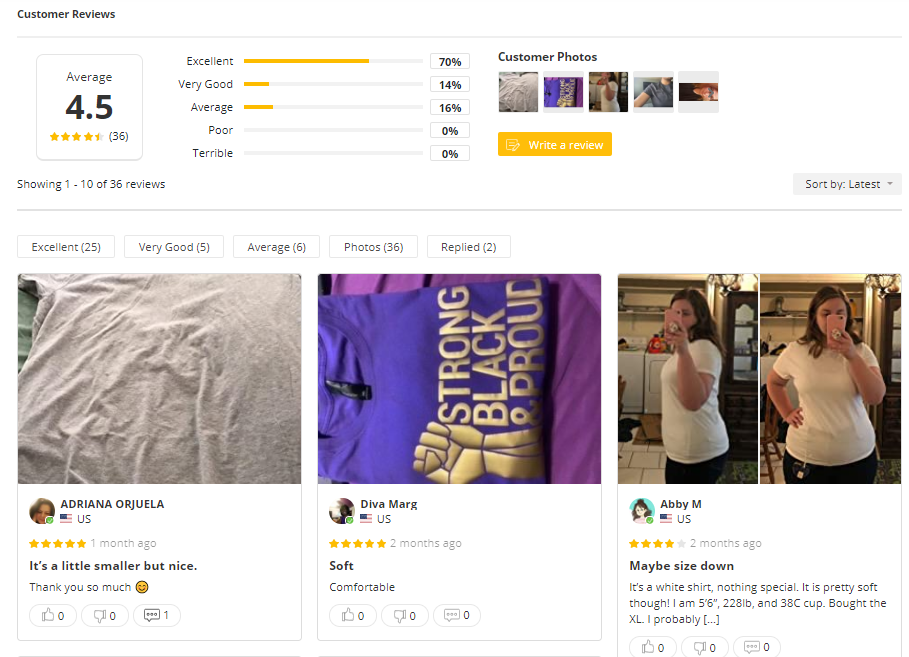
In general, both Ryviu and Yotpo has basic features that a product review app should have. However, the features that Yotpo brings are not enough.
With these above reasons, Ryviu is a better choice. I believe that this article is useful and you can see the benefits that Ryviu brings to you. If you have any feedback or suggestion to help us improve Ryviu app, please let us know your thoughts.