New to Shopify? Free trial, then $1/month for your first 3 months. Start free trial →
 Where is your store?
Ryviu works with both – pick yours to continue.








Expanding your WooCommerce store into multiple countries allows you to reach new audiences, increase conversions, and strengthen long-term growth. However, ranking internationally requires more than simple translation, it demands multilingual SEO, localization, and technical precision. When implemented properly, your store can appear in regional search results and deliver a seamless experience to global customers.
Multilingual SEO ensures your WooCommerce store becomes visible, accessible, and relevant to audiences across different languages and regions. It helps your brand connect more authentically with international shoppers, align content with their cultural expectations, and boost overall trust. By investing early in multilingual SEO, you create a strong foundation that supports higher rankings, stronger engagement, and better global conversions.
To understand why multilingual SEO is essential for long-term international growth, consider the following advantages:
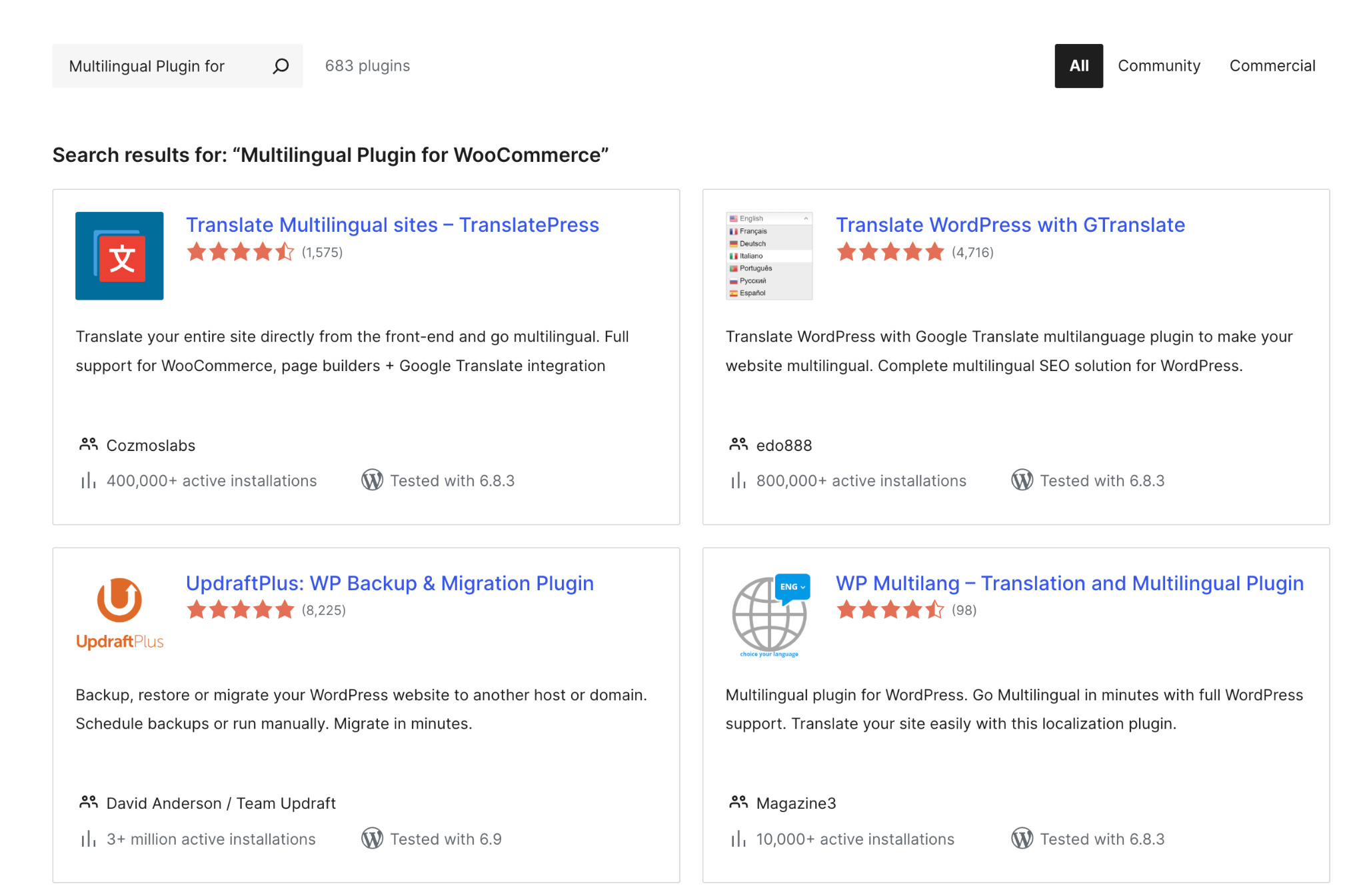
Choosing the right plugin determines how efficiently you can translate content, manage languages, and maintain SEO-friendly structures across regions. A reliable multilingual plugin ensures your product pages, categories, variations, and URLs stay organized as you scale internationally. It also reduces the risk of technical errors that can hurt rankings.
As you prepare for global expansion, selecting the right plugin makes all upcoming steps easier and more effective.
Clear language-specific URLs help search engines understand exactly which audience each page targets. A proper structure prevents indexing confusion and improves your ability to rank in different markets. It also gives users confidence that they are browsing the correct localized version of your store.
Once your URLs are set, you can build the rest of your multilingual SEO on a clean and scalable foundation.
Hreflang tags tell Google which language or regional version of a page should appear to specific users, preventing duplicate content conflicts. Without them, search engines may show the wrong page, leading to lower engagement and poor user experience. Proper hreflang setup ensures every visitor reaches the correct localized content.
Once hreflang is configured correctly, each version of your website becomes clearer and more discoverable.
Translation makes your content readable, but localization makes it persuasive and culturally relevant. Different regions may respond better to different tones, benefits, or terminology, so localized product pages improve both rankings and conversions. Search engines also rank pages higher when content aligns with local search intent.
With localization done well, each product page becomes more compelling and locally competitive.
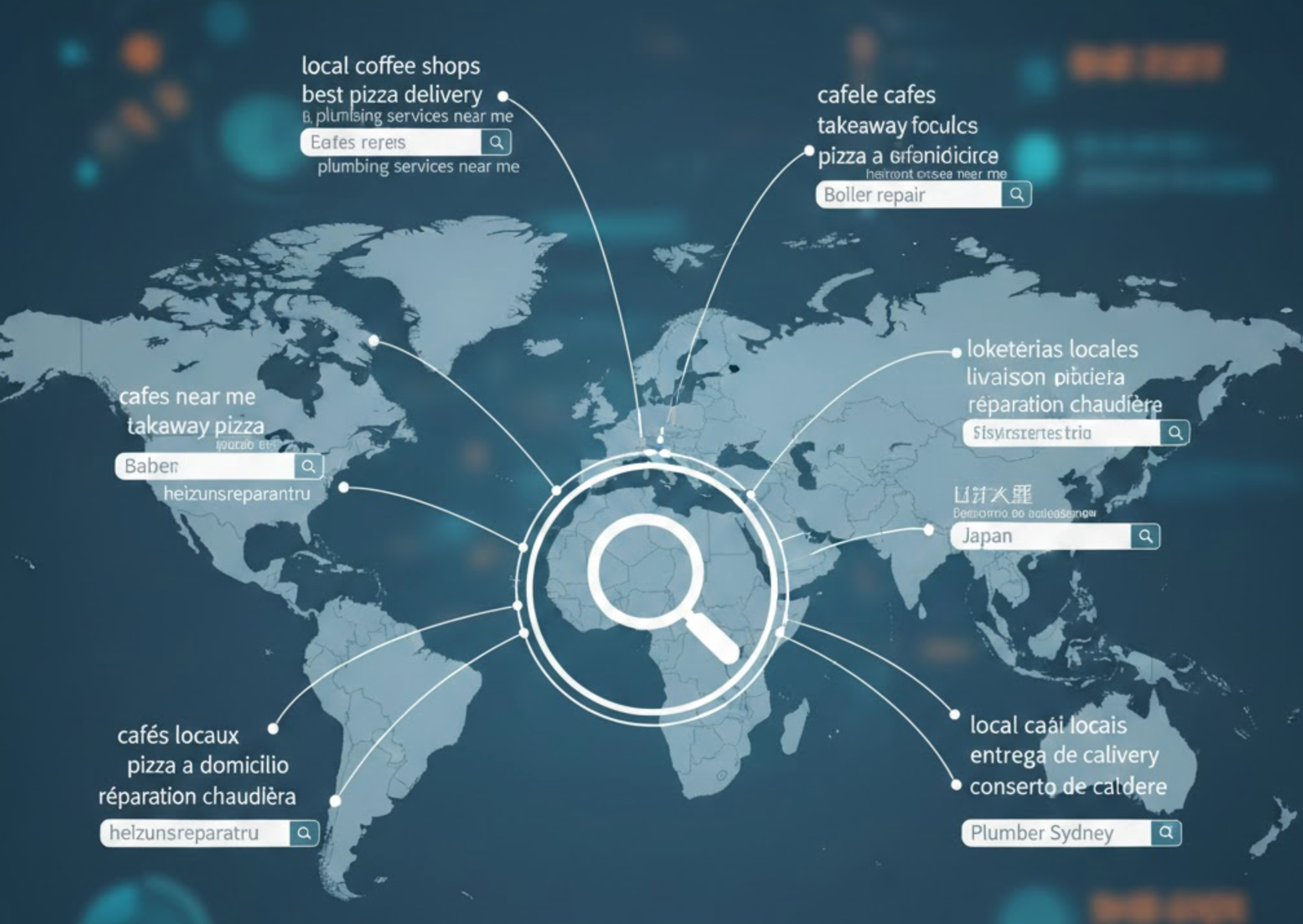
Search behavior varies significantly across countries, even for the same language, which means keyword research must be done separately for each region. Local slang, terminology, and product phrasing influence what users search for, and what Google chooses to rank. Targeting the wrong terms will limit your visibility even if your content is translated.
Once you identify accurate regional keywords, your SEO becomes more aligned with real local search needs.
Visitors located far from your hosting server may experience slower load times, which can hurt engagement and ranking signals. Speed is a core SEO factor, and global users expect fast, seamless browsing regardless of location. Optimizing performance ensures all language versions load quickly for every country.
With global speed improvements, your site becomes more competitive across international search engines.
Backlinks from local websites signal regional authority, which strongly influences international ranking potential. When your store receives links from country-specific blogs, media, or influencers, search engines view your website as relevant in that region. This is essential for boosting visibility in local search results.
With local backlinks added, each country version gains greater trust and ranking strength.
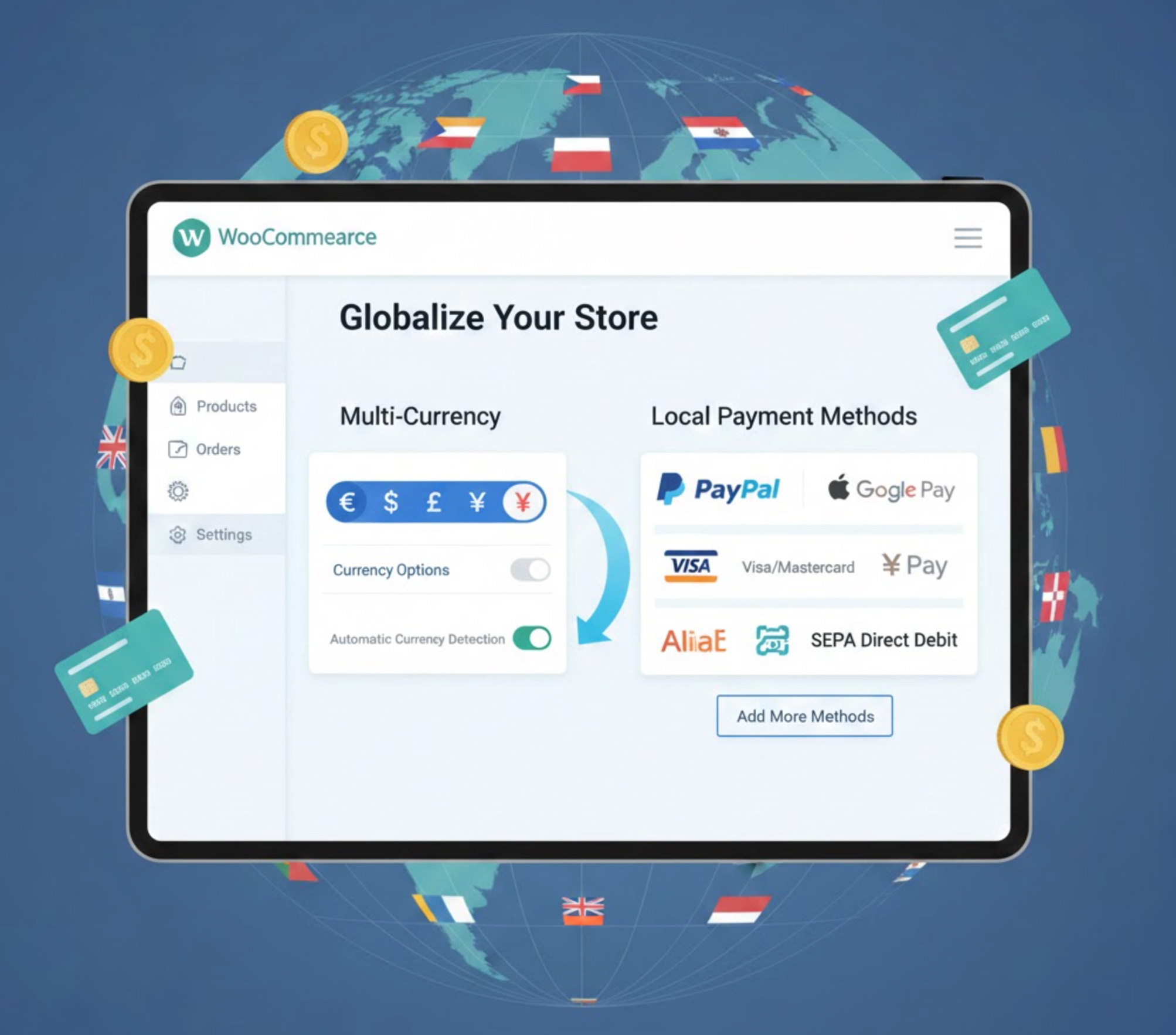
Customers are far more likely to buy when they see familiar currencies and trusted regional payment gateways. Displaying localized pricing also reduces checkout friction and issues caused by conversion confusion. Search engines indirectly benefit when user experience improves, leading to stronger engagement signals.
With local currency support in place, your store feels more natural and trustworthy to each regional audience.
Each language version must have its own metadata, schema markup, and indexation rules to rank correctly. Search engines treat each localized page independently, so weak technical SEO in one language can reduce visibility in that region. Ensuring accurate technical configuration helps Google crawl, understand, and rank your pages properly.
With technical SEO set up correctly, each language version becomes optimized for long-term regional ranking.
Ranking a WooCommerce store in multiple countries requires more than direct translation, but it requires precise localization, technical optimization, and careful attention to regional search behavior. By strengthening your URLs, hreflang setup, localized content, global speed, and regional backlinks, you build an international SEO framework that scales with your business. With the right multilingual strategy in place, your store can confidently rank, attract, and convert customers across markets worldwide.