New to Shopify? Free trial, then $1/month for your first 3 months. Start free trial →
 Where is your store?
Ryviu works with both – pick yours to continue.








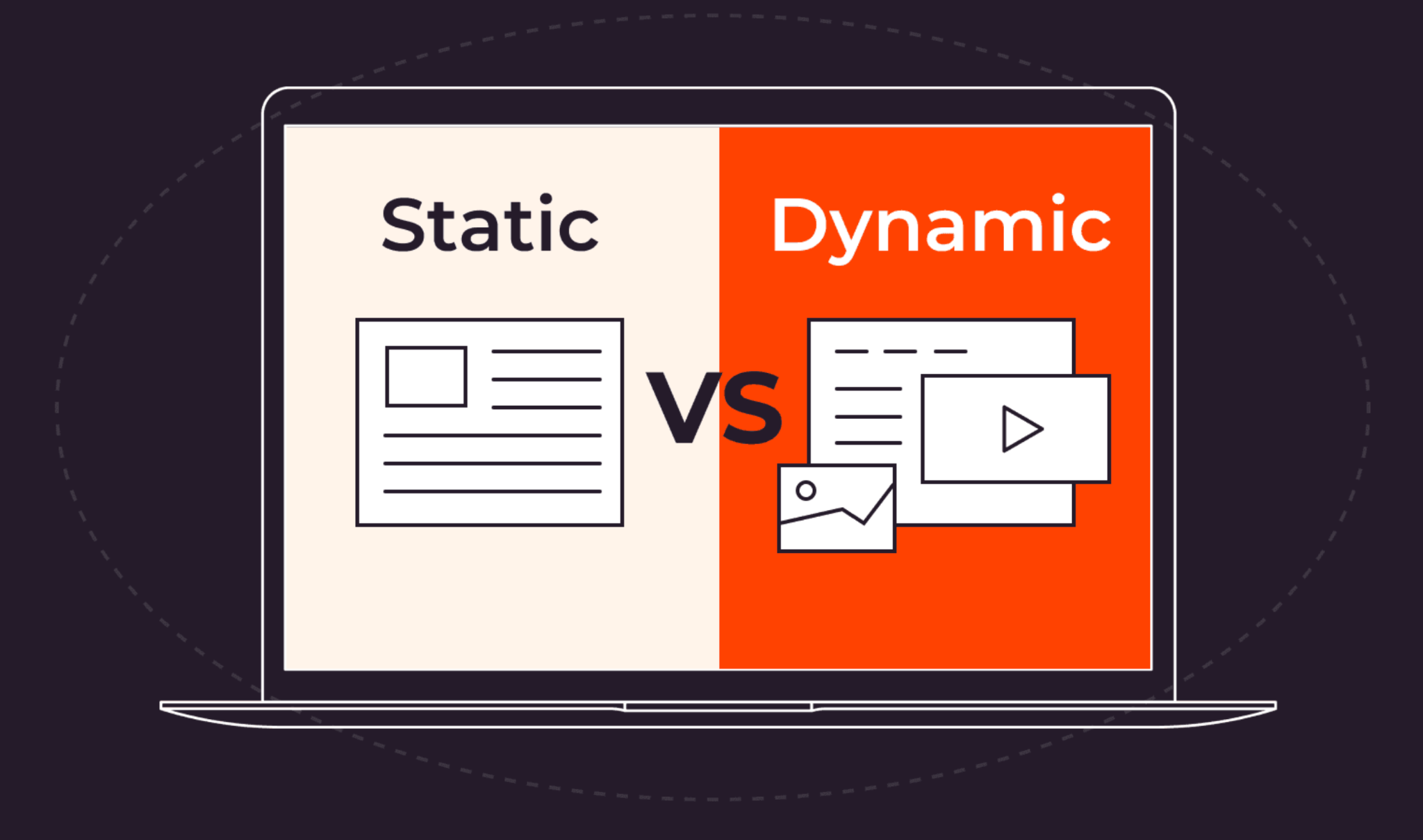
Product filtering is one of the most powerful elements in any ecommerce store’s navigation and browsing experience. When done well, filters help shoppers find the right product fast, reducing frustration, shortening the decision-making process, and ultimately improving conversions. But not all filter systems behave the same. Two of the most common models you’ll find are static filters and dynamic filters.
While both serve the same purpose, they create very different user experiences. Understanding these differences is essential if you want to optimize your product discovery flow and turn browsers into confident buyers.
In this article, we’ll break down what static filters and dynamic filters are, how they work, their pros and cons, and most importantly, which one converts better based on modern shopping behavior.
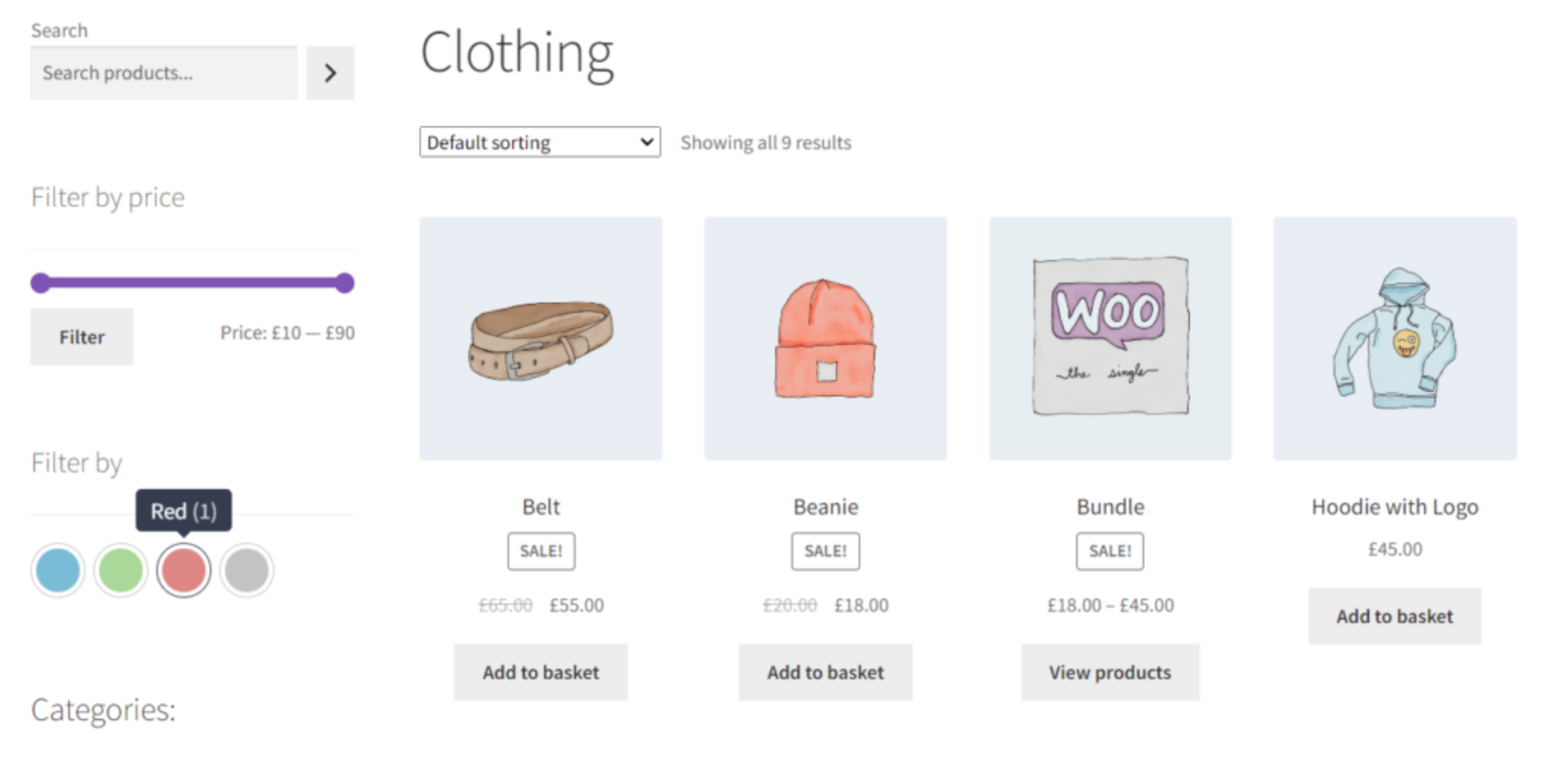
Static filters are pre-defined filter options that display the same way for every shopper regardless of the current product selection. They remain unchanged even if a particular attribute doesn’t apply to the products currently shown.
Static filters appear as a fixed list. For example, in a clothing store, you may always see filters like:
These options stay visible even if some values result in zero products.
Static filters bring several advantages, especially for straightforward or smaller catalogs:
However, static filters come with usability challenges:
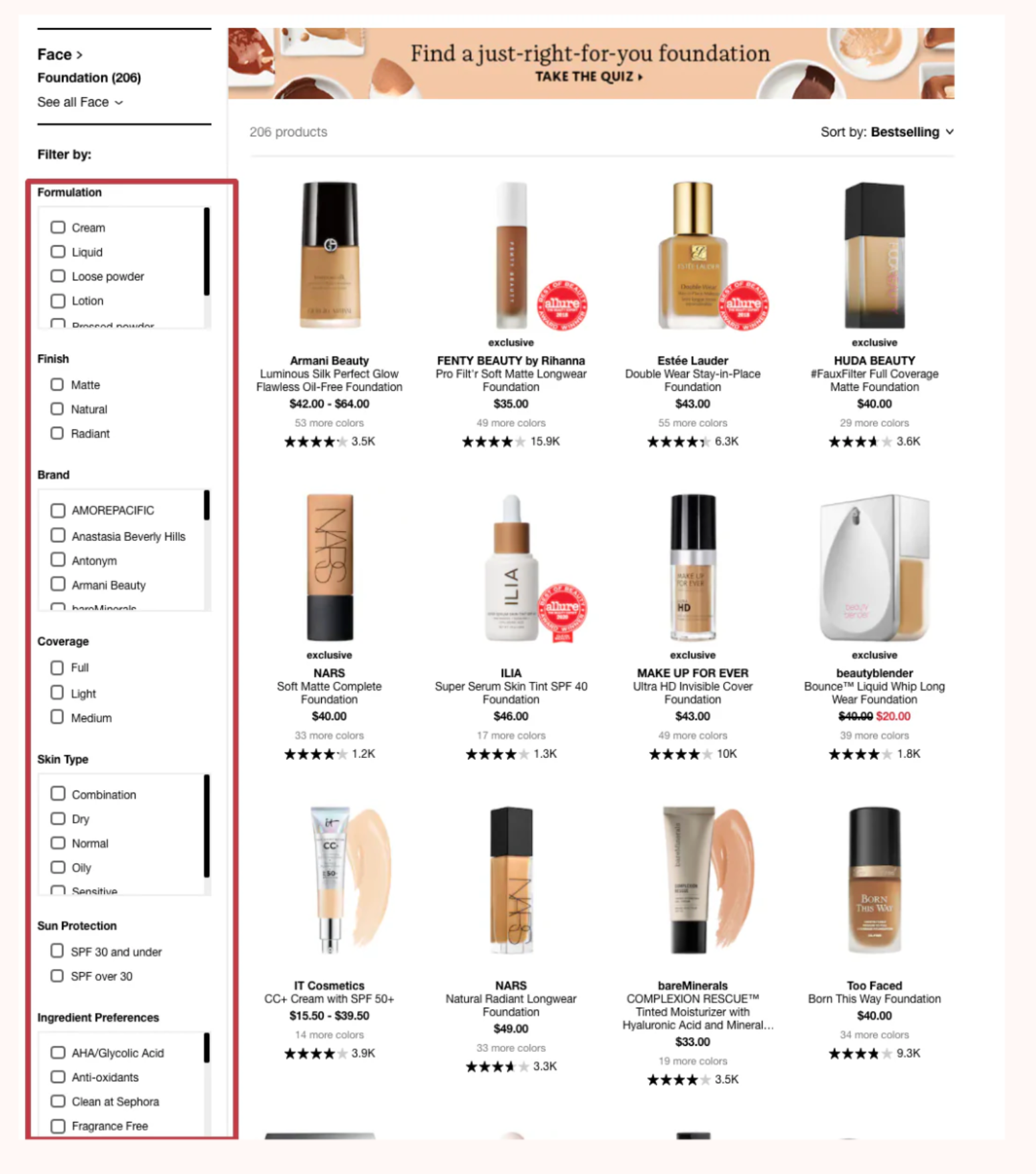
Dynamic filters automatically adjust based on available products. The system updates filter values in real time, ensuring shoppers only see relevant options.
If a shopper is viewing winter jackets and only black and brown colors are available in stock, dynamic filters will hide or gray out other irrelevant colors. This tightens the search path and improves efficiency.
Dynamic filtering is becoming the standard for modern eCommerce because it delivers:
While powerful, dynamic filters also have downsides:
Choosing between dynamic and static filtering systems can significantly influence the clarity, speed, and overall satisfaction of your product discovery experience. Since filters directly shape how shoppers explore your catalog, it’s important to understand how each type performs in real scenarios. The following comparison breaks down both filter systems across essential criteria to help you see not only how they differ but also why those differences impact conversion.
A key element of an effective filtering system is how relevant the displayed options are to a shopper’s current context.
Because relevance is closely tied to user satisfaction, filters that adapt in real time naturally guide shoppers toward faster decisions, setting dynamic filters ahead of static ones in this category.
Winner: Dynamic filters, thanks to their ability to align with real-time product availability.
The way filters shape the navigation journey can directly influence how long users stay on your site and how easily they find what they want.
Since online shoppers value speed and convenience, any friction, like dead ends or redundant options, can reduce engagement, giving dynamic filters a clear advantage here.
Winner: Dynamic filters, due to their ability to maintain uninterrupted and intuitive navigation.
Ultimately, the goal of filters is to increase the likelihood of a shopper completing a purchase.
Since conversion depends heavily on minimizing friction, dynamic filters generally create an environment that encourages faster and more confident buying.
Winner: Dynamic filters, because they consistently reduce frustration during the decision stage.
Different catalogs benefit from different levels of filter sophistication.
As most modern ecommerce stores expand over time, dynamic filters often future-proof your navigation more effectively than static configurations.
Winner: Depends on catalog size, but dynamic filters win for most growing stores.
As your store evolves, your filtering system must keep up.
The more your store evolves, the more important automation becomes, making dynamic filters a more reliable long-term solution.
Winner: Dynamic filters, due to their automation and adaptability.
A strong filtering system must work seamlessly on both large and small screens.
Since mobile traffic continues to dominate ecommerce, filters that streamline small-screen navigation offer a clear competitive advantage.
Winner: Dynamic filters, especially for mobile-first stores.
When comparing both side-by-side, dynamic filters outperform static filters in most ecommerce environments, especially when your store:
Static filters still have a place, mainly in very simple or niche catalogs. But for high-conversion performance, dynamic filters almost always provide the superior customer experience.
To help you select the right method, consider:
In many cases, stores combine both: having a static “base” set of categories but enabling dynamic filtering within each category for a hybrid experience.
Both dynamic and static filters play important roles in ecommerce, but they offer very different experiences. Static filters work when your catalog is stable and simple. However, as your inventory grows, or as customer expectations rise, dynamic filters become indispensable.
Since they adapt in real time, reduce friction, prevent zero-result pages, and guide shoppers effortlessly to the right products, dynamic filters almost always convert better. For most modern ecommerce brands, upgrading to dynamic filtering is one of the most effective ways to enhance product discovery and boost overall sales.