New to Shopify? Free trial, then $1/month for your first 3 months. Start free trial →
 Where is your store?
Ryviu works with both – pick yours to continue.








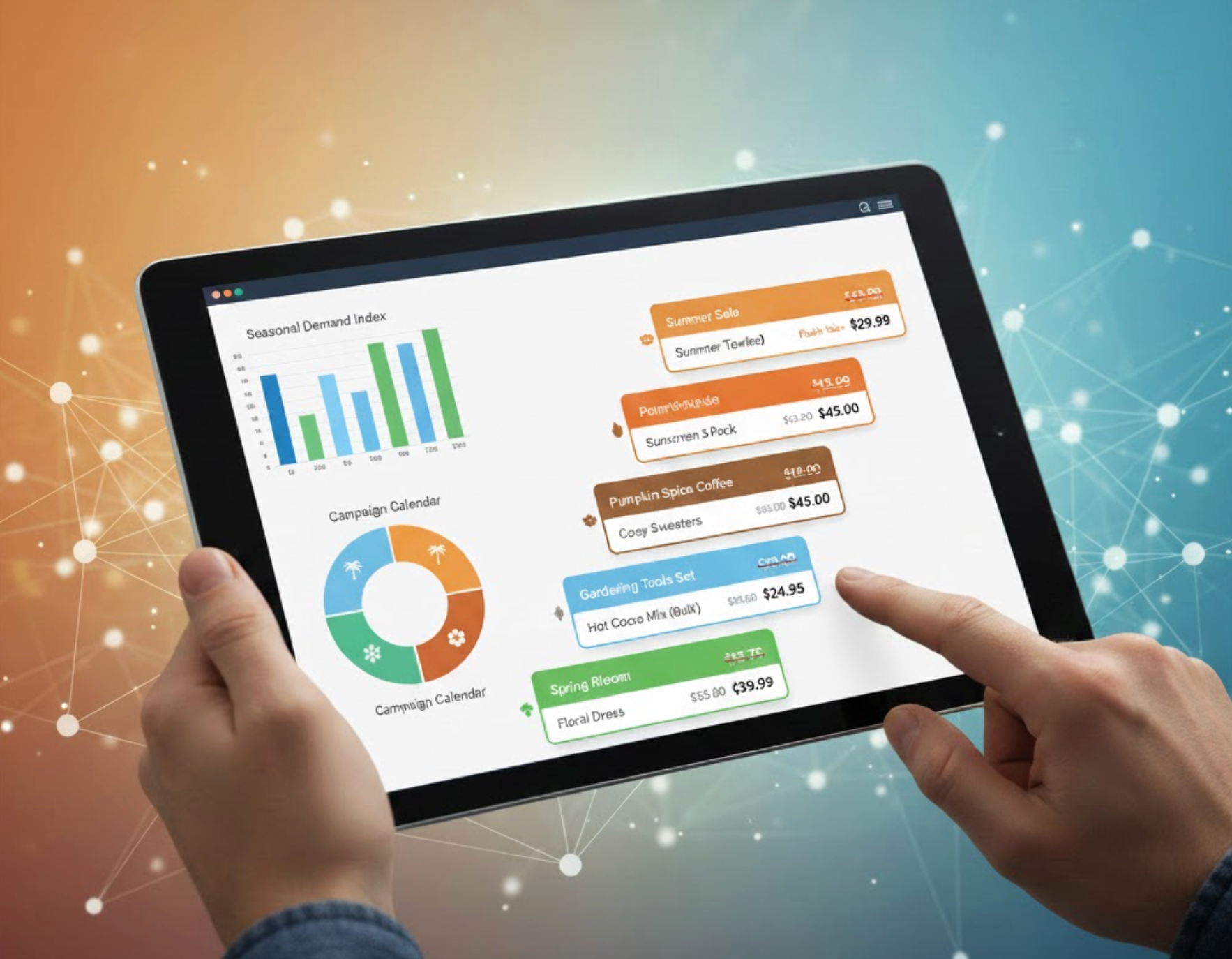
Seasonal campaigns continue to shape the way customers shop, bringing massive spikes in traffic and purchase intent across major holidays like Black Friday, Christmas, New Year, and Back-to-School. During these periods, shoppers are not only more active but also more sensitive to price differences, discounts, and value-added deals. As competition increases, brands must communicate their offers clearly while maintaining the flexibility to adjust prices as the season evolves. This is where dynamic pricing tables become an essential tool in your campaign strategy.
Dynamic pricing tables help businesses adapt their promotional pricing in real time, display seasonal deals transparently, and guide shoppers toward the best-value options. Since seasonal sales often involve rapid updates, flash deals, limited-time bundles, or exclusive tiers, dynamic pricing provides the agility you need to keep your offers competitive and compelling. In this guide, you'll learn what dynamic pricing tables are, why they matter, how to build them effectively, and how to apply best practices to maximize their impact.
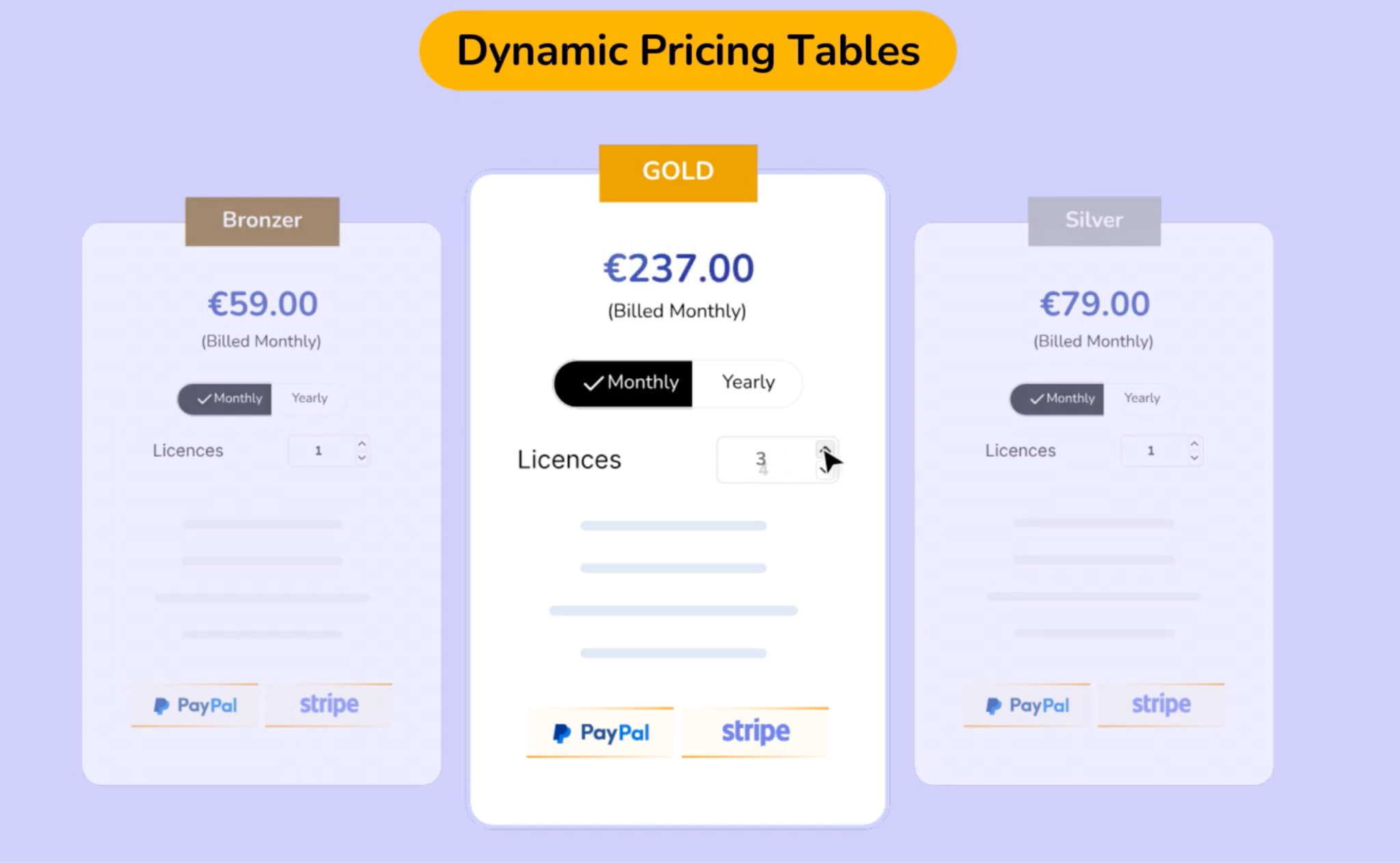
Dynamic pricing tables are modern, flexible versions of standard pricing tables that allow businesses to adjust prices automatically based on rules, triggers, or campaign phases. Instead of displaying fixed prices, the tables update themselves based on time periods, stock levels, user segments, seasonal promotions, or engagement metrics. This automation becomes especially valuable during seasonal campaigns where pricing changes frequently and must remain consistent across all customer touchpoints.
Imagine offering a Christmas Day-only discount, an hourly Black Friday flash sale, or a stock-based price drop. With dynamic pricing tables, customers always see the most accurate and up-to-date pricing from the moment they land on your site. This reduces confusion, builds trust, and increases the likelihood that shoppers will act quickly on time-sensitive offers.
A dynamic pricing table must include more than prices and labels. The structure, clarity, visual hierarchy, and user-friendly layout play essential roles in maximizing conversion rates. Below are the critical components explained with more details.
During seasonal promotions, businesses often introduce new versions of their products—holiday editions, special bundles, exclusive upgrades, or multi-product packs. Naming these clearly helps customers immediately understand the difference between each option. Labels such as “Holiday Saver Pack,” “Family Gift Bundle,” or “Black Friday Exclusive” instantly communicate value and seasonal relevance.
Long paragraphs below each pricing option consume time and overwhelm visitors. Instead, concise descriptions help customers quickly grasp the differences between packages. These descriptions should highlight only essential features such as included items, quantities, benefits, or seasonal perks like free gifts or extended warranties.
Most high-converting pricing tables include a highlighted option labeled as “Recommended,” “Best Value,” or “Most Popular.” The seasonal twist on this could be “Christmas Best Deal,” “Holiday Exclusive,” or “Top Selling Black Friday Deal.” Highlighting guides customers toward your ideal choice and creates a visual anchor that simplifies their decision-making process.
The core of dynamic pricing lies in how prices change based on real-time rules. This may include:
When customers see these changes reflected immediately, they perceive your offers as timely and authentic.

Elements like countdown timers, stock counters, or labels such as “Only 3 left at this price!” create urgency that pushes customers to act sooner. These cues work especially well during seasonal campaigns when limited availability naturally increases purchasing motivation.
Your calls-to-action should align with the spirit of the campaign. Examples include:
Seasonal campaigns generate fast-paced shopping behaviors. Customers comparison-shop aggressively, seek the best possible deals, and make rapid purchase decisions based on the timing and value of your promotions. Dynamic pricing allows your offers to remain competitive without requiring constant manual updates. Your team can set pricing rules in advance and let the tables adjust automatically as the campaign progresses.
Because seasonal sales often involve layered promotions, dynamic pricing also helps maintain consistency. Whether customers come from an email, an ad, or your homepage, they will see unified pricing that matches your promotional messaging. This strengthens trust and keeps the buying journey smooth and predictable.
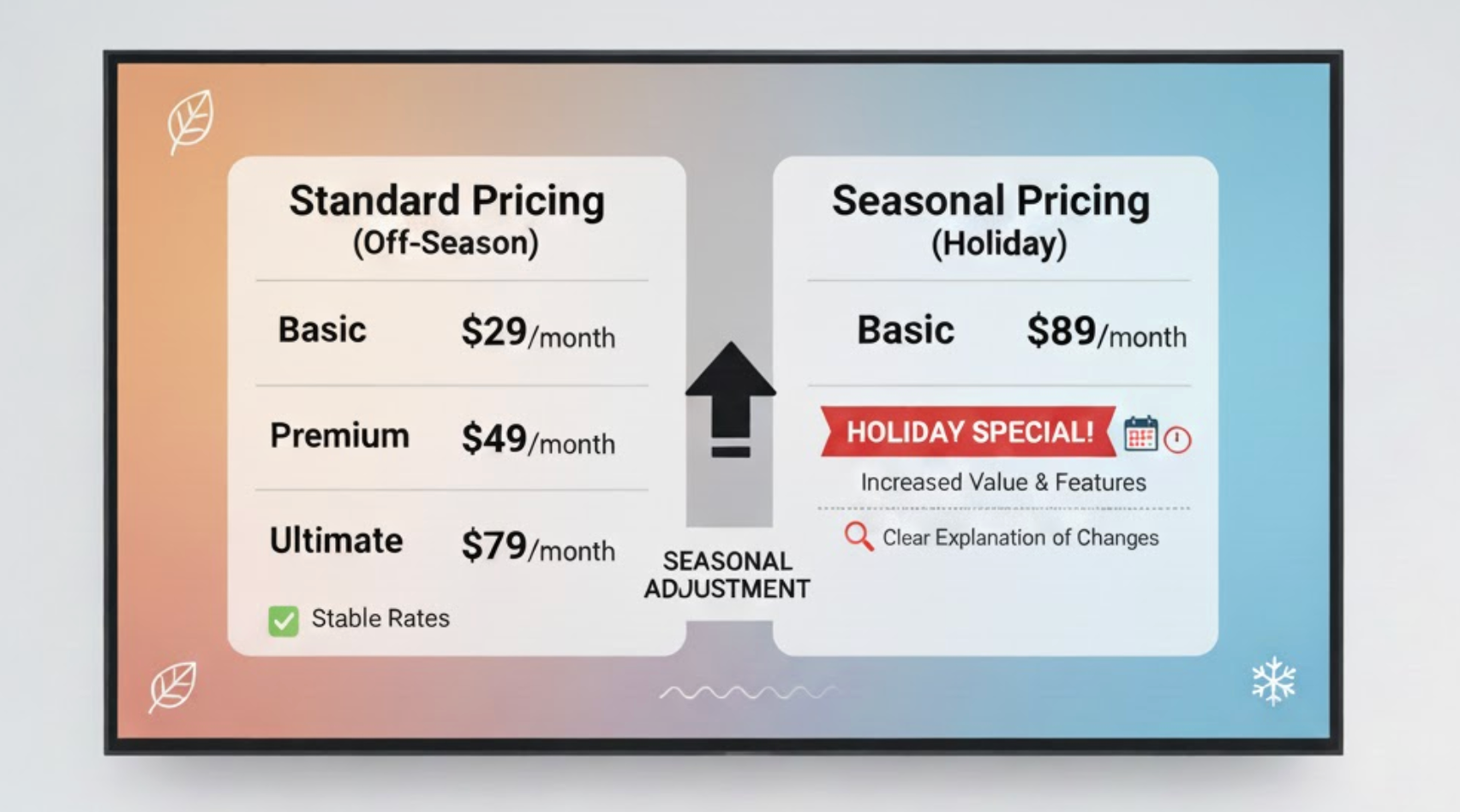
Dynamic pricing tables help customers instantly understand how seasonal pricing shifts affect the products or packages they’re considering. By presenting updated costs, discounts, and time-limited offers in one place, shoppers feel more informed and confident about making a decision. This transparency reduces confusion that often arises during major seasonal promotions when pricing fluctuates rapidly. As a result, customers perceive your brand as straightforward and trustworthy, which naturally strengthens their purchase intent.
Because dynamic pricing tables adapt instantly, shoppers always see the most relevant discounts aligned with their current shopping behavior. This responsiveness encourages faster decisions, especially during urgent seasonal moments like Black Friday or holiday clearance sales. When customers see a clear deal that matches what they want, and know it could change soon, they’re more likely to purchase immediately. Ultimately, real-time pricing becomes a powerful psychological nudge that shortens the browsing window and boosts conversion.
Manually updating prices during seasonal campaigns is time-consuming, especially if you manage multiple products or variants. Dynamic pricing tables centralize these updates, reducing operational work and minimizing human errors. This keeps your promotions consistent across product pages, landing pages, and ads without requiring last-minute corrections. As a result, your team can focus more on strategy and customer engagement rather than repetitive price adjustments.
Dynamic pricing tables allow you to tailor pricing based on customer profiles, behavior, or shopping history. By showing deals that feel specifically relevant, you create a more personalized experience that encourages customers to act quickly. Shoppers naturally respond better when they see pricing that matches their needs, like first-time-buyer discounts or loyalty rewards. Over time, this segmentation-driven approach boosts both customer satisfaction and long-term retention.
Because dynamic pricing tables can include countdowns, stock indicators, or limited-time tiers, they amplify urgency during peak buying seasons. This feeling of scarcity nudges customers to purchase sooner rather than delaying and potentially missing the best price. When urgency is visually integrated into the pricing structure itself, customers don’t need to search for extra promotional details. As a result, they move from interest to action more quickly and with greater confidence.
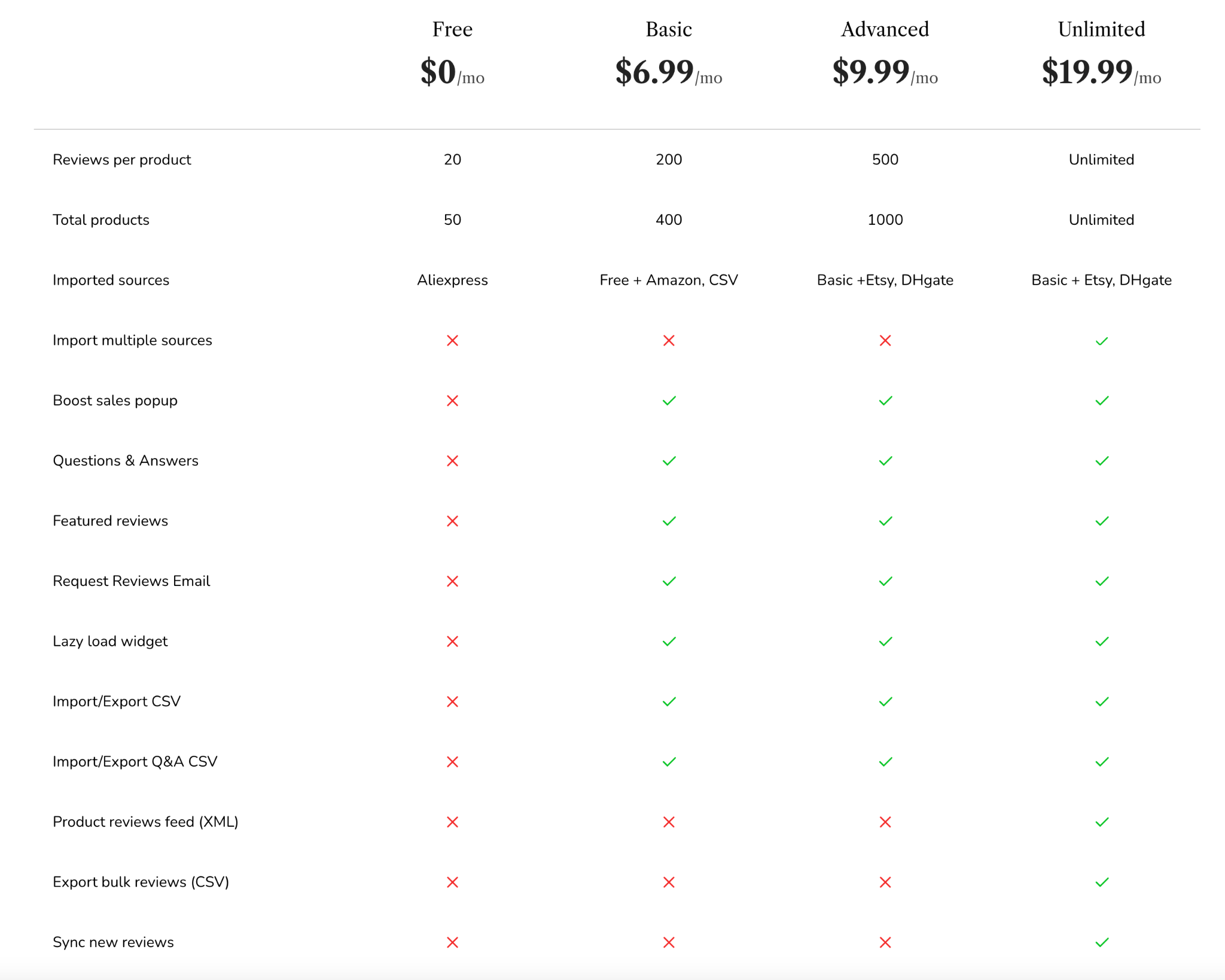
A well-structured dynamic pricing table helps customers compare seasonal offers side by side, making the value difference between packages extremely visible. This transparency encourages shoppers to choose higher-value packages because the benefits become unmistakably clear. It also prevents decision fatigue by simplifying the evaluation process during fast-paced seasonal campaigns. When customers can quickly see what they gain at each price point, they feel more satisfied with their final choice.
Creating a dynamic pricing table requires planning, design considerations, and strategic alignment with your promotional goals. Below is a detailed approach to building one effectively.
Seasonal campaigns work best when the pricing strategy is clearly defined before execution, ensuring that every dynamic update aligns with your promotional goals. Start by identifying which products or bundles will carry the strongest appeal during the season. This foundational clarity helps you design tables that highlight the right deals at the right time. As you build this foundation, it becomes easier to create pricing rules that support your overall campaign direction.
You can begin shaping this strategy effectively when you consider:
A well-defined strategy ensures your dynamic pricing table serves your campaign purpose and communicates the most attractive seasonal deals clearly.
The structure of your pricing table must match the type of seasonal promotion you’re running so shoppers can compare options easily. Some seasons require tiered pricing, while others work better with bundle comparisons or limited-time variants. Choosing the right format ensures customers understand your value proposition instantly without confusion. Once the format is clear, the rest of your design elements fall into place naturally.
You can select the appropriate format by identifying:
Selecting the right structure sets a strong foundation for clarity and ease of decision-making.
Dynamic pricing rules enable your table to change in real time based on triggers you define in advance. These automations eliminate manual updates during high-traffic seasons and keep your campaign consistent across all marketing channels. When your rules are well-designed, your pricing table becomes a powerful engine that adapts instantly to the customer journey. With automation in place, your seasonal promotions become more accurate, timely, and engaging.
Common dynamic rules you can apply include:
Automated rules ensure your seasonal pricing stays current, competitive, and conversion-focused at every campaign stage.
Visual design plays a major role in how customers interpret seasonal deals, especially when emotions influence holiday purchase decisions. Clear contrasts, standout highlights, and attention-grabbing labels help shoppers recognize the best-value option quickly. Seasonal colors and icons strengthen the festive mood, making your pricing table feel more relevant to the campaign. With strong visuals, customers navigate your offers with higher confidence.
Here are some visual elements that make pricing tables more compelling:
Intentional visual design helps your dynamic pricing table communicate value instantly and persuasively.
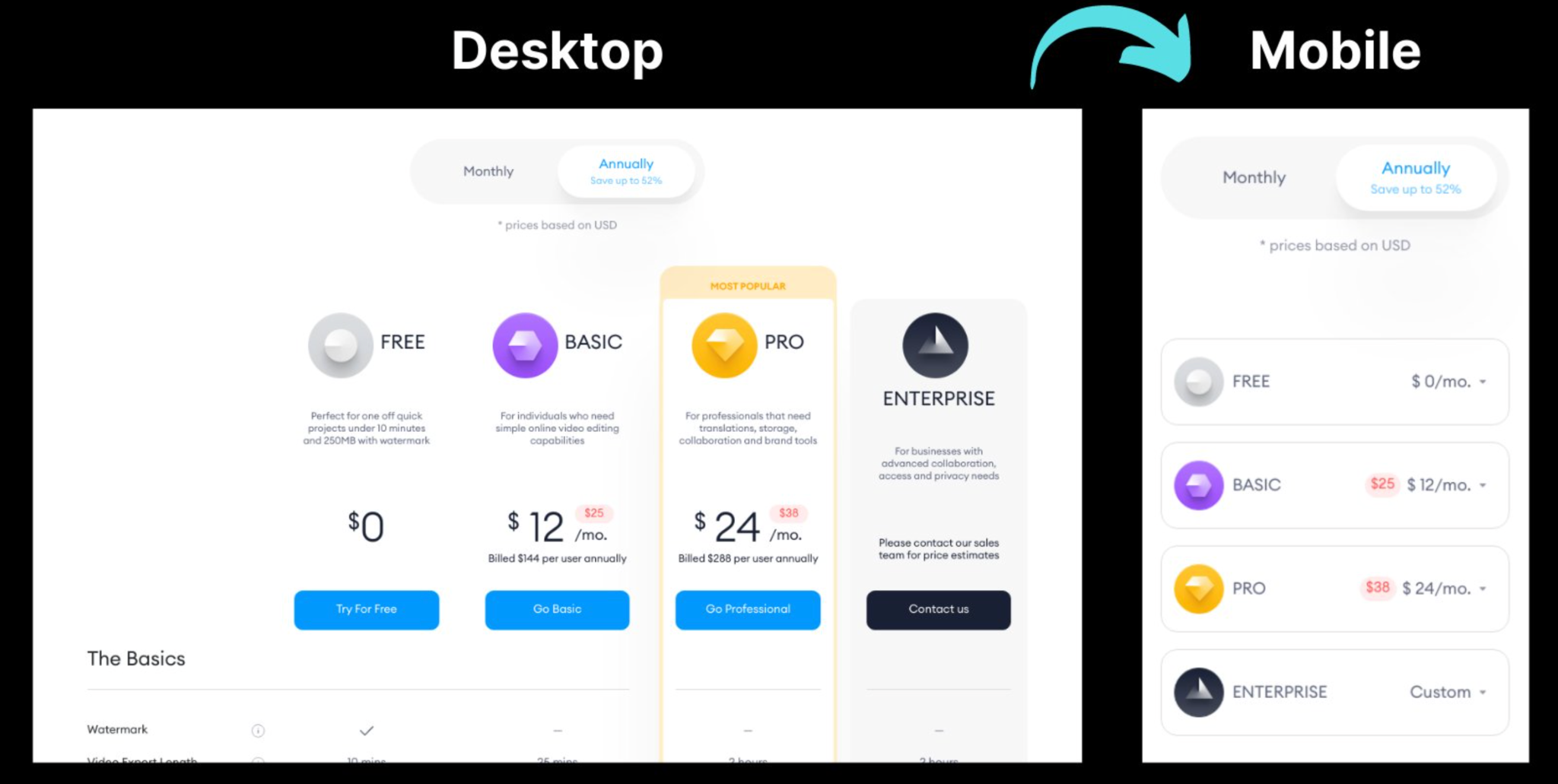
A large portion of seasonal purchases happens on mobile devices, especially during flash sales and holiday urgency moments. Your pricing table must remain readable, clickable, and easy to navigate across screens of all sizes. When customers view your page from mobile during a seasonal promotion, they need to access pricing details quickly without zooming or scrolling excessively. By ensuring cross-device responsiveness, you remove friction from the buying experience.
Follow the steps below to optimize your table pricing for mobile:
Strong mobile optimization helps your seasonal promotions reach more customers and convert consistently across devices.
Seasonal campaigns evolve quickly, and your pricing table must adapt based on performance data. Testing and monitoring help you uncover which layouts, labels, or price points resonate most with holiday shoppers. When you refine these elements during the campaign, you increase conversion rates and reduce drop-offs. Continuous adjustments help maintain momentum as customer behavior shifts during the season.
Important elements to test and track include:
Ongoing optimization ensures your pricing tables perform at their highest level throughout the seasonal period.
Seasonal shoppers move fast, so your table must remain straightforward, visually calm, and free of unnecessary clutter. Clear spacing, bold headers, and clean categories help them absorb information without hesitation. By simplifying the layout, you reduce friction and guide shoppers toward faster buying decisions.
Your best deal should capture immediate attention through color accents, badges, or larger sizing. Shoppers tend to gravitate toward what stands out visually, especially when they’re comparing options quickly. This highlight acts as a visual anchor that pulls users toward the option that brings the most revenue and value.
Seasonal buyers care deeply about the value they’re receiving, so make savings easy to spot. Show original prices, discounted prices, and total savings clearly so shoppers instantly feel the benefit. This transparency strengthens trust and increases urgency to secure the deal.
Seasonal campaigns evolve by the hour, especially during December and major sales events. Updating your pricing table with new deals, sold-out items, and fresh discounts keeps your campaign alive and exciting. The more frequently customers see updates, the more motivated they are to act quickly.
Colors, icons, and layouts should reflect the seasonal atmosphere, festive reds for Christmas, bright gold for New Year, or bold contrasts for Black Friday. This creates an emotional experience that matches user expectations and reinforces campaign consistency.
Stock counters, timers, and “ending soon” labels help increase conversions when used in moderation. Overuse can create pressure and reduce trust, but smart placement builds excitement and motivates customers to take action.
Seasonal shoppers abandon pages quickly, especially on mobile devices. Keeping your pricing table lightweight and well-optimized ensures they can scan your offers with zero delays.
Dynamic pricing tables provide the flexibility, clarity, and urgency necessary to succeed during competitive seasonal campaigns. By presenting multiple offers in an organized, visually engaging format, and ensuring prices update automatically, you create a shopping experience that feels relevant, timely, and trustworthy. When built strategically with strong visual cues, automated pricing rules, mobile optimization, and consistent updates, dynamic pricing tables become one of the most powerful tools for improving conversions during any seasonal event.