New to Shopify? Free trial, then $1/month for your first 3 months. Start free trial →
 Where is your store?
Ryviu works with both – pick yours to continue.









Customers rarely make decisions based on claims alone. In a crowded digital marketplace, people look for evidence that reduces risk, validates expectations, and reassures them they are making the right choice. Proof points serve this role by transforming marketing messages into signals customers can trust.
The most effective proof points don’t feel promotional or forced. Instead, they work quietly in the background, reducing doubt and helping customers move forward with confidence. Below are eight proof points that consistently influence customer behavior when applied thoughtfully and at the right moment.

Proof points are pieces of evidence that support your marketing claims and help customers believe what you’re saying. Instead of asking customers to trust promises, proof points show that others have already experienced the value, safety, or effectiveness of your product. They turn abstract messages into concrete reassurance.
In customer decision-making, proof points play a critical psychological role. Most shoppers want to minimize risk, avoid regret, and feel confident that they are making a sensible choice. Proof points reduce the mental effort required to evaluate a product by answering doubts before customers consciously articulate them.
Because proof points work quietly, they are often more persuasive than direct selling. When used correctly, they guide customers forward without pressure, making the buying decision feel logical and self-directed.
To understand their impact more clearly, it helps to look at what proof points actually do during the buying journey.
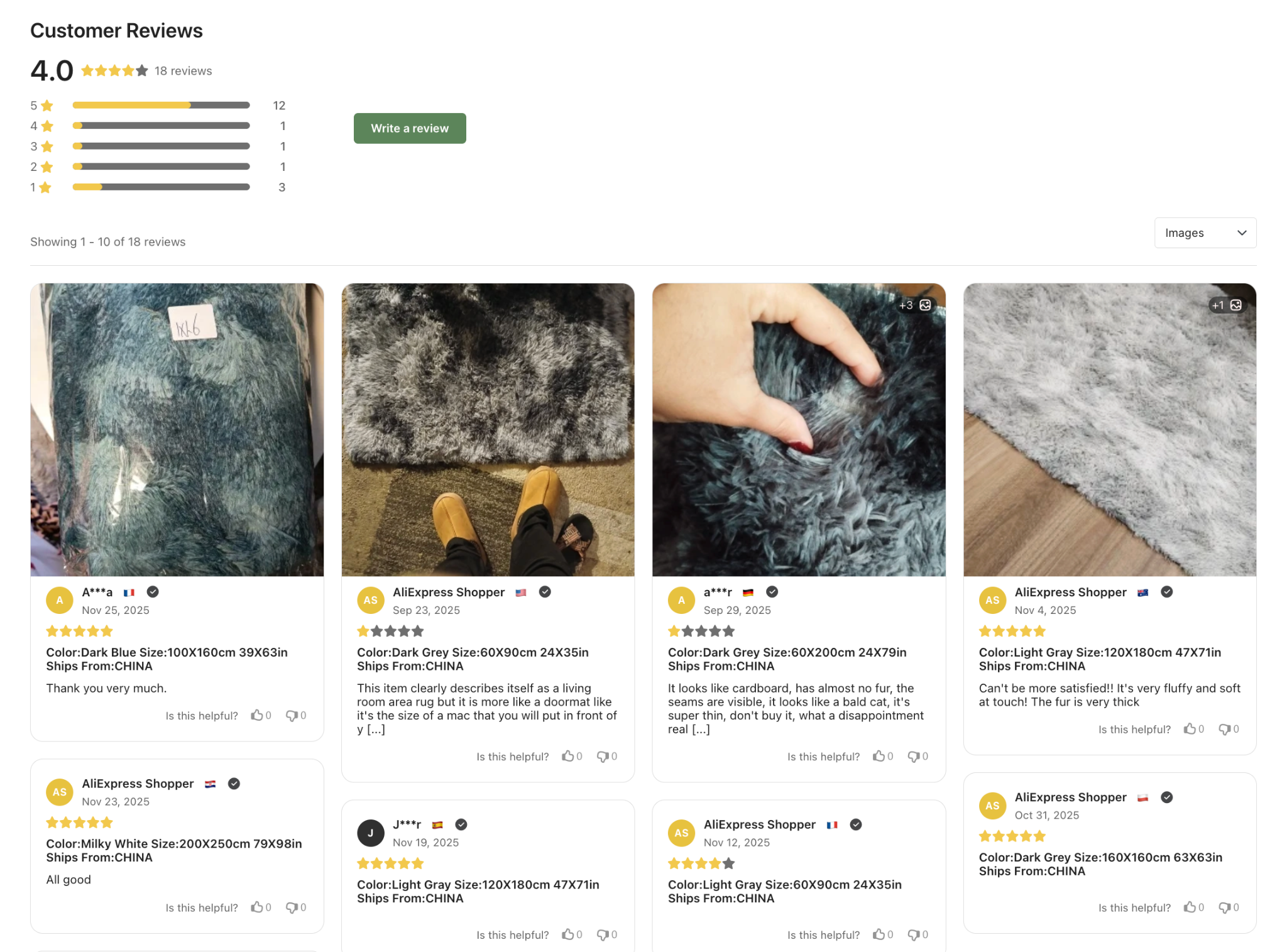
Customer reviews are one of the strongest proof points because they reflect real experiences rather than brand-controlled messaging. Shoppers rely on reviews to understand product quality, usability, and whether expectations will realistically be met. Even mixed or imperfect feedback often increases trust by signaling transparency.
Reviews also help customers validate their thinking. When people see others confirming the same questions or concerns they have, hesitation decreases and confidence grows. For reviews to influence behavior effectively, they must appear close to decision-making moments.
Before diving into specific tactics, it’s important to understand how reviews reduce friction in subtle but powerful ways.
Testimonials become far more persuasive when they include context rather than generic praise. Customers want to know who is speaking, what challenge they faced, and how the product helped them overcome it. Context turns testimonials into relatable stories instead of marketing soundbites.
When testimonials mirror a customer’s own situation, they shorten the mental distance between interest and belief. Many brands achieve this by repurposing detailed customer feedback into targeted testimonials across key pages.
To make testimonials truly influence behavior, they need to feel specific, grounded, and situational.
People naturally look to others when making decisions, especially under uncertainty. Visible adoption signals, such as user counts, orders completed, or review totals, suggest that a product is already trusted by many. This reduces the perceived risk of making the “wrong” choice.
These signals don’t need to be dramatic or exaggerated. Simple indicators of real usage often feel more believable than bold claims. When presented clearly, adoption metrics quietly reinforce confidence.
Understanding how these numbers influence perception helps explain why they are so effective.

Authority proof works by transferring trust from a respected source to your product. This can include industry experts, publications, well-known brands, or recognized standards. When customers lack expertise, authority signals help them feel safer making a decision.
Not all authority proof is explicit. In some cases, trust is built indirectly through systems that ensure authenticity, moderation, or verification, reinforcing the idea that information hasn’t been manipulated.
To be effective, authority signals must feel earned and relevant rather than decorative.
Case studies provide deeper proof for customers who need more reassurance before committing. They demonstrate how a product performs in real situations, using concrete results instead of abstract benefits. This makes them especially valuable for high-consideration purchases.
While full case studies are often long-form, shorter outcome-driven stories can also be effective. Quotes, summaries, or results pulled from real customer experiences reinforce the same message in a lighter format.
Before customers commit, they often look for evidence that success is achievable for someone like them.

Trust signals are most powerful when customers feel vulnerable, such as during checkout, sign-up, or payment. At these moments, even small doubts can cause hesitation or abandonment. Trust elements help reassure customers that they are making a safe choice.
Beyond security badges and payment icons, social trust signals play a key role. Seeing evidence that others have successfully completed the same step can be just as comforting.
The key is to support confidence without overwhelming the interface.
Risk reversal reduces hesitation by shifting responsibility from the customer to the brand. Clear guarantees, refund policies, and honest limitations signal confidence and fairness. Customers are more likely to proceed when they feel protected.
Transparency also builds long-term trust. When policies are easy to understand and consistently upheld, customers feel respected rather than persuaded. Social feedback often reinforces whether these promises are truly honored.
Reducing perceived risk is often the final step toward action.
Visual proof helps customers understand what they’re actually buying. Photos and videos provide clarity that text alone cannot, showing scale, texture, fit, and real-world usage. This reduces guesswork and disappointment.
When visuals come from real users rather than staged marketing, they feel more trustworthy. User-generated visuals also help customers imagine themselves using the product successfully.
Visual proof works best when it answers practical questions quickly.
Creating effective proof points consistently is often less about strategy and more about execution. Many brands understand the importance of reviews, testimonials, and social proof, but struggle to collect, organize, and display them in ways that feel trustworthy and well-integrated. This is where having the right infrastructure makes a difference.
Ryviu supports proof-point creation by helping brands capture real customer experiences at scale and surface them naturally across the shopping journey. Instead of relying on isolated testimonials or manual curation, stores can build a steady stream of authentic feedback that reinforces trust over time. When proof points are continuously refreshed and contextually placed, they feel less like marketing and more like shared experience.
To understand its role more clearly, it helps to look at how Ryviu supports proof points rather than promotes products.
Rather than acting as a promotional layer, Ryviu functions as a foundation that allows proof points to emerge naturally from real customer experiences. When proof is built into the system, trust scales with the business.

Effective proof points don’t persuade by force. They reassure through evidence, context, and consistency. Reviews, testimonials, adoption signals, and visual proof each reduce doubt at different stages of the customer journey.
Rather than adding more claims, brands should focus on making proof easier to see, understand, and trust. When customers feel informed and confident, influence happens naturally, and decisions follow with far less resistance.